
A few sprouts can make an old potato seem harmless. In reality, sprouting is often a warning sign that the potato's chemistry has started to change in ways you should not ignore.
Sprouting is a sign of chemical change
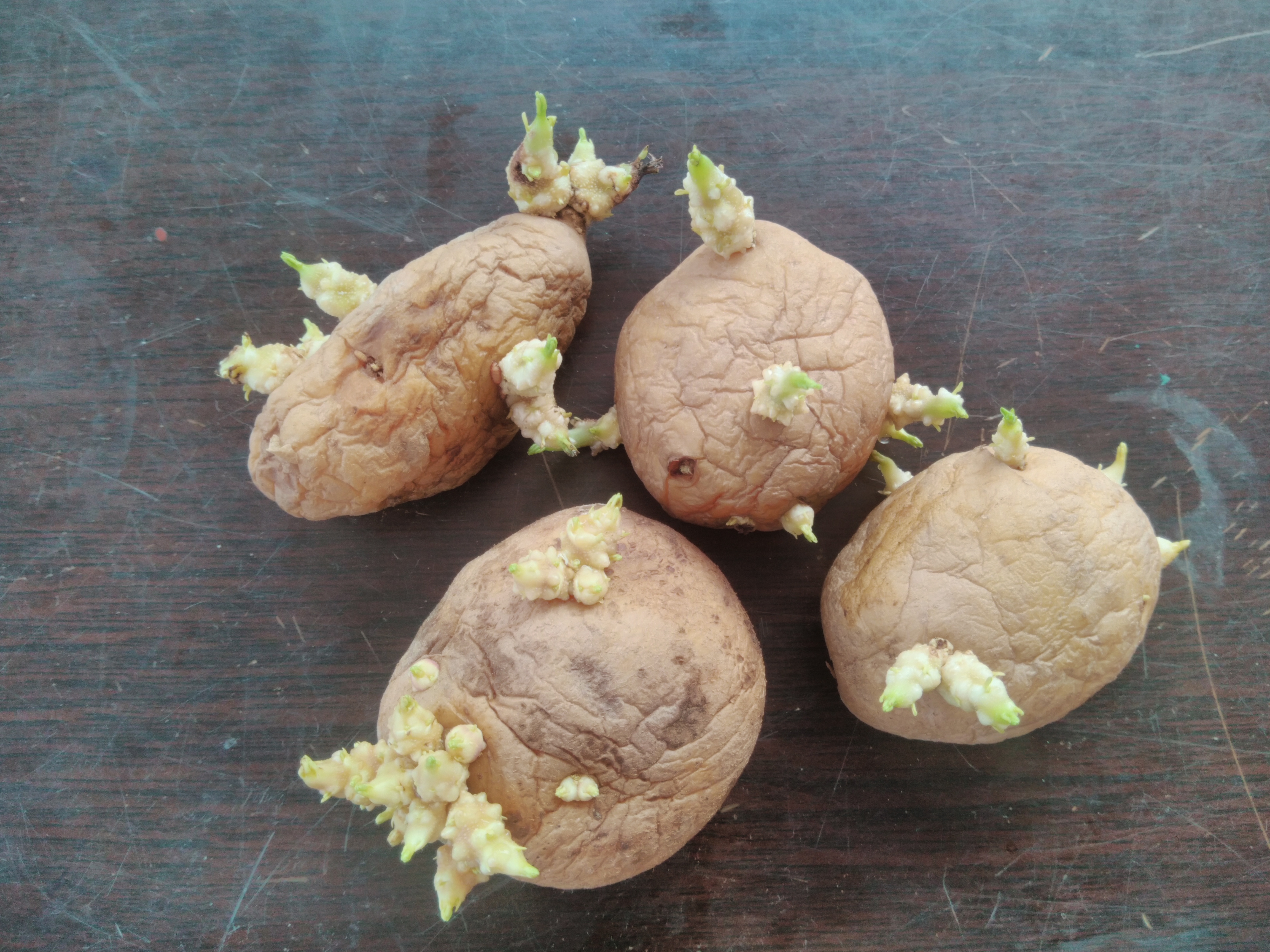
At first glance, a sprouted potato looks like a simple storage problem. What matters more is what is happening inside the tuber as it ages, warms up, and begins growing again.
Potatoes naturally contain glycoalkaloids, mainly solanine and chaconine. These compounds help defend the plant against insects, fungi, and other threats, but they are toxic to humans in high amounts.
When a potato sprouts, glycoalkaloid levels can increase, especially near the skin, eyes, and sprouts. According to food safety experts, light exposure and physical damage can push those levels even higher, which is why old potatoes deserve a closer look.
The green color is a major warning
Green potatoes are often mistaken for merely underripe or stale. In fact, the green color usually means the potato has been exposed to light, which encourages chlorophyll production and often accompanies a rise in toxic compounds.
Chlorophyll itself is not dangerous. The problem is that greening and glycoalkaloid buildup frequently happen together, making green areas an important warning sign rather than a cosmetic flaw.
The U.S. Department of Agriculture and university extension programs have long advised consumers to avoid potatoes that are heavily greened. If a potato is both green and sprouted, the risk is more concerning because multiple signs of deterioration are present at once.
These toxins can make you sick
The danger from sprouted potatoes is not theoretical. Glycoalkaloid poisoning has been documented in medical literature for decades, with symptoms ranging from mild digestive upset to more serious neurological effects.
Common symptoms include nausea, vomiting, stomach cramps, and diarrhea. In more severe cases, people may experience headache, drowsiness, confusion, fever, and changes in heart rate, particularly after eating potatoes with very high toxin levels.
Children are generally at greater risk because a smaller body size means less toxin is needed to cause harm. Bitter taste is another clue, since unusually bitter potatoes may signal elevated glycoalkaloids even before obvious green patches are seen.
Cutting off sprouts is not always enough
Many people assume they can save a sprouted potato by snapping off the shoots and trimming the eyes. That can reduce some risk in minor cases, but it does not guarantee the rest of the potato is safe.
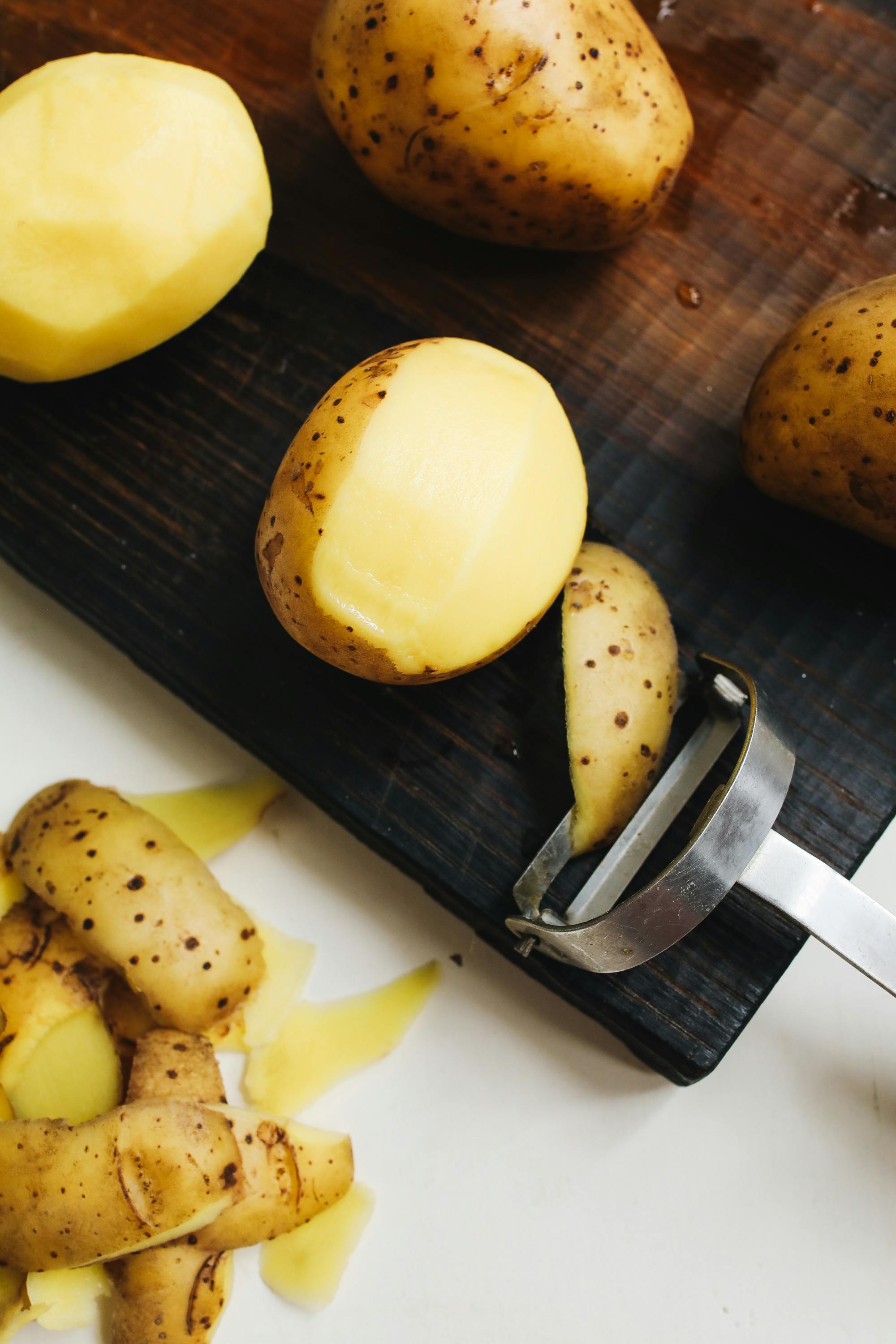
Toxins are often concentrated in and just below the skin, yet they are not always limited to the visible sprout. If the potato is shriveled, soft, green, or tastes bitter, simply cutting away a few spots is not a reliable fix.
Food safety guidance generally allows a firm potato with tiny sprouts to be salvaged only if all sprouts, eyes, and any green areas are generously removed. Once sprouting is extensive, the safest choice is disposal, not kitchen optimism.
Cooking does not fully solve the problem

Heat makes many foods safer, so it is natural to think baking, boiling, or frying would neutralize a sprouted potato. Unfortunately, glycoalkaloids are relatively heat-stable compared with many microbes and enzymes.
That means normal home cooking temperatures may lower levels somewhat, but not enough to make a toxic potato safe. Frying can reduce some compounds, yet it should never be treated as a dependable remedy for a badly sprouted or green potato.
This is one reason food scientists stress prevention over rescue. If a potato already shows clear warning signs, relying on cooking to fix it is a gamble with a food that may already have crossed the line.
Safe storage and smart decisions matter most
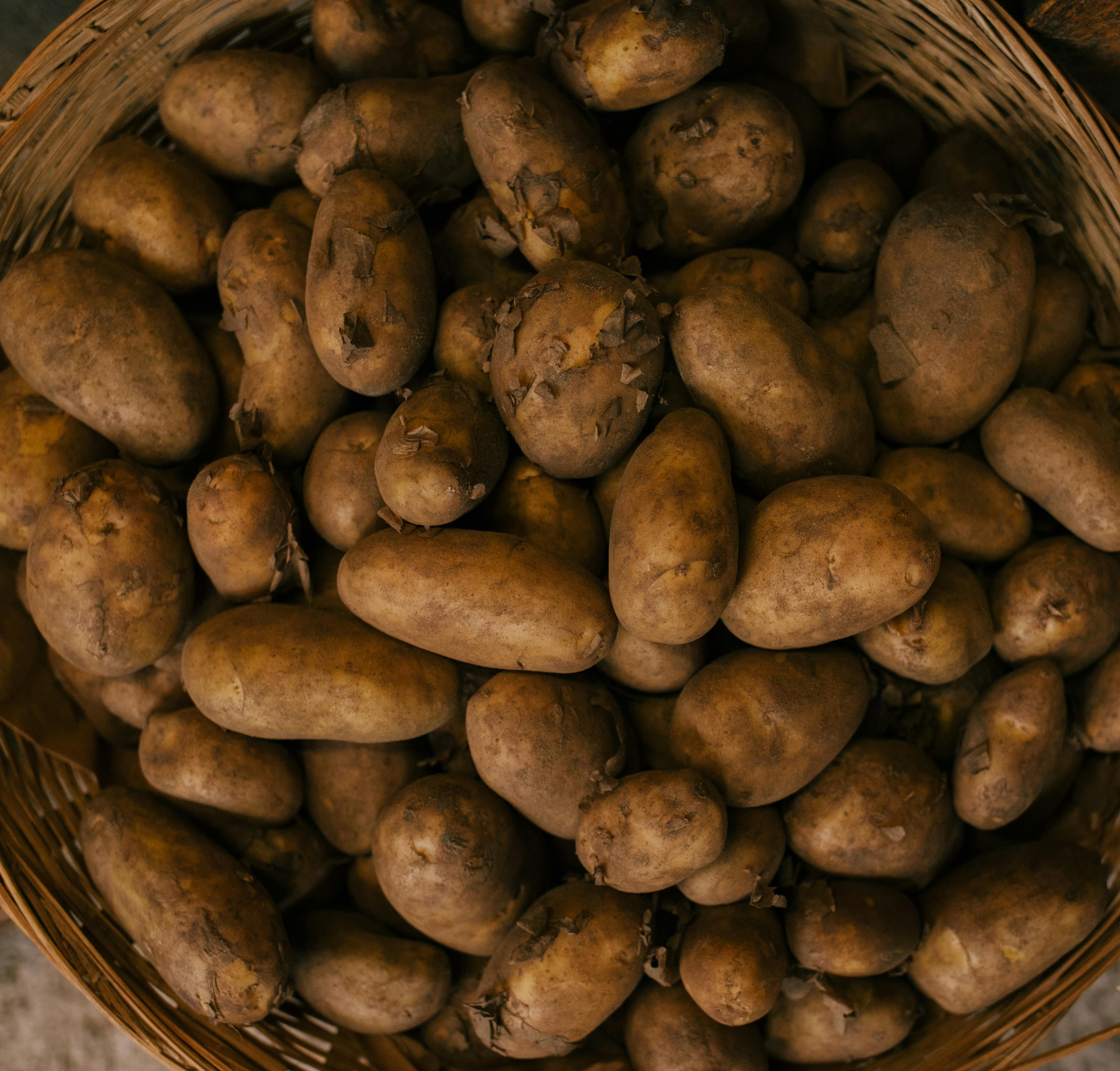
The best way to avoid sprouted potatoes is to slow sprouting before it starts. Store potatoes in a cool, dark, well-ventilated place, but not in the refrigerator, because very cold storage can negatively affect texture and flavor.
Keep them away from onions, which release gases that can speed spoilage. Check your supply regularly and use older potatoes first so they do not sit long enough to sprout heavily.
As a rule, throw the potato away if it is green, soft, wrinkled, moldy, strongly bitter, or covered in long sprouts. A fresh potato should feel firm and look clean and dull, not glossy, green, or eager to grow.




Leave a Reply