
Frozen seafood was not supposed to be one of the year's brighter food stories. Yet across retail, e-commerce, and foodservice, it is proving more resilient and more relevant than many expected.
Convenience has turned frozen seafood into a mainstream choice
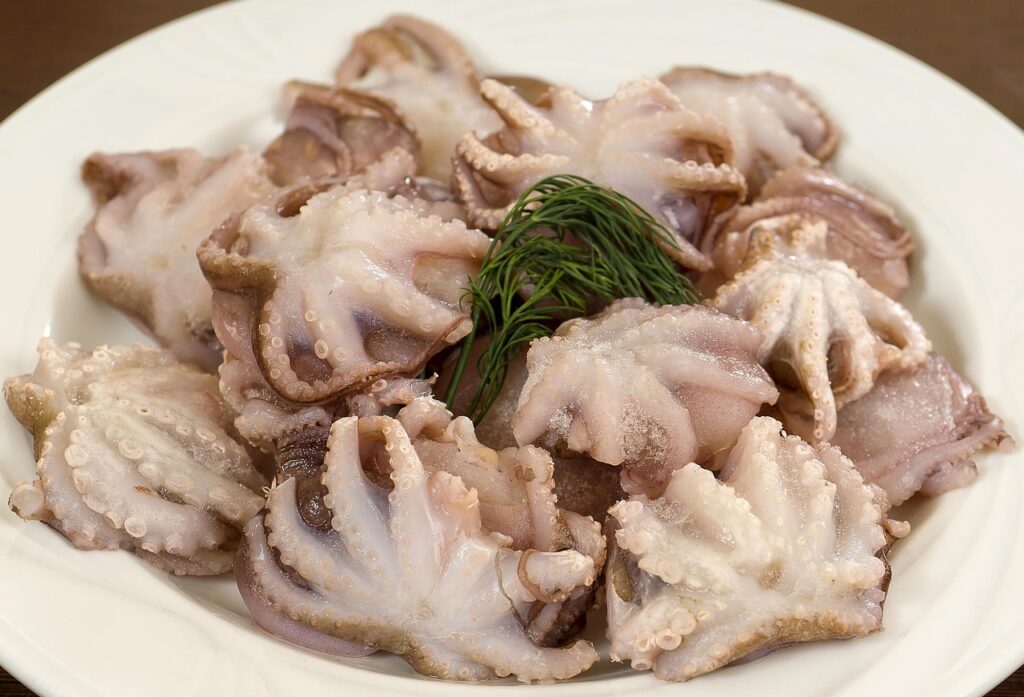
The biggest reason frozen seafood is having a stronger year is simple: it fits the way people actually live. Households want meals that are fast, flexible, and reliable, especially when work schedules are packed and grocery trips are less frequent. Frozen seafood answers all three needs, because it can stay in the freezer for weeks or months while still offering a quick path to dinner. That practicality has moved it from a backup purchase to a routine one.
This shift is especially visible in ready-to-cook and value-added products. According to Future Market Insights, frozen shrimp skewers, battered fish fillets, seafood meal kits, and pre-marinated fillets have become staples in many retail freezers. These products reduce prep time and cooking uncertainty, which matters to consumers who want restaurant-style meals without a lot of planning. In a year when people are still watching time and budget at the same time, that combination is powerful.
Brands have leaned into this change with products that remove friction from cooking. Trident Seafoods, for example, reported a 9% year-over-year sales increase in U.S. retail helped by frozen salmon burger patties and ready-to-cook Alaska pollock. Charoen Pokphand Foods saw 11% export growth to Australia and the UK with Thai-style frozen seafood meals. Fortune Fish & Gourmet also reported a 13% increase for chef-designed frozen seafood entrées sold through premium retail and e-commerce channels.
What matters here is not just novelty, but normalization. Consumers are no longer asking whether frozen seafood is good enough. They are asking whether it is easier, more consistent, and better suited to weeknight cooking than fresh. In many cases, the answer is yes, and that is a major reason the category is outperforming expectations.
Better technology has improved quality and changed perception
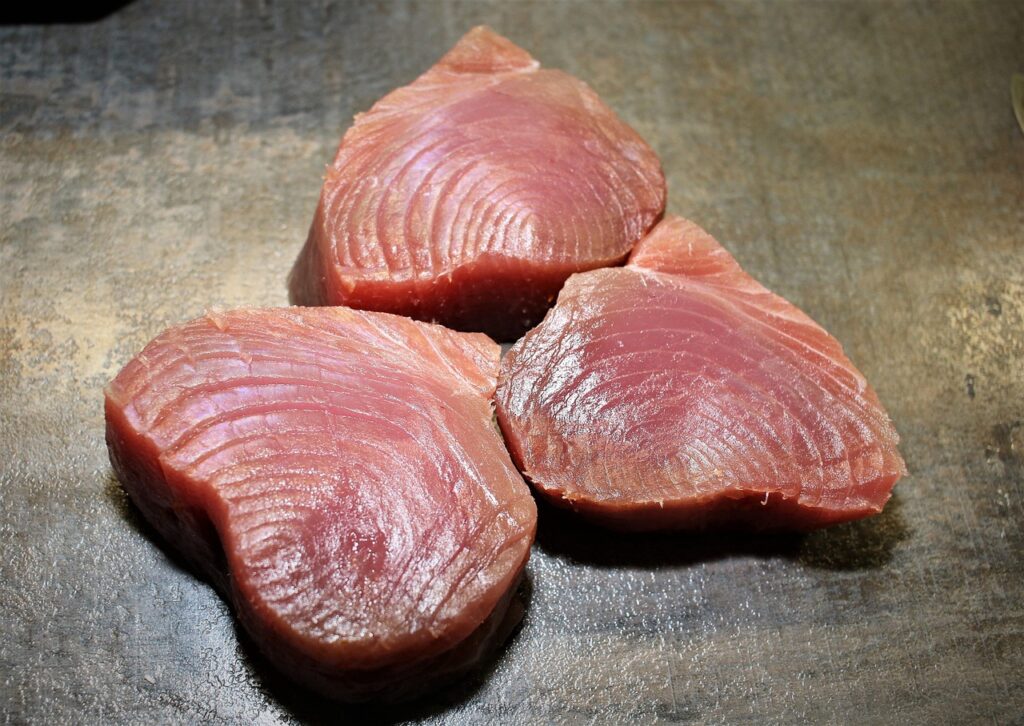
Frozen seafood has also benefited from a quieter but equally important shift: the product itself has improved. Modern flash-freezing, vacuum sealing, and cold-chain logistics have made a meaningful difference in taste, texture, and shelf life. For years, frozen fish suffered from an image problem tied to older processing methods and uneven handling. That stigma is fading because the quality gap between fresh and frozen is narrower than many shoppers assume.
This matters because perception often determines purchasing behavior more than technical facts. Consumers who once associated frozen seafood with freezer burn or mushy fillets are increasingly finding products that cook well and taste clean. In the United States, where Future Market Insights projects 3.4% CAGR through 2035, retailers are expanding frozen seafood assortments partly because better preservation methods have boosted confidence. A frozen salmon portion that goes from freezer to oven with dependable results is far easier to repurchase than a fresh fillet that spoils in two days.
The logistics side has improved as well. Cold-chain investments have helped maintain product integrity from processor to store shelf to home delivery box. That is one reason frozen seafood has performed so well online. Mitsubishi's cold supply chain upgrades helped drive a 9% increase in online frozen food sales in Japan, while Mowi's partnerships with meal kit providers and online grocers contributed to an 8.3% rise in European online sales. Trident's direct-to-consumer business also rose 12%, led by frozen boxes of salmon and cod.
These gains point to a broader truth: better handling has turned frozen seafood into a trust category. When shoppers believe the product will arrive safely, store easily, and cook predictably, they buy more of it. Quality improvements do not just protect sales. They expand the market by bringing back consumers who may have written frozen seafood off years ago.
Value and lower waste are especially attractive in a cautious economy
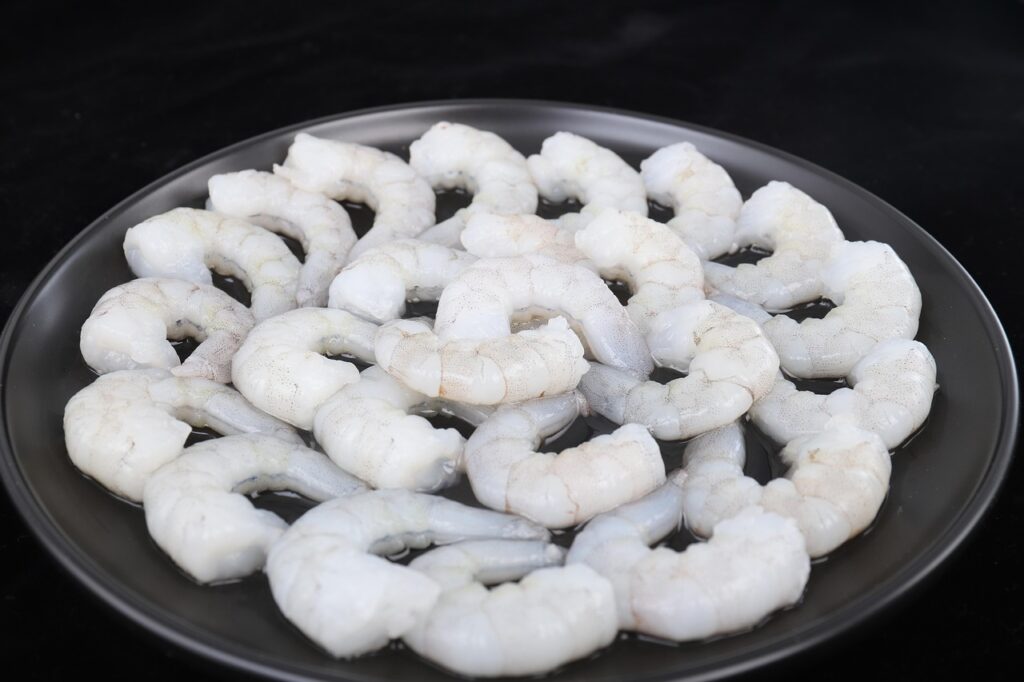
Frozen seafood is having a better year partly because it matches the mood of the economy. Consumers may still want healthy proteins and higher-quality meals, but many are also watching prices closely. Fresh seafood can feel risky in that environment because it is expensive, highly perishable, and often bought with a narrow window for use. Frozen seafood offers a more controlled purchase: shoppers can buy it in larger quantities, portion it over time, and reduce the chances of waste.
That shelf-life advantage matters more than it might seem. Food waste has become both a budget issue and a household frustration. Buying fresh fish and not using it in time feels like losing money twice. Frozen products solve that problem by giving consumers flexibility. They can cook exactly what they need, whether that is two shrimp skewers, one salmon fillet, or a family-sized bag of cod. Future Market Insights specifically highlights waste reduction and longer shelf life as key reasons more consumers are turning to frozen seafood.
Retailers and foodservice operators are noticing the same math. Larger frozen assortments help stores carry more variety with less spoilage risk, while restaurants and hospitality businesses benefit from better inventory control. That is one reason frozen seafood is expanding not just in supermarket aisles but also in foodservice channels. It helps businesses manage costs without removing seafood from the menu, which is particularly important when fresh supply is volatile or expensive.
The value story does not mean frozen seafood is only competing on price. It is often competing on usable value. A bag of frozen shrimp that delivers multiple meals can be more attractive than fresh shrimp with a shorter life and more handling loss. In a year when shoppers are looking harder at every grocery decision, frozen seafood's blend of affordability, flexibility, and waste reduction is one of the clearest explanations for its better-than-expected performance.
Health trends are pushing more shoppers toward seafood in general
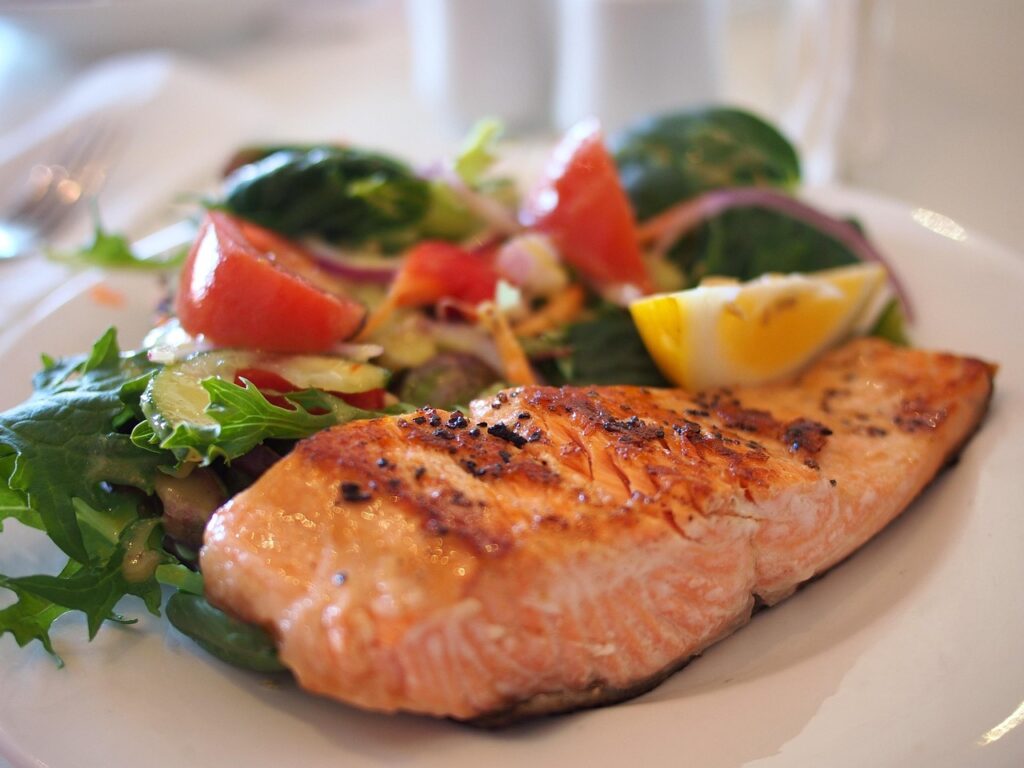
Another major tailwind is the broader shift toward high-protein, lower-fat eating. Consumers are increasingly looking for foods that support heart health, weight management, and overall nutrition without sacrificing convenience. Seafood fits that demand naturally, and frozen formats make it easier to use regularly. Salmon, cod, shrimp, mackerel, and other species offer protein and, in many cases, omega-3 benefits that shoppers already understand.
Future Market Insights points to this health-driven demand as a core engine of growth, noting stronger interest in salmon, white fish, and shellfish as alternatives to red meat. This trend is especially visible in the United States, Japan, and Australia, where more consumers are looking for lean proteins that fit active lifestyles. Frozen seafood has benefited because it turns aspirational healthy eating into practical behavior. A shopper may not buy fresh fish every week, but they may keep frozen portions on hand for easy lunches and dinners.
Companies have responded with health-forward positioning and product development. SalMar's omega-rich salmon fillets produced a 9.2% sales lift in the UK and Norway after being marketed around nutrition. Coast Seafood's relabeling of frozen mackerel and herring with health messaging increased sales by 7% in Germany and the Netherlands. In Japan, Maruha Nichiro's collagen-enhanced frozen seafood lines delivered 10.5% revenue growth, showing that wellness positioning can be highly effective even in mature seafood markets.
This trend is important because it broadens frozen seafood's appeal beyond convenience shoppers. It reaches fitness-minded consumers, older adults, parents seeking better proteins for their families, and flexitarians reducing red meat. Frozen seafood is doing well not only because it is easy to store, but because it increasingly aligns with how people want to eat. In today's market, convenience alone is useful. Convenience plus health is far more powerful.
Sustainability and traceability are helping premium products grow

Frozen seafood's stronger year is not just about volume. It is also about credibility. More consumers now want to know where their seafood comes from, how it was caught or farmed, and whether the brand can prove those claims. That has turned sustainability and traceability from niche selling points into mainstream purchase drivers, especially in parts of Europe and among younger shoppers.
Germany is a clear example. Future Market Insights describes the market there as steady rather than explosive, but increasingly shaped by ethical sourcing, eco-friendly packaging, and certifications such as ASC and organic labels. Retailers are allocating more freezer space to products that can demonstrate responsible sourcing. In that kind of environment, frozen seafood has an advantage because packaging can communicate more detail clearly, and the supply chain can be structured around batch tracking and certification.
Brands that invested in this area are seeing measurable gains. Mitsubishi's traceability rollout for frozen seafood in Europe boosted regional sales by 7%, especially in Germany and France. Norway Royal Salmon reported 10% growth in Scandinavian retail sales with ASC-certified products and fully traceable packaging. Austevoll Seafood expanded MSC-certified offerings and saw 8.5% growth in Northern Europe, while Mowi's traceable Blue Revolution line helped drive 6% demand growth.
These results show that frozen seafood can now command premium interest, not just bargain attention. Traceability reassures consumers about safety and ethics, while certifications help brands stand out in crowded freezer aisles. For many shoppers, especially those balancing values with convenience, frozen seafood offers an easier way to buy responsibly than the traditional fresh counter. That matters in a year when trust, transparency, and proof have become more important across the food industry.
Global demand is broadening, and companies are getting more creative
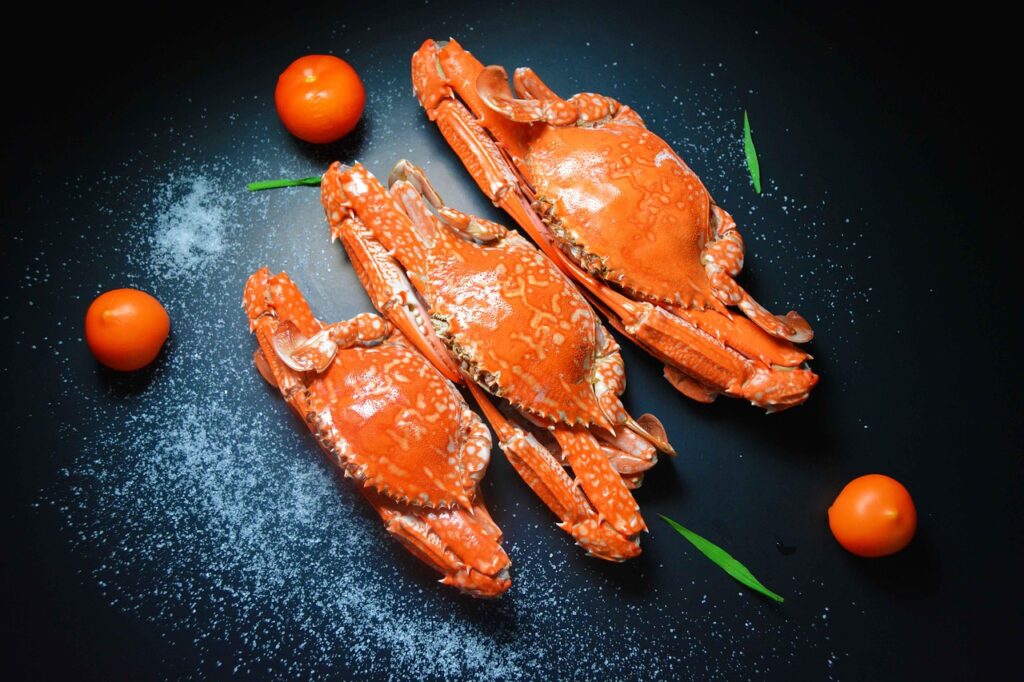
The final reason frozen seafood is having a better year than expected is that growth is coming from multiple directions at once. This is not a story limited to one country, one channel, or one product type. Future Market Insights estimates the global frozen seafood market was valued at USD 21,995.1 million in 2024 and is expected to reach USD 23,380.7 million in 2025. Over the 2025-2035 period, the market is projected to expand at a 5.7% CAGR and reach USD 45,094.4 million by 2035, with slightly stronger momentum expected in the latter half of the forecast period.
Geographically, the demand picture is diverse. China is projected to grow at 4.7%, helped by urbanization, rising incomes, and improving cold-chain infrastructure. India stands out even more with a projected 5.5% CAGR, suggesting significant room for category expansion as modern retail and frozen distribution networks develop. The U.S. remains a large convenience-driven market, while Japan, though mature at 0.8% projected growth, continues to create opportunities in frozen bento ingredients, pre-marinated fillets, grilled eel, and breaded seafood for older and time-pressed consumers.
Just as important, product innovation is widening the category's appeal. Companies are pushing into gourmet offerings such as sushi-grade tuna, tapas-style shellfish, smoked herring kits, marinated octopus, and premium meal kits. Maruha Nichiro reported 12.5% growth in its upscale frozen seafood segment in Japan, while Coast Seafood saw a 9% increase in sales for tapas-style scallops and smoked herring kits in Scandinavia and Germany. There is also growing interest in lesser-used species like monkfish, cuttlefish, barramundi, rockfish, and sablefish, which combine novelty with sustainability goals.
Taken together, these forces explain why frozen seafood has surprised on the upside. It is no longer just a practical category. It is becoming a more sophisticated one, supported by better technology, broader consumer trust, stronger health positioning, and more imaginative product design. That is a recipe for a better year, and possibly for a stronger decade ahead.




Leave a Reply