
Electrolytes used to live mostly in the sports drink aisle. Now they are showing up across Canadian shelves in far more places, and the surge says a lot about how food marketing is changing.
A niche sports message has turned into a mainstream wellness pitch
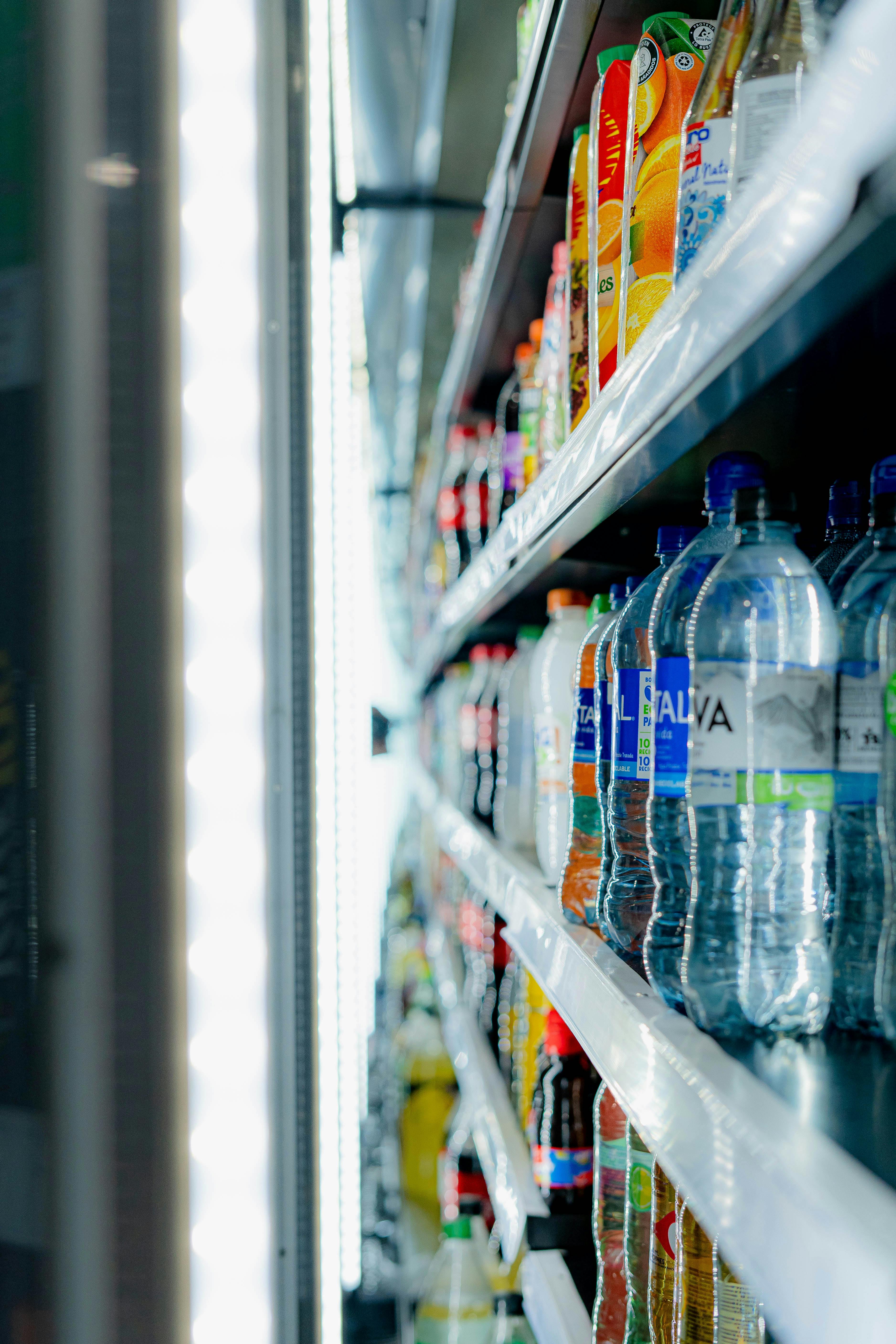
What changed first was the audience. Electrolytes were once marketed mainly to athletes, endurance runners, and people doing intense training. Today, brands pitch them to office workers, parents, students, travelers, and anyone who feels tired, dehydrated, or run down.
That wider appeal matters because electrolytes are easy for shoppers to understand at a glance. Most consumers may not explain sodium, potassium, magnesium, and calcium in scientific terms, but they do recognize simple promises like hydration, recovery, and balance. On a busy shopping trip, those cues are powerful.
Canadian manufacturers have responded by placing electrolyte claims on waters, powders, tablets, snack products, and even functional foods that would not have carried that language a year ago. The 207% rise signals less of a scientific breakthrough and more of a marketing migration into the everyday wellness category.
Heat, hydration anxiety, and lifestyle changes are driving demand

A major force behind the increase is rising public concern about hydration. Hotter summers, wildfire smoke, longer commutes, and more outdoor exercise have made consumers more aware of fluid loss. When people hear public health advice about heat stress, electrolyte messaging suddenly feels relevant beyond the gym.
The post-pandemic wellness mindset also plays a role. Many consumers now monitor sleep, steps, heart rate, protein intake, and water consumption more closely than before. In that environment, electrolytes fit neatly into a larger self-optimization culture where small nutritional add-ons are framed as practical daily support.
Brands are benefiting from that anxiety. A plain beverage can be repositioned as a hydration tool, while a powdered mix can be sold as a smarter alternative to sugary drinks. The emotional trigger is simple: consumers want to feel prepared, especially during heat waves or busy, physically draining days.
Social media has made electrolytes feel essential

Scroll through fitness content and electrolyte products appear constantly. Influencers discuss morning hydration, post-workout replenishment, travel recovery, hangover routines, and energy slumps, often presenting electrolytes as a near-universal solution. That repetition has helped turn a specific nutritional concept into a familiar household term.
The effect is especially strong when creators package electrolyte use as a habit rather than a treatment. Adding a sachet to water or grabbing an enhanced drink becomes part of an aspirational routine. Consumers often adopt the behavior before asking whether they truly need extra minerals that day.
In Canada, that matters because retail trends follow culture quickly. Once online demand rises, packaging claims tend to multiply as brands try to match the language shoppers already know. The result is a crowded market where electrolyte wording signals relevance, modernity, and premium value.
Manufacturers see a low-friction way to add value

From an industry perspective, electrolyte claims are attractive because they can refresh familiar products without requiring a radical format change. A beverage line can add minerals, adjust flavor, update packaging, and relaunch with a stronger functional message. That is often easier than inventing a completely new category.
The claim also travels well across price tiers. Premium wellness brands can position electrolytes alongside clean ingredients and performance benefits, while mass-market companies can use the same language to make mainstream products feel more advanced. Few claims work so effectively in both spaces.
There is also a competitive reason for the jump. Once a handful of brands begin using a term successfully, rivals often follow to avoid looking outdated. In that sense, the 207% explosion reflects copycat acceleration, where packaging language spreads rapidly through the market after early winners prove demand.
The science is real, but the marketing often goes much further

Electrolytes do matter physiologically. They help regulate fluid balance, nerve signaling, and muscle function, and they can be especially important after heavy sweating, illness, or prolonged exercise. For certain consumers, products containing sodium and potassium can serve a real purpose.
But many shoppers do not need an electrolyte-enhanced product every time they eat or drink. For people doing light daily activity and eating a balanced diet, normal meals and water are often enough. That gap between legitimate function and broad marketing is where many packaging claims now operate.
Health experts generally caution against treating all functional claims as equal. Some products contain meaningful levels of key minerals, while others use the language more aggressively than the formulation justifies. The claim may be truthful, yet still exaggerate how necessary the product is for the average person.
What this surge means for Canadian shoppers next

The sharp rise in electrolyte claims suggests Canadian grocery aisles are moving deeper into functional branding. Consumers increasingly expect products to do something beyond basic nourishment, whether that means supporting hydration, gut health, protein goals, or mental focus. Electrolytes are simply one of the clearest examples.
Shoppers should expect the claim to keep spreading into new formats, including convenience beverages, kids' products, frozen items, and everyday snacks. Retailers like claims that are easy to merchandise, and manufacturers like terms that quickly communicate a benefit. Electrolytes check both boxes.
The smartest response is not to avoid these products, but to read them more carefully. Look at sodium, potassium, sugar content, and serving context rather than the front label alone. The 207% jump shows how fast a useful nutritional concept can become a sweeping commercial trend.



Leave a Reply