A single egg can quietly determine whether a cake feels plush, a cookie spreads properly, or a loaf holds together. In baking, eggs are not just ingredients. They are working parts of the entire system.
Eggs Are Structural Engineers in Disguise
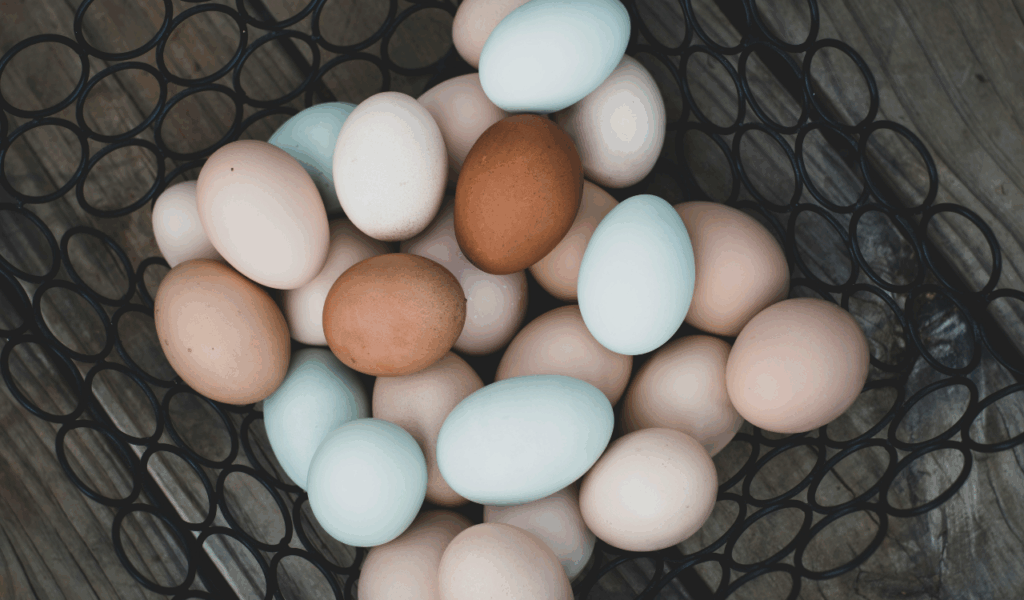
At first glance, eggs seem simple, but in baking they behave like a precision tool. Their proteins coagulate when heated, which means they set and firm up as the batter or dough bakes. That process helps cakes hold their crumb, brownies stay sliceable, and muffins avoid collapsing the moment they leave the oven. Without that protein network, many baked goods lose the internal support that keeps them stable.
This is especially clear in recipes with a high ratio of sugar and fat, such as sponge cakes, pound cakes, and rich quick breads. These recipes need something to balance softness with strength, and eggs do exactly that. According to food science research widely cited in culinary education, egg proteins create a matrix that traps and supports air bubbles formed during mixing. That is one reason a cake can rise in the oven and still stand tall after cooling.
The yolk and white do different structural jobs. Egg whites are mostly water and protein, making them especially important for firming and lift. Yolks contain fat, lecithin, and additional proteins, which create a more tender but still cohesive crumb. When a baker uses only whites, the result is often lighter and drier. When only yolks are used, the texture usually becomes richer, denser, and softer.
Take angel food cake as a classic case study. It relies almost entirely on whipped whites for structure, and the result is airy but still sliceable. On the other end, custard pies depend on whole eggs or yolks to set into a smooth gel. In both examples, eggs are doing the heavy lifting. Remove them, and the dessert no longer behaves like the original recipe intended.
When eggs are left out completely, the first noticeable problem is often fragility. Cakes may crumble, cookies may break apart, and bars may feel greasy or sandy rather than unified. The issue is not just that something is missing. It is that the recipe has lost one of its main structural systems, and the remaining ingredients are rarely able to compensate on their own.
Eggs Bind Ingredients That Would Otherwise Pull Apart
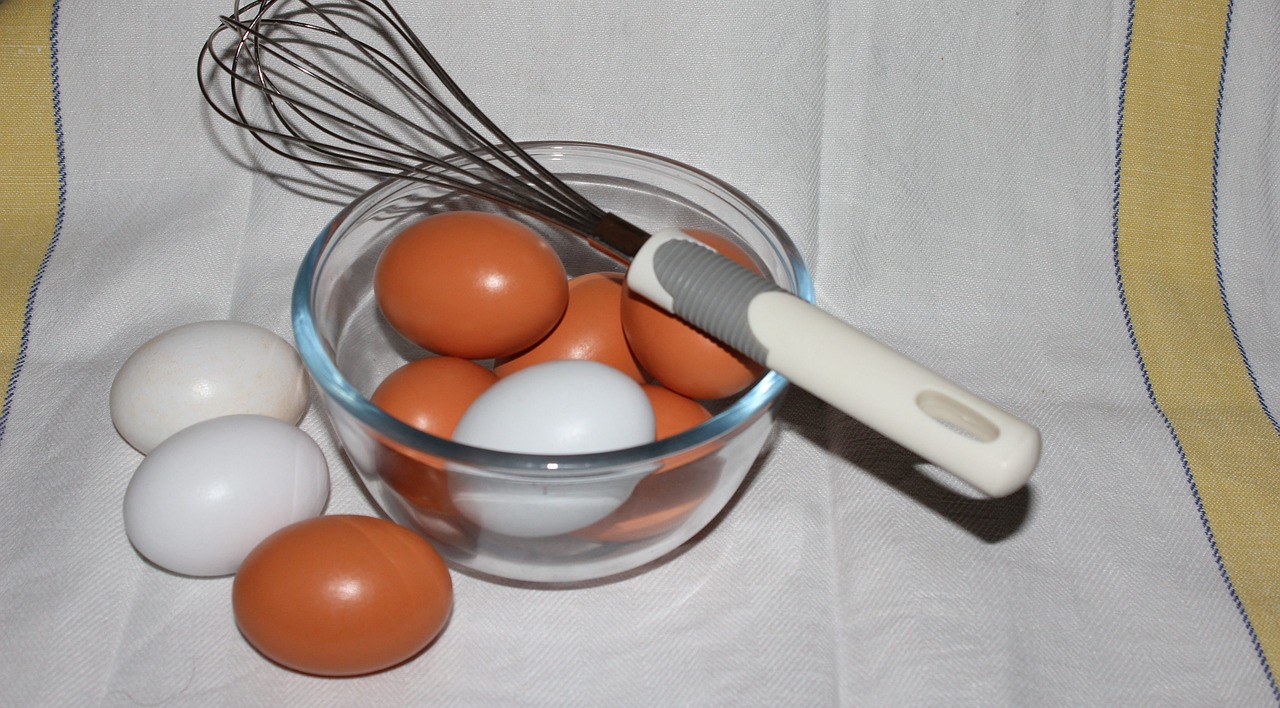
Many people think of binding as a small technical detail, but it is one of the main reasons eggs matter. In a batter, there are ingredients that naturally resist each other. Fat does not mix willingly with water, dry particles need hydration, and sugar changes how moisture behaves. Eggs help pull these competing elements together so the final product bakes evenly instead of separating into a disappointing mess.
The key player here is lecithin, a natural emulsifier found in egg yolks. Lecithin helps water-based and fat-based ingredients mix into a smoother, more stable batter. This matters in cakes, where butter or oil must be distributed evenly for a consistent crumb. It also matters in cheesecakes, custards, and brownies, where smoothness depends on ingredients staying unified under heat rather than curdling or splitting.
A good real-world example is mayonnaise, where yolk famously keeps oil and water in suspension. Baking is more complex, but the principle is similar. In cake batter, yolks help disperse fat more evenly so each bite feels tender instead of patchy. In cookies, eggs help combine butter, sugar, and flour into a dough that spreads with some control rather than melting into oily puddles or remaining dry and crumbly.
Without eggs, recipes often show signs of poor integration before they even enter the oven. The batter may look broken, grainy, or unusually thick. After baking, the crumb can be uneven, with dense streaks in one spot and fragile, dry sections in another. This is common in egg-free versions of traditional cakes where the baker swaps ingredients without adjusting ratios of liquid, fat, and starch.
Binding also affects slicing and handling. Think about a blondie that cuts into neat squares versus one that falls apart on the knife. Think about a muffin that peels cleanly from the liner rather than sticking in wet chunks. Eggs contribute to that cohesion. They help ingredients behave as one finished product, not as separate parts that happened to share a pan for 30 minutes.
Eggs Control Texture, Moisture, and Mouthfeel
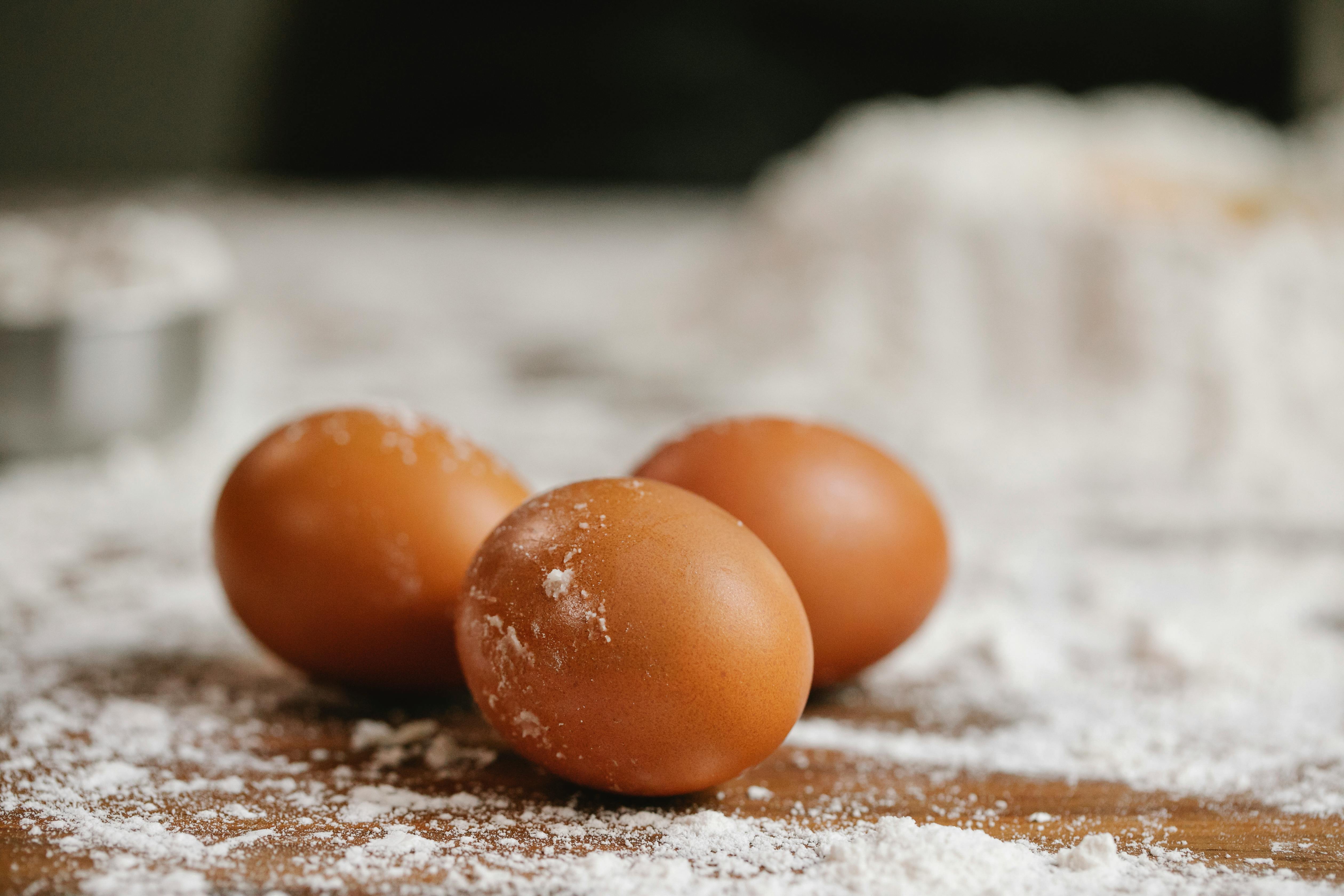
Texture is where eggs become impossible to ignore. They influence whether a baked good feels fluffy, fudgy, creamy, chewy, springy, or dry. This happens because eggs contain both water and fat, and because their proteins interact with flour, starch, and sugar in very specific ways during mixing and baking. The result is not just moisture content. It is the entire eating experience.
In cakes, eggs contribute to a fine, tender crumb while also preventing the texture from becoming weak. In cookies, they add chew and body. In brownies, they can determine whether the result is cakey or dense, depending on how many eggs are used and how much they are beaten. Professional bakers know that changing egg quantity by even one unit in a small-batch recipe can noticeably shift texture, sheen, and height.
The yolk is especially important for richness. It contains fat that softens the crumb and gives baked goods a fuller mouthfeel. This is one reason brioche, challah, and enriched doughs feel luxurious compared with lean breads made from flour, water, yeast, and salt alone. The white, by contrast, supports a cleaner, firmer texture. Together, they create balance, which is why whole eggs are often the default choice in mainstream baking.
Moisture retention is another major benefit. Eggs help baked goods stay pleasantly soft for longer because the proteins and fats support a stable interior structure. A loaf cake made with eggs often tastes better on day two than an egg-free version made without a well-designed replacement system. Commercial bakeries pay close attention to this because shelf life affects both quality and waste.
When eggs are absent, texture problems can go in different directions. Some products become dry and crumbly because there is less protein structure and less emulsified fat. Others turn gummy because the substitute adds moisture without adding enough setting power. This is why a banana-based cake may be moist but heavy, or a flax-based muffin may hold together yet lack the clean, springy crumb of the original. Egg-free baking can succeed, but the baker must intentionally rebuild texture, not just replace volume.
Eggs Help Baked Goods Rise, Brown, and Taste Complete
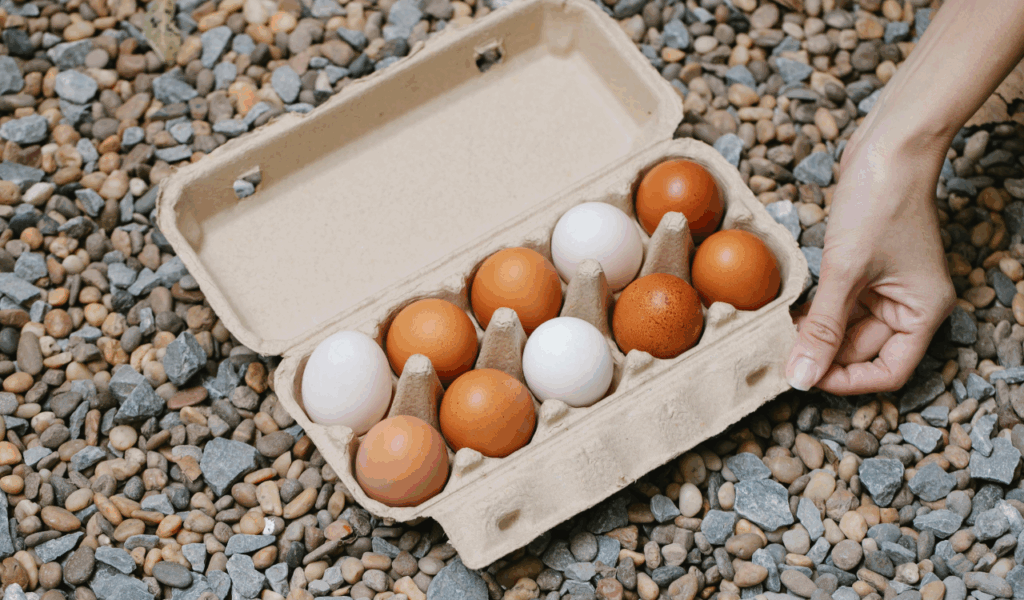
Eggs do not replace yeast or baking powder, but they play a major role in lift. When beaten, especially whites, they trap air that expands in the oven. This built-in aeration can dramatically improve volume in cakes, soufflés, meringues, and certain cookies. In recipes that use the creaming method, eggs also help preserve the tiny air pockets created when butter and sugar are beaten together.
Sponge cake is one of the clearest examples. Its rise depends heavily on eggs being whipped to incorporate air, then gently folded with flour so that foam is not lost. A well-made sponge feels light because eggs created and maintained the structure for expansion. Remove them, and the baker must recreate both the foam and the support system, which is difficult without changing the character of the dessert.
Eggs also drive browning and visual appeal. Their proteins and sugars participate in browning reactions that deepen crust color and add a more baked, aromatic flavor. That glossy finish on a pie crust or the golden top of a dinner roll often comes from an egg wash. Even inside a cake or cookie, eggs contribute to a warmer hue that people instinctively associate with richness and doneness.
Flavor is another quiet contribution. Eggs do not dominate most sweet recipes, but they round out taste and reduce the sense that flour and sugar are standing alone. Yolks bring a subtle richness that makes custards, pastry cream, and butter cakes taste complete. In savory baking, such as quiche, enriched buns, or cheese biscuits, eggs add depth that is easy to miss only when it is gone.
Without eggs, rise tends to be lower, browning can be paler, and flavor may feel flatter. Bakers often notice that an egg-free cake looks less golden and tastes less full even when sweetness is the same. That does not mean egg-free baking is inferior. It means eggs were contributing multiple invisible advantages at once, and replacing all of them requires more than one substitute ingredient.
What to Expect Without Eggs and How Bakers Compensate
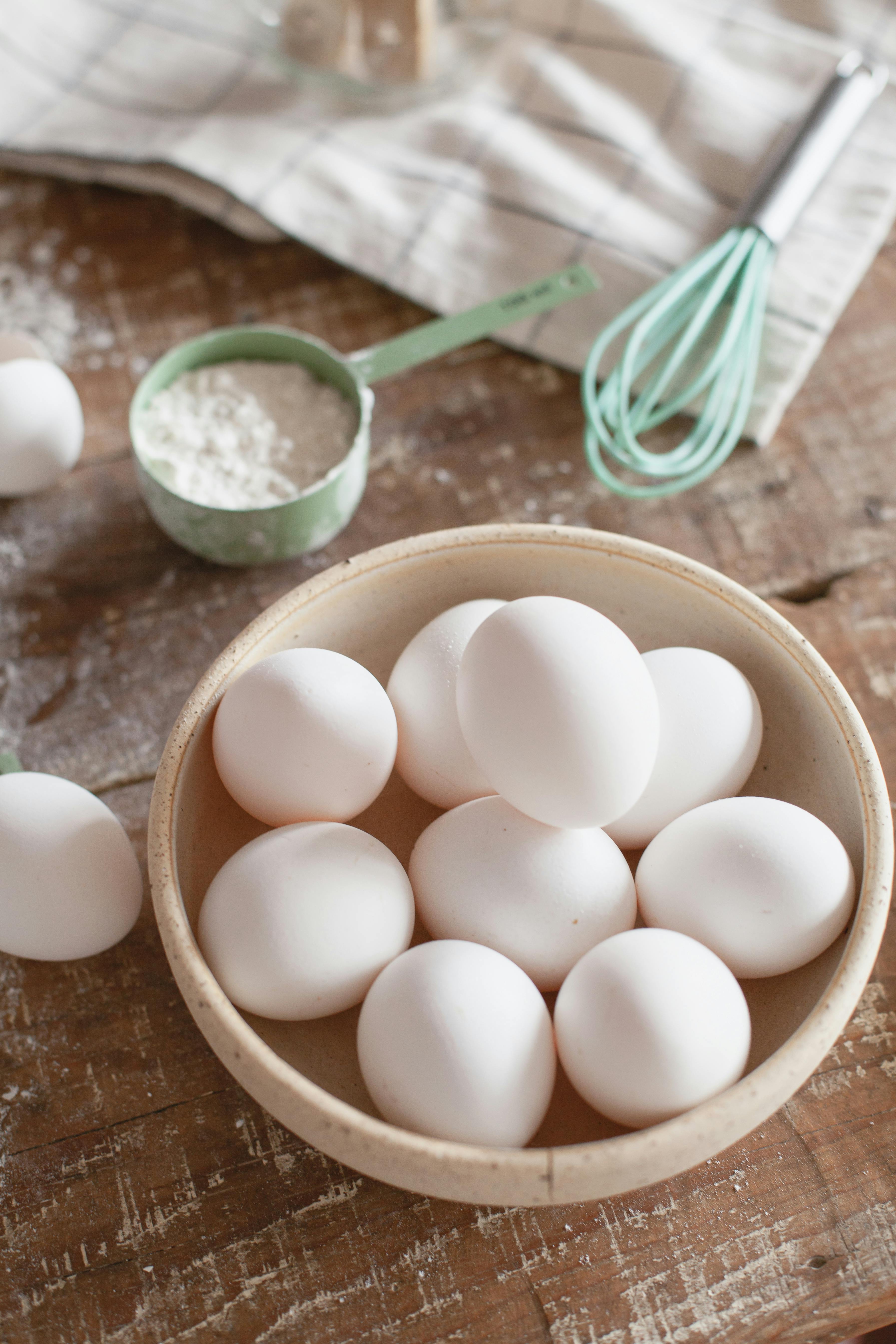
Removing eggs is not automatically a recipe for failure, but it does require strategy. The first question is what the egg was doing in that specific formula. Was it mainly binding cookie dough, adding lift to a sponge, enriching a brioche, or setting a custard? The answer determines the replacement. There is no universal substitute because eggs perform too many roles at once.
For binding, bakers often use flaxseed meal or chia seeds mixed with water. These create a gel that can help hold muffins, pancakes, and some cookies together. For moisture and tenderness, applesauce, mashed banana, pumpkin purée, or yogurt alternatives can work, though they usually alter flavor and density. For lift, aquafaba has become a notable option because it can whip in a way that mimics egg whites, especially in meringue-style applications.
Commercial egg replacers typically combine starches, leavening agents, and gums to imitate some egg functions with more consistency. They can be effective in standard cakes, cupcakes, and cookies, particularly when the recipe was developed specifically for them. Still, they rarely replicate every quality of a whole egg. A 2024 trend analysis in food manufacturing noted that even advanced plant-based formulations often require blends of proteins, fibers, emulsifiers, and hydrocolloids to approach egg performance in bakery applications.
Real-world results vary by product. Cookies are often the easiest to adapt because slight changes in chew and spread are acceptable. Muffins and snack cakes can also work well with fruit purées or flax mixtures. Custards, génoise, chiffon, and rich laminated doughs are much harder because eggs are central to their identity. In those cases, the best outcome usually comes from using a recipe built from the ground up to be egg-free rather than trying to patch a conventional one.
The main takeaway is practical. Eggs matter because they are multitaskers: they build structure, bind ingredients, shape texture, support rise, deepen color, and enrich flavor. When they are removed, every one of those jobs must be reassigned. Once bakers understand that, egg-free baking becomes far less mysterious and much more successful.