Some food trends arrive loudly. Others return in a casserole dish, a soup pot, or a pie plate and suddenly feel essential again.
Why old-school comfort food is returning now
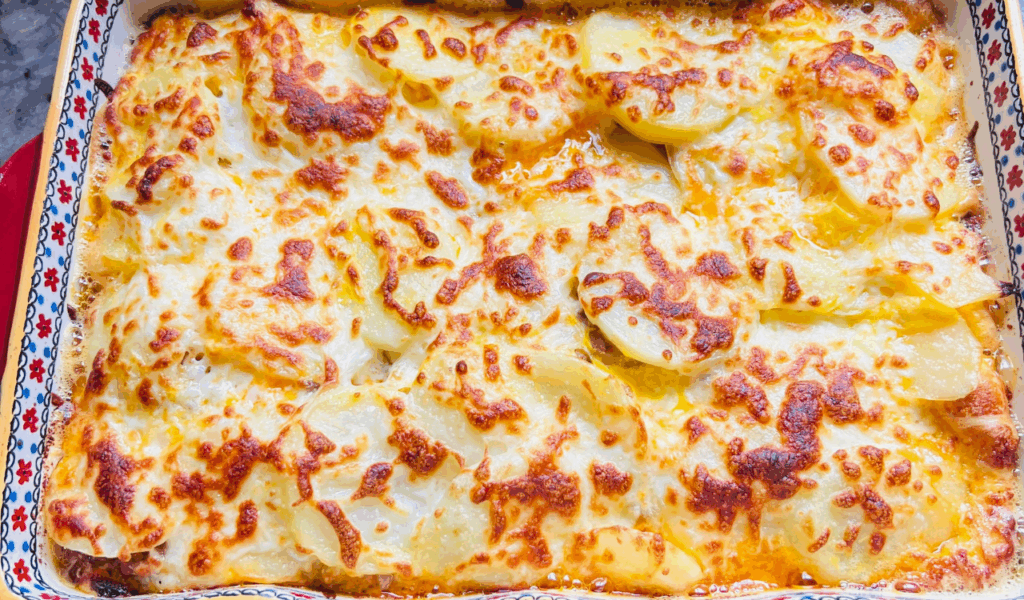
Canada's renewed appetite for classic comfort food is not just about nostalgia. It is also tied to affordability, seasonal eating, and a growing desire for meals that feel reliable in uncertain times. After years of expensive restaurant dining, grocery inflation, and fast-moving food fads, many households are returning to recipes built around pantry staples, economical cuts of meat, root vegetables, oats, flour, and dairy.
That shift is showing up across the country in both homes and restaurants. According to Statistics Canada, food prices rose sharply through recent years, pushing many consumers to rethink how they cook and shop. Dishes once dismissed as dated, such as meatloaf, split pea soup, scalloped potatoes, and rice pudding, are being re-evaluated as smart, satisfying meals that stretch ingredients without sacrificing flavor.
There is also a cultural factor at work. Younger Canadians are asking parents and grandparents for family recipes, while chefs are mining regional traditions for inspiration. In Quebec, Acadian communities, the Prairies, and Atlantic Canada, old recipes never disappeared completely. What has changed is the way they are now being valued, not as humble standbys alone, but as part of a broader interest in heritage, preservation, and food identity.
Social media has amplified the trend in a surprisingly practical way. Instead of only showcasing restaurant theatrics, many creators now share recipes for date squares, butter tarts, shepherd's pie, and homemade soups. These are dishes people can actually make on a weeknight, and that practicality helps explain why old-school comfort food is quietly becoming modern again.
The dishes Canadians are rediscovering
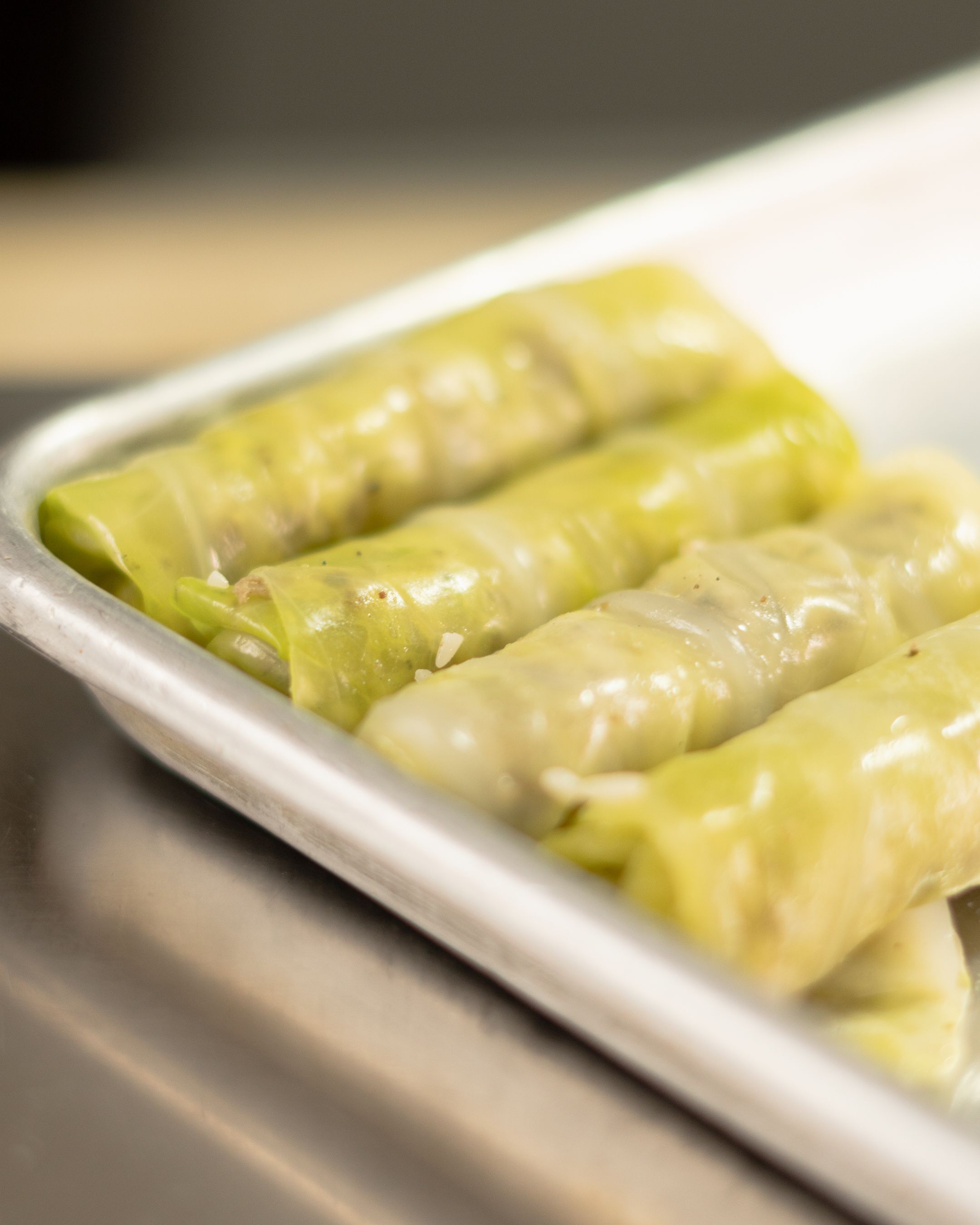
Some of the strongest comebacks are happening among dishes that were once routine on Canadian tables. Tourtière remains a holiday staple in many French Canadian homes, but it is increasingly appearing outside December menus as diners embrace savory pies with regional character. Similarly, chicken pot pie, cabbage rolls, and baked macaroni casseroles are showing up in bakeries, cafés, and meal delivery menus aimed at families and busy professionals.
Desserts are part of the story too. Tapioca pudding, bread pudding, lemon meringue pie, and stewed fruit over custard carry a specific kind of comfort that newer desserts often do not. They are less about novelty and more about familiarity, texture, and warmth. In many cases, they are also less expensive to make than trend-driven sweets that rely on specialty ingredients.
In Atlantic Canada, fish cakes, molasses-based desserts, and chowders remain powerful examples of how traditional food survives because it works. These dishes evolved from preservation needs, fishing economies, and cold weather, but they still fit modern habits. They can be prepared in batches, adapted to what is on hand, and served with little waste, all qualities that matter to cost-conscious cooks.
On the Prairies, cabbage soup, perogies, roast beef with gravy, and date-filled pastries continue to bridge immigrant histories and present-day dining. Many of these foods came from Ukrainian, Polish, British, and other settler traditions. Their endurance reflects more than sentiment. It reflects how deeply practical recipes become permanent when they feed families well, freeze well, and taste better the next day.
Restaurants and food makers are giving classics new life
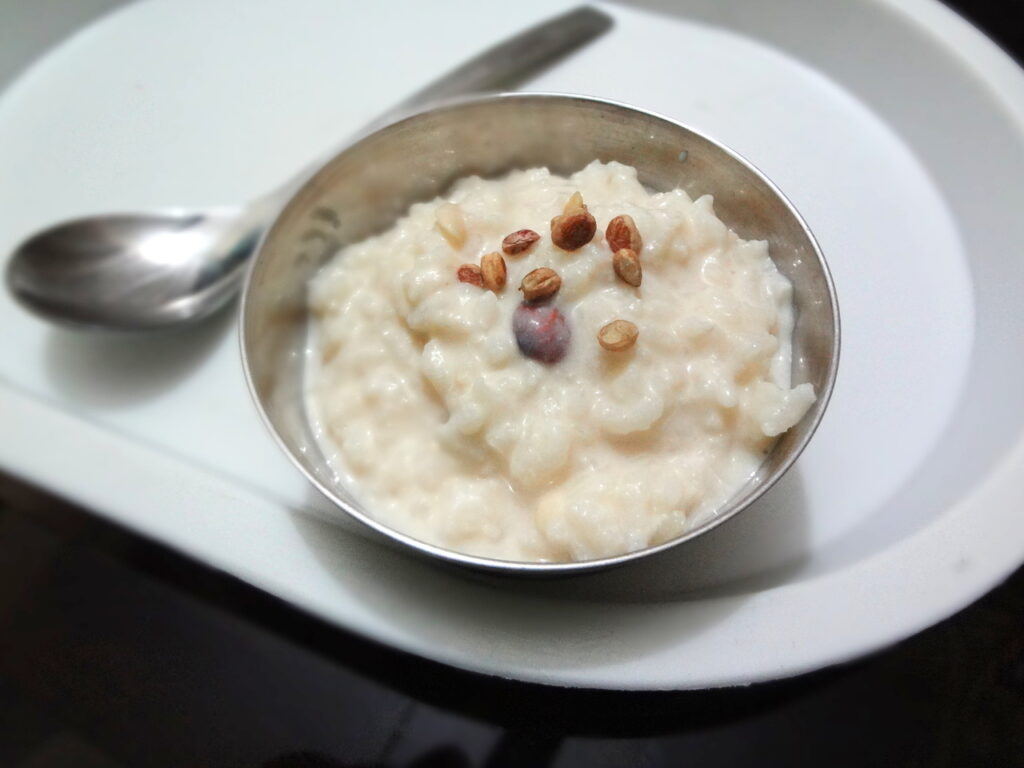
The revival is not limited to home kitchens. Across Canada, restaurants are reworking old-school favorites with better ingredients, sharper technique, and stronger storytelling. That might mean tourtière made with locally raised pork, rice pudding scented with cardamom, or meatloaf served with seasonal vegetables instead of cafeteria-style sides. The appeal lies in familiarity elevated by care, not in turning comfort food into something unrecognizable.
Bakeries and specialty producers are seeing similar interest. Butter tarts, sugar pies, raisin pies, and matrimonial bars are finding new audiences at farmers' markets and independent shops. Consumers often respond to these products because they feel rooted and specific. In an era of globalized menus, a well-made Nanaimo bar or a flaky prairie-style pie can stand out precisely because it carries place and memory.
There is also a business case for these foods. Comfort classics often rely on ingredients that kitchens already use widely, which helps operators manage costs. Slow braises, soups, baked pasta dishes, and savory pies can be prepared efficiently and sold across lunch, dinner, and take-home channels. For smaller restaurants dealing with labor and ingredient volatility, that flexibility matters.
Chefs have noticed that customers increasingly want food with a point of view, not just food that photographs well. A bowl of split pea soup tied to Quebec tradition or a plate of fish cakes linked to East Coast family cooking can offer that. These dishes tell diners something about Canadian life, migration, weather, and work, and that narrative gives old recipes renewed commercial strength.
Home cooks are driving the trend most of all

Even with restaurant momentum, the strongest force behind the comeback is still the home kitchen. Canadians are cooking more strategically, and old-school dishes support that shift. A pot roast becomes sandwiches, soup stock, and leftovers. A baked ham can stretch across several meals. Casseroles, stews, and puddings reward planning, reduce waste, and make it easier to feed several people without relying on expensive convenience foods.
Cookbook sales and library borrowing patterns have also reflected renewed interest in basics, heritage cooking, and regional recipes. Community cookbooks, church recipe collections, and family binders are being reopened for practical reasons as much as emotional ones. Many old recipes were written for real households with limited budgets, cold winters, and the need to make every ingredient count, which gives them surprising relevance now.
Another reason these foods resonate is that they slow the meal down. A pie crust, a soup simmer, or a pudding on the stove asks for time and attention in a way takeout never does. For many families, especially after years shaped by digital overload and irregular routines, that process has value of its own. Cooking becomes less performative and more grounding.
You can see this clearly in the renewed popularity of Sunday roasts, homemade soups, and simple desserts served after dinner rather than bought as treats on the go. These foods create rhythm. They mark weekends, holidays, and ordinary evenings in a way that newer trends often struggle to replicate.
What this revival says about Canadian food culture
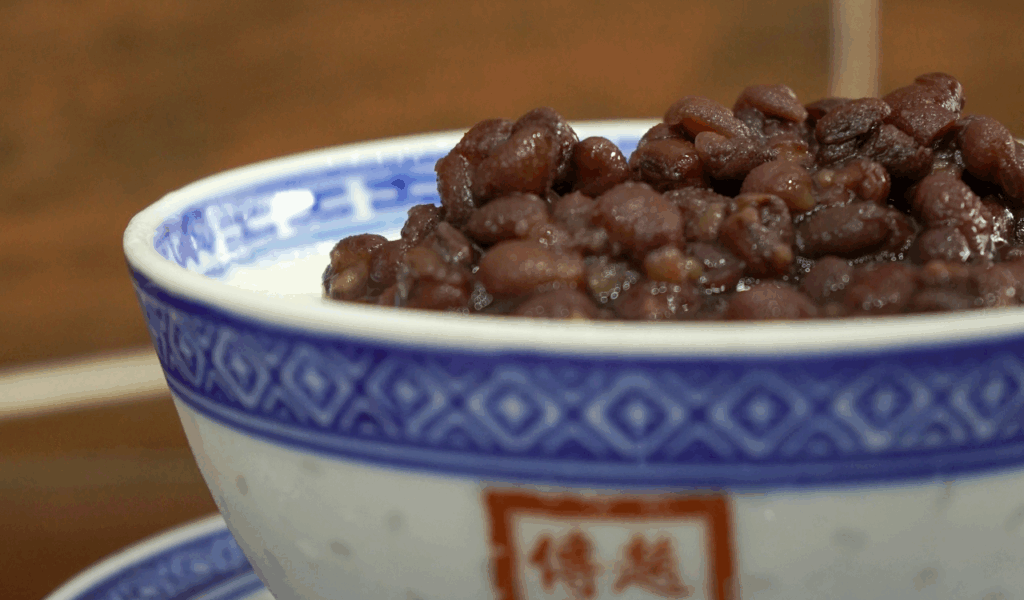
The return of old-school comfort food reveals something important about how Canadian tastes are changing. After a long period dominated by novelty, fusion, and social media aesthetics, many diners now want food that feels anchored. That does not mean rejecting innovation. It means valuing dishes that have survived for generations because they answered real needs, from climate and geography to family economics and regional identity.
This shift also broadens the definition of what counts as distinctly Canadian food. It is not only restaurant inventions or iconic snacks. It includes cottage pudding, creamed salmon on toast, pea soup, tourtière, perogies, baked beans, and fruit crisps that have shaped daily life across regions. The country's food story has always lived as much in practical home cooking as in polished culinary showcases.
There is room for evolution within that tradition. Many cooks now lighten recipes, reduce sugar, add more vegetables, or adapt dishes for modern dietary needs. But the core appeal remains the same: warmth, thrift, continuity, and flavor. These foods endure because they offer more than calories. They offer familiarity at a time when familiarity has new value.
So while the comeback may seem quiet, it is not minor. It signals that Canadians are re-centering meals around comfort, memory, and usefulness. In doing so, they are preserving a rich archive of everyday cooking that still makes sense on today's table.