Fresh coffee is fragile. The way you store it can make the difference between a vibrant, sweet cup and one that tastes flat just days after opening.
Why coffee goes stale faster than most people expect
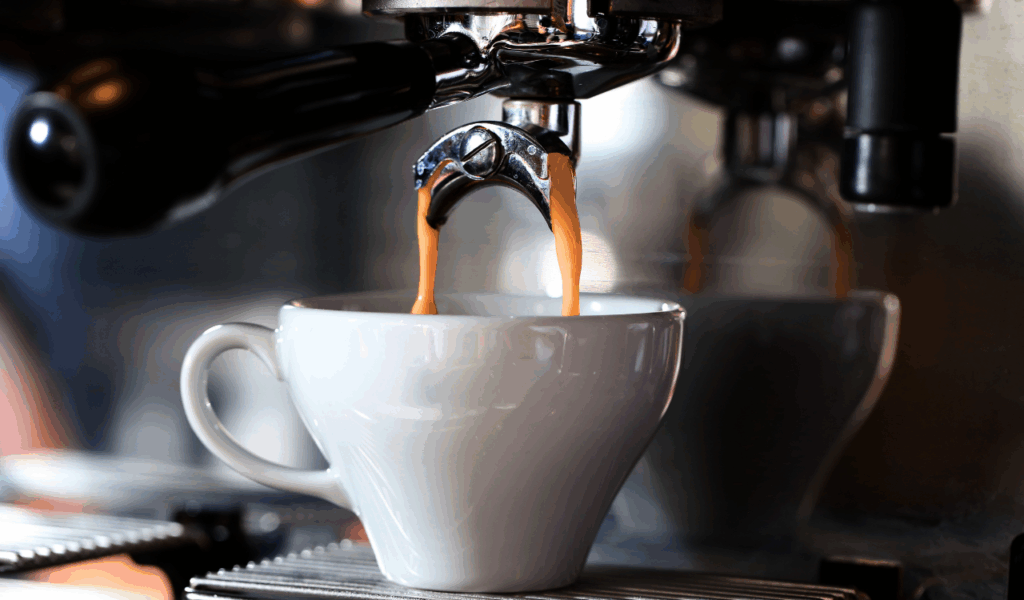
Baristas treat coffee as a fresh ingredient, not a pantry item that can be forgotten on a shelf for months. Once coffee is roasted, it begins to change immediately. Aromatic compounds start escaping, oils begin reacting with oxygen, and the flavors that make a coffee taste fruity, chocolatey, nutty, or floral slowly fade. That is why a bag that smelled incredible when first opened can seem muted surprisingly quickly.
The main enemies of stored coffee are oxygen, light, heat, and moisture. Oxygen is usually the biggest problem because it drives oxidation, which strips away delicate aromas and produces dull, cardboard-like notes over time. Light speeds up aging, especially when beans are kept in clear jars on a counter. Heat accelerates chemical changes, and moisture can damage both whole beans and ground coffee while also creating conditions that are simply bad for food storage in general.
Ground coffee stales much faster than whole beans because grinding dramatically increases surface area. More exposed surface means more oxygen contact, faster aroma loss, and less time before the coffee tastes noticeably weaker. This is why baristas almost always recommend buying whole beans and grinding only what you need right before brewing. According to guidance shared by Barista-Essentials in 2025, opened whole beans are generally best within about 3 to 5 weeks, while opened ground coffee may taste past its prime in around 2 weeks.
Professional baristas also look at roast style when judging freshness. Lighter roasts often hold onto their structure a bit longer, while darker roasts can seem to fade faster because their surface oils and roast-driven flavors are more exposed. That does not mean dark coffee cannot be stored well. It means careful storage matters even more. When people say their coffee "went bad," what they usually mean is not spoilage in the strict sense, but flavor loss, aroma loss, and a noticeably less satisfying cup.
The storage setup baristas trust most at home
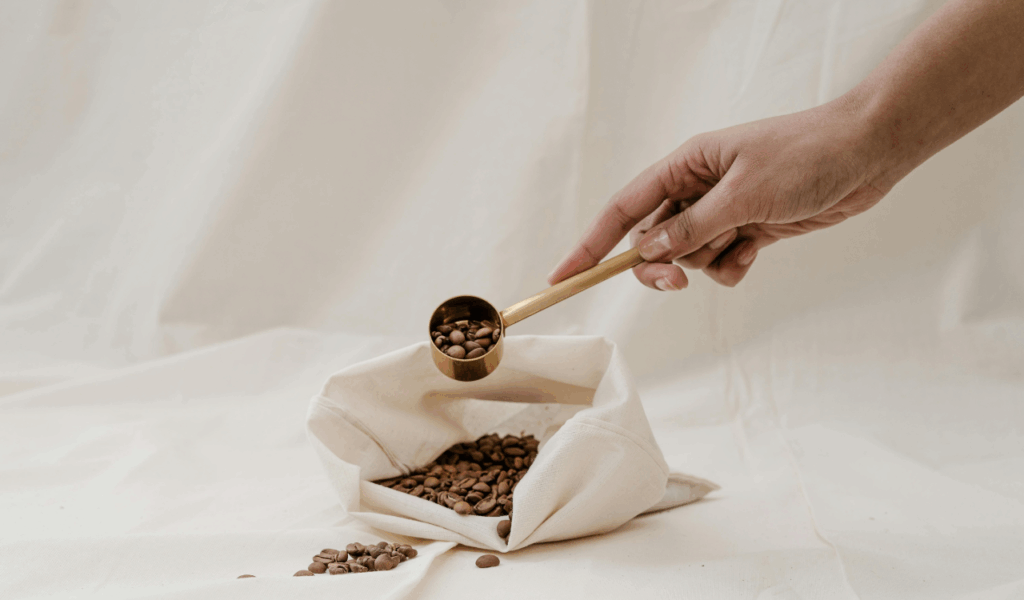
Ask experienced baristas how they store coffee, and the answer is usually simple: keep whole beans in an airtight, opaque container placed in a cool, dark spot. The best setup limits oxygen exposure and shields the coffee from light without forcing you into complicated rituals. In practical terms, that often means transferring beans from an opened bag into a dedicated canister and storing it in a cupboard away from the oven, dishwasher, or sunny windowsill.
Many baristas especially like vacuum canisters because they actively remove much of the air from the container. That reduction in oxygen slows staling and helps preserve aroma longer than loosely closed bags or decorative jars. Barista-Essentials recommends vacuum storage for exactly this reason. It is one of the few storage upgrades that can make a meaningful difference without changing anything about the coffee itself. If you drink coffee regularly but not very quickly, a vacuum canister is often worth it.
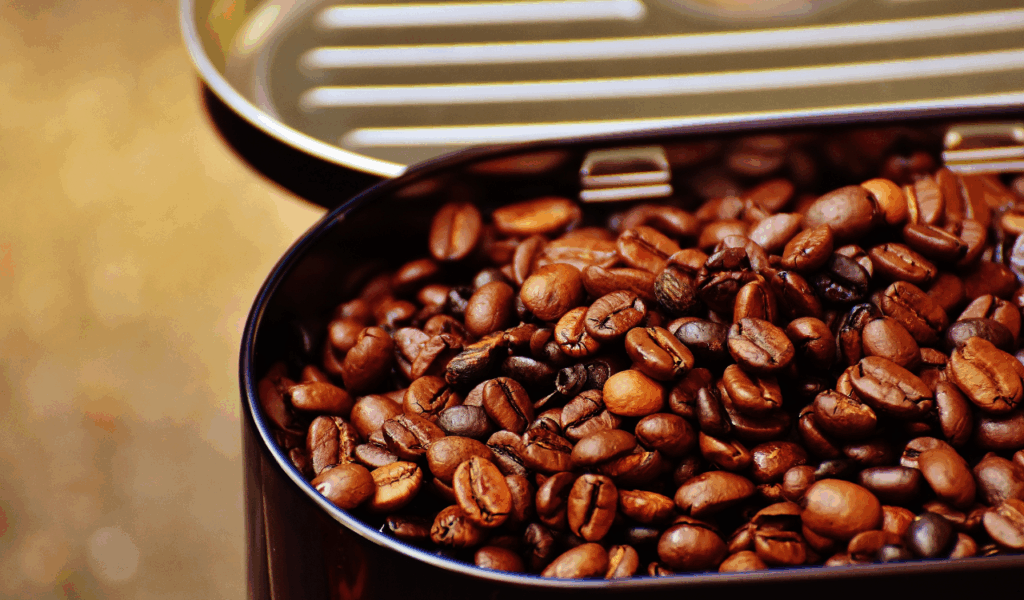
That said, not every airtight container is equally helpful. Clear glass looks attractive, but unless it stays inside a dark cabinet, it leaves beans exposed to light. Containers should also seal well enough to resist air exchange each time the kitchen temperature shifts. Stainless steel and opaque food-safe canisters are popular because they are durable, protective, and easy to clean. A one-way valve bag from a quality roaster can also work well for short-term storage if you press excess air out before resealing it tightly.
Portioning can help, too. If you buy a larger amount of coffee, many baristas divide it into smaller containers so only one portion is opened repeatedly. This reduces how often the full supply is exposed to fresh oxygen. In cafés, inventory is managed to turn over quickly, which is one reason café coffee often tastes more vibrant. At home, mimicking that habit by buying modest quantities and opening one portion at a time is a smart, low-effort way to preserve quality.
Where people store coffee wrong and why it affects flavor
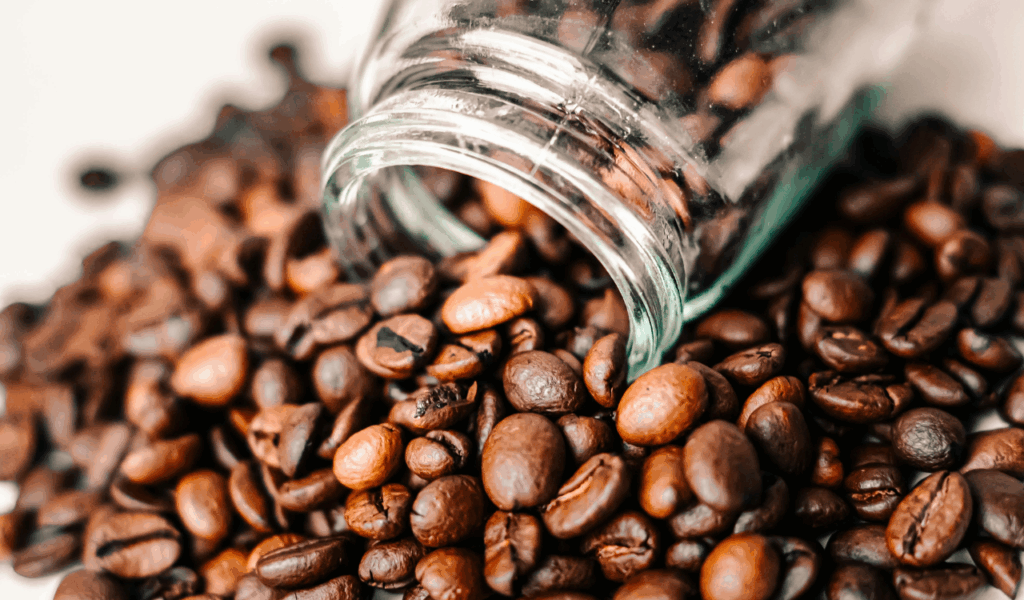
The most common storage mistakes are easy to understand because they look convenient. A glass jar beside the coffee maker, a bag left half-open with a clip, or beans kept above a warm appliance all seem harmless. Baristas know these habits add up quickly. Countertop storage exposes coffee to light, daily temperature swings, cooking heat, and repeated oxygen contact. Even a beautiful setup can work against flavor if it prioritizes appearance over protection.
One of the biggest myths is that the refrigerator is a good place for everyday coffee storage. Most baristas advise against it. Refrigerators are humid, full of odors, and opened constantly, which creates temperature fluctuations and condensation risk. Coffee is porous and can absorb surrounding smells surprisingly easily. Beans stored near onions, leftovers, or strongly scented foods can pick up off-aromas that end up in the cup. That is not the kind of complexity anyone wants from their morning brew.
Another mistake is buying pre-ground coffee for convenience and expecting it to stay vibrant for long. Ground coffee is useful when needed, but from a storage perspective it is at a disadvantage from the moment it is milled. In busy café service, coffee is often ground to order because the flavor difference is obvious in the cup, especially for espresso and filter methods that highlight aroma. At home, even an entry-level burr grinder can noticeably improve freshness compared with storing pre-ground coffee for days or weeks.
Heat is also underestimated. Coffee stored near a stove, toaster oven, radiator, or sunlit wall ages faster because warmth speeds up oxidation and aromatic breakdown. This is why baristas often recommend a cupboard rather than open shelving. A cool, stable environment matters more than many people realize. If your storage spot gets warm every afternoon or sits above a machine that gives off heat, it may be quietly shortening the life of your beans long before the bag appears empty.
When freezing helps, when it hurts, and how pros do it
Freezing coffee is one of the most debated storage topics, but baristas tend to agree on a useful middle ground. For daily-use coffee, freezing is usually unnecessary and often poorly done. For longer-term preservation, though, freezing can work very well if the coffee is protected from moisture, air, and repeated temperature changes. The key is to freeze intentionally, not casually toss an open bag into the freezer and scoop from it each morning.
The most effective approach is to divide coffee into small, airtight portions before freezing. Each portion should hold only what you expect to use within a short period once thawed. This prevents repeated thaw-and-refreeze cycles, which can invite condensation and accelerate damage. In competition settings and specialty coffee circles, carefully frozen beans are sometimes used to preserve peak character for longer. The method is respected, but only when the packaging and handling are disciplined.
Baristas who freeze coffee properly usually let the sealed portion come fully to room temperature before opening it. That step reduces the risk of condensation forming directly on cold beans. Water is a serious enemy of stored coffee, and even small amounts of surface moisture can affect grinding and flavor. If you open a frozen container too soon, humid room air can condense on the beans. That is exactly the problem professionals try to avoid.
For most households, the simplest advice is this: if you will finish the coffee within a few weeks, do not freeze it. Store it well in an airtight, opaque container in a cool, dark place and buy smaller amounts more often. If you buy in bulk or receive several bags at once, freezing unopened or carefully portioned coffee can be a smart backup strategy. The freezer is not the best first choice for everyday storage, but it can be a valuable tool when freshness would otherwise be lost before the coffee is even used.
A practical barista routine for keeping coffee fresh every day
The best coffee storage routine is not the most complicated one. It is the one you can repeat consistently. Baristas generally recommend buying only as much coffee as you can enjoy while it still tastes lively. For many households, that means enough for 2 to 4 weeks rather than a giant bargain bag meant to last all season. Coffee is an agricultural product with a freshness window, and smaller, more frequent purchases usually produce better cups.
A simple routine starts with checking the roast date rather than relying only on a best-before label. Freshly roasted coffee often tastes best after a short rest, especially for espresso, but it should still be consumed within a reasonable window. A 2025 storage guide from Barista-Essentials notes that sealed beans may hold up for around 6 months, yet once opened they are usually best within 3 to 5 weeks. That timeline aligns with what many baristas observe in daily use: flavor does not disappear overnight, but it does decline steadily.
Next, keep the beans whole, transfer them to a good canister, and grind only what you need for each brew. Store that canister in a cabinet, not on display by a bright window or hot machine. Clean the container between bags so old oils do not build up and contaminate new coffee. If you buy more than you can use quickly, split the coffee into smaller portions and freeze the extras only if necessary. This creates a routine that is easy to manage without turning storage into a chore.
Finally, trust your senses. If the beans smell muted, grind inconsistently, or brew into coffee that tastes flat and hollow compared with the first few cups, storage may be the issue even if the bag is not technically old. Baristas pay close attention to these signs because freshness is part of quality control. For home drinkers, the takeaway is refreshingly straightforward: protect coffee from air, light, heat, and moisture, and you will preserve far more of what you paid for in the first place.