The modern grocery trip is no longer just about filling a cart. It has become a small but important exercise in budgeting, nutrition, convenience, and decision-making.
A smarter basket starts with a plan, not a promotion
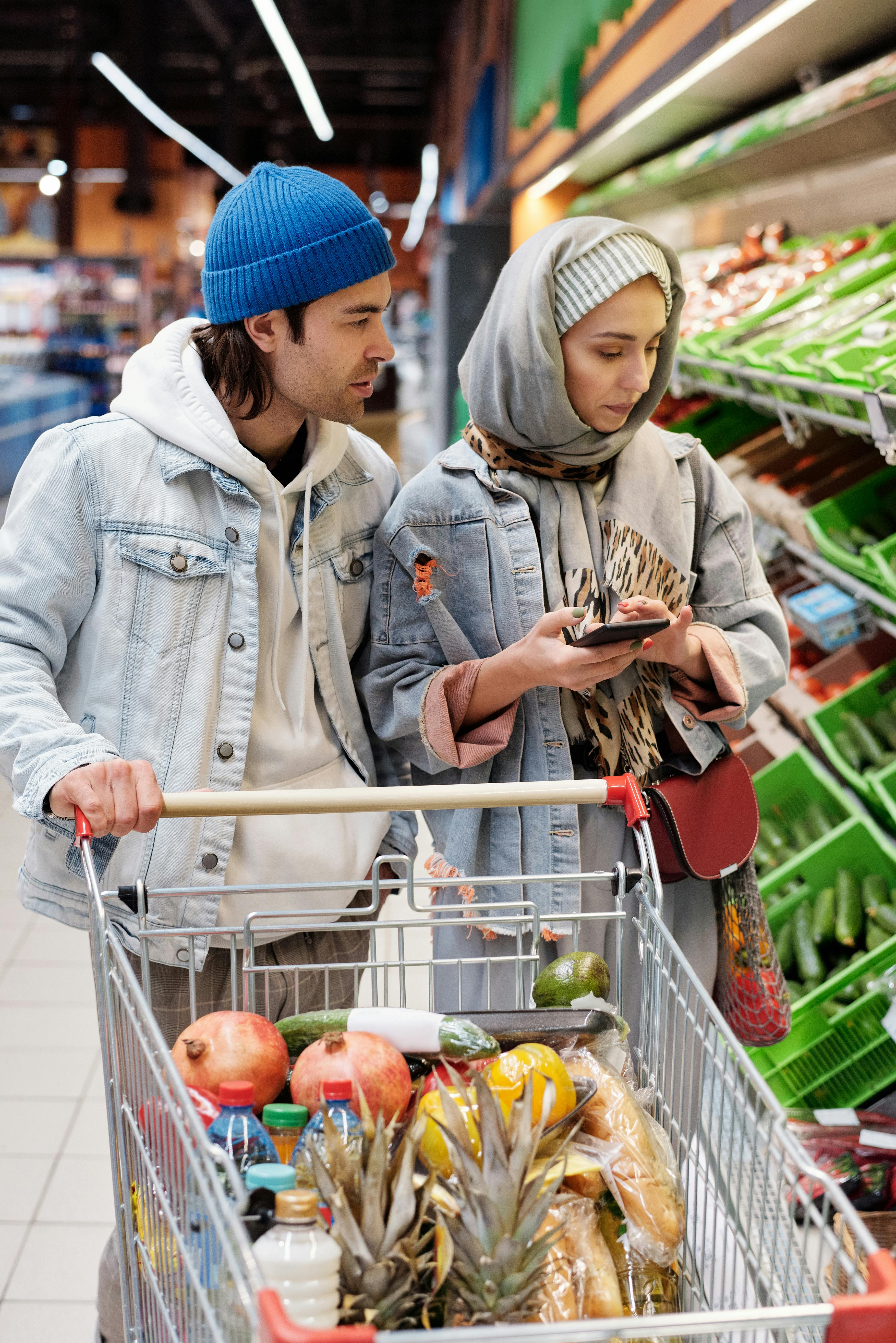
The smartest grocery baskets today are built before shoppers even enter a store. That shift matters because food prices remain elevated compared with pre-pandemic norms, even as inflation has cooled from its peak. In practice, that means households are paying closer attention to unit prices, weekly meal plans, and what they already have at home. A smarter basket begins with checking the pantry, freezer, and fridge first, then building meals around what is already on hand.
This approach sounds basic, but it reflects a real consumer reset. Retail analysts have noted that shoppers are increasingly willing to split purchases across discount chains, warehouse clubs, traditional supermarkets, and online platforms to get the best mix of price and convenience. The old habit of doing one large, loyalty-driven weekly shop is giving way to more tactical buying. People are making smaller, more intentional trips, often reserving full-price supermarkets for produce, fresh proteins, or specialty items while buying staples elsewhere.
Planning also changes what lands in the basket. Instead of shopping from appetite alone, shoppers are prioritizing ingredients that can do multiple jobs across the week. A rotisserie chicken becomes dinner one night, sandwich filling the next day, and soup or tacos after that. A bag of spinach works in eggs, salads, pasta, and smoothies. Greek yogurt functions as breakfast, snack, marinade base, and sour cream substitute. The smartest baskets reward versatility because versatility protects both budget and time.
Technology is reinforcing this planning mindset. Retail apps now make it easier to compare prices, clip digital coupons, track spending, and organize lists by aisle. Smart carts and scan-as-you-shop systems are adding another layer by showing a running total and surfacing store deals in real time. According to reporting on retailers adopting AI-powered carts and shelf technology, the grocery store is increasingly designed to help shoppers make faster and more informed choices. A smarter basket, then, is not accidental. It is assembled with intent, using planning as the first money-saving tool.
Fresh food still matters, but the smartest baskets buy it more selectively

Fresh food remains central to how people define a good grocery shop, yet a smarter basket is more selective about how much fresh food it can realistically use. One of the biggest reasons households waste money is overestimating how many fruits, vegetables, herbs, dairy items, and prepared foods they will consume before quality declines. The smarter basket does not avoid fresh ingredients. It matches them to an actual schedule.
That often means buying a mix of highly perishable, moderately durable, and long-lasting produce. Berries, salad greens, and fresh herbs may be purchased in smaller amounts for early-week meals. Bell peppers, cucumbers, broccoli, and citrus can cover the middle of the week. Carrots, cabbage, onions, potatoes, and apples can stretch further. Frozen fruit and vegetables are also playing a larger role because they deliver convenience, nutritional value, and lower spoilage risk. For many households, a smarter basket pairs fresh produce with frozen backups rather than treating frozen food as a compromise.
The same thinking applies to proteins and dairy. Instead of buying large quantities of fresh meat that must be cooked quickly, shoppers are mixing in eggs, canned fish, beans, lentils, tofu, and frozen seafood. This improves flexibility and often lowers cost per serving. Dairy choices are becoming more strategic as well. Shoppers may choose one highly versatile product, such as plain yogurt, rather than multiple single-use items. Cheese may be bought in block form instead of pre-shredded for a better price and longer shelf life.
Retailers are responding to this more selective pattern. Technologies such as electronic shelf labels, cloud-based inventory systems, and shelf-scanning robots are being introduced to improve stock accuracy, fresh food availability, and pricing consistency. Wakefern's expansion of Simbe Robotics' Tally system and The Fresh Market's work with Vusion technology reflect a wider push to reduce out-of-stocks and food waste. For shoppers, that matters because a smarter basket depends on confidence. If stores can keep fresh items available, correctly priced, and in better condition, customers can buy more precisely and waste less at home.
Convenience foods are staying in the basket, but the definition of convenience has changed

Convenience used to mean heavily processed, heat-and-eat meals with little thought beyond speed. Today, a smarter basket still values convenience, but it looks for a better trade-off between time, nutrition, and cost. That is why many shoppers are reaching for pre-washed greens, chopped vegetables, marinated proteins, bagged grains, and ready-to-cook meal components instead of relying only on frozen dinners or takeout. The goal is not to cook everything from scratch. It is to reduce friction without giving up control.
This is one of the clearest changes in grocery behavior right now. Households are balancing packed schedules, return-to-office routines, school calendars, and rising restaurant prices. In that environment, the winning products are those that shorten prep time while still feeling like real ingredients. A simmer sauce paired with chicken and frozen vegetables can produce a meal in 20 minutes. Microwavable brown rice, canned beans, salsa, and avocado can become a fast grain bowl. Convenience now means modular cooking, where several semi-prepared items work together.
The smarter basket also recognizes when convenience is worth paying for and when it is not. Pre-cut fruit may make sense for a lunchbox-heavy week, but not for every trip. Single-serve snacks can help with portioning and portability, yet large-format staples are usually cheaper when households have time to portion them at home. In other words, convenience is being evaluated more carefully. Smart shopping is less about rejecting premium convenience outright and more about using it where it prevents more expensive outcomes, such as food waste or last-minute takeout.
Stores are increasingly built around this reality. Better deli sections, expanded grab-and-go offerings, and improved prepared meals are now part of competitive strategy. At the same time, technology such as AI-powered smart carts can recommend products based on what is already in the cart, helping shoppers complete a meal rather than just buy isolated items. Instacart's Caper Carts, for example, combine item recognition, spending visibility, and personalized suggestions. That points to a broader truth: a smarter basket is not anti-convenience. It simply expects convenience to be more useful, more transparent, and less wasteful.
Value is no longer just about the cheapest item on the shelf
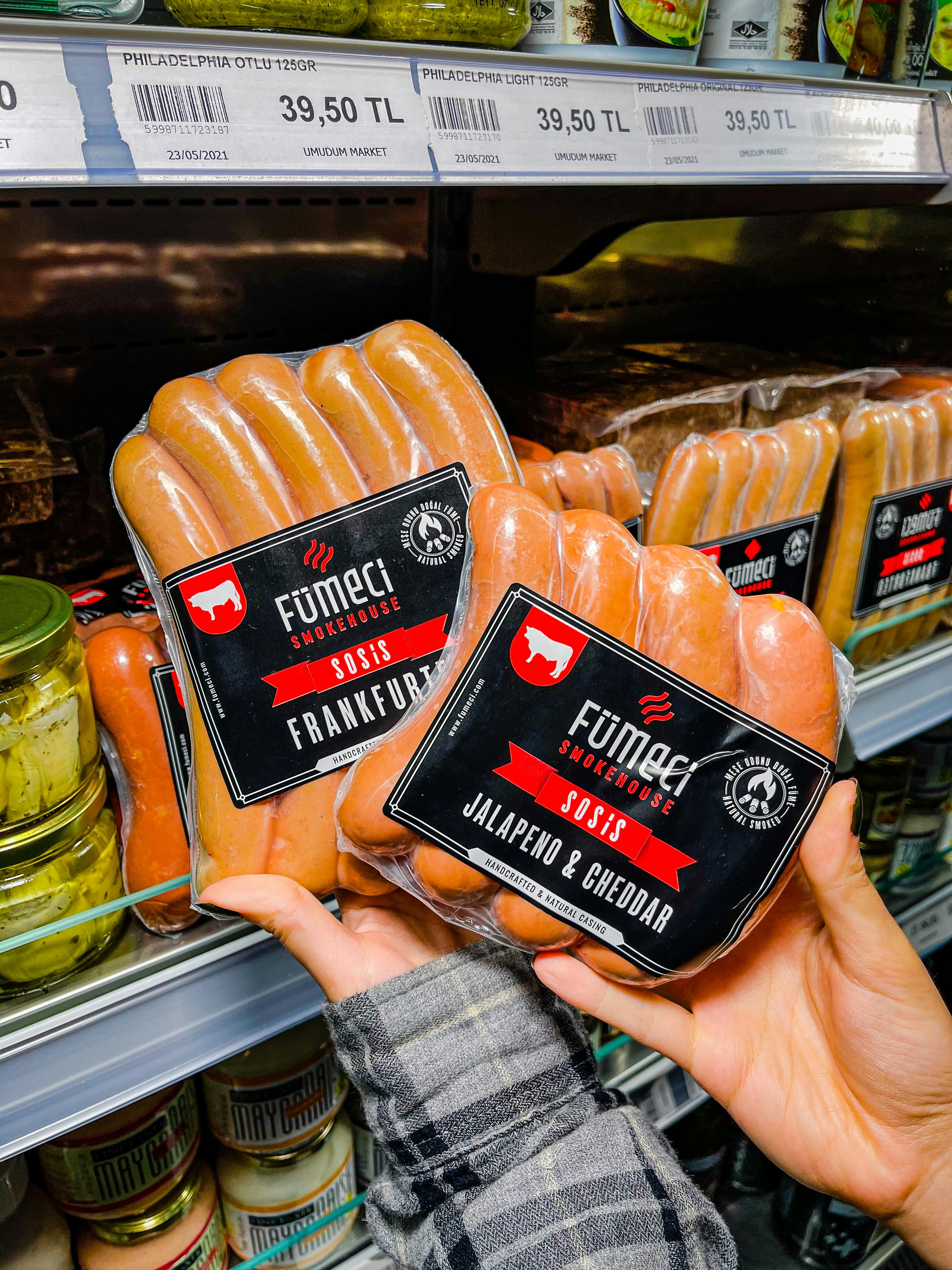
A smarter grocery basket is value-driven, but value now means more than buying the lowest sticker price. Shoppers are weighing price against nutrition, shelf life, household preferences, and how likely an item is to be used fully. The cheapest item can become the most expensive if it spoils, disappoints, or leads to additional purchases later. This is why unit pricing, store brands, and quality perception all matter more than they once did.
Private label products are a major part of this smarter value equation. Across categories such as pasta, canned goods, dairy, snacks, and frozen vegetables, store brands have improved significantly in quality while preserving a price advantage. For many shoppers, choosing private label on basics creates room in the budget for splurges on coffee, seafood, specialty produce, or a favorite dessert. The smart basket is rarely all premium or all budget. It is mixed deliberately, with savings on less emotional purchases funding better choices where taste or quality matters most.
Another sign of smarter value shopping is the move toward ingredient-based comparisons. Consumers are checking sodium, added sugar, protein, and fiber more often, especially in categories marketed as healthy. A lower-priced cereal may not be a better value if it delivers little satiety and leads to more snacking. A more expensive loaf of whole-grain bread may be justified if it stays fresh longer and supports several meals. The basket becomes smarter when shoppers connect price to usefulness rather than treating every product as equal.
Retail technology is making this value hunt more dynamic. Electronic shelf labels can help stores change prices faster and keep promotions accurate, while digital loyalty platforms increasingly tailor offers to individual buying habits. Smart carts can show spend as it happens, reducing checkout surprises. Frictionless systems may also shorten shopping time, which is its own kind of value. When shoppers can see their total, compare options quickly, and trust that shelf pricing is accurate, they make better trade-offs. The smartest basket reflects this shift from bargain hunting to decision quality. It asks not just what costs less, but what works better.
Health is becoming more practical and less performative

For many households, a smarter basket is healthier than it was a few years ago, but not because shoppers are chasing perfection. The current trend is practical health: more protein, more fiber, better fats, and more consistent meal structure rather than extreme restriction. People still buy treats, convenience foods, and indulgences, but those items now sit alongside more intentional staples that support everyday well-being. This is a quieter, more sustainable version of healthy shopping.
Protein is one of the strongest organizing themes in today's baskets. Greek yogurt, cottage cheese, eggs, canned tuna, rotisserie chicken, edamame, and high-protein milk products are showing up more often because they fit breakfast, lunch, snacks, and post-workout routines. Fiber is rising in importance too, with consumers paying more attention to beans, oats, berries, whole grains, nuts, and seeds. These are not niche products. They are mainstream tools for appetite control, blood sugar management, and more satisfying meals.
What is notable is how health now overlaps with convenience and budget. A smarter basket does not assume wellness has to be expensive. Frozen vegetables, canned beans, peanut butter, plain yogurt, and brown rice remain among the most cost-effective foods in the store. Even when shoppers buy premium health items, they are increasingly choosing products with a clear purpose rather than responding to vague marketing language. Functional claims still sell, but consumers are more skeptical of halo effects and more likely to scan labels for actual substance.
Stores themselves are leaning into this broader health role. Some grocery chains are redesigning locations to serve as community-centered spaces with nutrition education, wellness programming, and health-related services. Giant Food's Healthy Living Center in Washington, D.C., is one example of a supermarket extending beyond transactions into public health engagement. That matters because the smarter basket is not only about individual discipline. It is also shaped by the retail environment. When stores make healthy options visible, affordable, and easy to understand, better choices become more realistic for ordinary shoppers.
The smartest basket is connected to how groceries move, not just how they are bought
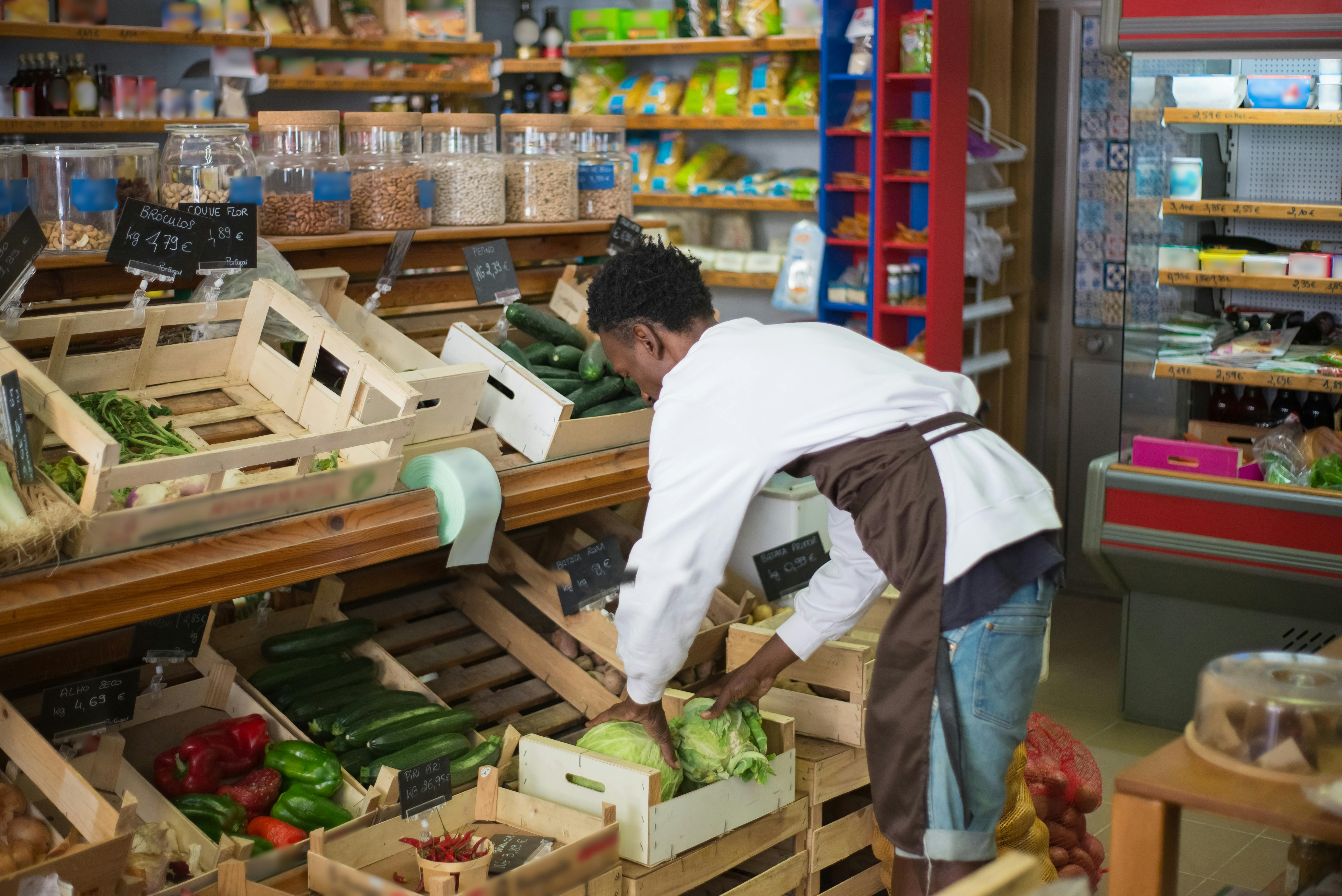
A truly smarter grocery basket reflects a major change that many shoppers barely see: the transformation of grocery fulfillment. Online ordering, curbside pickup, same-day delivery, and hybrid shopping habits are now shaping what people buy and how stores operate. The basket is no longer built only in an aisle. It is often assembled through an app, completed by a picker, and delivered from a backroom staging area or an automated facility. That changes product selection, substitution patterns, and expectations around availability.
Retailers are investing heavily in this side of the business because demand for online grocery remains structurally higher than it was before 2020. To keep pace, many chains are turning sections of stores into micro-fulfillment zones and expanding automated storage and retrieval systems. Kroger's ongoing work with Ocado Group is a prominent example, with technologies designed to improve picking speed, labor productivity, and delivery efficiency across customer fulfillment centers. Walmart and other large retailers have made similar bets on automation. For consumers, the effect is subtle but important: a smarter basket increasingly depends on whether the system can fill it accurately and quickly.
This has consequences for shopping behavior. People are learning which items travel well, which substitutions are acceptable, and which purchases are still better made in person. Bananas, avocados, fresh herbs, and bakery items may be preferred as in-store picks for some shoppers, while pantry staples, beverages, frozen foods, and household goods are ideal for online replenishment. The smartest basket often combines both modes, using delivery for routine restocks and physical trips for fresh, sensory decisions.
In the end, the smarter grocery basket right now is a hybrid creation. It is price-aware but not purely price-led, healthier without becoming rigid, convenient without becoming careless, and increasingly shaped by technology behind the scenes. It reflects a shopper who is trying to save time, waste less, eat better, and adapt to a retail system that is becoming more automated, personalized, and data-driven. The future of grocery shopping is already here, and it looks less like a perfect cart than a more thoughtful one.