
Some trends are easy to dismiss as gimmicks. This one is better understood as a mood.
The grocery aisle is starting to resemble the midway

What used to be reserved for one sticky week in late summer is now showing up year-round in ordinary retail. Canadian shoppers are seeing mini-donut cereals, caramel-apple sparkling drinks, funnel-cake coffee creamers, and popcorn-seasoning blends that echo fairground snacks. Major food companies have learned that novelty now works best when it feels familiar.
That mix matters. According to food industry trend reports from 2024 and 2025, consumers are still willing to experiment, but they are doing it cautiously. They are more likely to buy a new item if the flavor is anchored in something emotionally legible, such as cotton candy, corn dog batter, candy apple, or maple fudge. County fair branding delivers surprise without asking people to leave their comfort zone.
Nostalgia is not childish, it is a stress response

The deeper story is psychological. When people are under pressure, they tend to reach for products that signal safety, routine, and remembered pleasure. Researchers in consumer psychology have long found that nostalgic cues can reduce feelings of social disconnection and help people regulate stress, even if only briefly.
In Canada, that emotional backdrop is hard to ignore. Households have spent the past few years navigating inflation, elevated borrowing costs, housing strain, healthcare worries, and a general sense that daily life has become harder to predict. In that climate, county fair flavors function like edible reassurance. They recall childhood summers, simpler schedules, and communal rituals that feel more manageable than the present.
These flavors promise abundance at a time of restraint
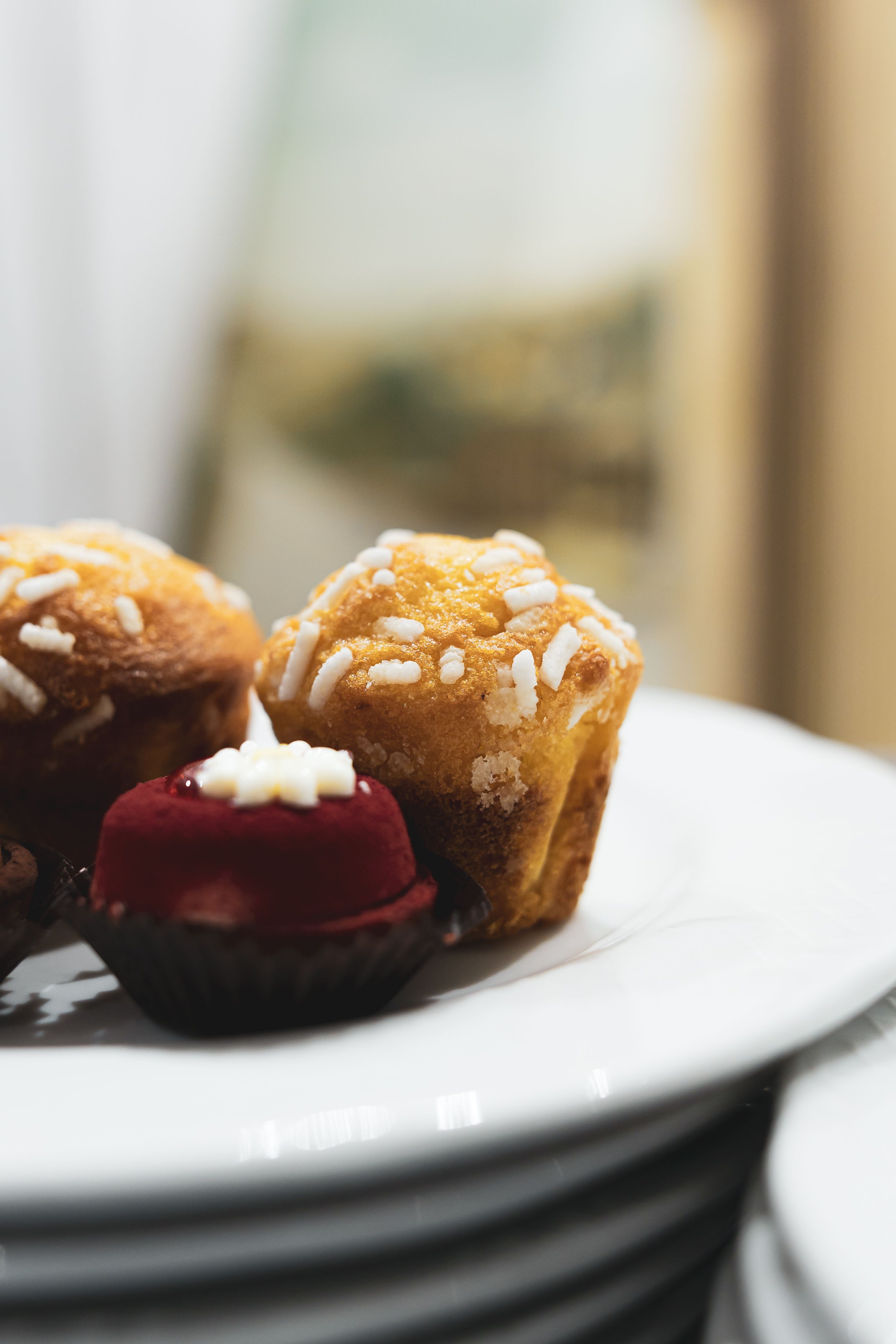
Fair food has always been theatrical. It is oversized, sugared, fried, brightly colored, and intentionally excessive. That image becomes especially powerful when consumers feel financially constrained, because it lets them buy a small symbol of indulgence without paying for a full outing.
This is why the trend is showing up in low-commitment formats. A bag of caramel-corn trail mix or a limited-edition churro yogurt offers the emotional idea of a treat for a few dollars. It is a compact luxury. For brands, that is an efficient answer to a market where people are cutting back on restaurant visits and big-ticket leisure spending but still want moments that feel rewarding.
Social media turned fairground nostalgia into a year-round identity

Another reason these flavors are spreading is that they are visually and narratively easy to market. County fair foods come preloaded with strong color, texture, and memory. A product that tastes like blue raspberry slush, toasted marshmallow, or lemon shake-up can be photographed, reviewed, and shared with almost no explanation.
That matters in a crowded digital marketplace. TikTok, Instagram, and short-form video platforms reward products that are instantly recognizable but slightly absurd. A pickle lemonade or deep-fried Oreo ice cream bar is not just a snack, it is content. Canadian brands and restaurant chains have noticed that these launches generate attention far beyond their actual shelf space, especially among younger consumers who treat taste as part of personal identity.
The Canadian version of the trend is especially revealing
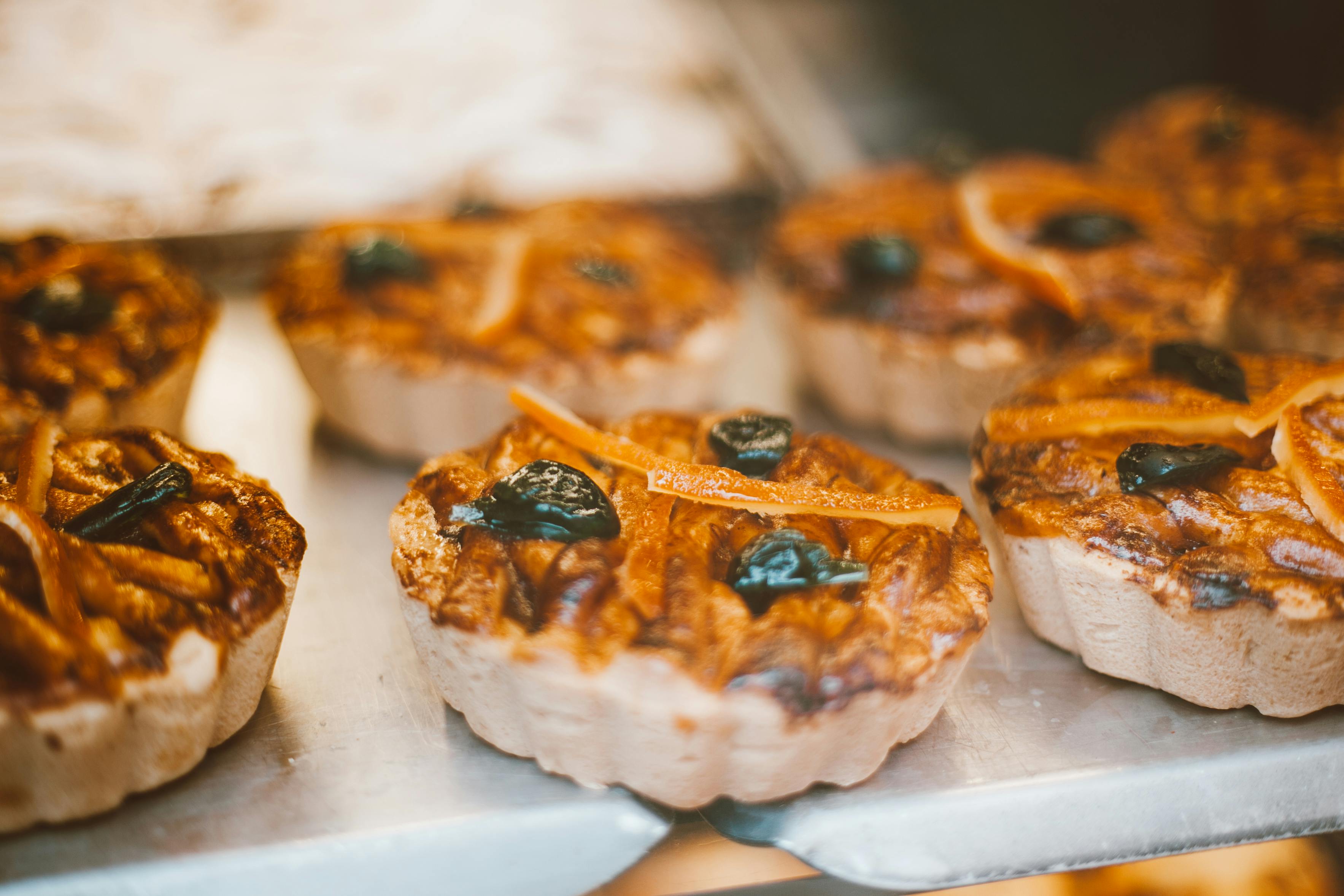
In the United States, fair flavors often lean bigger, louder, and more ironic. In Canada, the tone is a little different. The products still play with spectacle, but they are often softened by familiar references such as butter tarts, maple dip, cinnamon sugar, kettle corn, and apple fritter profiles that feel local rather than purely carnivalesque.
That difference says something important. Canadian consumers often express anxiety less through dramatic swings than through careful compensation. They look for manageable comforts, modest upgrades, and products that feel emotionally rich without seeming reckless. County fair flavors fit that pattern neatly. They offer escapism, but in a controlled, retail-friendly form that aligns with how Canadians tend to spend when confidence is fragile.
This is less about junk food than about emotional forecasting

Seen clearly, the county fair flavor boom is a signal about the national mood. It suggests that consumers want warmth, humor, and sensory distraction, but they want it in affordable, portable forms. They are not merely chasing sugar. They are trying to create tiny experiences of relief inside an overstretched everyday life.
Brands will keep leaning into this as long as the broader atmosphere remains unsettled. Expect more limited-time runs, more mashups, and more packaging built around memory. If economic confidence improves, the trend may soften. If anxiety stays sticky, fairground flavors will keep multiplying, because comfort sells best when it tastes like a happier version of home.




Leave a Reply