
Fresh food signals good intentions. But in Canadian kitchens, good intentions often spoil faster than expected.
Produce is tied to optimism, not just appetite

A trip through the produce aisle is rarely a purely rational exercise. Shoppers are not only buying tonight's salad or tomorrow's berries. They are often buying an ideal version of themselves: healthier, more organized, and more likely to cook at home this week than last week.
Behavioral researchers have long noted the gap between planned behavior and actual behavior. In practice, Canadians may buy spinach, avocados, herbs, and soft fruit because they picture meals they want to make, even when work schedules, school pickups, and fatigue make those meals unlikely. The purchase reflects aspiration as much as consumption.
That helps explain why produce waste remains high. Data from Canadian food waste research has consistently shown that households are a major source of avoidable waste, especially for perishable items. Produce is vulnerable because it is both virtuous and fragile: people feel good buying it, but it has the shortest window for real-life follow-through.
Grocery pricing encourages bigger purchases than households need
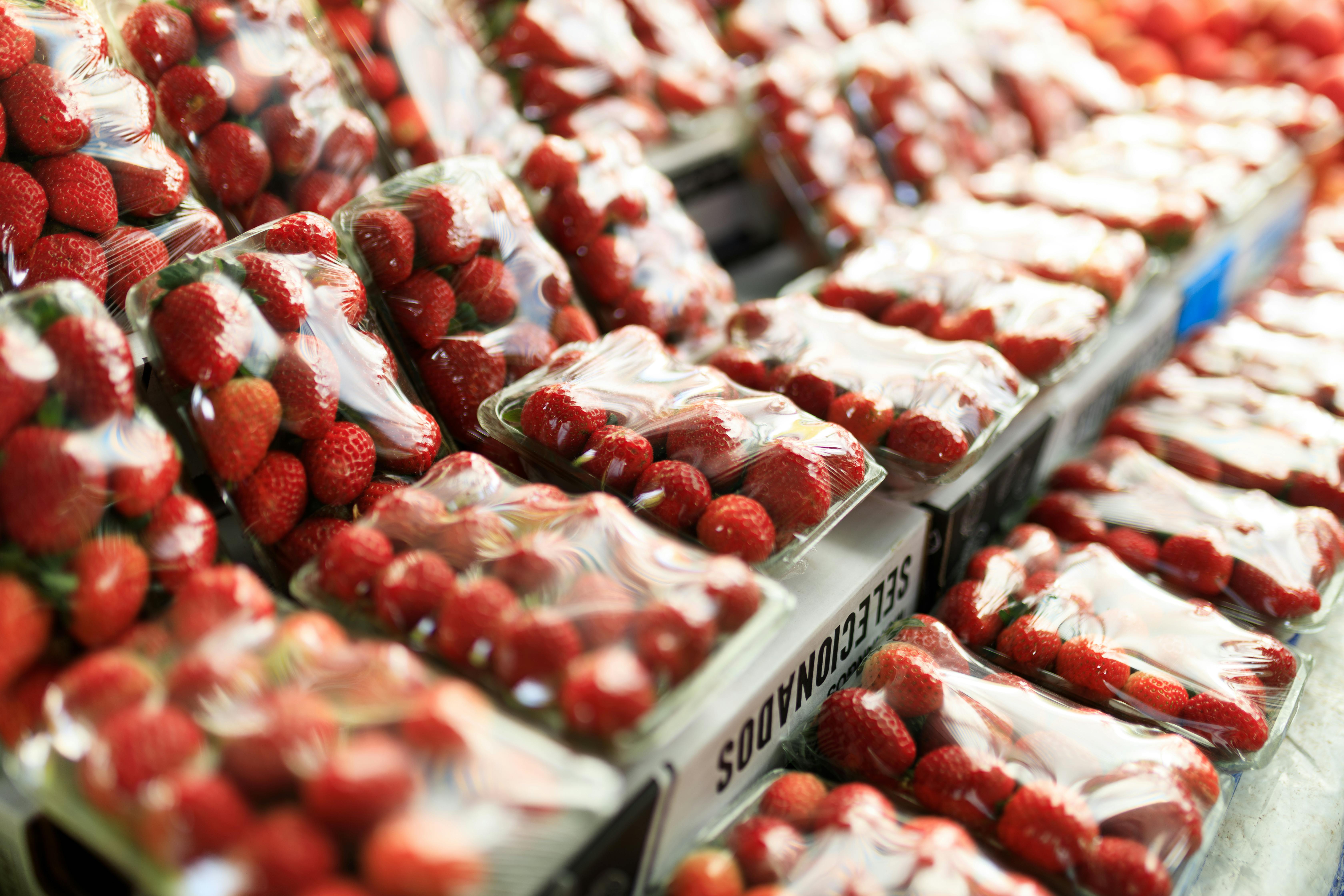
The economics of the produce department also push consumers toward overbuying. Multi-buy promotions, family-size clamshells, and lower per-unit prices on larger packs create a familiar trap: shoppers spend a bit more to get a better apparent value, then lose the savings when part of the purchase rots at home.
This is especially common with berries, bagged salad, grapes, and oranges. A shopper may only need a small amount, but stores often stock limited size options, especially in winter or in smaller communities where supply chains favor standardized packaging. Paying more for less feels inefficient, even when it would actually reduce waste.
Food inflation has sharpened this behavior rather than eliminating it. When prices rise, consumers become more deal-sensitive and more likely to chase volume discounts. Ironically, a household trying to be careful with money may end up buying too much produce because the shelf price suggests thrift, while the garbage bin tells a different story.
Canadian routines make fresh food harder to finish

Daily life in Canada often works against delicate produce. Long commutes, irregular shift work, children's activities, and unpredictable weather all disrupt meal planning. A head of lettuce bought with a Sunday reset mindset can look very different by Thursday after takeout, late meetings, and changed plans.
Seasonality matters too. In many parts of the country, produce travels long distances and may already have lost shelf life before it reaches the refrigerator. A peach or cucumber can look fine in store but deteriorate quickly at home. That leaves consumers feeling as though they made a reasonable purchase, yet still failed to use it in time.
Storage knowledge is another weak point. Many people do not know which fruits release ethylene, what should stay out of the fridge, or how moisture affects greens and herbs. The result is silent acceleration: produce ages faster than expected, and households misread spoilage as personal forgetfulness rather than a practical handling problem.
Stores are designed to make abundance feel responsible

Produce sections are built to convey freshness, health, and care. The misted greens, stacked apples, and brightly lit displays create a first impression that says, in effect, this is what a responsible household buys. Retailers know the produce department helps shape a store's image, even if some of the products are difficult for shoppers to finish.
That atmosphere influences basket building. Once shoppers load up on visible markers of healthy eating, they often continue through the store with the feeling that they are making smart choices overall. Bananas, spring mix, tomatoes, and fresh herbs become symbols of competence, not just ingredients with short shelf lives.
There is also a social element. Canadians increasingly absorb messages about wellness, home cooking, and reducing processed foods. Buying fresh produce fits that identity. The irony is that the same culture that praises healthy, fresh shopping can make people reluctant to buy frozen or canned alternatives that might actually be used more consistently.
Waste happens because meal plans collapse in real homes

Most produce is not wasted at the store. It is wasted in the gap between purchase and preparation. A consumer may have fully intended to use kale for soup, strawberries for lunches, and zucchini for roasting, but household life is full of interruptions that erase ideal plans.
One common pattern is ingredient mismatch. People buy produce for specific recipes, then fail to buy or use the matching proteins, grains, sauces, or time required to complete the meal. The vegetables remain in the crisper as stand-alone good intentions. By the time the household circles back, quality has declined and enthusiasm has disappeared.
Another factor is visibility. Research on food use habits repeatedly shows that what people see, they eat. What gets buried, they forget. Produce hidden in opaque drawers loses the competition for attention against ready-to-eat yogurt, leftovers, snack foods, or delivery apps. Spoilage, in many homes, is less about neglect than about design and convenience.
The solution is not guilt, but buying and storing differently
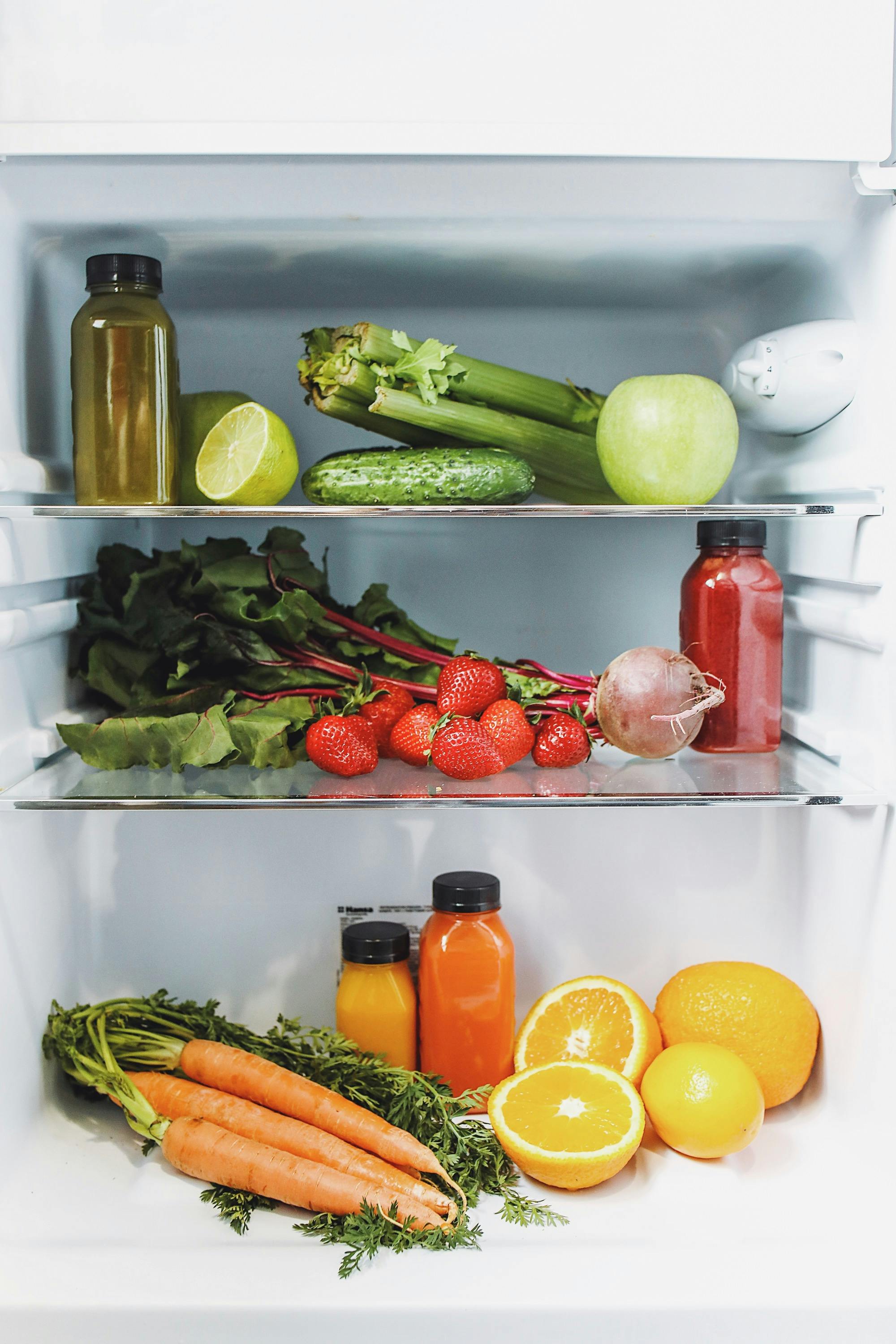
Canadians do not need more lectures about wasting food. They need practical systems that match how they actually live. That starts with buying smaller amounts more often when possible, choosing loose produce instead of prepacked bundles, and treating highly perishable items as immediate-use foods rather than weekly staples.
It also means normalizing alternatives. Frozen vegetables, canned tomatoes, applesauce, and pre-cut produce can be more realistic than aspirational fresh items for busy households. If the food gets eaten, it has done its job. Perfection in the produce drawer is less important than consistency on the plate.
Retailers have a role as well. More flexible pack sizes, clearer storage guidance, and realistic promotions could reduce household waste without asking consumers to become experts. The real issue is not that Canadians are careless. It is that the modern grocery environment repeatedly encourages people to buy for the life they want, not always the life they have.




Leave a Reply