
A border crossing can change more than road signs and speed limits. It can completely reshape the snacks riding shotgun.
Rules shape the shelf before shoppers ever arrive
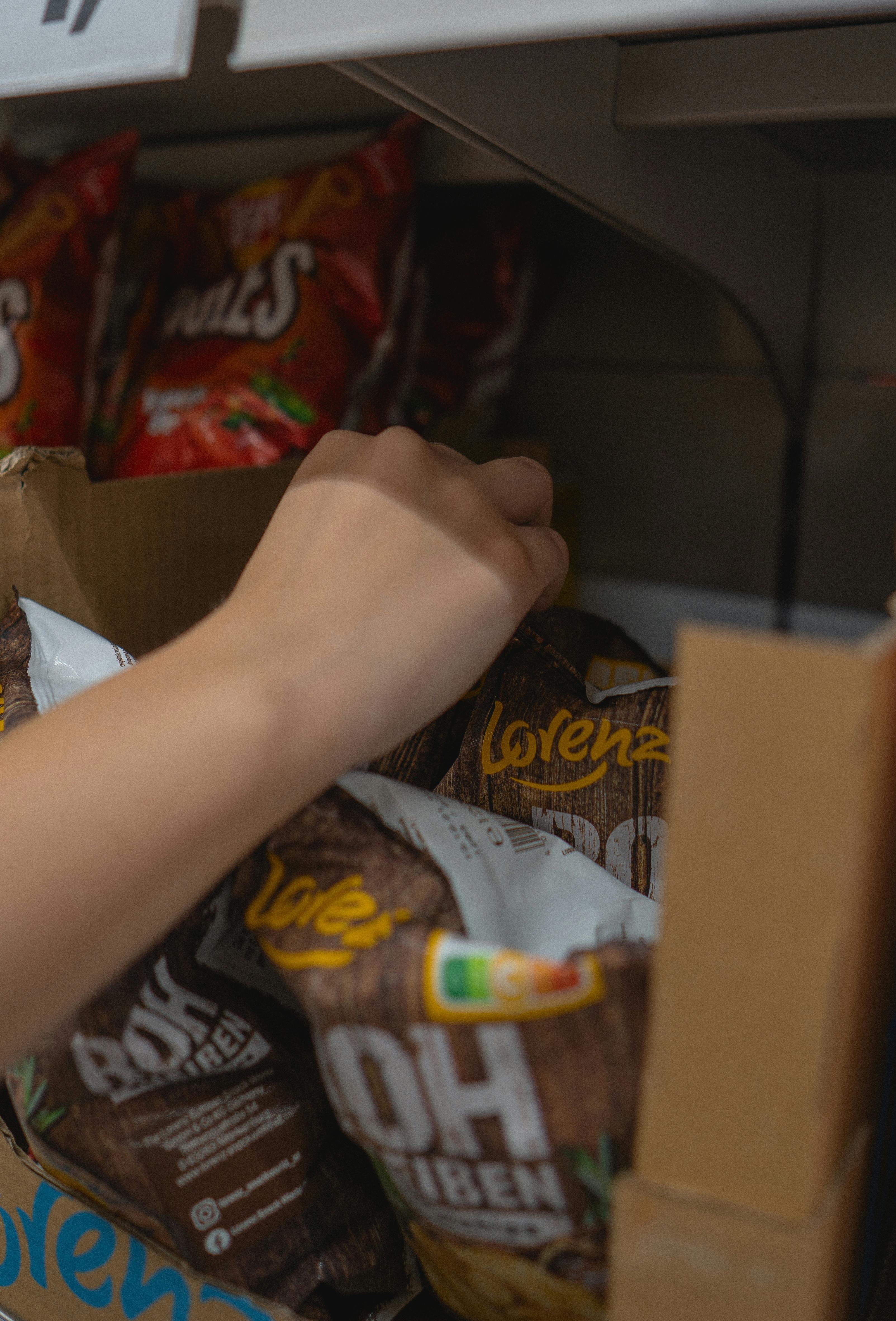
The biggest reason Canadian road trip snacks differ is regulation. Canada has long enforced bilingual packaging, ingredient disclosure rules, and food labeling standards that affect what manufacturers sell and how they sell it. That alone can narrow the range of products available at gas stations, truck stops, and roadside convenience stores.
Canada also restricts certain additives and handles nutrition labeling differently than the United States. A product that works in an American convenience chain may need reformulation, new packaging, or separate approval steps before appearing in Canadian retail. For companies chasing volume, that extra work is not always worth it.
Import rules matter too. Small-batch American snacks that are common in border-state road trips often never achieve broad Canadian distribution. As a result, Canadians may see fewer novelty launches, while familiar local staples hold shelf space longer and become part of the standard road trip haul.
Taste preferences are similar, but not identical
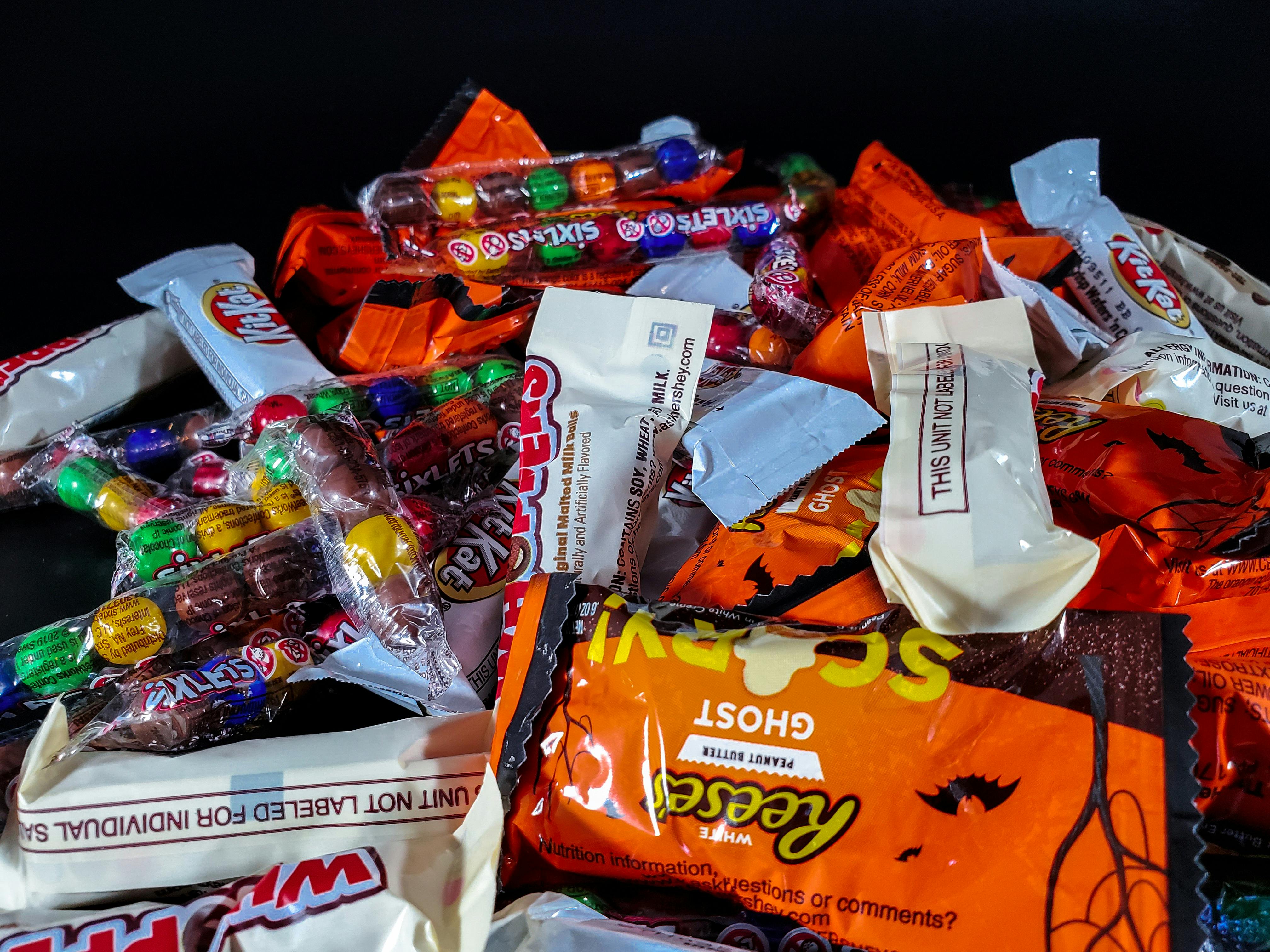
At first glance, Canadian and American snack habits seem nearly identical. Both markets love chips, chocolate bars, jerky, gum, and carbonated drinks. But the flavor mix often diverges in subtle ways that become obvious the moment you scan a convenience-store rack.
Canada has long shown strong loyalty to specific chip flavors, including all-dressed and ketchup, which remain cultural shorthand for distinctly Canadian snacking. Americans, by contrast, have historically leaned harder into barbecue, ranch, sour cream and onion, and highly seasonal limited editions pushed by national brands.
Sweetness levels can differ as well. Many Canadian consumers are accustomed to slightly different chocolate formulations and candy textures, partly because multinational brands often adapt recipes by market. That is why a chocolate bar with the same name can taste surprisingly different on opposite sides of the border.
Geography changes what road trippers can realistically buy

Canada's vast geography plays a practical role in snack selection. A country with long driving stretches, lower population density in many regions, and significant distances between distribution hubs often favors dependable products with longer shelf stability. That tends to reward established brands over fragile niche items.
Road trips in Canada also frequently pass through smaller towns where one gas bar or general store serves a wide area. Those retailers typically buy conservatively, stocking proven sellers rather than constantly rotating trend products. In the United States, denser highway networks can support faster turnover and more experimental inventory.
Weather matters more than many people realize. In colder provinces and during long winter driving seasons, stores may prioritize sturdy packaged goods that travel well in varying temperatures. That can affect everything from bakery-style snacks to soft candies and chocolate-heavy products that respond poorly to transport swings.
Retail culture creates very different snack rituals

A road trip snack is not just a food item. It is also a retail ritual shaped by where people stop. In the United States, giant travel centers with hot food counters, oversized candy walls, and aggressive promotional tie-ins help create a more theatrical snack-buying experience.
Canada has plenty of convenience outlets, but the scale and style often feel more restrained. National chains, independent c-stores, grocery-affiliated fuel stops, and regional operators may focus on reliable essentials rather than endless novelty. That changes what shoppers expect and what merchants are willing to devote space to.
Portion strategy differs too. Canadian retailers often balance value with practical pack sizes, especially where prices are already elevated by transport and operating costs. American outlets more frequently push supersized drinks, multipacks, and impulse bundles, reinforcing a different kind of road trip consumption pattern.
Pricing, taxes, and supply chains influence every purchase

Sticker shock is one of the fastest ways travelers notice a difference. Snacks in Canada are often more expensive, reflecting smaller market scale, transportation costs, currency effects, and operating realities in a country where distribution can be complex. Higher shelf prices naturally shape what sells well on the road.
That pricing pressure tends to reward dependable classics. If shoppers are paying more, they are less likely to gamble on unfamiliar flavors unless the product has strong brand recognition. In the United States, lower relative prices and bigger promotional ecosystems can make experimentation feel less risky during a fuel stop.
Supply chain economics add another layer. Many brands treat Canada as a separate commercial market with its own forecasting, warehousing, and retailer negotiations. When product runs are smaller, assortment can be tighter, and the roadside snack mix becomes more curated by necessity than by accident.
The result is a snack culture with its own identity

What emerges is not a lesser version of the American road trip snack aisle. It is a distinct ecosystem shaped by policy, distance, weather, pricing, and local taste. That is why Canadians can feel deep loyalty to products that seem unusual to Americans, and vice versa.
The contrast becomes especially clear in iconic examples. Canadians may instinctively reach for ketchup chips, Coffee Crisp, Smarties, or Hickory Sticks, while Americans might expect Cheez-It varieties, peanut butter candy dominance, fountain drink scale, or region-specific jerky brands at every stop.
In the end, road trip snacks reflect how each country moves, shops, and eats. The two markets overlap enough to seem familiar, but they differ enough to feel personal. That is exactly why crossing the border can make a simple snack run feel like a small cultural lesson.



Leave a Reply