
Some of Canada's best meals have been hiding in plain sight. Portuguese food is one of them, quietly building a loyal following through flavor, value, and tradition.
A cuisine built by immigration, not hype

Portuguese food in Canada grew through communities, not marketing campaigns. Large waves of immigration from Portugal, especially from the Azores and Madeira, helped shape neighborhoods in Toronto, Montreal, and parts of Atlantic Canada from the 1950s onward. These families opened bakeries, churrasqueiras, fish markets, and taverns that served their own communities first.
That history matters because it created staying power. While trend-driven dining often depends on novelty, Portuguese cooking in Canada developed through everyday demand for bread, grilled chicken, cod, soups, and pastries. The result is a cuisine woven into local life rather than packaged as a short-lived food craze.
In Toronto, Little Portugal and nearby Dundas West became especially important. Local restaurants turned charcoal-grilled meats and seafood into neighborhood staples, and over time non-Portuguese diners began treating these places as dependable institutions. That kind of slow adoption often produces deeper cultural staying power than sudden national attention.
Its flavors are direct, comforting, and widely appealing

The biggest strength of Portuguese food may be its clarity. Many dishes rely on olive oil, garlic, onion, bay leaf, paprika, piri-piri, parsley, and citrus, producing flavors that are bold but not confusing. For many Canadians, that makes the cuisine feel both distinct and approachable at the same time.
Take frango assado, the charcoal-grilled chicken that has become a fixture in many cities. The appeal is simple: smoky skin, tender meat, heat from chili, and potatoes or rice that absorb every drop of sauce. It is the kind of meal that works for a quick lunch, a family dinner, or a late-night craving.
The same is true for caldo verde, bifanas, and bacalhau dishes. These foods deliver comfort without heaviness and seasoning without excess richness. In a country where diners increasingly want recognizable ingredients and strong value, Portuguese cooking fits the moment almost perfectly.
Canada's seafood culture gave Portuguese cooking an edge
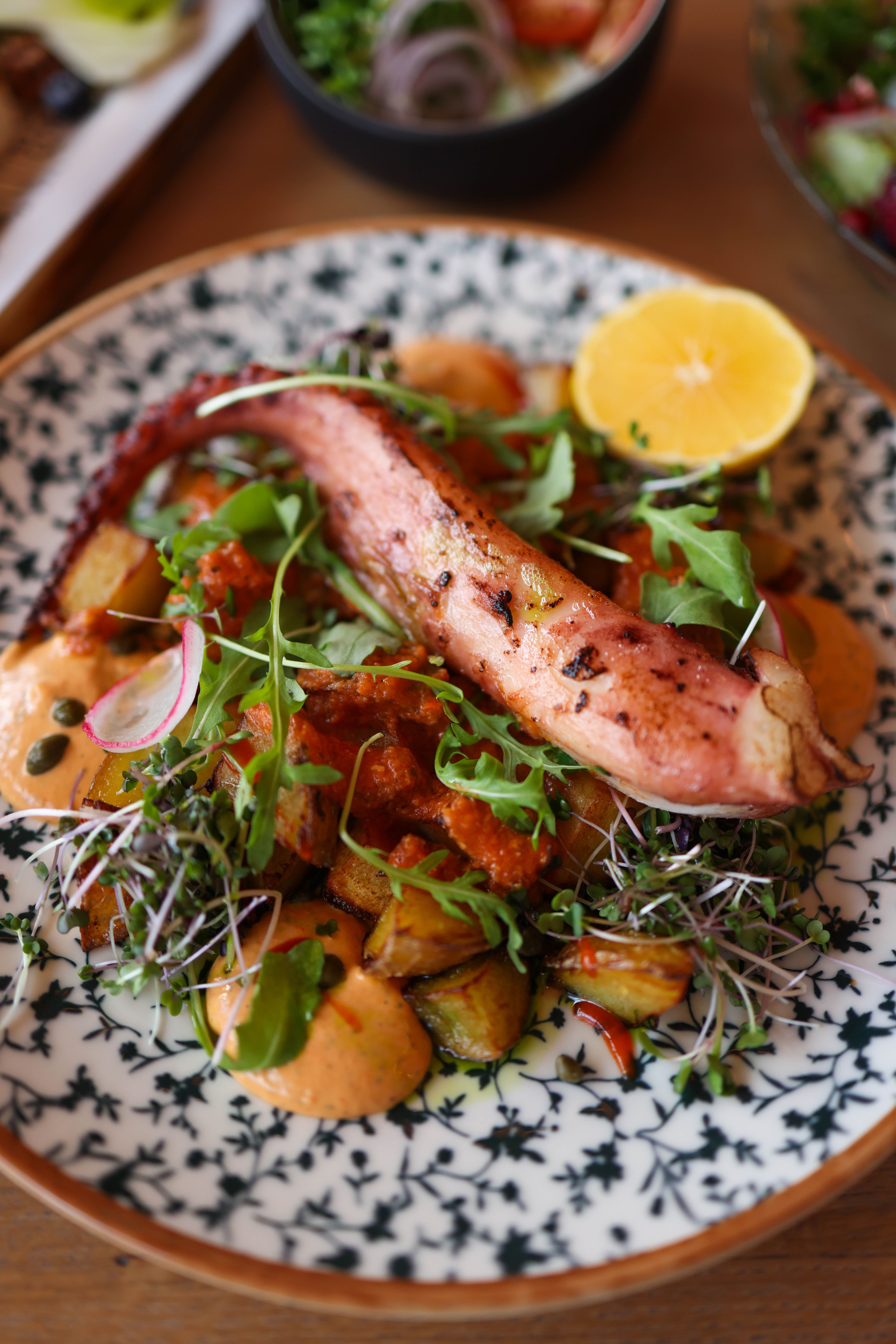
Geography helped Portuguese cuisine thrive. Portugal has one of Europe's deepest seafood traditions, and that knowledge translated well to a country with major coastal and fishing economies. Salt cod, grilled sardines, octopus salad, shrimp croquettes, and shellfish rice all make natural sense in Canadian markets, especially where fresh fish is part of everyday eating.
Bacalhau is the clearest example. Portuguese cuisine is famous for its many cod preparations, and that heritage found a second home in Canada, where Atlantic fishing history already gave cod a familiar place on the table. What changed was technique: richer olive oil dressings, potato pairings, eggs, olives, and slow-cooked aromatics expanded how many Canadians experienced cod.
This overlap between Portuguese and Canadian foodways is often overlooked. It helps explain why the cuisine never felt foreign in the way some imported traditions initially can. Instead, it attached itself naturally to ingredients Canada already respected.
Bakeries and casual spots did the real cultural work

Not every influential cuisine enters through white-tablecloth restaurants. Portuguese food spread through bakeries, lunch counters, rotisserie shops, and family-run dining rooms where prices stayed reasonable and portions stayed generous. That gave it a daily presence that trendier cuisines often struggle to achieve.
Pastéis de nata played a major role. The custard tart has become one of the country's most recognizable pastries, sold in neighborhood bakeries, cafes, and increasingly in mainstream food halls. Its appeal crosses generations because it is familiar enough for anyone who likes custard or pie, yet distinct in texture, caramelization, and flaky pastry.
The same everyday influence came from Portuguese buns, soups, sandwiches, and espresso culture. Many Canadians may not even register these foods as part of a broader culinary tradition, which is exactly why the cuisine remains underrated. Its success has been normalized rather than loudly celebrated.
Regional depth gives the cuisine far more range than people assume

One reason Portuguese food is underestimated is that many diners reduce it to chicken and tarts. In reality, the cuisine has major regional variation, shaped by mainland Portugal as well as the Azores and Madeira. That means distinct breads, stews, sausages, seafood preparations, and festive dishes that most Canadians still have not explored.
Azorean cooking, which has had a strong influence in Canada, often emphasizes hearty soups, slow-cooked meat dishes, and preserved products suited to island life. Madeira adds another dimension through bolo do caco, skewered meats, and wine-linked culinary traditions. These layers make Portuguese Canadian food far more diverse than its most visible staples suggest.
As chefs and second-generation owners reinterpret these traditions, the range is becoming easier to see. New menus are presenting old dishes with more context, helping diners understand that Portuguese cooking is not narrow. It is simply a cuisine whose complexity arrived quietly.
Its future in Canada looks stronger than ever
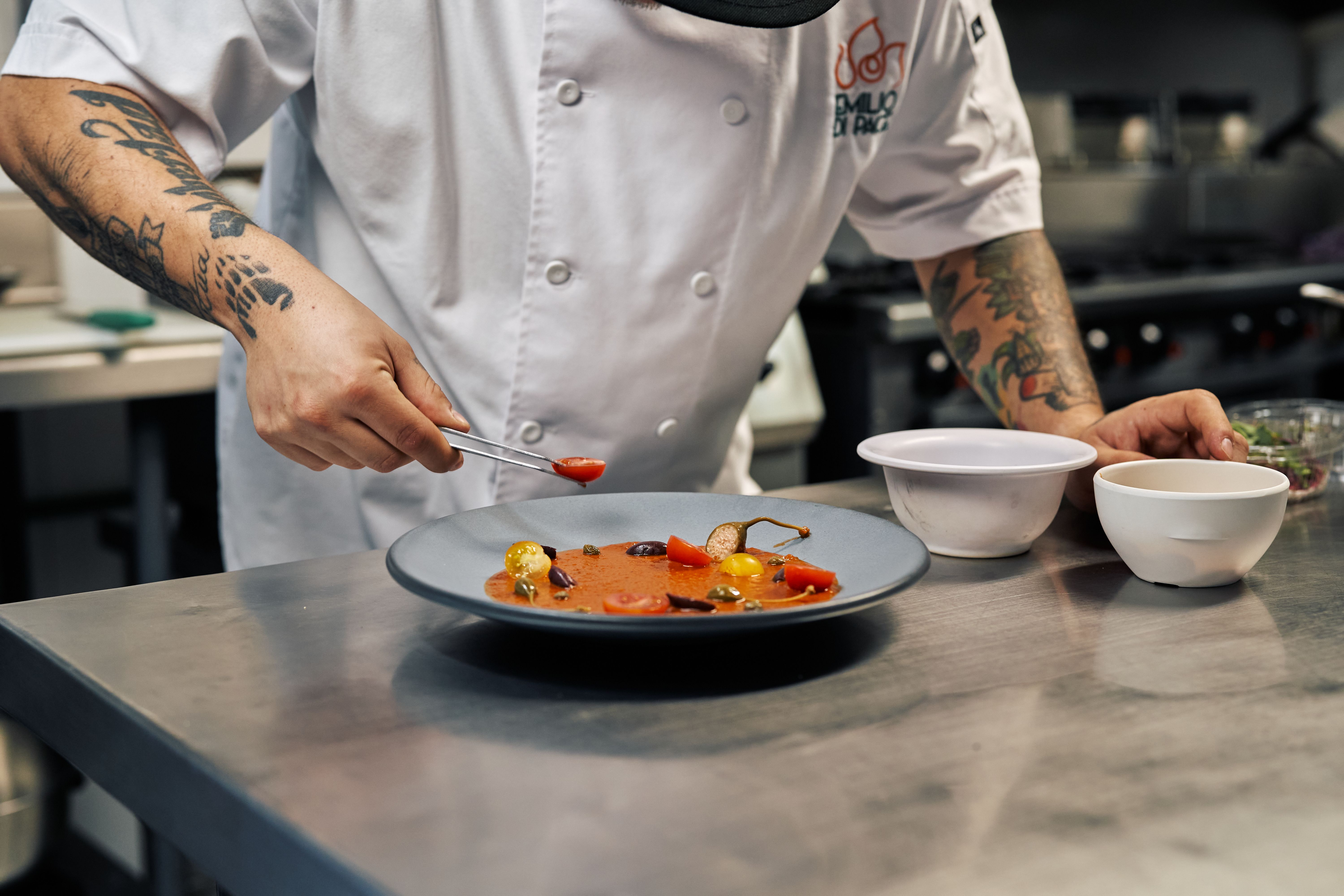
The timing now favors Portuguese food. Canadians are paying closer attention to value, regional authenticity, and independent restaurants with a clear point of view. Portuguese cuisine checks all three boxes while also offering dishes that travel well for takeout, hold up in casual dining, and suit both comfort eating and celebratory meals.
It also benefits from a broader shift in food culture. Diners increasingly appreciate immigrant-built culinary traditions that shaped cities long before social media noticed them. In that environment, Portuguese food feels less like a rediscovery and more like long-overdue recognition for a cuisine that has consistently delivered quality.
That is why its underrated status may not last much longer. Once people look beyond the familiar chicken plate or custard tart, they find one of the country's most complete food cultures, grounded in history, generosity, and real everyday excellence.


Leave a Reply