
Sticker shock at the checkout is real. For many households, Canada's official inflation numbers simply do not match what they see on their grocery receipts.
The inflation number is real, but it measures something different

The first thing to understand is that Canada's Consumer Price Index is not a grocery bill. It tracks a broad basket of goods and services, including shelter, transportation, clothing, communications, and recreation, not just food purchased from stores.
That matters because grocery shoppers notice frequent purchases more than annual averages. If lettuce, bread, eggs, and beef rise sharply in a given month, people feel that immediately, even if prices in electronics, airfare, or furniture are flat or falling.
Statistics Canada also reports food inflation as an average across many products. Some categories may cool while others climb. A lower overall rate can still hide painful increases in staples that families buy every week.
Your personal inflation rate is not the national one

A family with teenagers, a senior on a fixed income, and a single urban renter do not buy the same groceries. Their food inflation can differ dramatically because the official basket reflects national spending patterns, not the specific mix inside each household's cart.
Lower-income households often spend a bigger share of their budget on food, and they have less flexibility to trade down. When essentials like dairy, fresh produce, or cooking oils rise, the hit feels larger because these items cannot easily be delayed or skipped.
Regional differences widen the gap further. Prices in northern communities, remote areas, and smaller markets are often much higher due to transportation costs, limited competition, and supply constraints. A national average smooths over those local realities.
Food prices are being pushed by costs far beyond the farm

Many people assume grocery inflation starts with farmers, but the bigger story is the chain between field and shelf. Fuel, fertilizer, animal feed, packaging, refrigeration, warehousing, trucking, and labor all feed into the final retail price.
Over the past few years, those costs have been unusually volatile. Global energy swings raised transport and production expenses. Weather disruptions affected harvests. According to Reuters and major bank economists, food manufacturers also faced higher borrowing costs, which made inventory and expansion more expensive.
Currency movements matter too. Canada imports a meaningful share of fruits, vegetables, and processed foods, especially in winter. When the Canadian dollar weakens against the U.S. dollar, imported food and ingredients become more expensive before they ever reach stores.
Grocery stores are only one piece of the pricing puzzle
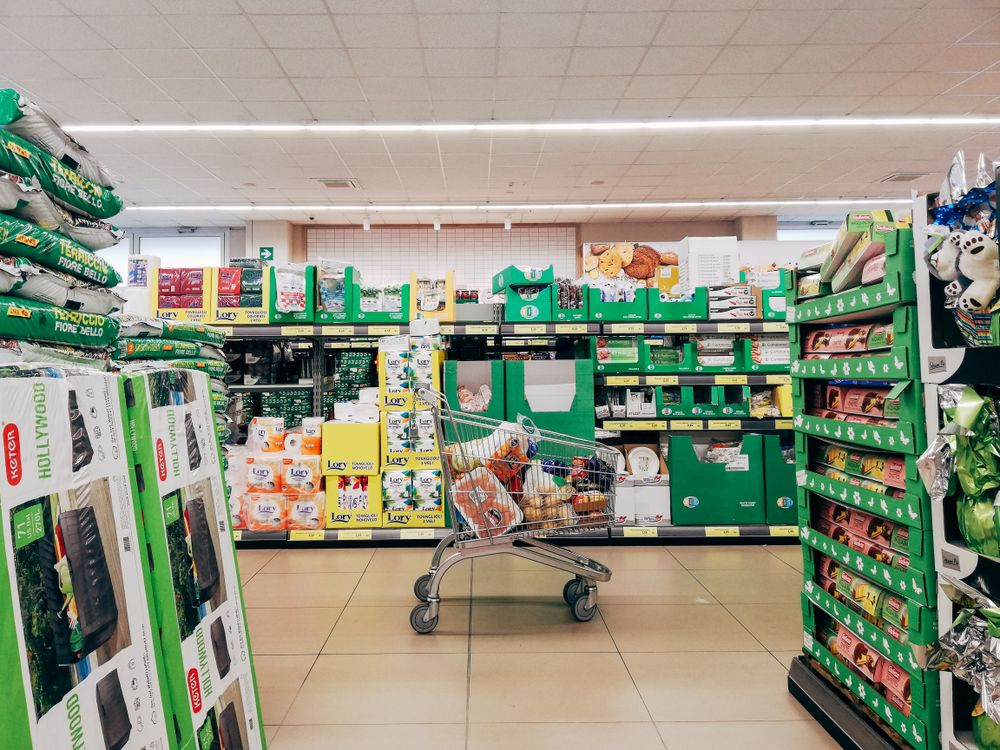
It is easy to blame retailers alone, but shelf prices reflect decisions across processors, distributors, wholesalers, and brands. In Canada, a relatively concentrated grocery market can limit price competition, yet retail margins are only one factor in the total cost structure.
Processors often have stronger influence than shoppers realize. If a manufacturer pays more for cocoa, wheat, glass jars, or factory wages, those increases can pass through gradually. By the time products reach supermarkets, multiple cost layers have already been added.
There is also the issue of shrinkflation and product mix. A package may keep the same sticker price while the weight drops, or consumers may switch from store brands to name brands because cheaper options are unavailable. Both make household costs feel worse than headline inflation suggests.
Timing is one reason the numbers feel out of sync

Official inflation data is designed to measure trends, not emotional impact. It may show deceleration, meaning prices are still rising but at a slower pace. Consumers, however, compare today's bill with what they paid 2 years ago, not just last month.
That distinction is crucial. If food prices jumped 10% one year and 3% the next, inflation is lower, but prices are still far above the old baseline. Households experience the level of prices, while reports often emphasize the rate of change.
Sales cycles can also distort perception. If regular prices climb but promotions become less generous, shoppers end up paying more even if the official average appears moderate. The loss of dependable discounts is a major reason people feel squeezed.
What is really driving the gap for Canadian shoppers

The gap comes from a mix of measurement, household behavior, and structural costs. Inflation reports are not wrong, but they answer a different question. They describe economy-wide price movement, while shoppers care about the weekly cost of feeding a household.
In practice, Canadians are reacting to the products they buy most, the stores available in their area, and the cumulative effect of years of increases. Add import exposure, weather shocks, supply chain costs, and reduced promotions, and the mismatch becomes easier to explain.
That is why grocery prices can feel disconnected from reassuring headlines. The issue is not just inflation itself. It is how food costs are built, how unevenly they hit different households, and how official averages can miss the pressure people feel in real life.




Leave a Reply