
The numbers say one thing. Your receipt often says another.
The inflation basket is an average, not your basket
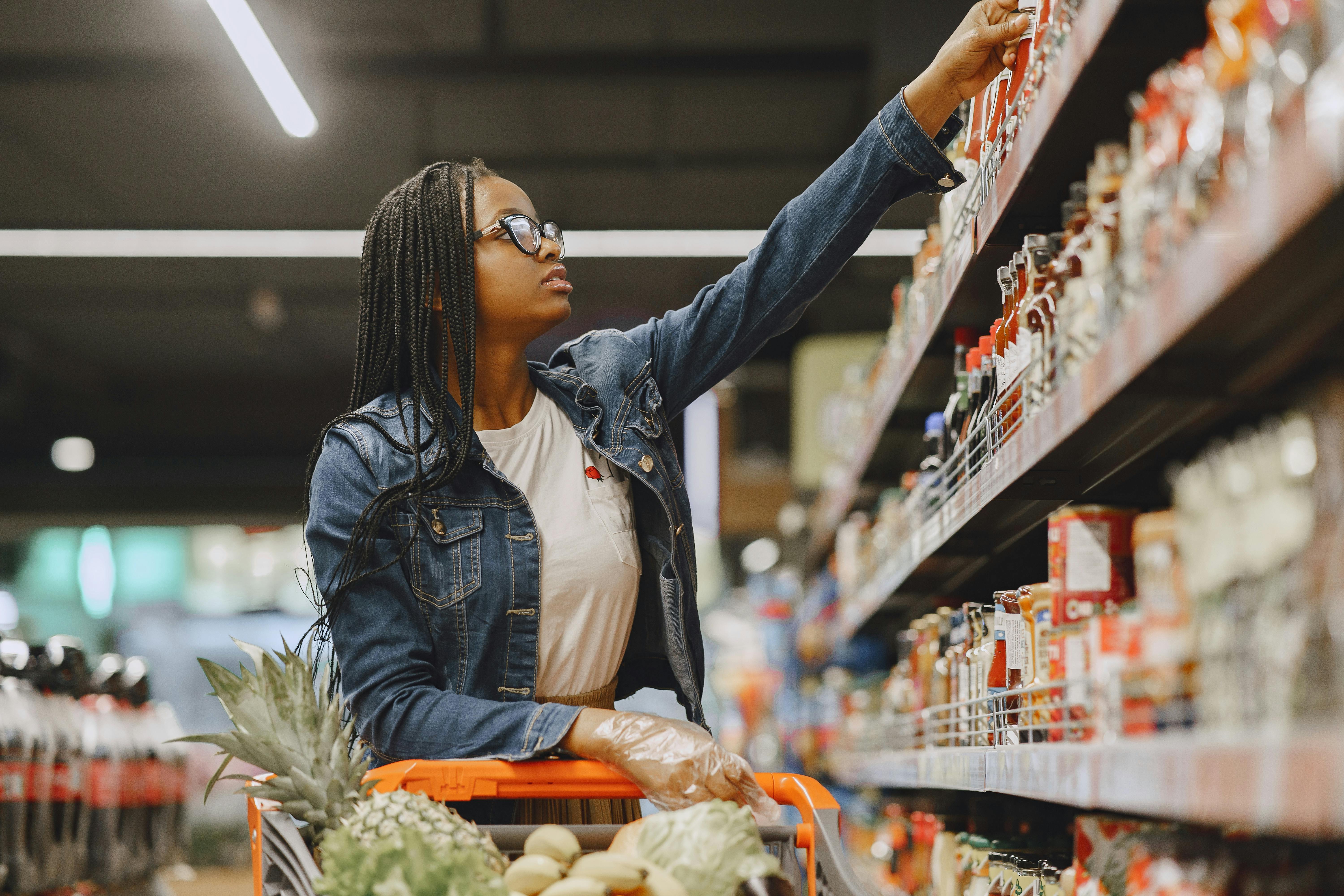
Statistics Canada measures food inflation using a broad consumer price index basket built to reflect national spending patterns. That works well for tracking the economy, but it does not mirror every family's weekly cart. A household with teenagers, a special diet, or a tight budget can experience price changes very differently from the national average.
The gap gets wider when shoppers rely heavily on categories that rise faster than the index. Fresh produce, meat, dairy, and pantry basics do not always move in sync. If cheaper categories hold steady while staples you buy every week jump sharply, your personal inflation rate can feel much higher than the official one.
Regional differences matter too. Food prices in Northern communities, remote areas, and smaller markets often behave differently from prices in major urban centres. Even within big cities, store format, neighborhood competition, and access to discount chains can change what people actually pay.
Canadians notice the items they buy most often

Consumers rarely track inflation the way statisticians do. They remember the price of eggs, bread, chicken, lettuce, coffee, and lunchbox snacks because those items are purchased constantly. When frequently bought products rise by $1 or $2, it leaves a stronger impression than a modest decline in a less visible category.
This is one reason headline inflation can feel abstract. A broad index spreads changes across hundreds of products, including some that households buy only occasionally. Grocery shopping is more emotional and immediate. Repeated exposure to higher shelf prices creates a sense of persistent inflation, even if the aggregate number is easing.
Behavioral economists have long noted that people feel losses more intensely than gains. If cereal drops slightly but butter spikes again, the increase tends to dominate memory. That psychological pattern does not make shoppers wrong. It simply means lived inflation is shaped by habits, not just averages.
Shrinkflation quietly changes the real price
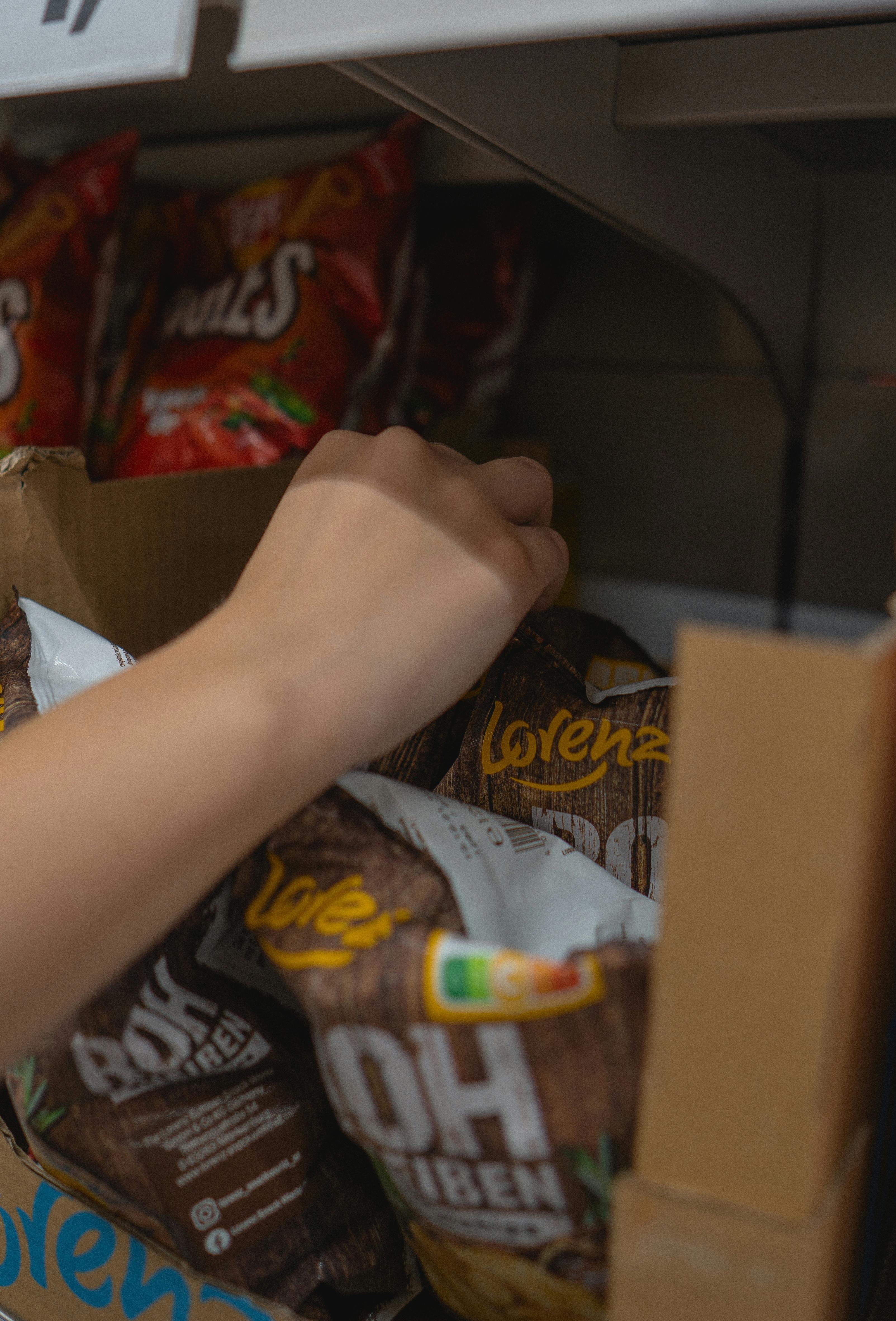
One of the biggest reasons official figures can feel out of step is shrinkflation. A bag of chips gets smaller, a cereal box loses grams, or a jar contains fewer servings while the sticker price stays the same or rises only slightly. Shoppers often sense the loss before formal data fully captures it.
Statistical agencies do adjust for package size and quality where possible, but this is difficult in real time across thousands of products. Manufacturers also redesign products, alter ingredients, and change promotional strategies. Those shifts complicate direct comparisons and can blur how much consumers are effectively paying per unit.
The result is simple at checkout and in the pantry. People spend roughly the same or more money and bring home less food. That creates a powerful perception that groceries are inflating faster than reported, especially in packaged foods where size reductions can be subtle.
Sales, loyalty programs, and timing distort the picture
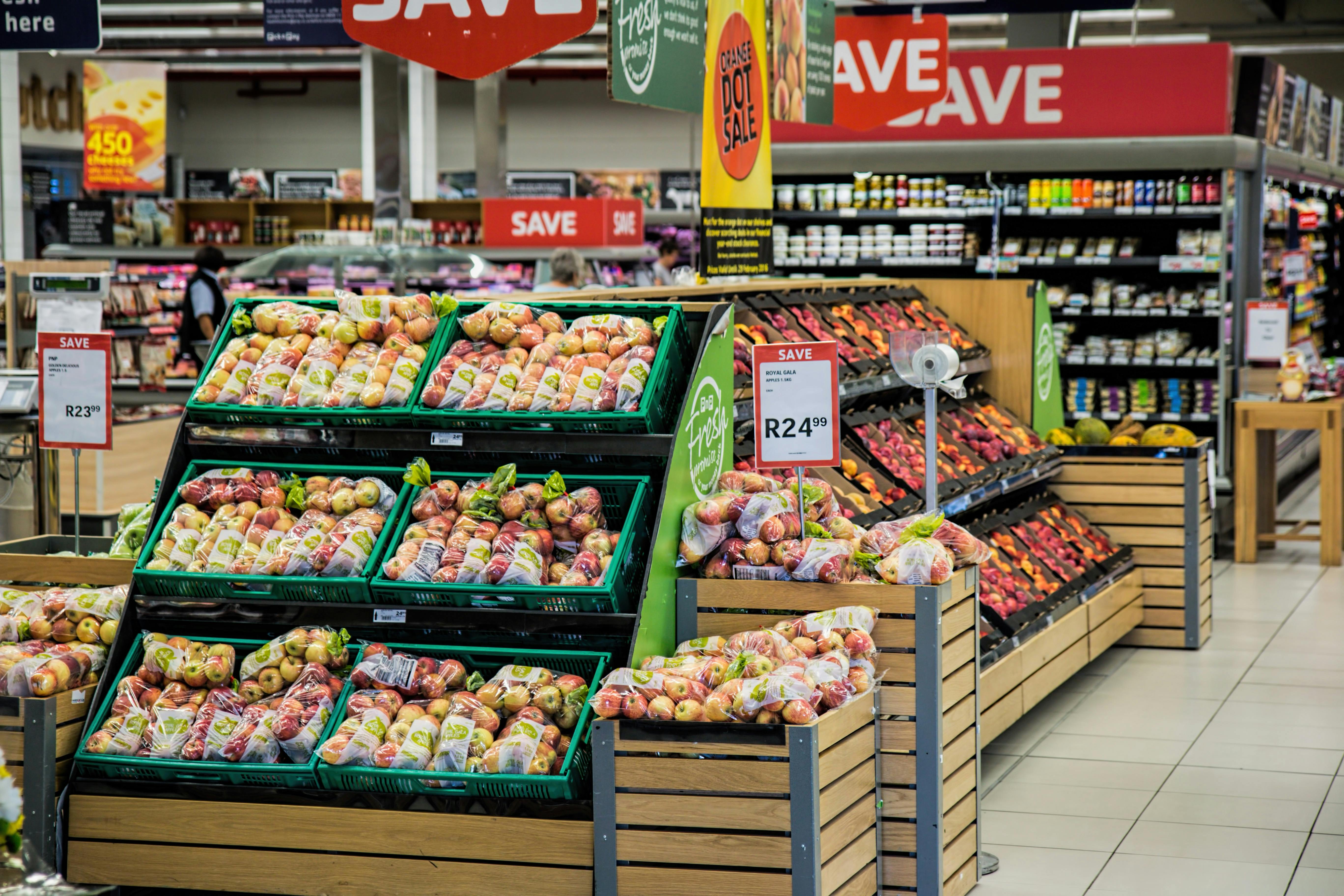
The advertised shelf price is no longer the whole story. Canadian grocers increasingly rely on app offers, member pricing, multi-buy promotions, and rotating discounts. Two shoppers in the same aisle can pay different amounts depending on when they shop, whether they use points, and how much they buy at once.
Official inflation data aims to capture actual transaction prices, but modern retail pricing is messy. Temporary promotions can lower measured prices even when regular prices are climbing. For shoppers without the cash flow to stock up during sales, the relevant price is often the higher one they pay on an ordinary week.
That distinction matters most for lower-income households. They may not be able to chase specials across multiple stores or buy 2-for-1 offers in bulk. So while average transaction data can show moderation, many families still face a more expensive reality in practice.
Food inflation reflects supply chains, weather, and global shocks
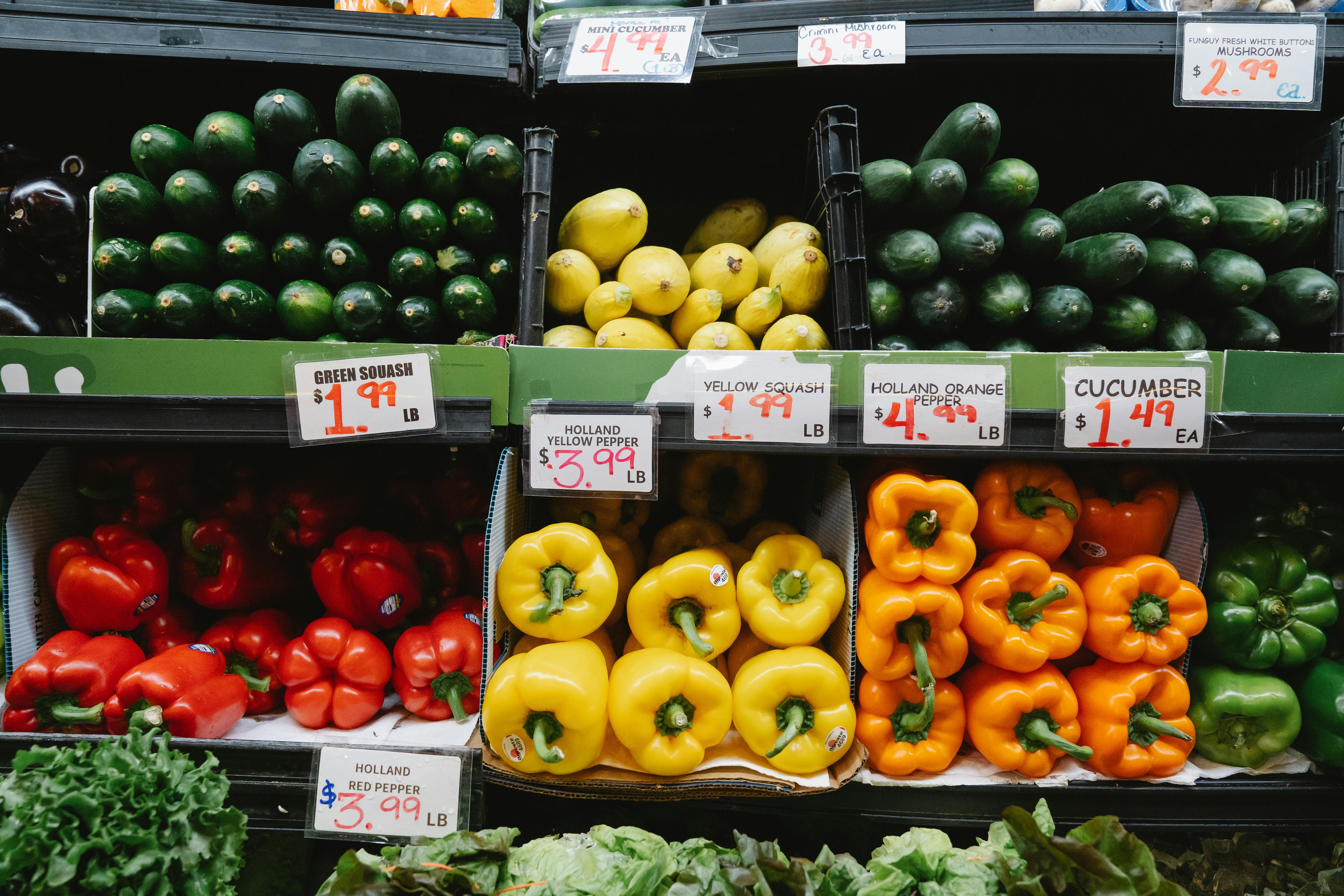
Canada's grocery prices are shaped by far more than domestic demand. Droughts, floods, transportation bottlenecks, animal disease outbreaks, energy costs, and currency movements all affect what lands on store shelves. A weaker Canadian dollar, for example, can raise the cost of imported produce and packaged goods.
According to reporting from Reuters and Canadian industry groups, food producers and retailers have also faced higher costs for fertilizer, feed, packaging, refrigeration, and freight in recent years. Even when these pressures ease, prices do not always fall quickly. Businesses often adjust slowly after absorbing earlier shocks.
That creates a lag between improving inflation headlines and what shoppers encounter. Official annual rates may cool because prices are rising more slowly than before, not because groceries are getting cheaper. For households hoping for reversal rather than deceleration, that difference is enormous.
Why the disconnect matters for policy and household budgets

When people say inflation numbers feel wrong, they are often describing a measurement problem, not a conspiracy. The index is useful for central banks and policymakers, but it cannot perfectly express the stress of buying food every week. Averages are necessary for statistics, yet lived experience is always more specific.
For governments, this means food affordability cannot be judged by headline inflation alone. Analysts need to watch unit pricing, regional access, discount dependence, and category-level pressure on essentials. For households, it helps to compare price per gram or litre, track sale cycles, and distinguish between slowing inflation and actual price declines.
The mismatch will likely persist because grocery spending is intensely personal. Canada's food inflation number tells a national story. The grocery cart tells the one that families actually feel.



Leave a Reply