
Canada's food reputation is often told through big cities, but the provincial picture is more interesting. These five provinces stand out because of the restaurants, regional ingredients, and signature dishes that give travelers and locals a real sense of place.
Quebec's restaurant culture

Quebec sets the pace for many conversations about food in Canada, largely because Montreal and Quebec City have deep restaurant traditions and distinct French influences. In the 2024 MICHELIN Guide ceremony for Quebec, Montreal and Quebec City restaurants received stars, which gave the province a formal marker of fine dining recognition that no other Canadian province had on the same scale at launch.
The province's food appeal is not limited to tasting menus. Poutine, tourtière, maple products, and smoked meat remain widely recognized staples, and Montreal's bagel culture has its own devoted following. That mix of everyday classics and high-end cooking helps explain why Quebec feels broad rather than narrow as a food destination.
British Columbia's farm-to-sea advantage
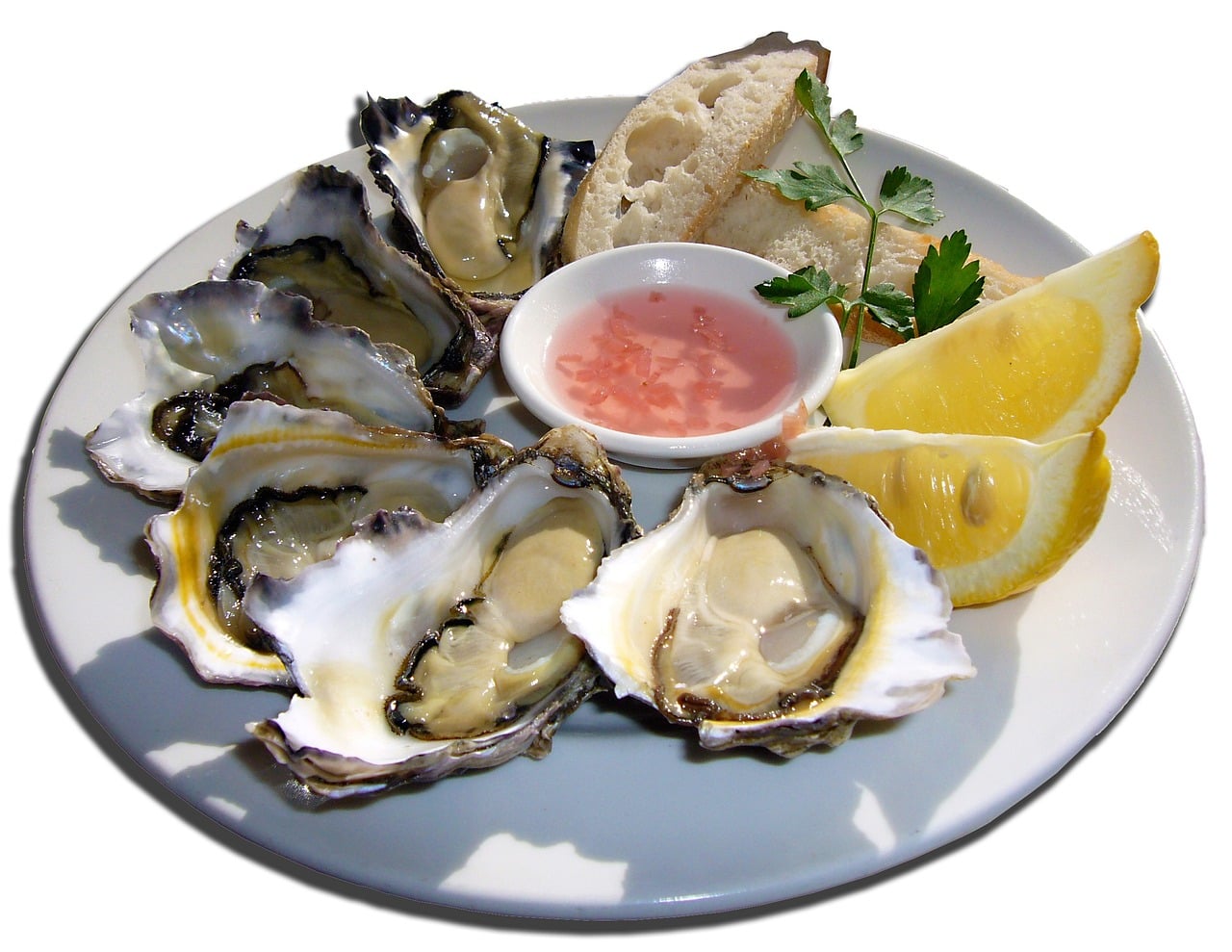
British Columbia benefits from geography in a way few places do. The province combines Pacific seafood, fertile growing regions, and a major urban dining scene in Vancouver, which has long been known for sushi, spot prawns, oysters, and produce-driven menus.
Wine also strengthens British Columbia's status as a food hotspot. According to Wine Growers British Columbia, the province is home to more than 300 wineries, with the Okanagan Valley as the best-known region. That gives chefs direct access to local pairings and gives travelers an easy food-and-wine route that extends well beyond Vancouver.
Ontario's range and scale

Ontario stands out for scale. Toronto, Ottawa, and other cities offer a breadth of cuisines that reflects immigration patterns from across the world, and Toronto in particular has become one of North America's most varied dining cities. The 2024 MICHELIN Guide Toronto also continued to highlight the province's concentration of notable restaurants.
What makes Ontario compelling is how easily the province shifts between polished and casual. One day that could mean tasting menus and chef-driven kitchens, and the next it could mean peameal bacon sandwiches, butter tarts, Niagara wine country, or multicultural strip-mall dining that locals treat as seriously as formal restaurants. Few provinces cover that much ground in one trip.
Nova Scotia's seafood identity
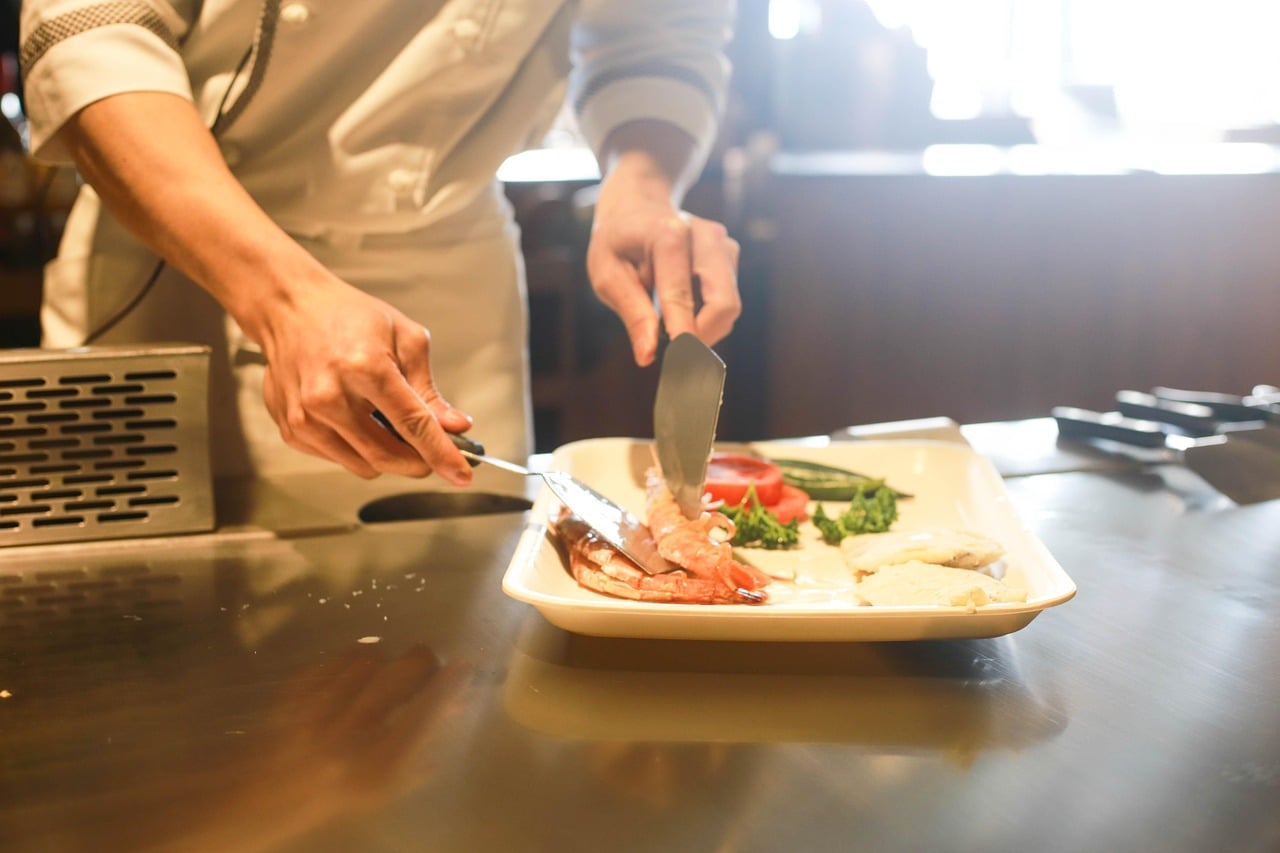
Nova Scotia proves that a strong food scene does not need to be the biggest to be memorable. Its identity is closely tied to the Atlantic, and that shows up in lobster, oysters, scallops, mussels, and fish dishes that appear from Halifax restaurants to roadside spots along the coast.
The province also has a notable beverage story. Nova Scotia is known for vineyards in the Annapolis Valley and for Tidal Bay, the first appellation wine developed for the province by Wine Growers Nova Scotia. Add in Digby scallops and classic lobster suppers, and the province delivers a food experience that is rooted in place rather than passing trend.
Alberta's beef and big-city dining
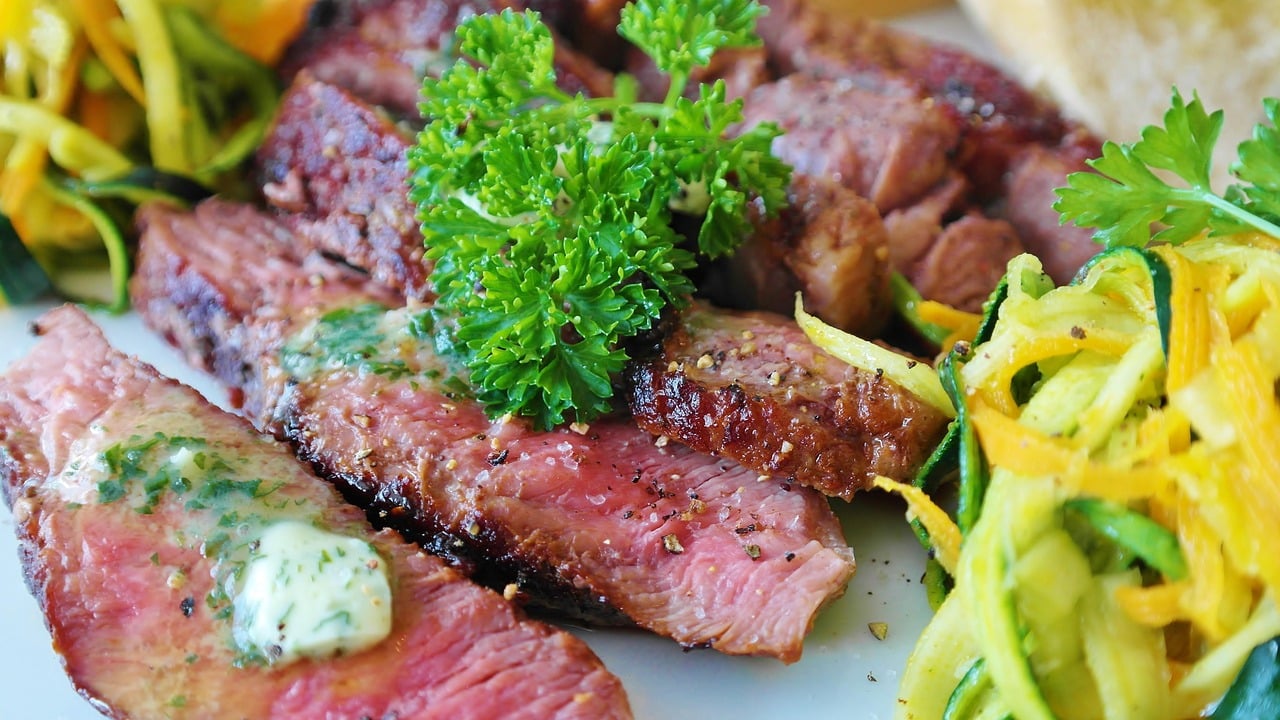
Alberta often enters food discussions through one ingredient first: beef. Canada Beef has long pointed to Alberta as the country's best-known cattle region, and that reputation still shapes how many people think about the province's food. Steakhouses remain part of the draw, but they are no longer the whole story.
Calgary and Edmonton have expanded Alberta's culinary profile with diverse restaurant scenes, local breweries, and chefs who work with prairie grains, bison, and seasonal produce. The Calgary Stampede also keeps the province visible as a place where food is part of the public culture, from midway snacks to premium local menus. That balance of heritage and newer dining energy gives Alberta a strong finish.




Leave a Reply