
A holiday cart can read like a cultural snapshot. What Canadians buy for Canada Day and what Americans load up for the 4th of July often reveals two distinct food identities.
The first clue is in the meat case
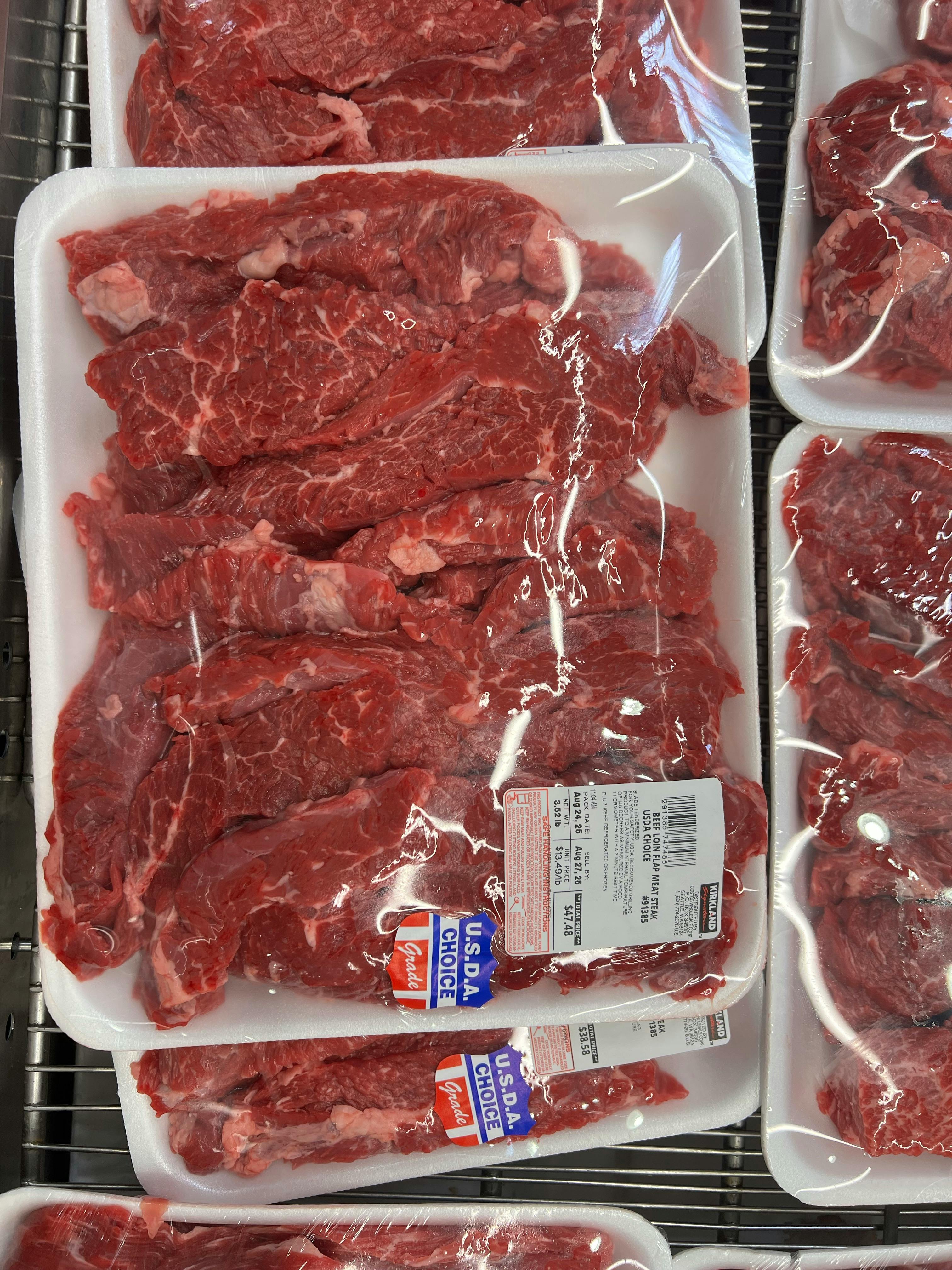
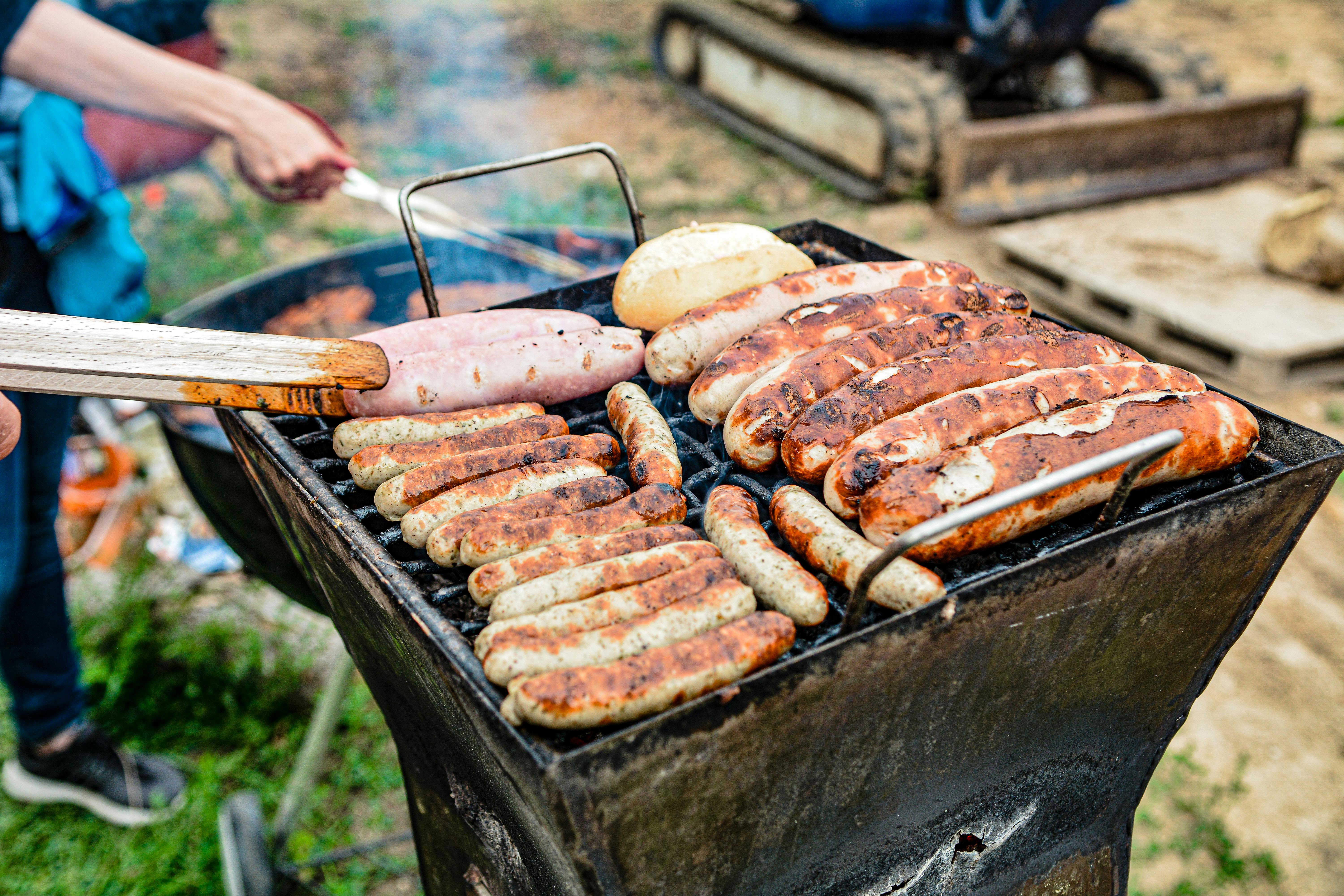
Canada Day carts often suggest moderation and variety rather than sheer volume. Many Canadian shoppers split their spending across burgers, sausages, salmon, and marinated chicken, reflecting a broad grilling culture shaped by regional seafood access and multicultural tastes. In British Columbia and Atlantic Canada, fresh fish can sit beside hot dogs without feeling unusual.
American Independence Day hauls tend to lean harder into abundance. U.S. supermarket chains regularly promote large-format packs of burgers, ribs, brisket, and hot dogs in the week before July 4, and industry reporting from retailers and food groups often shows grilling meats dominating seasonal sales. The haul is built for a crowd and for leftovers.
That contrast says something important. The Canadian cart often signals a host trying to please mixed preferences with a practical eye on cost, while the American haul can project a bigger backyard event where barbecue is the main attraction and meat anchors the celebration.
The side dishes tell a deeper story
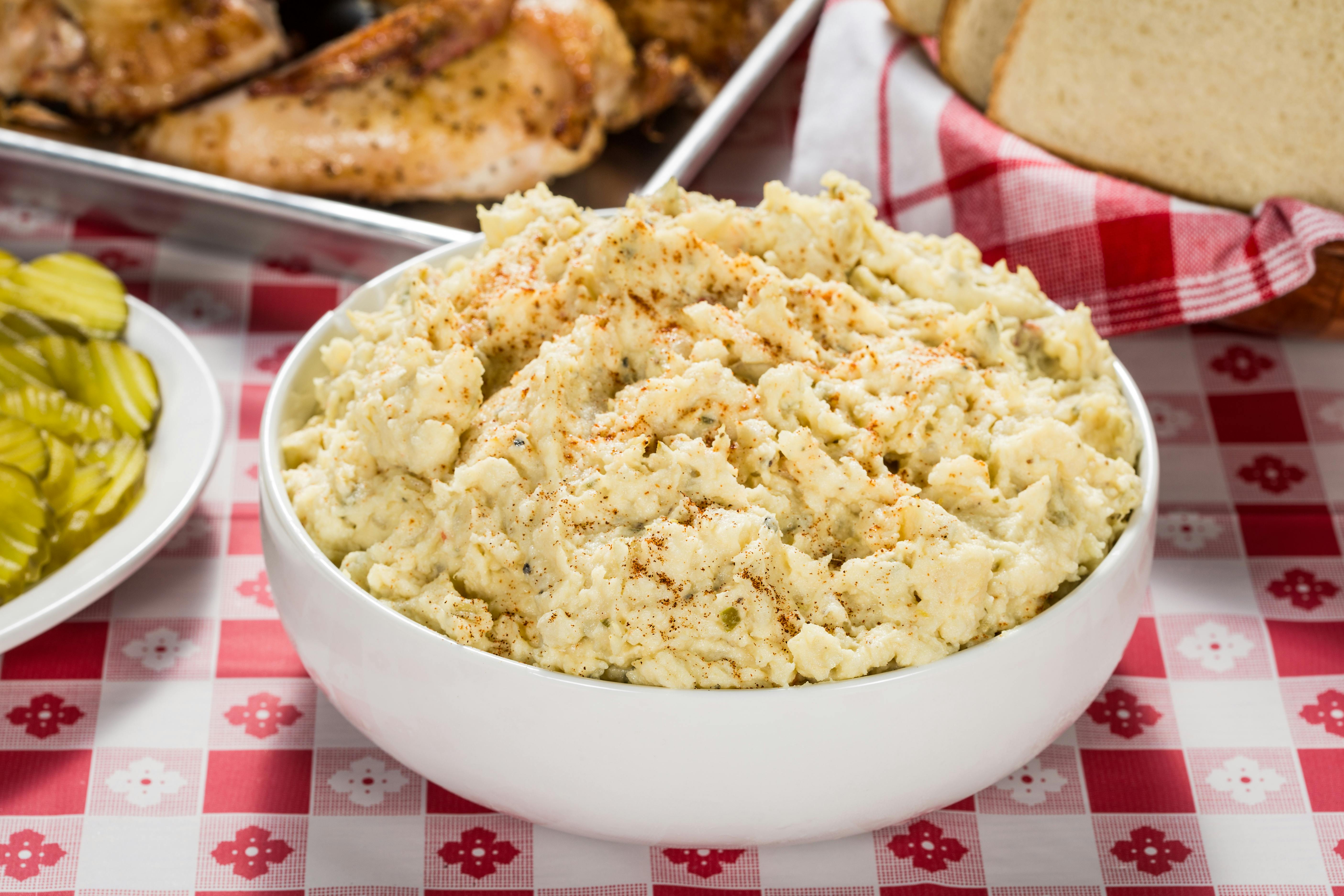
A Canada Day cart frequently includes practical staples that travel well and feed different age groups. Potato salad, pasta salad, chips, buns, pickles, cut vegetables, and prepared dips are common because they suit cottage trips, park gatherings, and smaller family cookouts. Convenience matters when the holiday often overlaps with travel.
In an American 4th of July haul, side dishes tend to carry more regional identity. In the South, that may mean baked beans, coleslaw, and corn on the cob. In the Midwest, pasta salads and deviled eggs show up reliably. In the Northeast, deli salads and watermelon are frequent staples of the long weekend table.
What does that say about the shopper? The Canadian cart often reflects flexibility and portability, shaped by distances, cabins, and unpredictable weather. The American cart can reveal a stronger attachment to local barbecue traditions, where the side dishes are not filler but part of a recognizable national ritual filtered through region.
Drinks reveal the clearest difference in mood
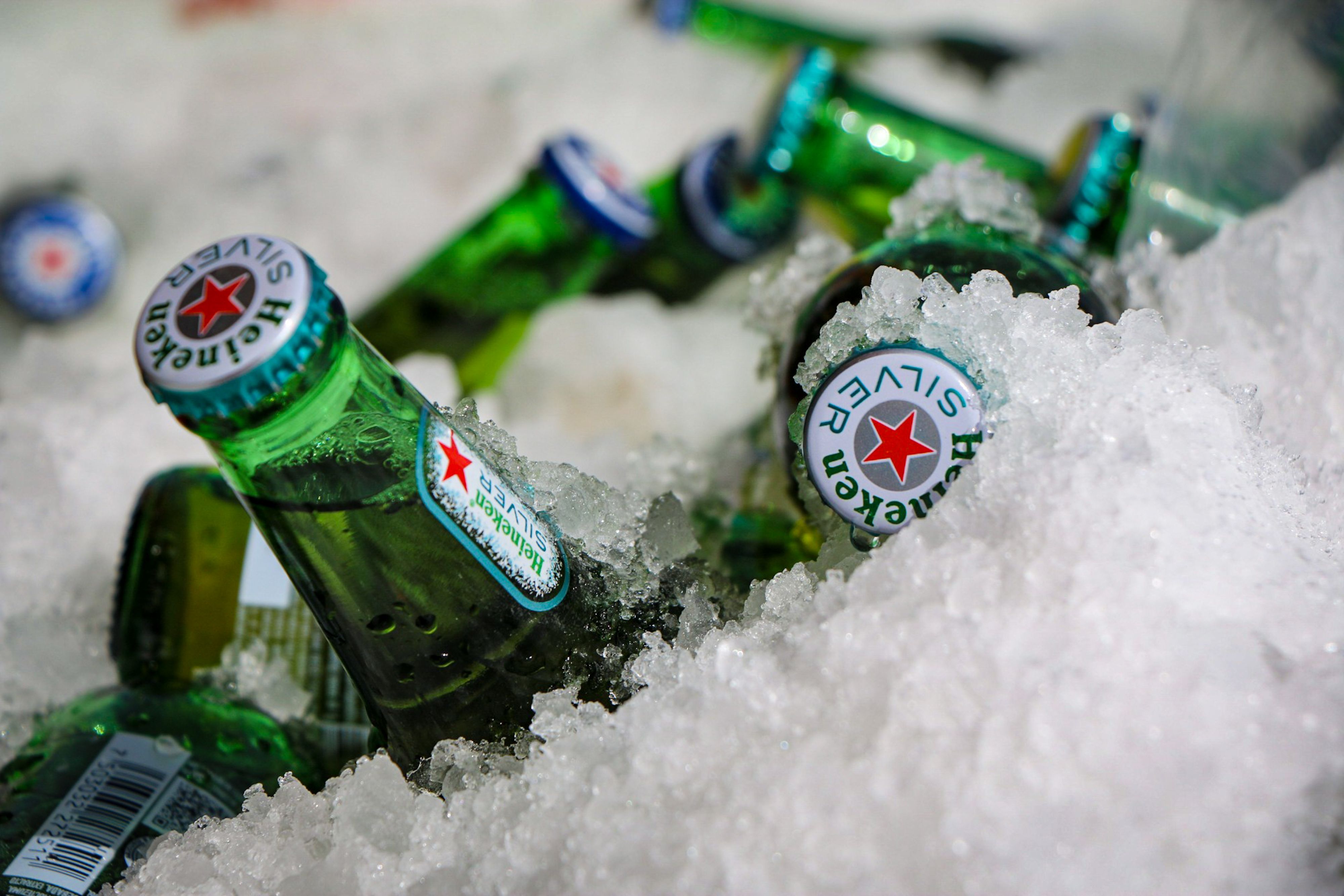
Canadian carts for July 1 often show restraint mixed with refreshment. Sparkling water, Caesar mix, domestic beer, coolers, lemonade, and coffee supplies commonly share space in the basket. Provincial alcohol rules and pricing can influence where those items are bought, which sometimes separates the beverage run from the grocery trip itself.
The American 4th of July haul is more likely to go all in on beverage volume. Cases of beer, hard seltzer, soda, iced tea, sports drinks, and bottled water often rise together, especially in hot-weather states. Retail analysts in the U.S. have repeatedly noted that beverage spending surges around the holiday because gatherings are larger and longer.
The personality signal is fairly clear. The Canada Day shopper often looks like someone planning a balanced afternoon that could move from patio to fireworks. The American shopper looks more like a host preparing for an all-day social event where hydration, alcohol, and convenience all need to scale up fast.
Desserts show how each country performs nostalgia

In Canada, dessert purchases often stay simple and seasonal. Strawberries, Nanaimo bars, butter tarts, ice cream sandwiches, and cupcakes decorated in red and white fit the mood without requiring elaborate presentation. Grocery retailers routinely build holiday displays around easy treats because the audience often wants familiar comfort rather than spectacle.
American 4th of July dessert carts can be more performative in the best sense. Sheet cakes, brownie trays, patriotic cookies, pie ingredients, and ingredients for flag-themed fruit platters are common. According to major U.S. food retailers, holiday dessert merchandising often emphasizes visual impact because social gatherings are larger and presentation matters.
That difference reflects two styles of memory-making. The Canadian cart often points to quiet nostalgia and a low-pressure celebration. The American haul suggests a stronger impulse to stage the holiday visually, where dessert doubles as decoration and the table becomes part of the event's patriotic theater.
Produce choices expose climate, geography, and price pressure
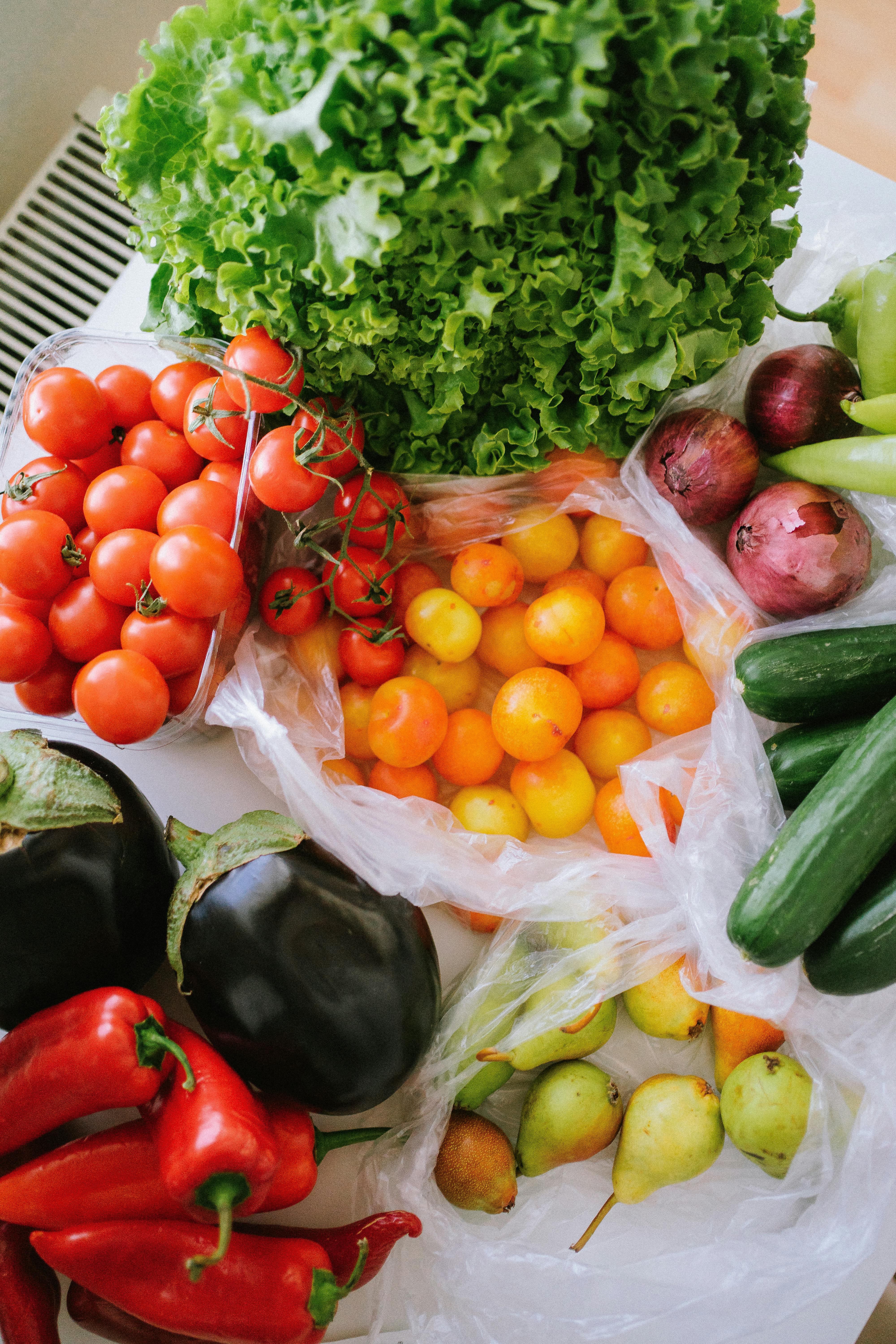
Canadian produce buying around July 1 is strongly shaped by seasonality and cost. Local berries, greenhouse tomatoes, cucumbers, corn where available, and bagged salads are popular, but imported produce prices can push shoppers toward what is freshest domestically. Statistics Canada has repeatedly shown that food inflation remains a live concern in household decision-making.
American shoppers usually have broader access to lower-cost produce volume during early July, particularly in major agricultural states. Watermelon, peaches, cherries, lettuce, onions, and corn are often priced aggressively in holiday promotions. That abundance supports larger menus and makes produce a bigger visual feature in a typical 4th of July spread.
So the cart becomes a small economic statement. The Canada Day basket often reflects careful prioritizing, with produce chosen for versatility and value. The American haul more often signals scale, helped by distribution networks and pricing structures that can make summer produce feel plentiful enough to buy by the tray.
What the full cart ultimately says about national identity
A Canada Day grocery cart often communicates practicality, inclusiveness, and a slightly quieter patriotism. It is built for weather changes, mixed food preferences, and celebrations that may unfold at home, at a cottage, or in a public park. The choices are less about culinary bravado and more about making the day easy and enjoyable.
An American 4th of July haul usually projects confidence, scale, and a strong tradition of hosting. The cart often centers on abundance, strong regional food cues, and a gathering style that expects guests to stay for hours. It is not just a meal plan. It is an event blueprint.
Neither cart is better, and both are unmistakably summer. But if you read them closely, the Canadian one often says, "Let's keep it welcoming and manageable," while the American one says, "Let's make this big, loud, and memorable." In food, as in holidays, national character has a way of showing up in plain sight.



Leave a Reply