
Hunger is not caused by a lack of food alone. It is often caused by bad timing, weak logistics, conflict, climate shocks, and decisions made too late.
AI would spot hunger before it becomes a catastrophe
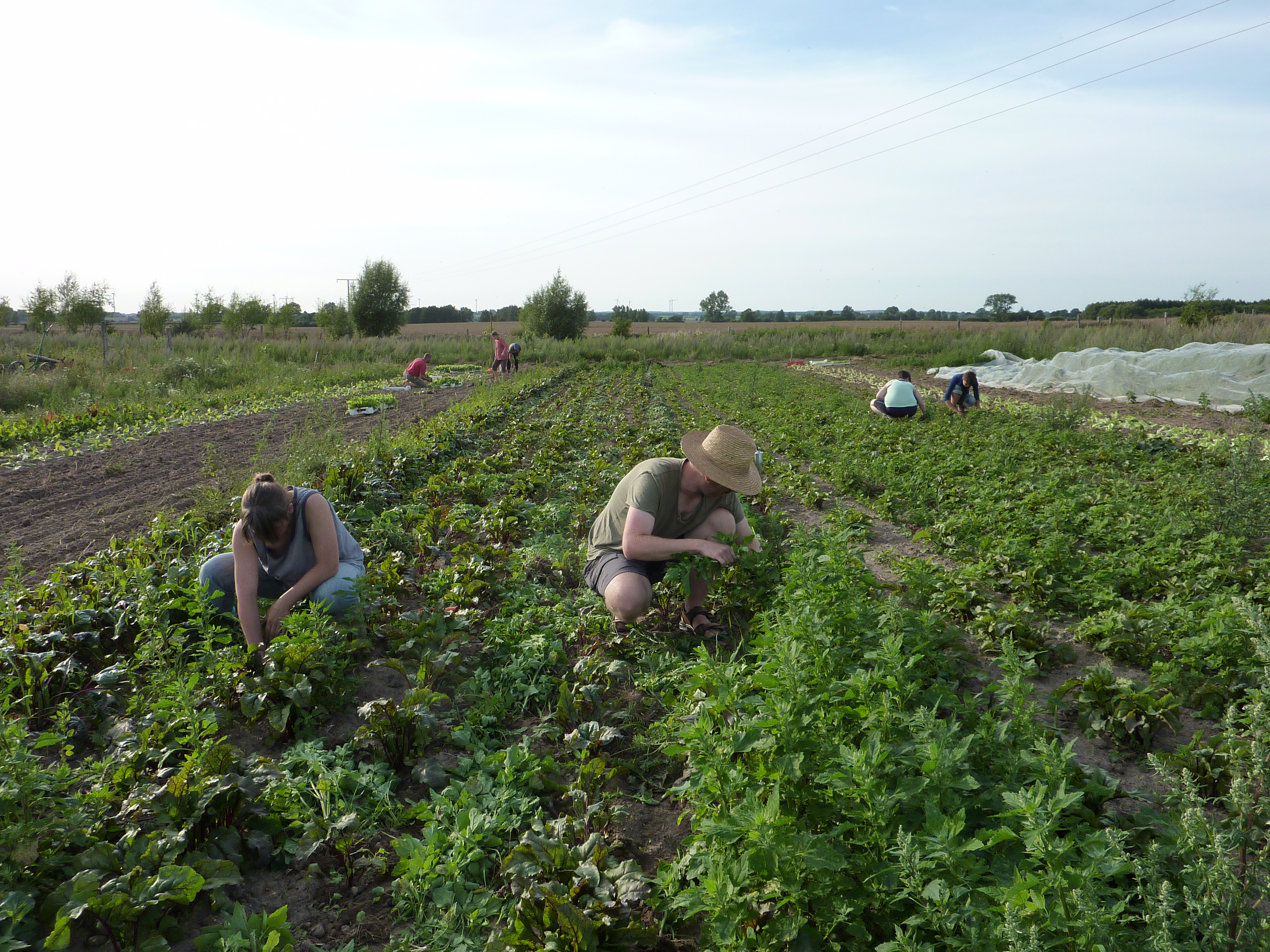
The biggest advantage AI brings is speed. Hunger crises rarely appear overnight, yet warning signs are often buried in weather records, crop reports, market prices, satellite images, conflict data, and migration patterns. AI can combine those signals much faster than any human team and identify where food insecurity is likely to worsen weeks or months earlier.
That matters because early action is dramatically cheaper and more effective than emergency reaction. If a drought is likely to wipe out harvests in one region, governments and aid groups can move cash, seeds, animal feed, and food stocks before families are forced to sell livestock or skip meals. According to the World Food Programme, AI helps humanitarians process vast amounts of data so assistance reaches the right people sooner.
Real-world systems already point in this direction. Machine learning models are increasingly used to forecast rainfall failure, pest risks, and food price spikes, especially in climate-vulnerable countries. A 2024 body of research across food security and climate analytics shows that combining satellite observation with ground data improves the accuracy of crop and drought forecasting, giving decision-makers a better chance to act before famine conditions take hold.
AI would make farming more productive in the hardest places

Ending hunger also means helping farmers grow more food with fewer losses. AI can support farmers by analyzing soil health, rainfall patterns, temperature shifts, and historical yield data to recommend the best crops, planting windows, and fertilizer use. In areas where one failed season can trigger hunger, that guidance can be life-changing.
The World Food Programme notes that AI paired with drone technology and modeling can help determine what crops to grow based on soil analysis and local conditions. It can also detect infestations early, which is crucial because pests often destroy yields before farmers fully understand what is happening. A smallholder farmer who gets an early alert on crop disease can act in days instead of losing an entire season.
This is especially important in regions facing climate volatility. AI can help farmers adapt rather than simply endure. It can suggest drought-tolerant seeds, identify fields under water stress, and support more precise irrigation. In practice, this means fewer wasted inputs, more resilient harvests, and better odds that local communities can feed themselves instead of depending entirely on outside aid.
AI would deliver aid faster, cheaper, and with less waste
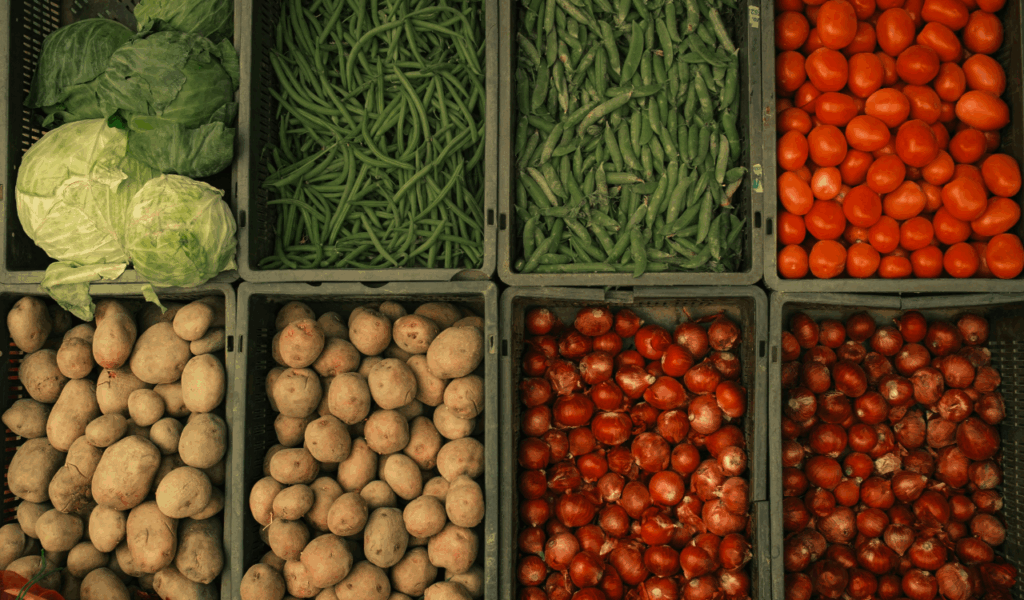
Food assistance often fails not because supplies do not exist, but because distribution is slow, expensive, or misdirected. AI can improve that entire chain. It can help relief agencies decide what to buy, where to source it, how to store it, and which routes will get it to people fastest at the lowest cost.
The World Food Programme's SCOUT tool is a strong example. It supports decisions on what to buy, where from, when, and how to store and deliver food. In Western Africa, WFP said the system helped generate US$2 million in savings in 2024 through better long-term sourcing and delivery planning for sorghum. Savings like that matter because every dollar not lost to inefficiency can feed more people.
AI also helps reduce duplication and error in beneficiary lists. WFP's Enterprise Deduplication Solution uses advanced algorithms to find anomalies in assistance databases with 99.99 percent accuracy, and pilots produced close to U$400,000 in savings. That may sound technical, but the effect is simple: less fraud, fewer administrative mistakes, and more food or cash reaching households that genuinely need support.
AI would transform disaster response when every hour counts
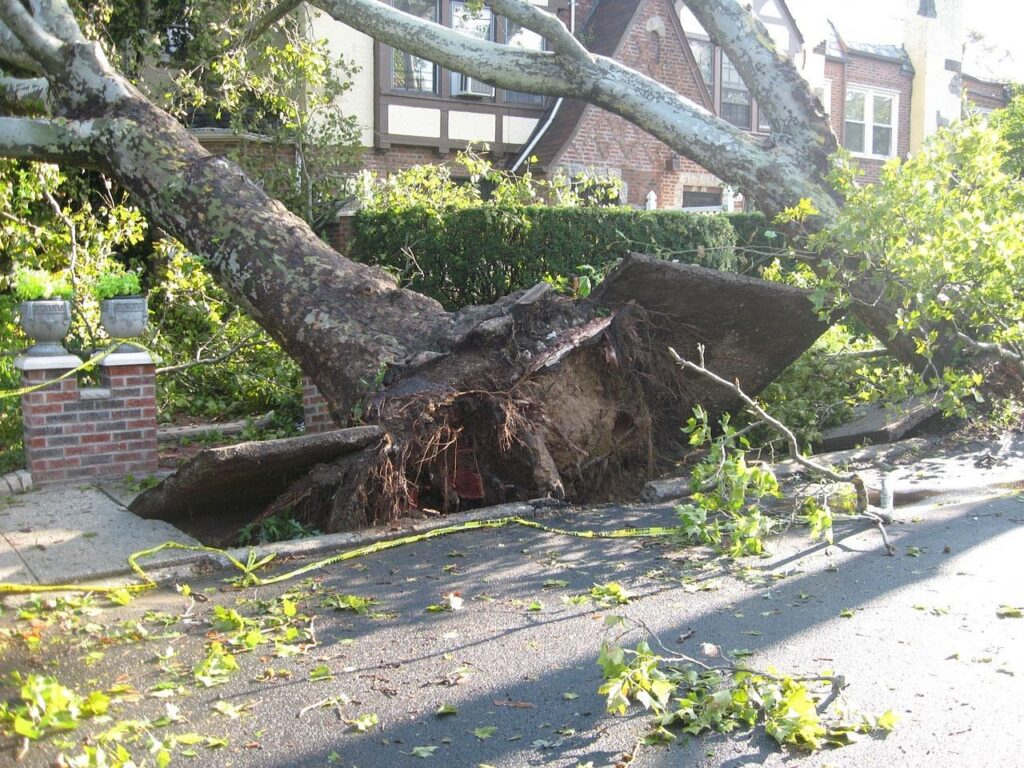
In a disaster, hunger can spread with shocking speed. Roads are cut off, crops are destroyed, markets collapse, and families can lose homes and food access at the same time. AI is powerful here because it can turn aerial images and field data into actionable maps almost immediately.
WFP's DEEP, the Digital Engine for Emergency Photo-analysis, automates the analysis of drone imagery to assess damage after major disasters. Instead of manually reviewing images for weeks, teams can evaluate tens of thousands of structures within hours. When Hurricane Fiona hit the Caribbean in 2022, WFP used this process to analyze imagery in hours rather than the up to three weeks manual review might have required.
Another example is SKAI, developed by WFP with Google Research. WFP says the tool delivers post-disaster insights 13 times faster and 77 percent cheaper than manual methods. It has been used in crises including the Türkiye-Syria earthquakes in 2023 and the Pakistan floods in 2022. Faster damage assessment means responders know where homes, roads, and cropland were hit hardest, allowing food, cash, and emergency support to reach the right communities before hunger deepens.
AI would work best where infrastructure is weakest, if designed properly

A common criticism is that advanced AI sounds useful only in well-connected, wealthy regions. But hunger is often worst in places with fragile infrastructure, limited internet, and disrupted communications. For AI to matter, it has to function in exactly those settings, including during emergencies when connectivity fails.
That is why practical design matters more than flashy design. WFP emphasizes that some tools, such as drone-based damage assessment systems, do not require constant connectivity or sophisticated local computing infrastructure. Offline capability is not a luxury in humanitarian work. It is often the difference between a tool that works in theory and one that works when communities are isolated by conflict, storms, or collapsed networks.
This also raises a bigger fairness issue. AI should not widen the digital divide between richer and poorer countries. The most useful systems will be those that are lightweight, adaptable, multilingual, and built around local realities. If AI tools can operate with patchy data, basic hardware, and local human oversight, they can support the communities most at risk instead of bypassing them.
AI would need human judgment, strict safeguards, and public trust

The strongest case for AI is not that it replaces people. It is that it gives skilled people better information, faster. Hunger is too serious for black-box systems that make life-changing decisions without transparency. WFP is clear on this point: AI should not replace the human element, especially in high-stakes humanitarian settings.
The risks are real. Poor-quality data can produce biased outputs that exclude people who need help or misclassify vulnerable households. Privacy is another major concern because food aid systems often handle sensitive personal information. That is why interpretable models, strong security protections, and independent review are essential. A tool that is accurate on average but unfair in practice can do real harm.
Still, the opportunity is enormous when safeguards are built in. Partnerships between aid agencies, universities, and private companies can bring world-class models into humanitarian use without forcing agencies to build everything from scratch. AI alone will not end hunger, because hunger is also political, economic, and social. But used responsibly, it can help the world predict need earlier, grow food smarter, deliver aid better, and save lives faster than ever before.




Leave a Reply