
Food is often the centerpiece of Mother's Day. Done well, it turns an ordinary Sunday into a day that feels genuinely considered.
Start the Day with a Breakfast That Feels Thoughtful

The best Mother's Day breakfast is not the most elaborate one. It is the one that arrives warm, well-timed, and tailored to what she actually likes to eat.
Breakfast in bed remains popular because it signals care, but it works best when the menu is simple and stable. Scrambled eggs, yogurt with berries, a small pastry, and hot coffee travel better than stacked pancakes drowning in syrup. If you want something more polished, baked French toast prepared the night before is a smart option because it reduces morning rush and delivers a rich, crowd-pleasing result.
Balance matters. A strong breakfast tray usually includes one savory item, one sweet element, fruit, and a drink. That mix keeps the meal from feeling one-note and helps accommodate different appetites, especially if the household plans a larger brunch or dinner later.
Presentation also changes the experience. A cloth napkin, a small flower in a jar, and a handwritten note can do more than an extra side dish. The goal is not abundance for its own sake. It is comfort, ease, and evidence that someone planned ahead.
Build a Brunch Menu Around Make-Ahead Dishes

Brunch has become the signature Mother's Day meal in many households, and for good reason. It feels celebratory, allows for both sweet and savory dishes, and suits families with mixed schedules.
A well-built brunch menu usually centers on 2 or 3 anchor dishes. A vegetable frittata, smoked salmon platter, and cinnamon roll casserole create variety without forcing the cook to manage too many burners at once. According to hospitality trends reported across recent spring dining coverage, buffet-style brunches remain popular because guests can serve themselves while the host stays present.
Texture and freshness are what separate a heavy brunch from an elegant one. If your menu includes rich items like quiche or strata, offset them with a crisp salad, sliced melon, or citrus segments. A sparkling beverage station with juice, tea, and coffee gives the table a festive look without requiring bartending skills.
For larger gatherings, think in terms of portions and holding time. Egg dishes can sit briefly, pastries hold well, and fruit can be prepped in advance. The strongest brunches are designed to reduce last-minute stress, not create it.
Plan Lunch for Lightness, Color, and Conversation

Lunch is the overlooked middle ground on Mother's Day. It works especially well for families who want a relaxed celebration without the formality or cost that often comes with dinner reservations.
A successful lunch menu should feel fresh and seasonal. Think grilled chicken with lemon and herbs, pasta salad with spring vegetables, or tea sandwiches paired with soup. These meals are easier to prepare than multi-course dinners and are often better suited to warmer May weather in many regions.
Color plays a bigger role at lunch because the meal tends to be visually driven. Bright greens, pink radishes, strawberries, and fresh herbs make the table feel festive without expensive ingredients. A simple platter of roasted salmon with dill, baby potatoes, and asparagus can look like a special-occasion spread when arranged well.
Lunch also invites conversation because it is naturally slower and lighter. You are not rushing through a heavy meal, and guests tend to linger over iced tea or dessert. That pacing can matter more than menu complexity, especially on a day meant to make mothers feel appreciated rather than managed.
Add Snacks, Sips, and Small Touches Throughout the Day

What makes Mother's Day feel generous is often not one big meal but a sequence of thoughtful moments. A midafternoon snack board or a well-timed drink can extend the celebration without adding pressure.
Snack boards work because they are flexible and visually appealing. A combination of cheese, grapes, nuts, crackers, olives, and chocolate covers sweet, salty, and savory preferences at once. If children are participating, this is also one of the easiest ways to let them help by washing fruit, arranging ingredients, or choosing colors and shapes for the board.
Beverages deserve equal attention. Fresh lemonade, iced hibiscus tea, coffee with flavored cream, or a simple sparkling mocktail can make the day feel festive. If alcohol is part of the celebration, keep it measured and food-friendly, such as a light sparkling wine or a brunch cocktail with citrus.
These in-between offerings are especially useful when the schedule includes breakfast and dinner with a long gap between them. They keep energy up, prevent overeating at one sitting, and make the day feel intentionally paced rather than accidentally stretched.
Make Dinner the Main Event Without Overcomplicating It

Dinner carries emotional weight because it often feels like the final centerpiece of the day. The smartest approach is to choose a menu that looks impressive but relies on dependable techniques.
Roast chicken with herbs, seared salmon, or a baked pasta can anchor a Mother's Day dinner beautifully. These dishes feel celebratory, scale well for families, and do not require restaurant-level timing. Pair them with 2 sides that bring contrast, such as mashed potatoes and green beans, or risotto and roasted carrots, so the plate feels complete rather than crowded.
The strongest dinner menus are built around what can be prepped early. Desserts can often be made the day before, vegetables can be trimmed in advance, and marinades can do much of the flavor work while you focus on timing. Professional cooks often emphasize that home entertaining succeeds when the host is not cooking every component at the last second.
If dining out is the plan, strategy still matters. Reserve early, confirm the menu, and account for wait times and dietary needs. A smooth experience feels more luxurious than an expensive one that feels rushed or chaotic.
Finish with Dessert That Matches the Mood of the Day
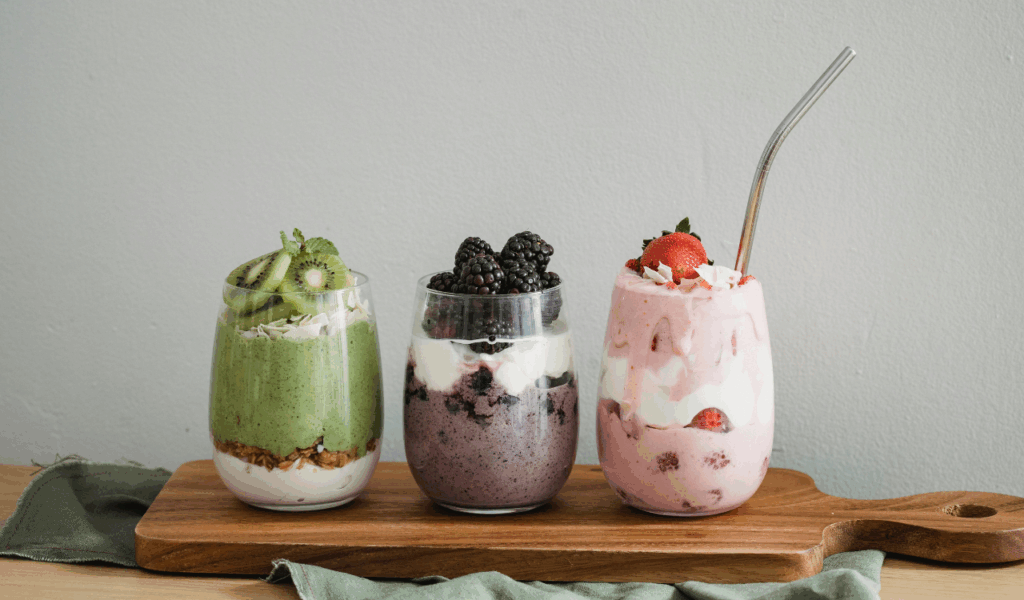
Dessert should feel like a reward, not a test of endurance for the cook. On Mother's Day, the best sweet ending is one that matches the tone of the celebration and the appetite left after the meal.
For a refined dinner, fruit tarts, lemon bars, or chocolate mousse offer elegance without excessive heaviness. For casual family gatherings, strawberry shortcake, banana pudding, or a sheet cake with buttercream can be more comforting and easier to serve. Seasonal fruit matters in May, and berries are often at their best, which makes them a practical and flavorful centerpiece.
If children are involved, dessert can become part of the gift. Decorating cupcakes, assembling an ice cream sundae bar, or layering parfaits in clear glasses creates a shared activity rather than just a final course. That matters because food memories are often shaped by participation as much as taste.
A thoughtful Mother's Day menu does not need to be extravagant from start to finish. It needs rhythm, balance, and a clear sense of who the day is for. When each meal is chosen with intention, the food becomes more than fuel. It becomes part of the gratitude itself.




Leave a Reply