
Eggs seem simple, but storing them correctly is one of the easiest food-safety upgrades you can make. A few smart habits the second you get home can help them last longer and stay safer to eat.
Get the eggs into the refrigerator right away
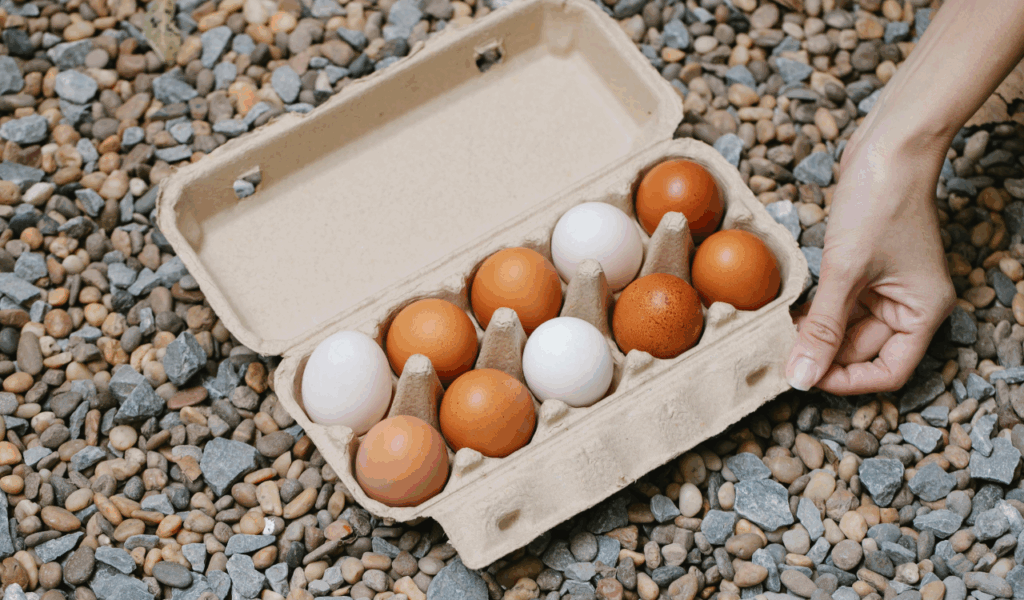
The first rule is the most important one: store-bought eggs should go straight into the refrigerator as soon as you get home. In the United States, eggs are washed before sale, which removes the shell's natural protective coating. That process helps clean the shell surface, but it also leaves the shell more porous and more vulnerable if the eggs are kept too warm.
Food-safety guidance consistently recommends keeping eggs at or below 40 degrees Fahrenheit. Once refrigerated eggs warm up at room temperature, condensation can form on the shell. That moisture creates better conditions for bacteria to move and multiply, which is exactly what you want to avoid in a high-protein food.
Timing matters, too. If eggs sit out for more than two hours, the risk starts to climb. That is especially true in a hot car after a grocery run or during summer weather. The safest move is simple: unload perishables first, and make eggs part of that priority list.
Fresh, unwashed backyard eggs are a separate case because they still have their natural bloom intact. Even so, refrigeration extends their usable life dramatically, often from a few weeks at room temperature to a few months when chilled. For most households, cold storage is the more practical and safer option.
Keep them in the carton, not the fridge door
A lot of refrigerators come with built-in egg holders in the door, but that is usually the wrong place to use them. The door experiences constant temperature swings because it warms slightly every time it is opened. Eggs do best in a colder, more stable part of the refrigerator, usually on an interior shelf near the back.
Their original carton is not just packaging. It is designed to cushion the eggs from bumps, reduce the chance of hairline cracks, and shield them from strong odors. Eggs can absorb smells from nearby foods surprisingly easily, so the carton helps preserve their neutral flavor.
There is also a right way to place them inside the carton: large end up, pointed end down. That orientation helps keep the air cell at the top and supports the yolk staying more centered. It may sound like a small detail, but it can make a visible difference when you fry, poach, or prepare deviled eggs.
This is one of those kitchen habits that pays off quietly. A carton on a middle shelf protects quality better than a decorative egg tray in the door. It also keeps the sell-by date and other package information close at hand, which makes rotation and meal planning easier.
Do not wash eggs before storing them
It feels natural to wash food before putting it away, but eggs are the exception. Store-bought eggs have already been cleaned and processed before they reach the carton. Washing them again at home does not make them safer. In fact, it can increase the chance of pushing contaminants through the shell.
Eggshells are porous, even when they look smooth and solid. Moisture on the shell can help bacteria move inward, especially if the water is dirty or the shell gets rubbed aggressively. That is why food-safety experts generally advise leaving eggs alone until you are ready to use them.
The same caution applies even more strongly to fresh eggs from a backyard flock. Those eggs have a natural outer layer called the bloom or cuticle, which helps block bacteria and slow moisture loss. Washing removes that protective barrier, shortening shelf life and increasing vulnerability during storage.
If an egg has visible dirt on it, dry cleaning methods are usually preferred for fresh eggs meant for storage, such as gently brushing off debris. If washing becomes necessary, it is better done immediately before use rather than before refrigeration. The basic principle is simple: clean-looking eggs store best when left dry and undisturbed.
Check for cracks before and after you bring them home
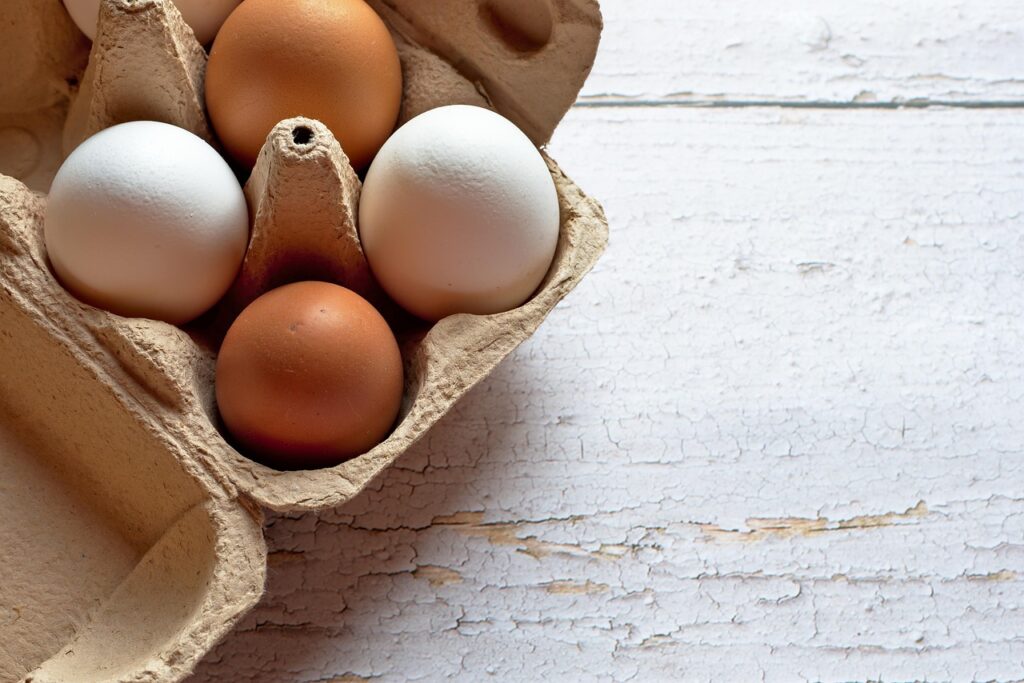
A cracked egg is not just messy. It is a direct food-safety concern because breaks in the shell give bacteria a route inside. That is why one of the smartest grocery-store habits is opening the carton before you buy it and inspecting every egg quickly for visible cracks or leaks.
This step matters more than many shoppers realize. A carton can look perfectly fine from the outside while one egg inside is broken or stuck to the packaging. Catching that problem in the store saves money, prevents cross-contamination in your bag, and keeps liquid egg from touching other foods.
If an egg cracks after you get home, the next move depends on timing. If it breaks in the carton or while unloading groceries, crack it into a clean airtight container, refrigerate it immediately, and use it within two days. That gives you a short but workable window for scrambled eggs, baking, or omelets.
If you are dealing with heavily damaged eggs, especially ones of uncertain age or eggs left warm too long, it is better to discard them. The cost of one or two eggs is minor compared with the risk of foodborne illness. Good egg storage is really about reducing small hazards before they become larger ones.
Freeze eggs the right way if you will not use them soon
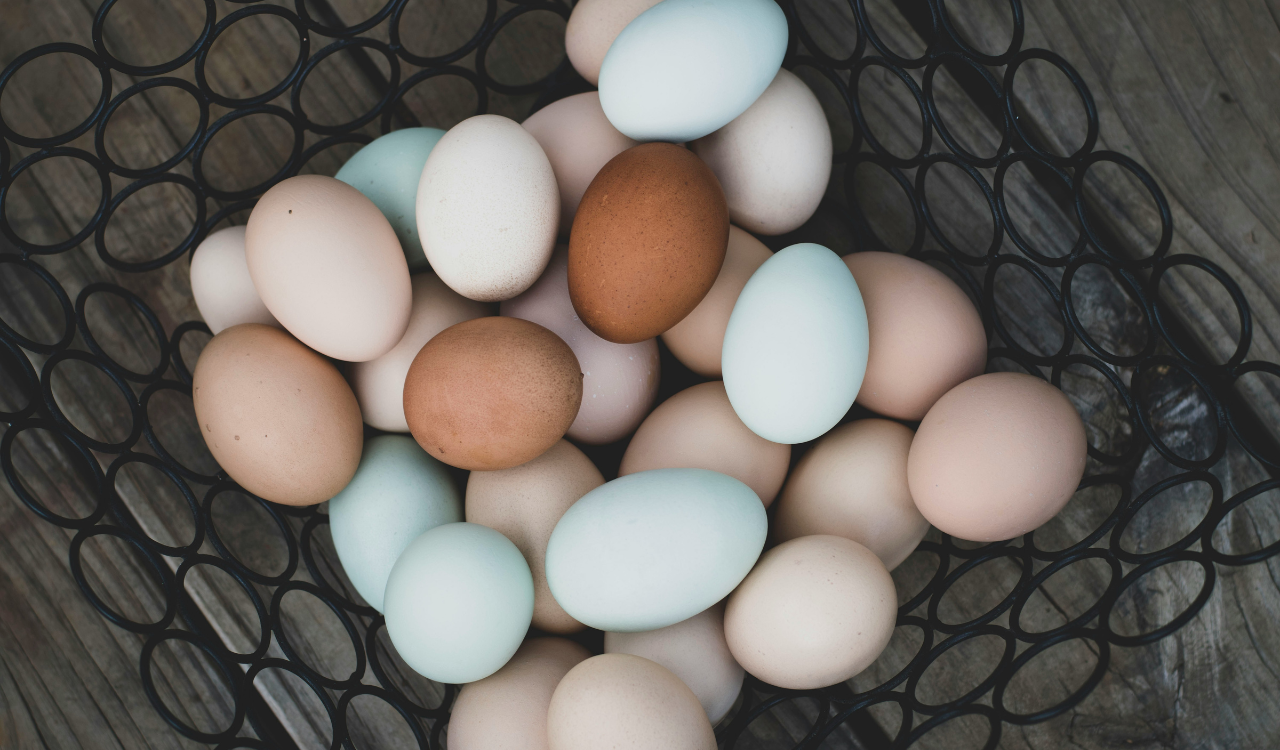
Eggs are highly usable, but not every carton gets finished on time. If you bought extra for baking season, meal prep, or a warehouse-store deal, freezing can prevent waste. What you should never do, however, is freeze eggs in their shells. Because eggs contain a lot of water, the contents expand and can crack the shell during freezing.
The correct method starts by cracking the eggs into a bowl. Beat them gently until the yolks and whites are just combined. For best texture later, many cooks add a small amount of salt for savory uses or sugar for baking uses, since this helps reduce the thick, gel-like change yolks can undergo in the freezer.
After mixing, portion the eggs into freezer-safe containers, silicone trays, or muffin tins. Once frozen solid, transfer portions to an airtight freezer bag or sealed container and label them clearly. Properly frozen eggs can keep well for up to one year, which makes them useful for future breakfast dishes or recipes.
Thaw them in the refrigerator, not on the counter. Then use them in fully cooked preparations such as quiches, casseroles, scrambled eggs, or baked goods. Freezing will not preserve the exact texture needed for every dish, but it is an excellent strategy when the goal is safety, convenience, and less waste.
Build a better egg routine from the moment you walk in
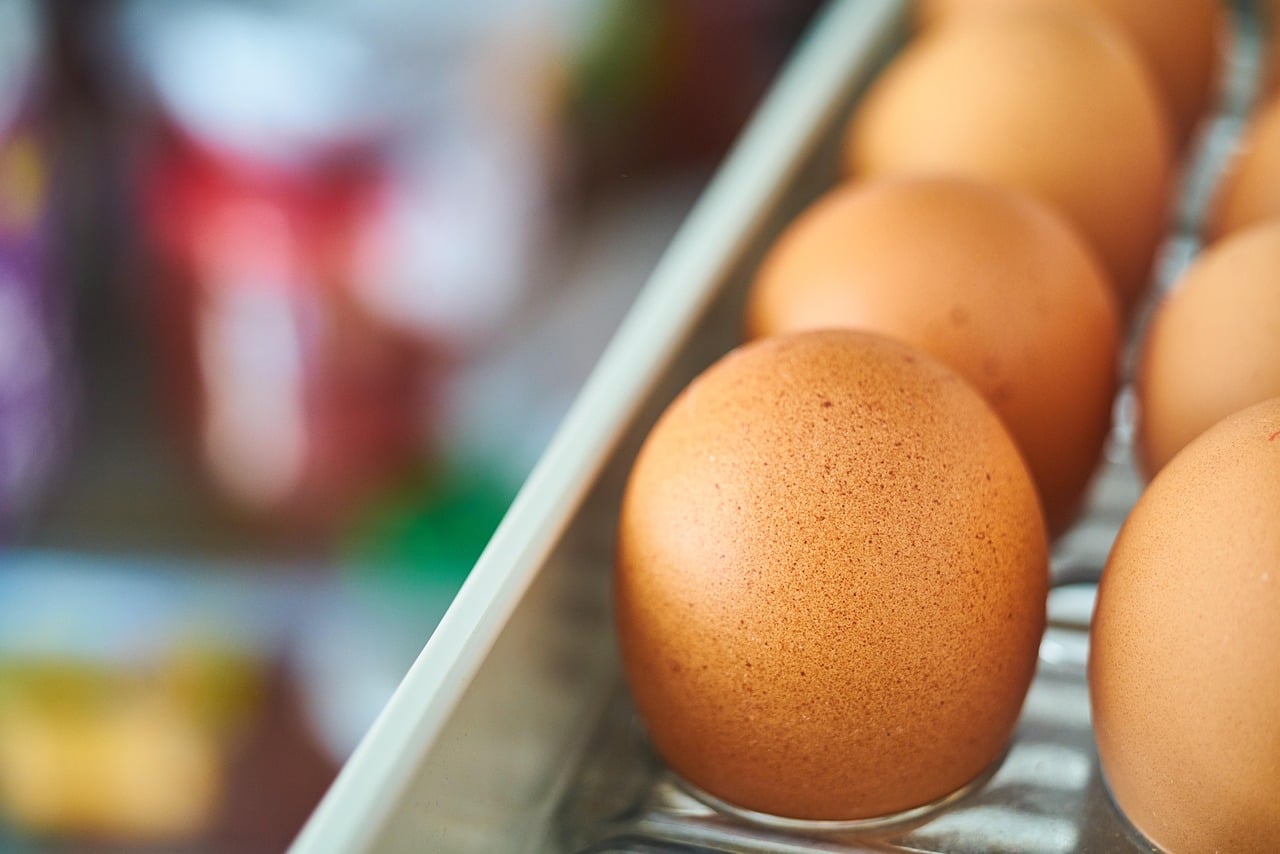
The best egg storage habit is not complicated. When you come home, put the eggs straight into the refrigerator, keep them in their carton, and place them on an interior shelf instead of the door. Those three moves alone solve the most common mistakes people make without realizing it.
Then add a quick visual check. If any eggs are cracked, separate them from the intact ones and decide immediately whether to use them soon or throw them out. Do not wash the eggs before storing them, and do not transfer them to open bins that expose them to odors and fluctuating temperatures.
This kind of routine is useful because eggs are both everyday ingredients and highly perishable foods. They show up in breakfast, baking, quick dinners, and meal prep, so protecting their quality has a practical payoff. Better storage can mean fewer spoiled eggs, better cooking results, and less last-minute guesswork.
In the end, egg safety is less about complicated rules and more about consistency. Treat eggs as a refrigerated staple, not a countertop item or a fridge-door decoration. The second you get home is when freshness starts being preserved or lost, and that small decision shapes everything that comes after.




Leave a Reply