
It started as a convenience experiment and quickly turned into a close look at how modern food decisions get made. After seven days of letting a grocery app choose every meal, the patterns were hard to ignore.
The app was not really choosing meals, it was choosing from its own priorities

At first glance, the app seemed almost helpful in a deeply personal way. It surfaced weeknight pasta kits, breakfast bundles, sandwich fixings, and snackable produce as if it understood our schedule. But after a few days, it became clear that its version of meal planning was less about nutrition or household needs and more about what its system was built to promote.
Retail grocery apps are designed around inventory movement, sponsored placements, margin-friendly products, and customer retention. That means what looks like a neutral recommendation is often shaped by what is overstocked, discounted, private-label, or tied to a promotion. Industry analysts have long noted that digital grocery shelves work like search engines and checkout aisles at the same time. The products that appear first are not always the ones that best fit a meal, only the ones the platform most wants you to see.
That shaped our week in obvious ways. Chicken breasts showed up constantly because they were on promotion. Meal kits appeared when prepared foods needed visibility. Store-brand yogurt, pasta sauce, and cereal were repeatedly suggested even when better-reviewed alternatives were available. In practical terms, the app did not "decide dinner" in the way a home cook would. It narrowed the range of available choices to the items that aligned with the retailer's business logic.
This matters because users tend to trust convenience tools more than they realize. A 2024 wave of reporting on algorithmic shopping pointed out that many consumers assume recommendations are personalized when they are often only partially so. Our week confirmed that idea. The app did not act like a dietitian, chef, or budget coach. It acted like a highly efficient merchandiser with a pleasant interface.
Convenience made us faster, but not necessarily more thoughtful
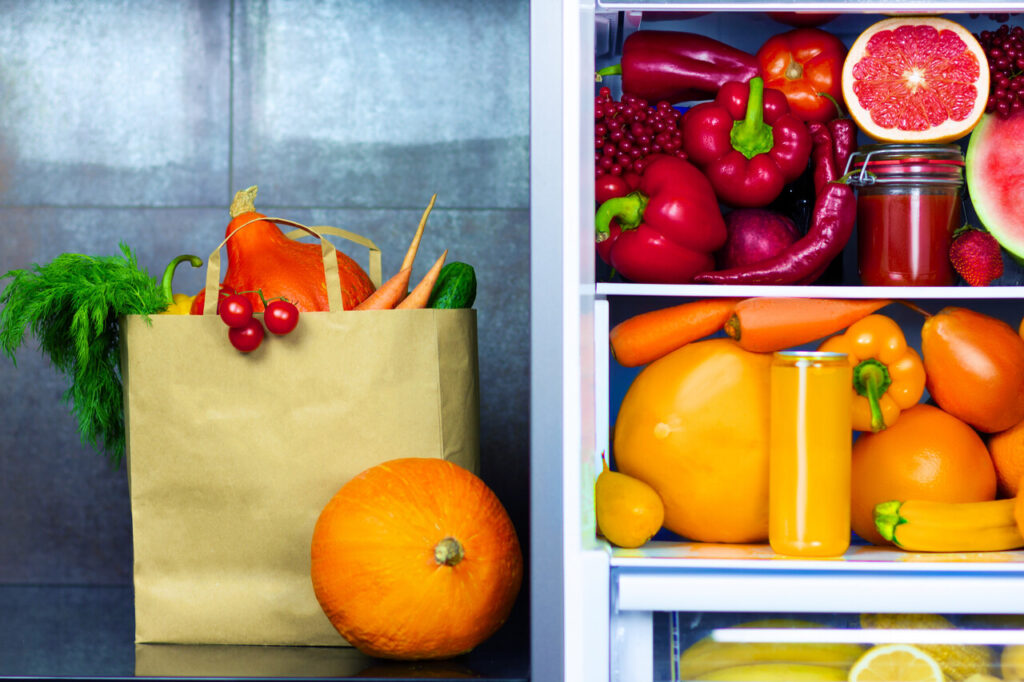
The second thing we noticed was how quickly convenience turns into compliance. Once the app populated a cart with ingredients for tacos, rotisserie chicken bowls, frozen waffles, bagged salad, and pasta night, it felt easier to tap through than to pause and reconsider. That is the hidden power of digital grocery shopping: it removes friction, but it also removes reflection.
Behavioral researchers often talk about default effects, the tendency people have to stick with preselected options. Grocery apps use this principle constantly. Reorder buttons, one-click substitutions, recipe bundles, and "buy again" prompts all speed up decision-making by making the next step feel obvious. In our case, breakfast became repetitive almost immediately because the app kept steering us to high-frequency staples like yogurt cups, granola, bananas, and eggs. Lunches followed the same pattern with deli turkey, wraps, sliced cheese, and prewashed greens.
There were benefits. We spent less time wandering store aisles, less time debating meals at 6 p.m., and less mental energy on grocery logistics. For busy households, that can feel transformative. Grocery e-commerce has grown for exactly this reason. It saves planning time, reduces impulse browsing in physical stores, and can make weeknight cooking more manageable.
Still, the efficiency came with a tradeoff. We noticed fewer spontaneous fresh purchases, less variety in produce, and less curiosity overall. In a store, a ripe display of peaches or a fresh fish counter can redirect dinner in a good way. In the app, meals tended to become whatever fit the fastest route from suggestion to checkout. Convenience solved indecision, but it also flattened discovery.
The app nudged us toward processed shortcuts more often than we expected
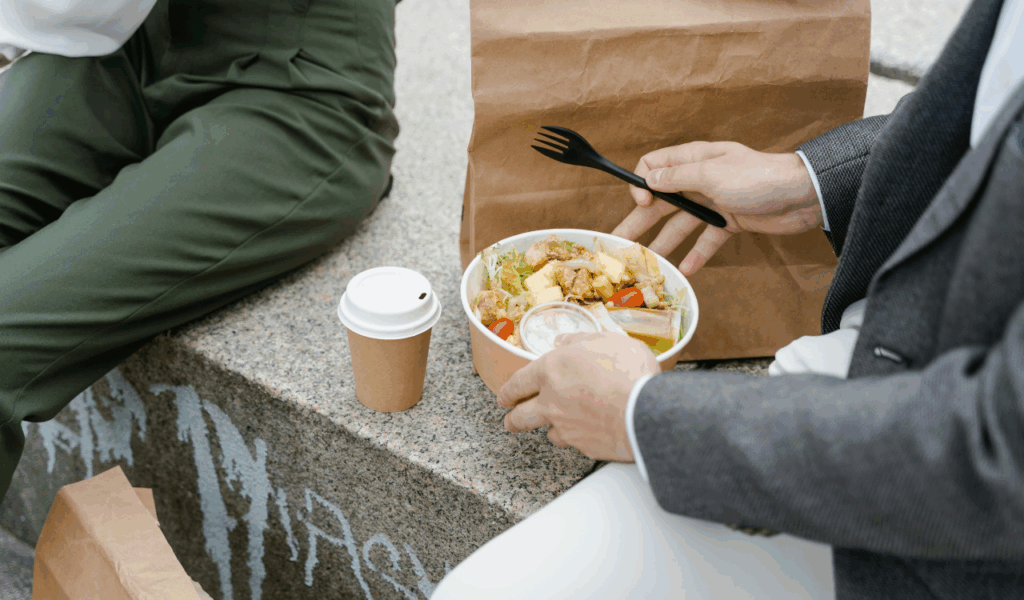
One of the biggest surprises was how often the app's meal logic favored lightly prepared or heavily processed foods. Not every recommendation was unhealthy, and many were perfectly reasonable. But the balance tilted strongly toward convenience products: pre-marinated meats, frozen skillet meals, chopped salad kits, microwaveable rice, bottled sauces, and snack packs sold as meal companions.
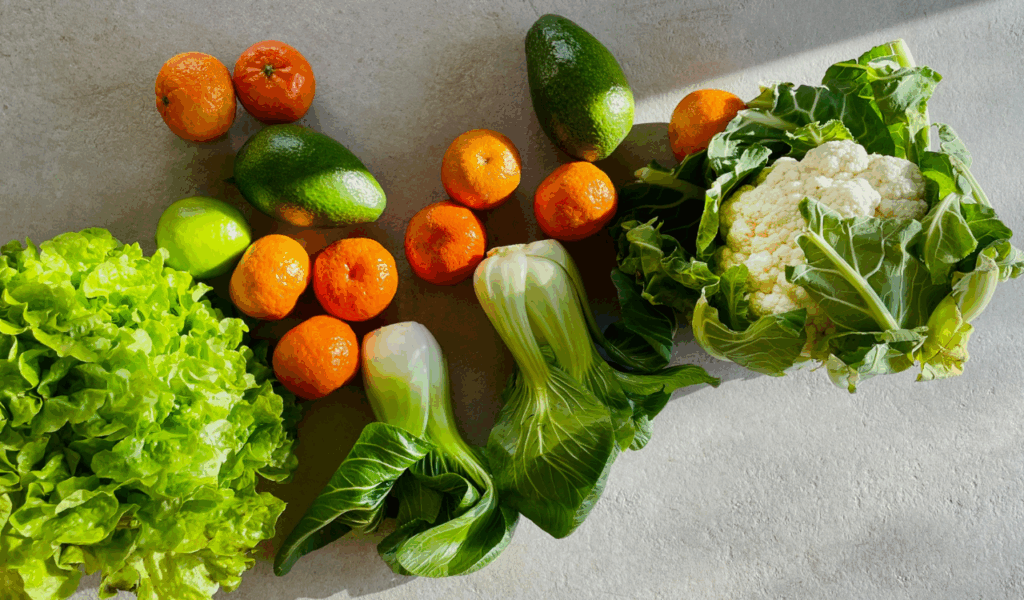
There are practical reasons for this. Processed grocery items are easier to categorize, promote, bundle, and substitute than fresh ingredients with variable quality. They also perform well in digital retail because their packaging, portioning, and shelf life make them reliable purchases. A bagged Caesar salad kit looks predictable on a phone screen. So does a frozen teriyaki bowl. Fresh herbs, loose mushrooms, or a whole cauliflower ask more of the shopper and the cook.
Over the week, we saw this play out repeatedly. A dinner recommendation for "stir-fry night" was essentially bottled sauce, precut vegetables, instant rice, and chicken strips. Taco night leaned on seasoning packets, shredded cheese blends, and tortillas paired with jarred salsa and premade guacamole. Even breakfast often arrived in assembled form, such as sandwich kits or protein bars added through recommendation rails near checkout.
Nutrition experts routinely caution that processing itself is not the only issue, but ultra-convenient foods can bring excess sodium, added sugars, and larger-than-expected serving distortion. According to public health guidance from agencies like the CDC and USDA, meals built around whole grains, legumes, produce, and minimally processed proteins tend to support better long-term eating patterns. Our app did not ignore those foods, but it rarely made them the easiest path. It rewarded assembly more than cooking, and that subtly changed the quality of the week.
Personalization felt smart in places, but it missed the real texture of a household
Here is where the experiment became more revealing than impressive. The app remembered enough to seem intelligent, but not enough to feel genuinely adaptive. It recognized that we buy eggs often, that pasta is a common fallback, and that discounted berries can trigger a purchase. Yet it struggled with the messier realities that define how actual households eat.
For example, after one chicken-heavy dinner and a lunch wrap order, the app doubled down on poultry for days. It kept suggesting chicken sausages, breaded cutlets, rotisserie chicken, and family-size packs of thighs. It understood repetition as preference rather than fatigue. Many recommendation systems work this way. They are optimized to detect signals from past purchases, but they often lack context about boredom, cooking time, weather, leftovers, changing schedules, or the simple human desire not to eat the same protein four times in one week.
It also had trouble accounting for portion flexibility. The app routinely proposed ingredient quantities that fit idealized recipes rather than real usage. We ended up with too much spinach, not enough tortillas, extra sour cream, and a giant container of spring mix that started fading by day five. This is a common friction point in online grocery planning because apps sell in retail units, while meals happen in uneven household rhythms.
The broader lesson is that personalization in grocery tech is still fairly shallow. Retail platforms can track basket patterns, coupon use, delivery windows, and brand loyalty with precision. But translating that into nuanced meal planning remains difficult. A household is not just a data trail. It is appetite, habit, mood, waste tolerance, time pressure, and personal taste all shifting in real time. Our week showed that the app could recognize transactions. It could not fully understand eating.
We spent differently than we would have in the store, and not always in the way we expected

Most people assume app-based grocery shopping either saves money through fewer impulse buys or costs more because of fees and markups. After a week, the truth looked more complicated. The app helped us avoid obvious in-store temptations, but it also guided us toward a very specific kind of spending: slightly more premium, slightly more packaged, and quietly more frequent add-ons.
The first driver was recommendation layering. A pasta dinner did not stay a pasta dinner. It became pasta, garlic bread, bagged salad, dessert, sparkling water, and "customers also bought" parmesan crisps. Digital merchandising is excellent at expanding baskets this way. Research from the grocery sector has shown that cross-sell prompts can meaningfully increase cart size because the suggestions feel useful rather than indulgent. We found that to be true. We rarely added random candy or magazines, but we did keep accepting meal-adjacent extras.
The second driver was unit economics. Larger packs often appeared as the "best value," but only if the household could actually use them. Family-size yogurt, oversized chicken packs, and warehouse-style produce bags seemed smart at checkout and less smart by the end of the week. Some ingredients stretched into another meal. Others moved us closer to waste, which is its own form of overspending. The U.S. food system already loses enormous value to uneaten food, and household overbuying is a major part of that problem.
Fees and tips mattered too, but they were not the full story. The real cost came from how the app framed decisions. It made convenience feel economical even when it nudged us into pricier shortcuts. We did save time, and time has value. But if the goal was strict budgeting, the app was not a neutral partner. It was a polished environment designed to increase spend while making each extra item feel sensible.
The biggest surprise was how quickly the app started shaping our habits
By the end of seven days, the most important takeaway had less to do with any single meal and more to do with behavior. The app was not just helping us buy food. It was training us in a new rhythm of eating. Breakfast became whatever was easiest to reorder. Lunch became whatever matched prior carts. Dinner became what fit promotional logic, available substitutions, and low-friction assembly.
That kind of shaping is subtle, but powerful. Food routines are built through repetition, and digital platforms are exceptionally good at repeating what works for the platform. Over time, the app began to define normal. A salad kit plus rotisserie chicken started to feel like a complete dinner plan. A frozen side plus pre-seasoned protein became the default answer to a busy evening. Those meals were not necessarily bad, but they reflected the strengths of the app more than the full range of our own preferences.
There is a larger consumer lesson here. Grocery technology can genuinely improve life for people juggling work, caregiving, mobility constraints, or tight schedules. It can reduce stress, simplify planning, and make food access more reliable. For many households, those benefits are real and worth paying for. But convenience tools are never passive. They carry assumptions about value, speed, repetition, and what counts as a meal.
After one week, we came away less skeptical of grocery apps and more realistic about them. They are useful, often impressively so. But they are not simply assisting our choices. They are shaping them, one prompt, substitution, and bundled dinner at a time. The best way to use them is not to surrender every decision, but to stay aware of the system underneath the convenience.




Leave a Reply