
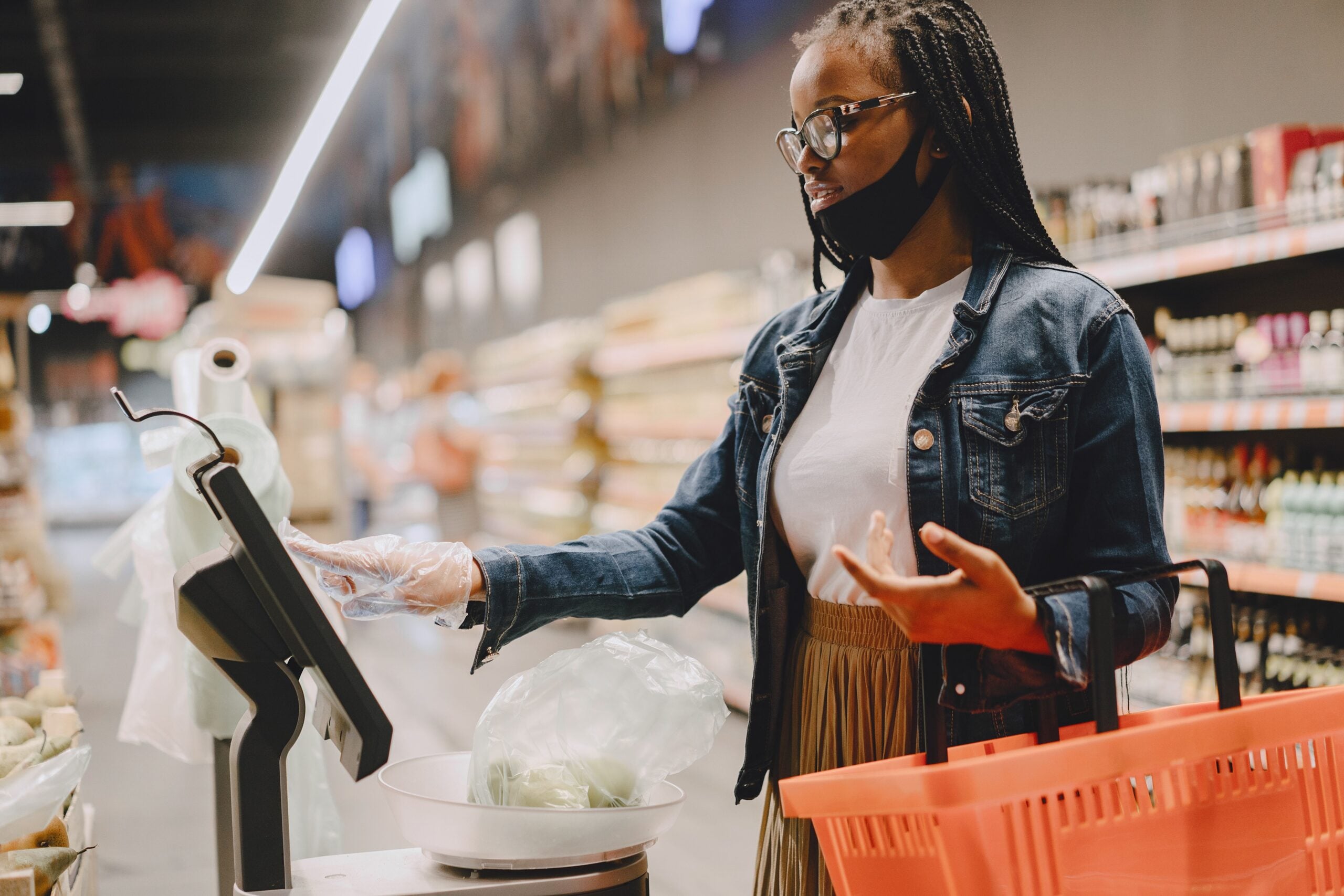
What was sold as convenience is increasingly being experienced as friction. For many Walmart Canada shoppers, self-checkout no longer feels like a faster lane.
Convenience has been replaced by extra work

At its best, self-checkout gave customers control. People with a few items could scan, bag, pay, and leave without waiting behind a full cart. That promise helped make the format popular across Canadian big-box retail.
Now many shoppers describe something different. They are doing the cashier's job while also handling machine prompts, barcode errors, bagging alerts, and payment pauses. What used to feel efficient can feel like unpaid labor wrapped in a technology test.
Retail analysts have long noted that self-checkout works best when the process is simple and the item count is low. In large-format stores like Walmart, baskets often include produce, household goods, bulky items, and age-restricted products. Each of those categories raises the chance of interruption.
That matters because shopping speed is not just about scanning. It is about flow. When the process keeps stopping for approvals or corrections, customers do not experience autonomy. They experience delay with responsibility shifted onto them.
Anti-theft systems are making the process feel accusatory
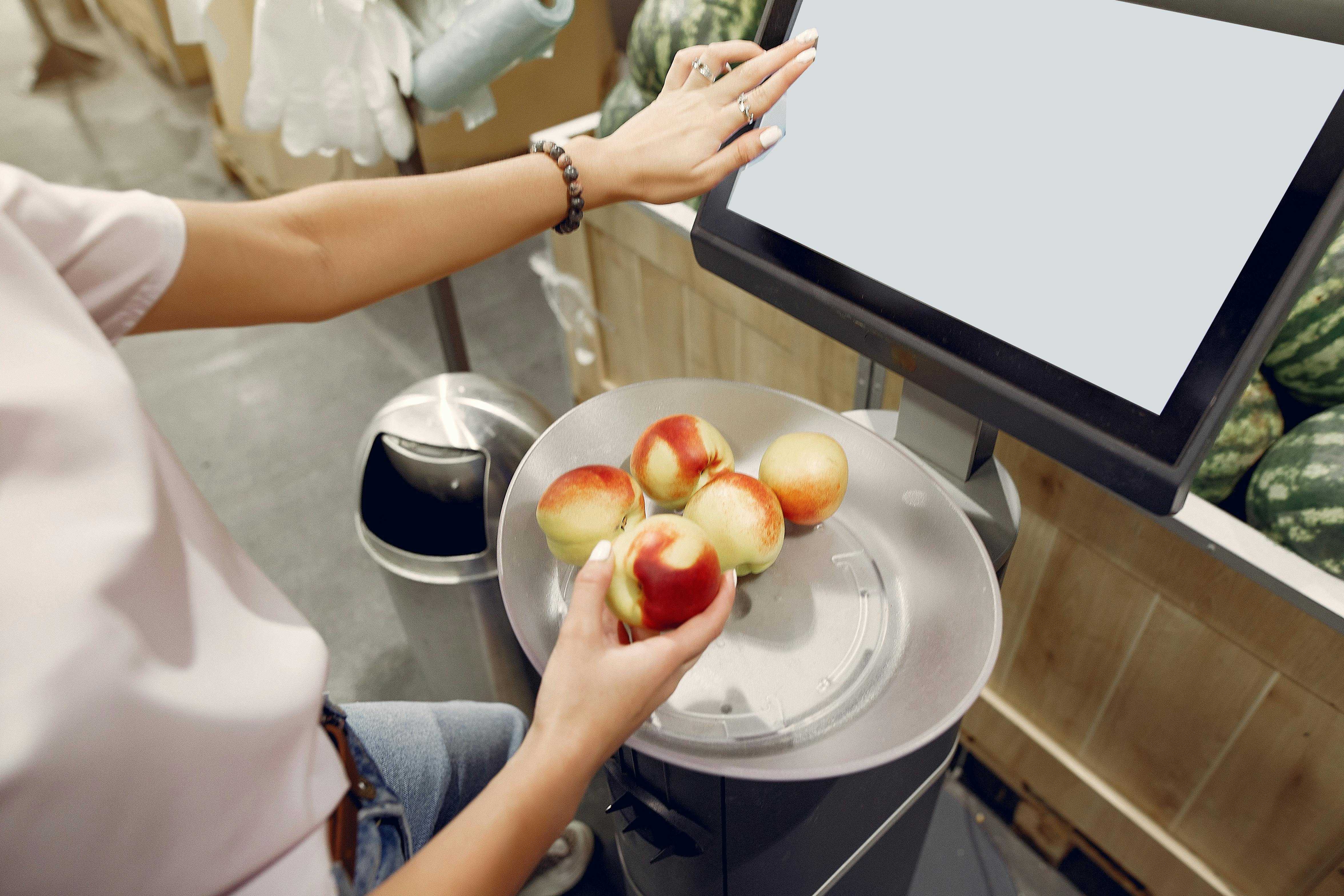
Loss prevention has become a major pressure point across retail. As stores respond to shrink, many self-checkout areas now rely on stricter monitoring, camera-assisted systems, locked merchandise, and more associate interventions. The result can be a checkout experience that feels less welcoming.
At Walmart locations, shoppers frequently report needing help when an item does not register as expected or when the machine flags a mismatch. Even when nothing improper has happened, the interruption can feel like suspicion has been built into the system.
Industry reporting in recent years has shown that retailers are rethinking self-checkout because of theft and scanning mistakes. Some chains have reduced the number of machines or limited access to customers with small baskets. Those moves reflect a wider retail problem, not a Walmart-only issue.
Still, the customer feels the impact at the store level. If every unexpected prompt requires an employee to clear the transaction, shoppers are left standing in place under visible scrutiny. That can turn a routine purchase into an uncomfortable public moment.
Too few staff members can turn a small glitch into a long wait

Technology rarely frustrates customers on its own. The real breakdown happens when there are not enough people nearby to fix the problem quickly. In many stores, one employee may be watching several machines at once while also answering questions and checking IDs.
That staffing model is efficient on paper, but not always in practice. If two customers need approvals, another needs a price check, and a fourth has a frozen payment screen, the line can stall almost immediately. The machines remain open, but the process is no longer moving.
Shoppers tend to compare self-checkout to a staffed lane that keeps advancing. If a traditional cashier can continuously ring through orders while one attendant must constantly bounce between machines, the supposed speed advantage disappears. Perception matters, and so does queue design.
For Walmart Canada, this is especially important in high-traffic suburban stores where peak-hour demand is intense. A small service gap during evenings or weekends can make a checkout zone feel chaotic very quickly, even if the technology itself is functioning normally.
Bigger carts expose the limits of the self-checkout model
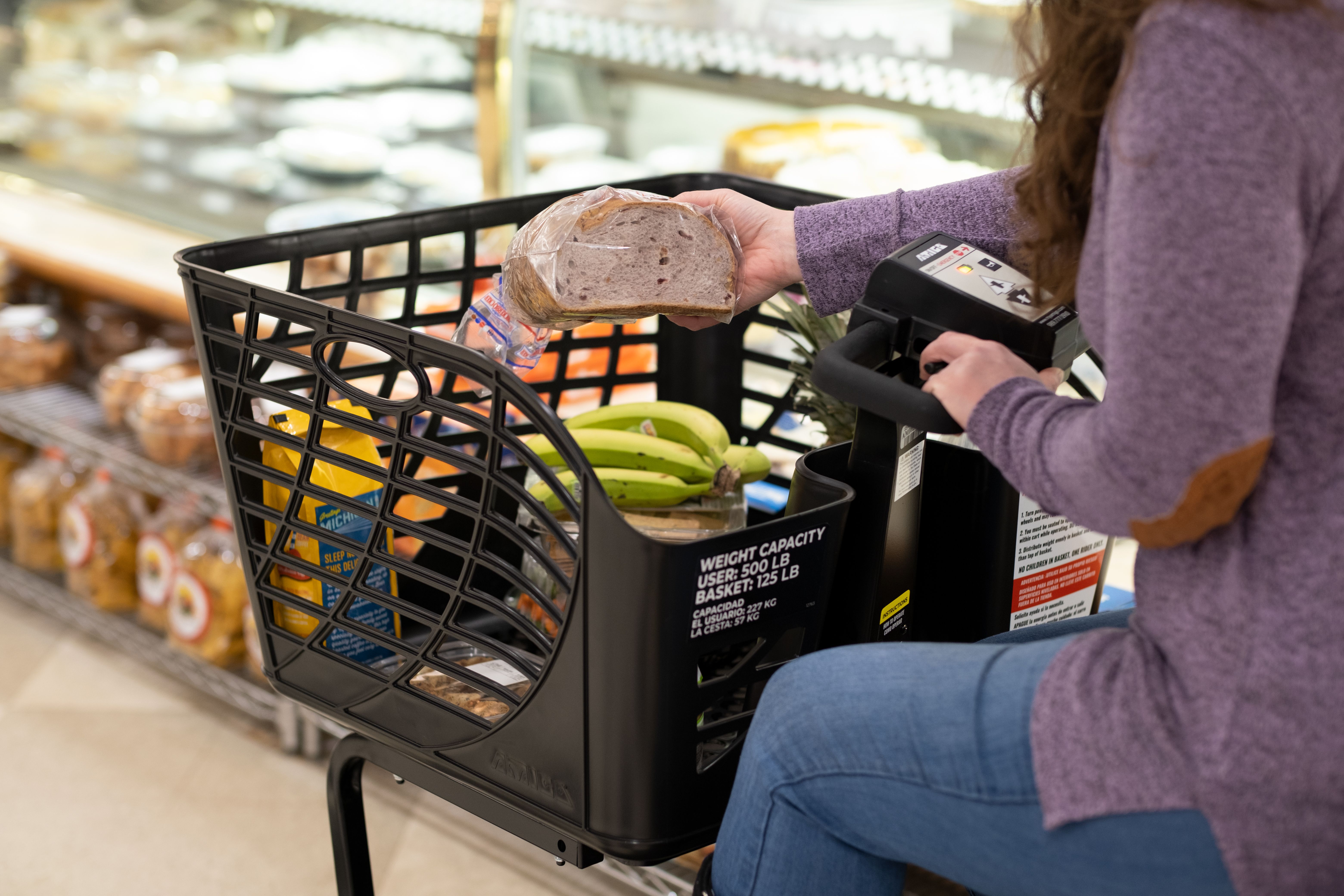
Self-checkout is often most successful in smaller trips. It is much less elegant when a customer is managing a weekly grocery haul, children, reusable bags, fragile goods, and an overloaded cart. In that setting, the design can start working against the user.
Walmart shoppers often buy across categories in one visit. They may scan fruit by code, lift heavy detergent, separate items by bag type, and keep track of promotions at the same time. That is not a streamlined digital interaction. It is a physically demanding multitask.
Some machines also have limited bagging space, which creates a stop-and-start rhythm. Once the area fills up, customers must rearrange items before continuing. Add in produce lookups or multipack confusion and the process gets slower with every step.
This helps explain why customer frustration is often strongest among families and bulk buyers. The self-checkout lane may still work, but it is no longer serving the mission it was meant to support: getting people through a large store faster and with less hassle.
Policy changes can confuse loyal customers
One reason shoppers say the experience has worsened is that expectations keep changing. A store may once have allowed large baskets at self-checkout, then later steer those customers to cashier lanes. Another location may close self-checkout at certain hours or restrict cash use.
From a retailer's perspective, those changes can be rational. They may reflect staffing levels, shrink data, or local traffic patterns. But customers rarely see the internal logic. They simply encounter a setup that feels different from the one they used last month.
Inconsistency is a trust problem as much as an operations problem. Regular shoppers build habits around familiar routines. When signs, staffing, and checkout rules vary by store or by daypart, even simple shopping trips feel unpredictable.
That unpredictability has a cost. It increases decision fatigue, creates tension at the front end, and makes customers more likely to remember the trip negatively. In retail, inconvenience is rarely judged in technical terms. It is judged by how it made people feel.
The future of self-checkout will depend on balance, not more pressure

There is nothing inherently broken about self-checkout. Many shoppers still prefer it for quick trips, privacy, and control. The problem is that retailers have layered too many competing goals onto one system: speed, labor savings, theft reduction, and customer satisfaction.
When one machine is expected to solve all of those issues, trade-offs become obvious. Tight security can reduce ease. Lean staffing can reduce support. Expanded self-service can reduce the human flexibility that keeps checkout moving when something goes wrong.
The path forward is likely practical rather than dramatic. Better staffing at peak times, clearer basket limits, more reliable scanners, and faster associate response would do more for customer sentiment than adding more warnings or stricter prompts.
For Walmart Canada, the message from shoppers is fairly clear. People are not rejecting self-checkout itself. They are rejecting a version of it that feels slower, more stressful, and less respectful of their time than the system it replaced.




Leave a Reply