
Vancouver's sushi scene is crowded, competitive and shaped by close access to Pacific seafood. These five restaurants are widely recognized by local diners and critics, and each has a distinct reason people keep talking about it.
Miku
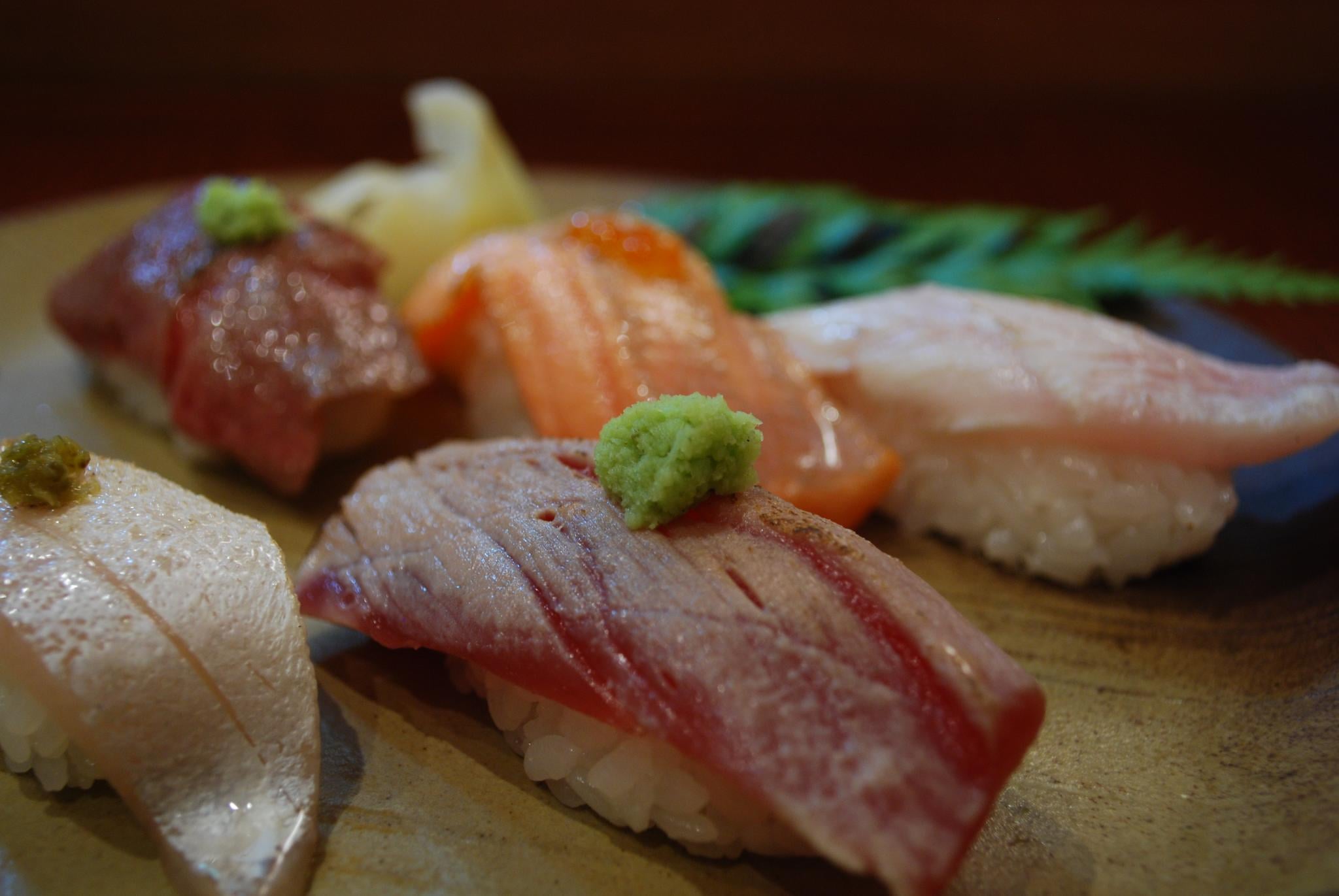
For many Vancouver diners, Miku is the place that turned aburi sushi into a local obsession. Aburi means flame-seared, and at Miku that extra pass with heat changes both the texture and aroma of the fish.
The restaurant opened in Vancouver in 2008, and its Coal Harbour location helped make it a destination for both visitors and office workers. Its best-known item is the Aburi Salmon Oshi Sushi, pressed salmon with a rich sauce that is briefly torched before serving.
Miku is part of the Aburi Restaurants group, and the brand's reputation rests on consistency as much as spectacle. The waterfront setting adds another layer, but the real draw is that the signature dishes are easy for newcomers to understand and memorable enough for regulars to reorder.
Tojo's Restaurant
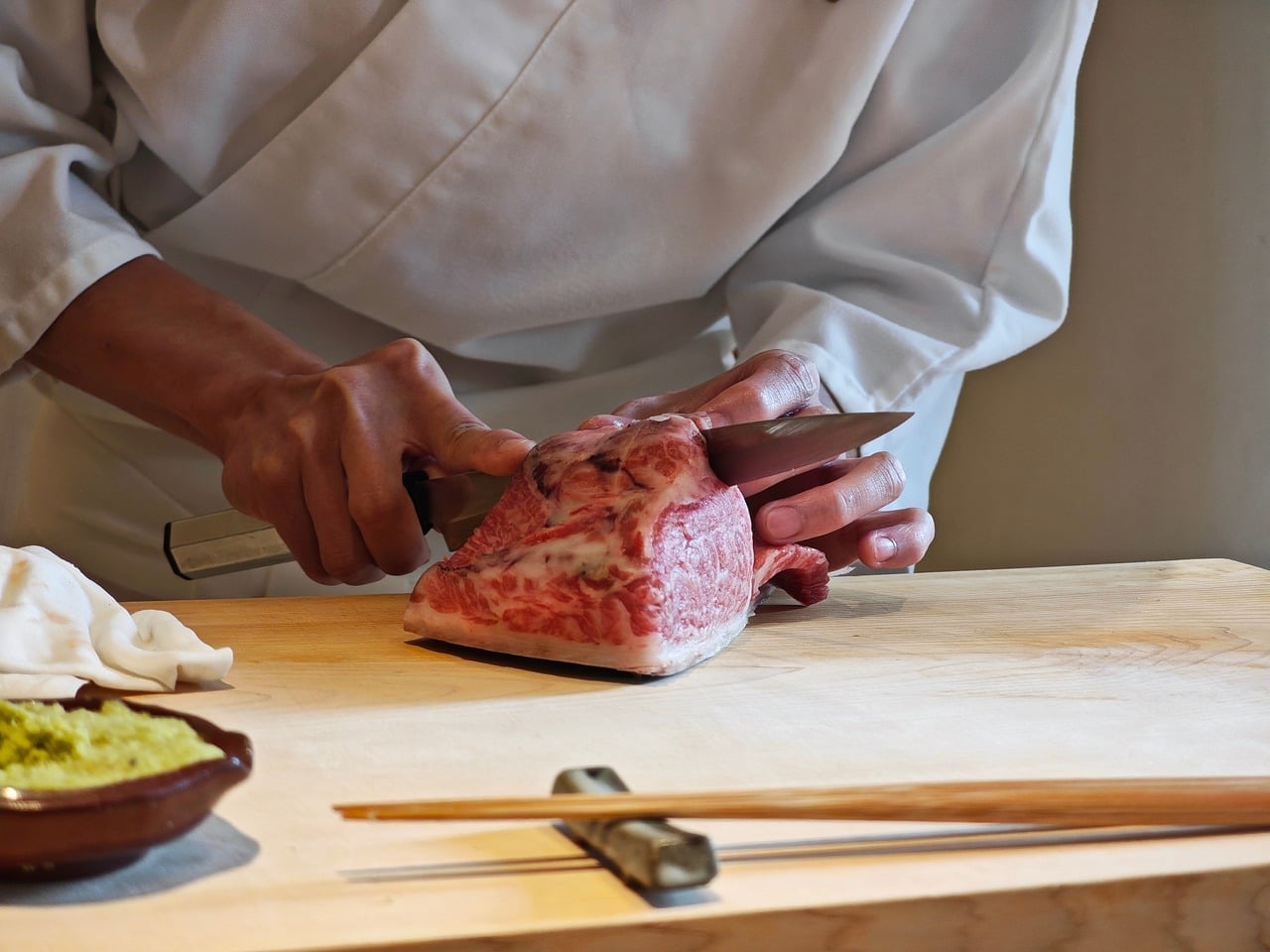
Some sushi restaurants build hype through flash, but Tojo's built it over decades. Chef Hidekazu Tojo has long been one of the city's best-known sushi figures, and his restaurant is closely tied to Vancouver's broader Japanese dining story.
Tojo moved to Vancouver from Japan in 1973 and opened Tojo's Restaurant in 1988. He is widely associated with the creation of the California roll, a dish developed to suit North American diners who were hesitant about seaweed and raw fish.
The restaurant is especially known for omakase, which means the chef chooses the meal. That format works well here because Tojo's reputation has always centered on craft, seasonality and personal judgment rather than on one trendy plate.
Sushi Bar Maumi
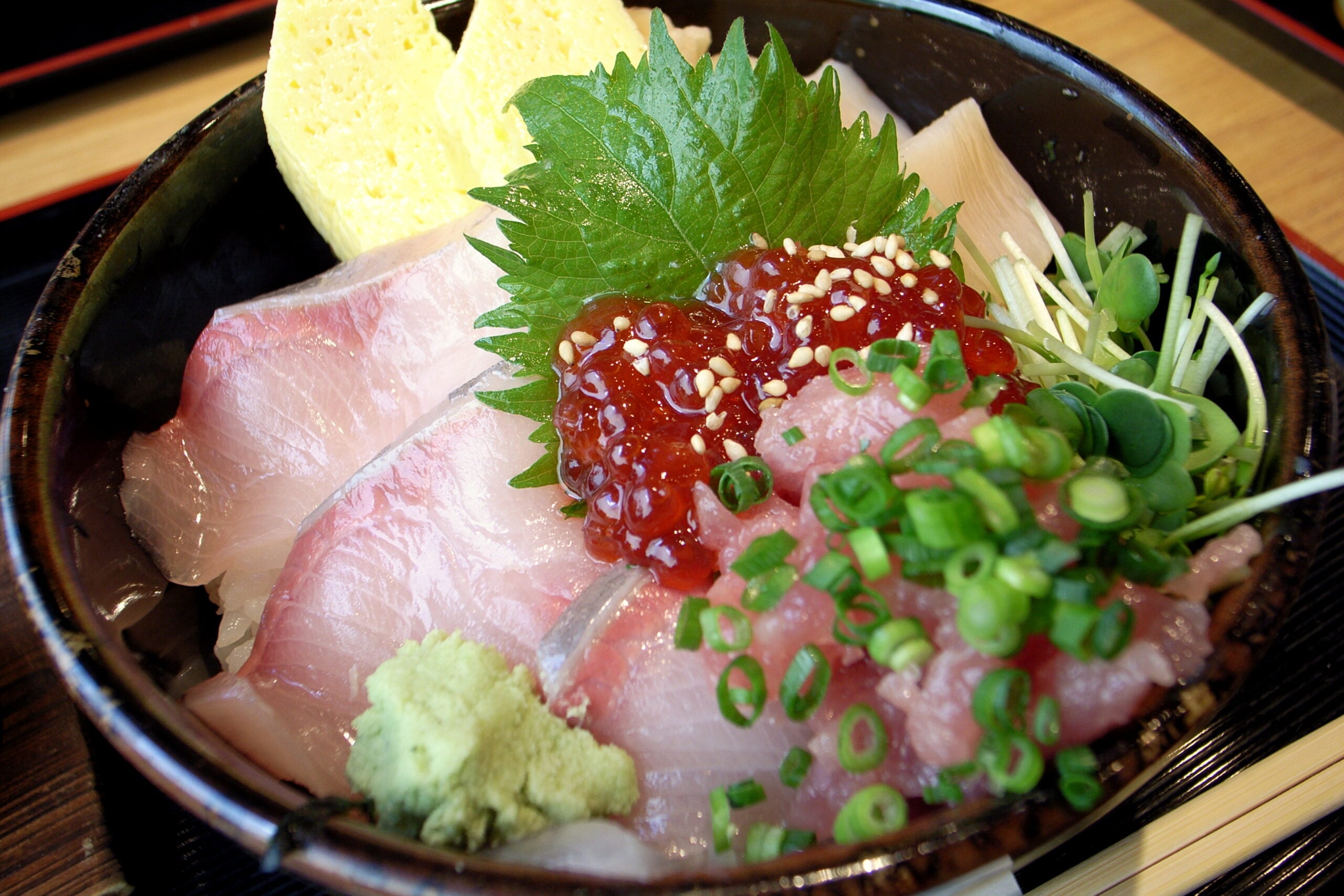
If Miku represents broad appeal, Sushi Bar Maumi speaks to diners who want a more traditional Edomae style experience. Edomae sushi refers to the Tokyo method that highlights careful rice preparation, knife work and precise seasoning.
Maumi is a small counter-style restaurant in Vancouver's West End, and its scale is part of the attraction. The seating is limited, which creates the kind of focused meal where each piece arrives in sequence instead of as a crowded platter.
Local acclaim has followed that disciplined approach for years. Rather than trying to offer a huge menu, Maumi has built its name on a tighter format that puts attention on the fish, the rice temperature and the pacing of the meal.
Masayoshi
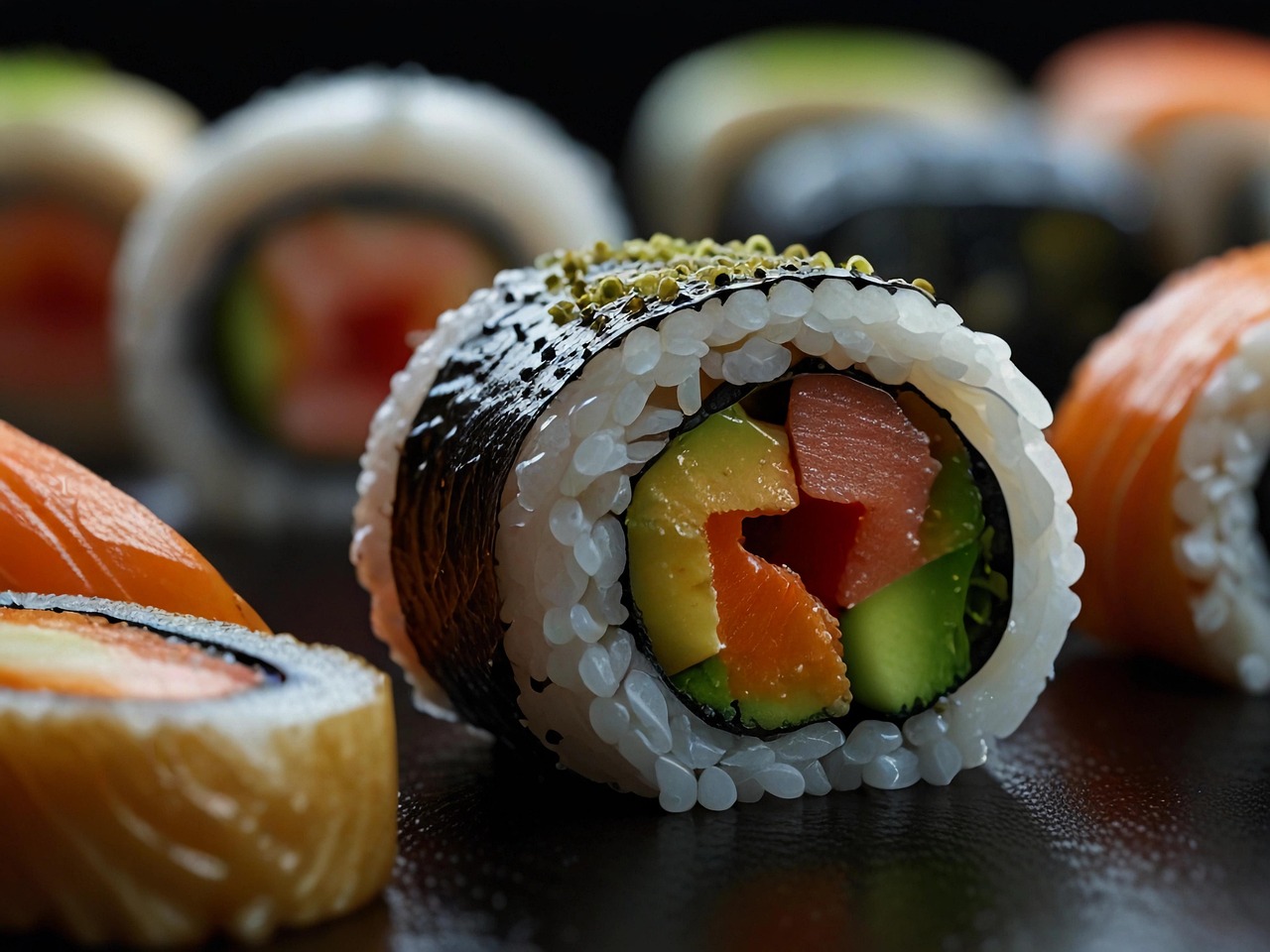
Masayoshi is often the name locals mention when the conversation shifts from everyday sushi to special-occasion sushi. The restaurant is led by chef Masayoshi Baba, whose cooking blends traditional technique with a more contemporary tasting-menu mindset.
Located on Fraser Street, Masayoshi has earned national attention, including recognition from Canada's 100 Best Restaurants list. That matters because it places the restaurant in a conversation bigger than neighborhood buzz.
What keeps people talking, though, is the balance. The room is understated, and the food tends to avoid unnecessary theatrics, which lets details like knife cuts, seasoning and progression do the work. In a city full of casual sushi, that restraint stands out.
Tetsu Sushi Bar
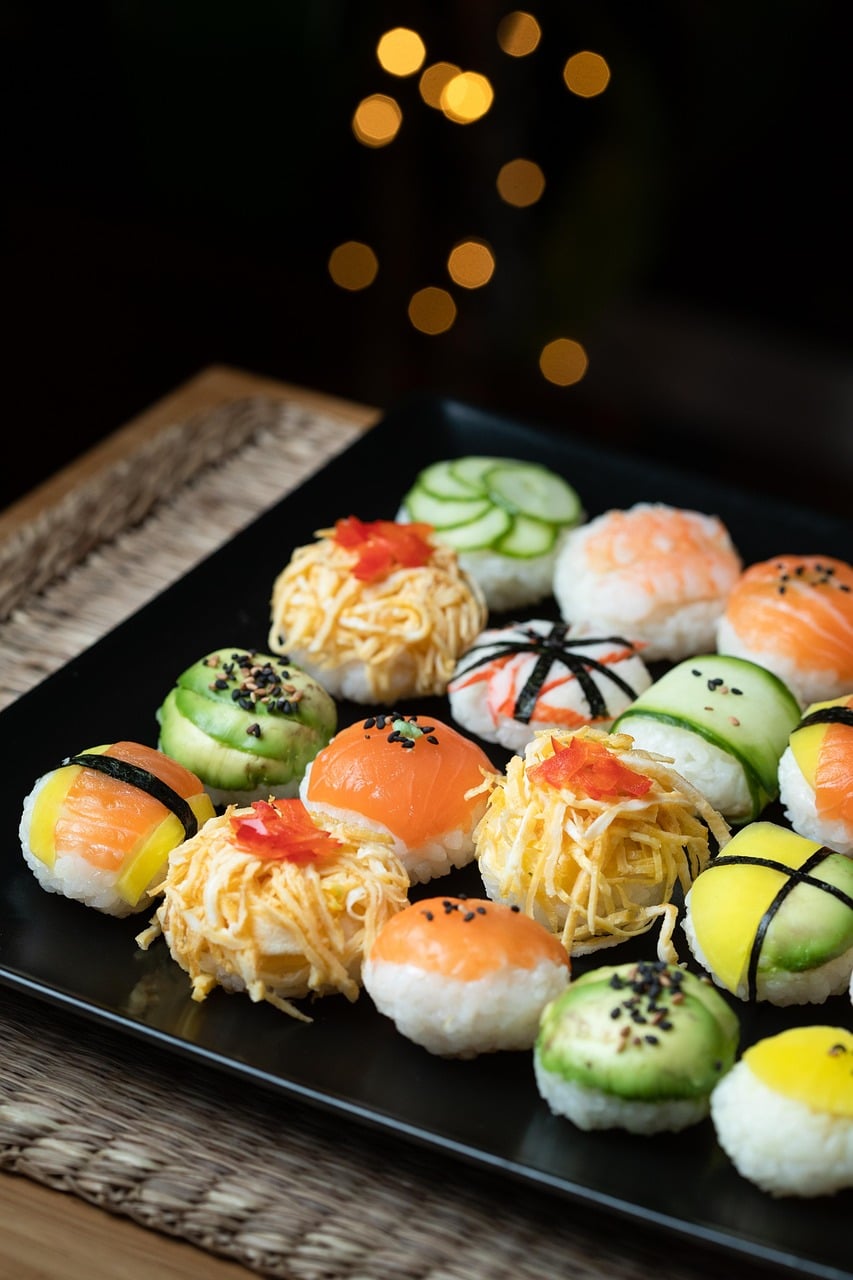
Some hype comes from scale and branding, while some comes from scarcity. Tetsu Sushi Bar has developed a strong following partly because it is intimate, chef-driven and more focused on precision than volume.
The restaurant is on Denman Street and is known for omakase served in a compact setting. That creates a very different experience from Vancouver's bigger sushi rooms, with more direct interaction and a stronger sense that each course is being adjusted in real time.
For diners who value a meal that feels personal, that intimacy is the point. Tetsu's reputation shows that in Vancouver, buzz is not only about being the loudest name in town. Sometimes it comes from doing fewer things, very carefully.
Leave a Reply