
Canadians do not just buy breakfast. They buy speed, habit, and a small sense of comfort on the way to work.
When Tim Hortons and McDonald's Canada compete for that morning routine, the real question is not who is cheaper on paper, but who gives you more for your money.
The real value starts with what Canadians actually order

Most breakfast comparisons go wrong because they focus on one sandwich and stop there. In practice, people usually build a meal around coffee, a breakfast sandwich, and sometimes a hash brown or baked item. That is where the value gap becomes clearer.
Tim Hortons has long leaned on familiarity. Its classic breakfast lineup includes bagels, farmer-style wraps, biscuit sandwiches, and brewed coffee that many customers treat as part of a daily ritual. McDonald's Canada, by contrast, pushes a tighter menu built around McMuffins, breakfast wraps, hash browns, and McCafé beverages.
The better deal often depends on order style. Someone grabbing only a coffee and bagel may find Tim Hortons more practical, especially when baked goods are part of the plan. Someone ordering a full hot breakfast sandwich combo will often find McDonald's more consistent in portion balance and side quality.
Price tags matter, but combo logic matters even more

At first glance, Tim Hortons often looks slightly cheaper on individual items. A basic coffee, plain bagel, or simple breakfast sandwich can come in lower depending on region and franchise pricing. That matters for budget-conscious buyers who keep their order small and predictable.
McDonald's Canada tends to be more competitive when customers move into combo territory. Once a hash brown and coffee are added, the menu structure can make the total feel more coherent. In many locations, breakfast bundles are designed to keep the perceived value strong even if the sticker price is not always the absolute lowest.
Promotions also change the math. Tim Hortons frequently uses app offers and coffee-focused rewards to reduce repeat purchase costs. McDonald's relies heavily on app deals as well, and limited-time digital offers can sharply cut breakfast totals for regular users who are willing to order strategically.
Portion size and satisfaction are where opinions split fast
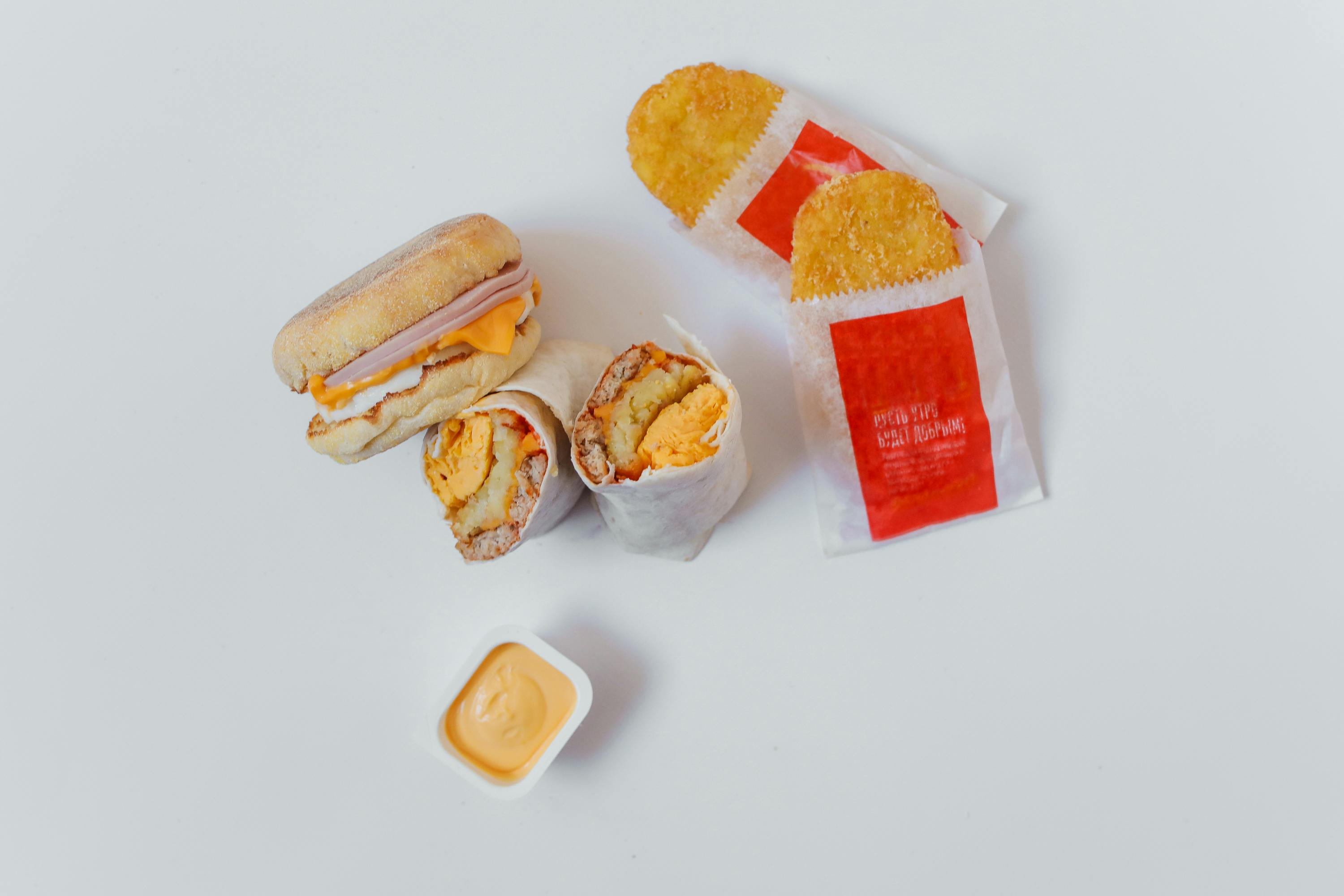
A cheap breakfast is not a bargain if it leaves you hungry by 10 a.m. This is one reason McDonald's performs well in value discussions. Its Egg McMuffin-style products and hash browns often feel more filling as a complete meal, even when the calorie count is not dramatically higher.
Tim Hortons can be more uneven depending on the item. Farmer's Wrap fans often say it delivers solid heft and stays competitive on fullness. Smaller sandwiches or lighter bagel builds, however, may not create the same sense of meal value unless paired with another item.
Texture matters too. McDonald's breakfast potatoes are a reliable selling point, and their inclusion can make a combo feel complete. Tim Hortons does better when coffee and baked goods carry the experience, but if your priority is satiety per dollar, McDonald's usually has the edge.
Coffee quality changes the entire deal calculation
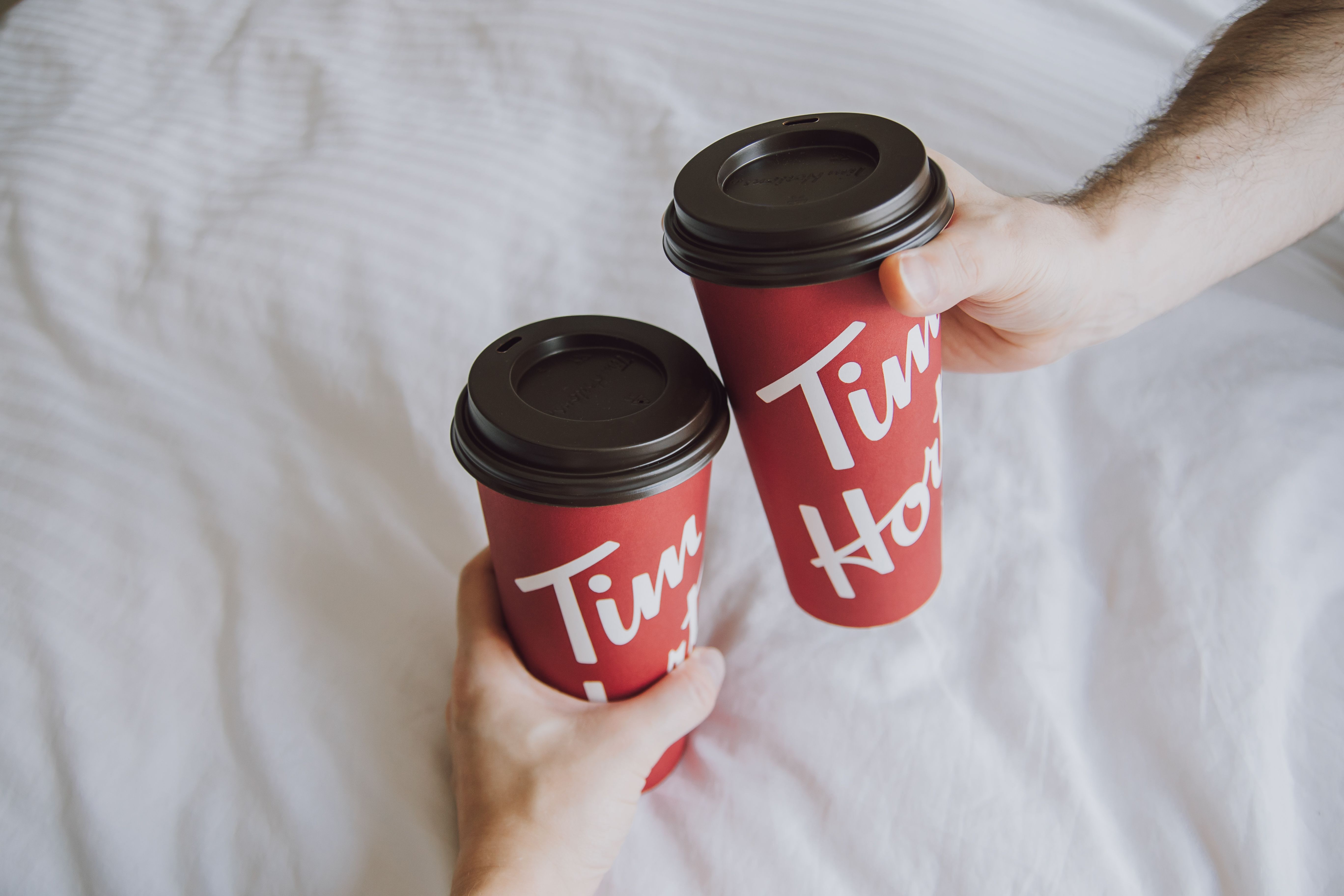
For many Canadians, breakfast value begins in the cup, not the wrapper. Tim Hortons still benefits from deep brand loyalty in brewed coffee, especially among customers who want a familiar, straightforward taste at a relatively accessible price. That loyalty alone keeps Tim Hortons firmly in the breakfast fight.
McDonald's Canada has spent years strengthening McCafé, and many consumers now rate its regular coffee as equal or better in blind preference conversations. Industry reporting and consumer surveys have repeatedly shown that coffee quality perceptions can shift faster than food preferences, especially when consistency improves.
If coffee is your main purchase, Tim Hortons remains a strong everyday buy. If coffee is only part of a larger breakfast meal, McDonald's often gains ground because the beverage quality no longer feels like a compromise. In simple terms, McDonald's has closed one of Tim Hortons' biggest historical advantages.
Convenience, speed, and rewards shape the real-world winner
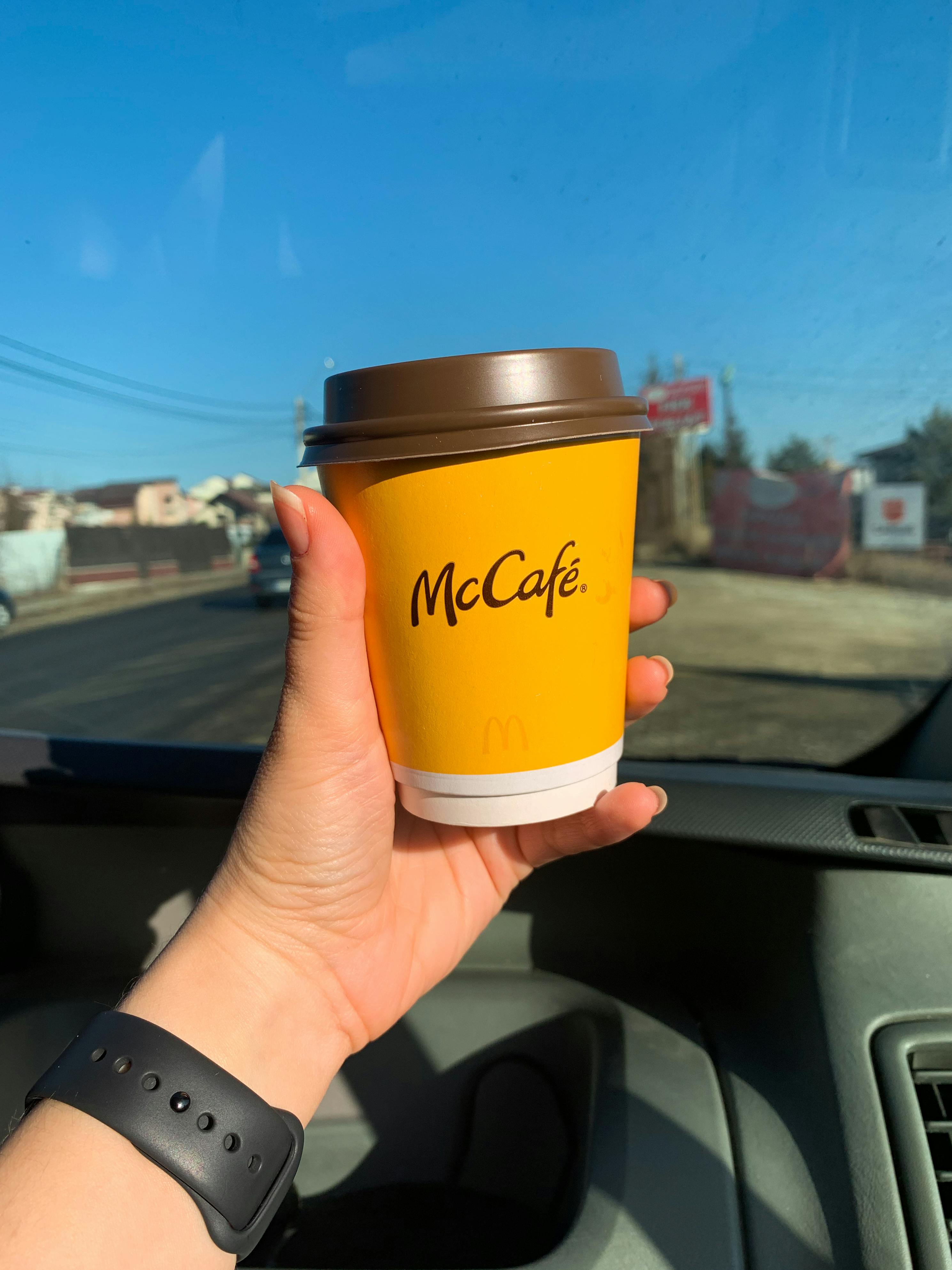
Breakfast is one of the most routine-driven purchases in Canada. That means drive-thru speed, app usability, and store density matter almost as much as menu price. Tim Hortons still has enormous reach, and in many communities it remains the easiest morning stop by sheer location count.
McDonald's, however, often performs better on order consistency. Breakfast sandwiches tend to arrive looking closer to what customers expect, and that reliability matters when people are buying the same meal several times a week. A dependable product can be a better deal than a slightly cheaper one that varies by visit.
Rewards programs also influence long-term value. Tim Hortons Rewards can be useful for frequent coffee drinkers and baked-good buyers. McDonald's app promotions, meanwhile, often feel stronger for meal purchasers. If you use the app regularly, your personal deal may depend less on base pricing and more on how each chain targets you.
So which breakfast is actually the better deal in Canada?
The clearest answer is that Tim Hortons wins the lighter, coffee-led breakfast. If your usual order is a coffee, bagel, or simple sandwich, it often delivers enough value at a modest price, with the added benefit of near-ubiquitous convenience. For quick everyday routine buying, that still matters.
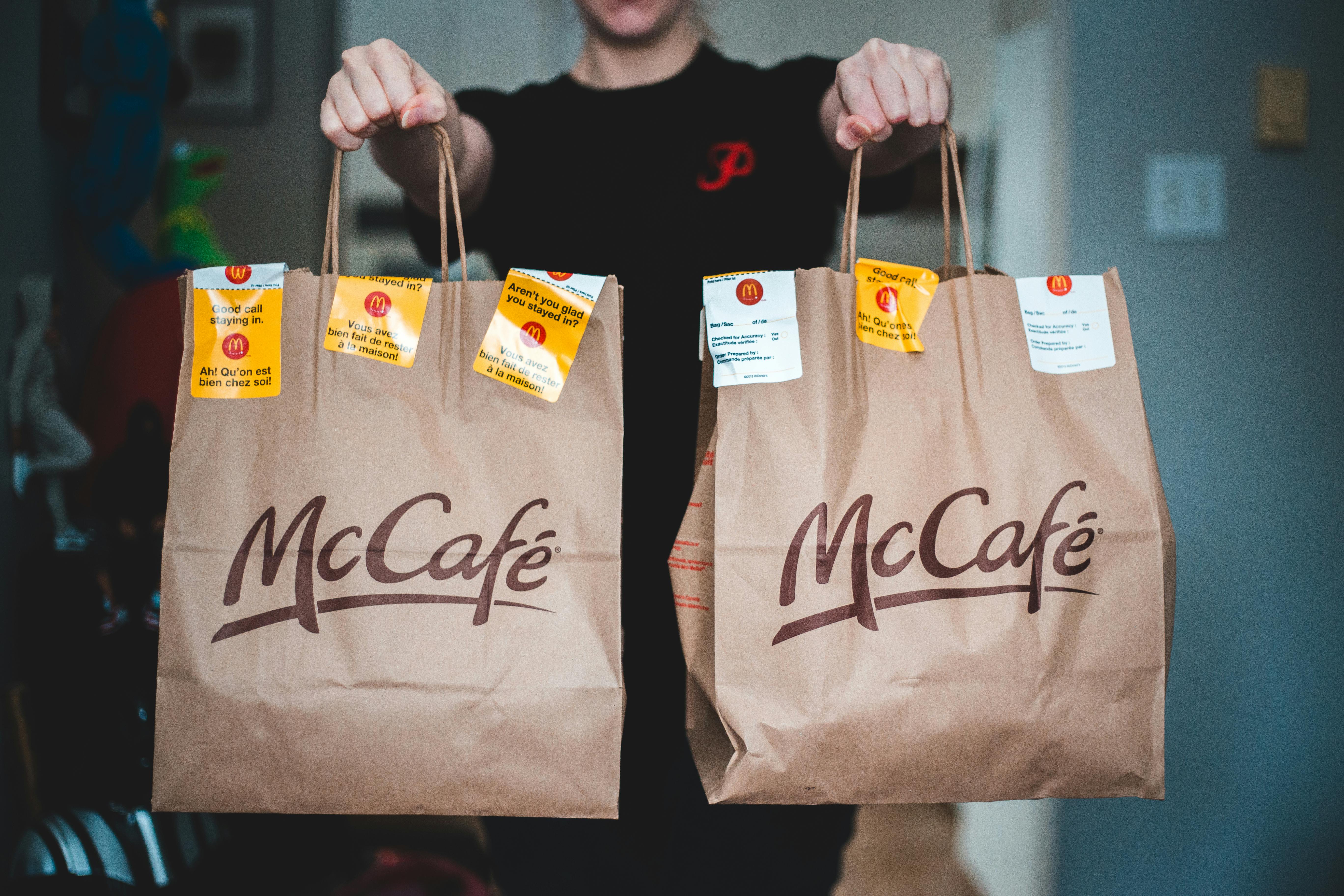
McDonald's Canada wins the fuller breakfast contest. If you want a hot sandwich, a reliable side, stronger combo logic, and a meal that feels more substantial, it usually gives better overall value. The difference is not always huge at the cash register, but it is often noticeable in satisfaction.
So the better deal depends on your morning. Tim Hortons is the better budget habit for coffee-first customers. McDonald's is the better breakfast purchase for people who want a more complete meal. In strict value terms, McDonald's has the stronger all-around case, while Tim Hortons remains the simpler daily staple.




Leave a Reply