
Tim Hortons is tapping into one of the most reliable rituals in fan culture. The August 12 launch of its Harry Potter Back to Hogwarts collection in Canada arrives at exactly the moment when nostalgia, shopping, and seasonal anticipation start to build.
Why this launch is arriving at the right moment

Few fan calendar dates carry the same emotional pull as Back to Hogwarts season. For Harry Potter followers, late August signals the annual return of school-year nostalgia, house pride, and collectible buying. That timing gives Tim Hortons a strong cultural runway before September fully begins.
The strategy also fits how brands now approach limited-time drops. Rather than simply releasing products, companies aim to anchor collections to recognizable moments that already matter to audiences. Back to Hogwarts has become one of those moments, especially across retail, fashion, and themed merchandise.
In Canada, where Tim Hortons has deep daily reach, the collaboration has added visibility. A fandom release inside a familiar coffee chain lowers the barrier for casual buyers. It invites both dedicated collectors and ordinary guests to participate without needing a specialty store.
What the collection is expected to mean for shoppers

At its core, this kind of release is about accessible fandom. Consumers are no longer limited to major theme parks or premium online shops when they want licensed Harry Potter merchandise. A national coffee brand can now serve as the point of entry.
That matters because affordability and convenience often determine whether a branded collection becomes a broad success. When items are available through a chain with thousands of routine customer interactions, they benefit from impulse purchasing. Someone stopping for coffee may leave with a collectible they had not planned to buy.
It also reflects the continuing strength of character-driven consumer products. Harry Potter remains one of the most commercially durable entertainment brands in the world. Even years after the original film run, the franchise continues to perform strongly through publishing, merchandise, experiences, and seasonal promotions.
Why Tim Hortons is a natural partner for a themed collection
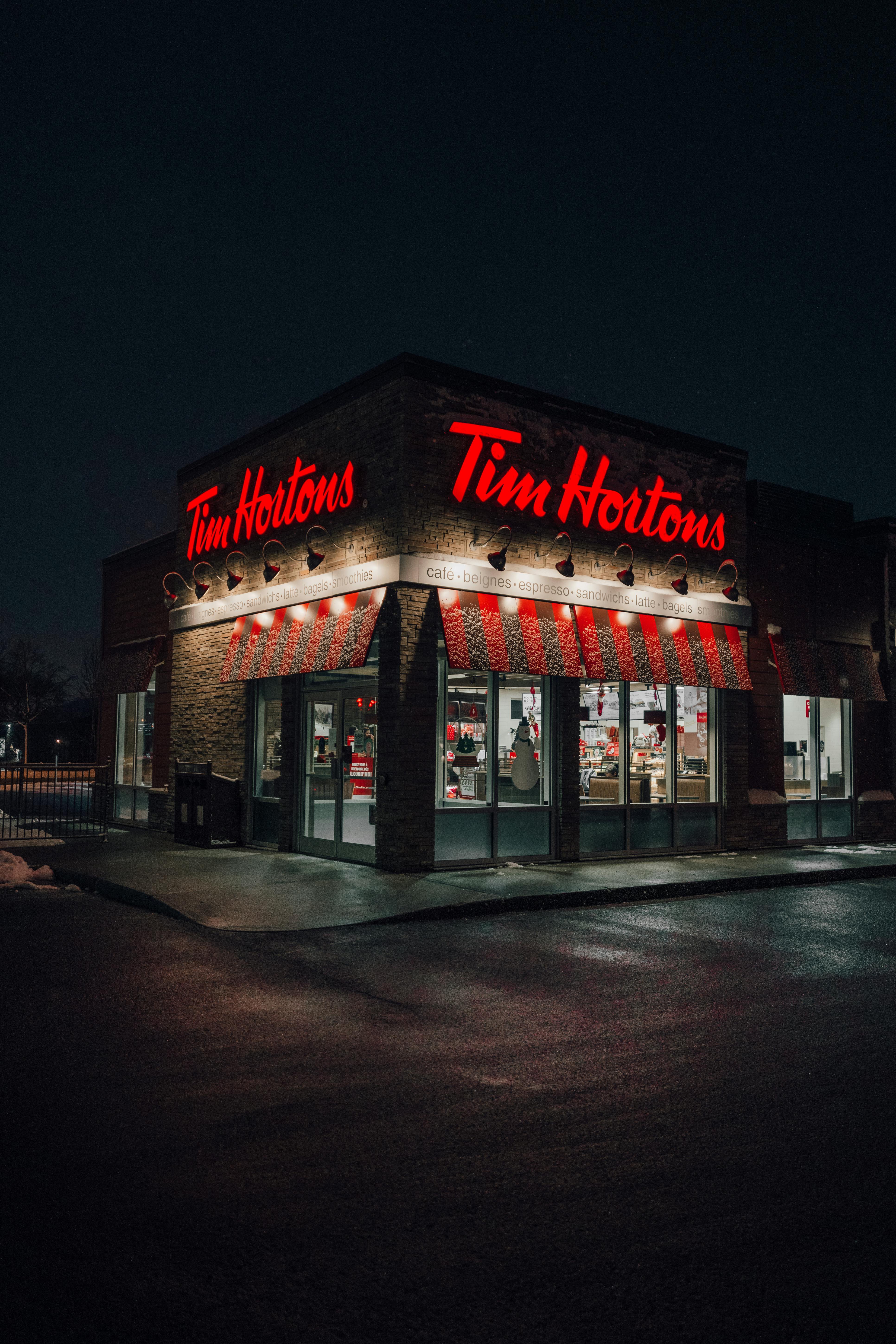
This collaboration makes sense because Tim Hortons understands habit-based traffic better than most Canadian brands. Its stores are part of morning routines, afternoon breaks, road trips, and school runs. That built-in repetition gives any limited collection repeated chances to be seen and discussed.
There is also a practical merchandising advantage. Tim Hortons locations are designed around fast-moving, highly visible purchases, which is ideal for collectible cups, tumblers, or accessories if those are included. Small-format merchandise performs best when the shopper does not need a long decision window.
From a brand perspective, the partnership broadens Tim Hortons beyond food and beverage. It lets the company participate in lifestyle retail without losing its core identity. That is increasingly important as quick-service chains compete not only on menu items, but on cultural relevance and shareable experiences.
The bigger business logic behind fandom collaborations

Licensed pop culture collections are not random promotional exercises. They are increasingly used to boost traffic, raise average transaction values, and create urgency through scarcity. When a release is tied to a known franchise, brands gain an emotional shortcut that standard seasonal merchandising often cannot match.
The Harry Potter connection is especially valuable because it spans generations. Adults who grew up with the books and films now have purchasing power, while younger audiences continue to discover the franchise through streaming, social media, and new retail products. That wide age spread expands the commercial ceiling.
For Tim Hortons, the launch may also help create social momentum. Limited collectibles often generate user photos, store visits, and word-of-mouth attention, especially in the first days of release. In practical terms, that can turn a merchandise drop into a broader brand-awareness event.
What Canadian fans should expect on August 12

The biggest immediate factor will likely be demand concentration. On launch day, the most desirable items can move quickly, particularly in urban locations and stores with strong collector traffic. Limited-time branded merchandise often sells unevenly, with certain designs becoming early standouts.
Shoppers should also expect a mix of fandom appeal and practical utility. Successful quick-service collaborations usually focus on products people can use repeatedly, not just display. Drinkware, accessories, and portable items tend to perform well because they connect everyday routines with recognizable fictional worlds.
Availability may vary by location, which is common in national promotional rollouts. That does not necessarily indicate a problem. Store-level inventory, regional demand, and shipment timing frequently shape what customers actually see on shelves during the first week of a collection.
Why this release matters beyond simple merchandise

What makes this launch notable is not just the Harry Potter branding. It is the way Tim Hortons is using a beloved franchise to turn an ordinary purchase occasion into a small event. That shift reflects where modern consumer culture is heading across food, retail, and entertainment.
The collection also shows how everyday brands are becoming custodians of fan experiences. People no longer separate pop culture from routine life as sharply as they once did. A morning coffee stop can now double as a collectible hunt or a seasonal tradition.
In that sense, the August 12 release is more than a product drop. It is a carefully timed meeting point between nostalgia, convenience, and community. For Canadian customers, that combination could make the Harry Potter Back to Hogwarts collection one of Tim Hortons' most attention-grabbing seasonal launches this year.



Leave a Reply