
A truly memorable sausage does not happen by accident. It comes from a few smart decisions that build rich flavor from the first mix to the final bite.
Why this recipe stands out

Most homemade sausage recipes fail for one simple reason: they treat seasoning as the whole story. In practice, the best sausage depends just as much on the ratio of lean meat to fat, the grind size, and temperature control during mixing.
This version works because it respects those fundamentals. A reliable target is about 70% to 75% lean pork shoulder and 25% to 30% fat, which gives the sausage enough moisture to stay tender without turning greasy.
The seasoning is bold but balanced. Salt sharpens the meat, black pepper adds warmth, garlic gives depth, and fennel brings a classic sweet edge that many butchers use in Italian-style links because it lifts the richness instead of fighting it.
The ingredient choices that matter most
The best place to begin is with pork shoulder, often called Boston butt. It has enough connective tissue and marbling to create a succulent texture, and it remains the standard choice in both home kitchens and professional sausage making because it is forgiving and flavorful.
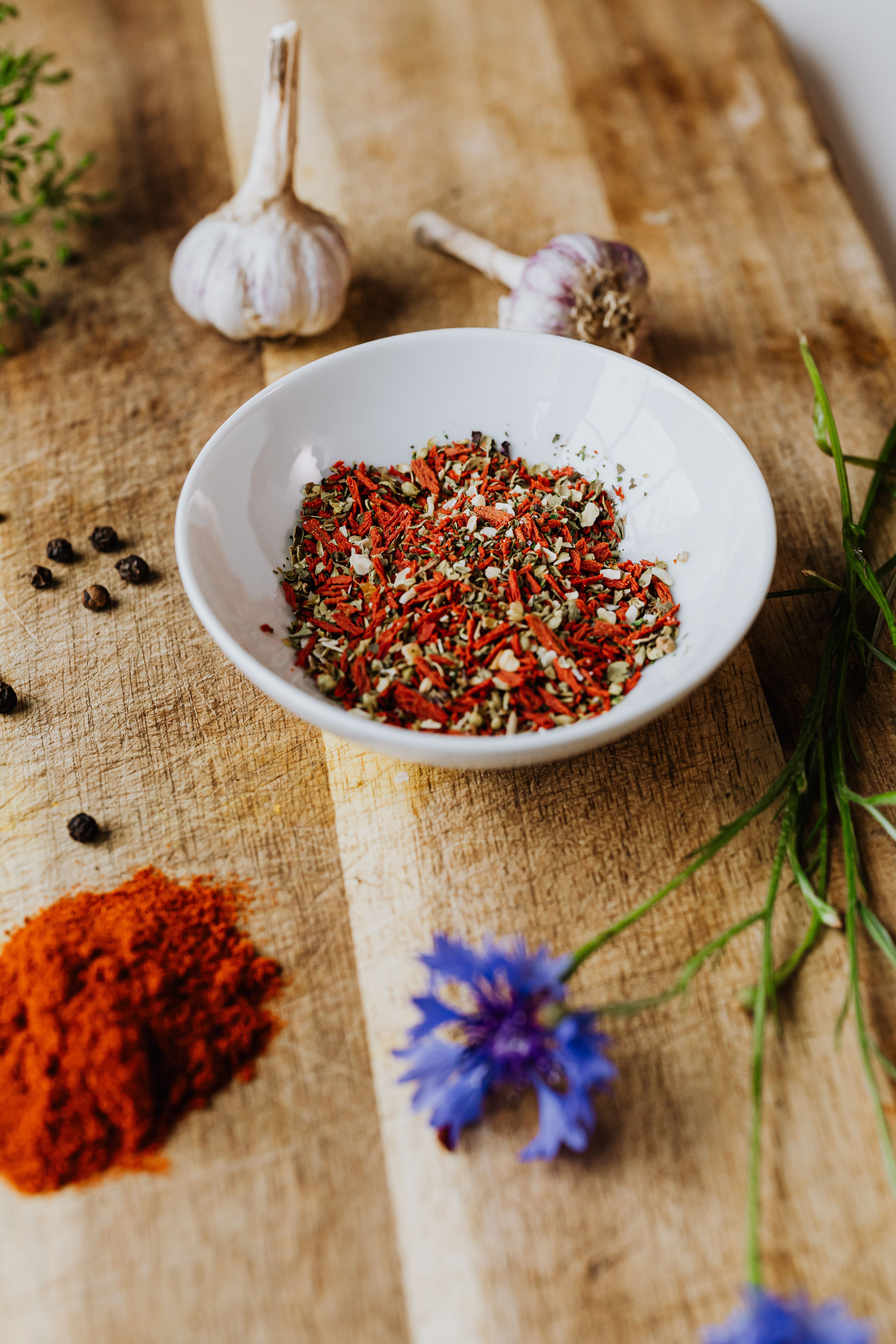
Fresh herbs can be useful, but dried spices are often better for consistency. Dried fennel seed, paprika, crushed red pepper, and sage distribute more evenly through ground meat, giving each bite a clear, even flavor rather than pockets of intensity.
Salt is not optional or merely decorative. It helps extract myosin, a sticky meat protein that binds the mixture together, creating the springy, juicy texture people associate with excellent sausage rather than crumbly ground pork.
How to build better texture and flavor
Cold temperature is one of the least glamorous but most important parts of sausage making. Meat, fat, bowls, and even grinder parts should be well chilled so the fat stays distinct, which helps create a proper texture instead of a paste.
A coarse grind followed by gentle mixing usually produces the best result for a rustic sausage. According to food science guidance used in professional kitchens, overmixing can smear the fat and tighten the protein network too far, leading to a dense result.
Testing the flavor before cooking the full batch is another expert move. Frying a small patty lets you adjust salt, spice, or heat immediately, which is especially useful when using stronger ingredients like chili flakes, smoked paprika, or fresh garlic.
The recipe and the method that deliver results

For a dependable batch, combine 2 lb pork shoulder, ½ lb pork fat, 2 teaspoon kosher salt, 1 ½ teaspoon black pepper, 1 tablespoon fennel seed, 4 minced garlic cloves, 1 teaspoon paprika, ½ teaspoon crushed red pepper, and 2 tablespoon cold water.
Grind the meat and fat, then mix with the seasonings until the texture becomes slightly sticky. That stickiness signals the proteins are binding correctly, which helps the sausage hold together during cooking and keeps the interior juicy.
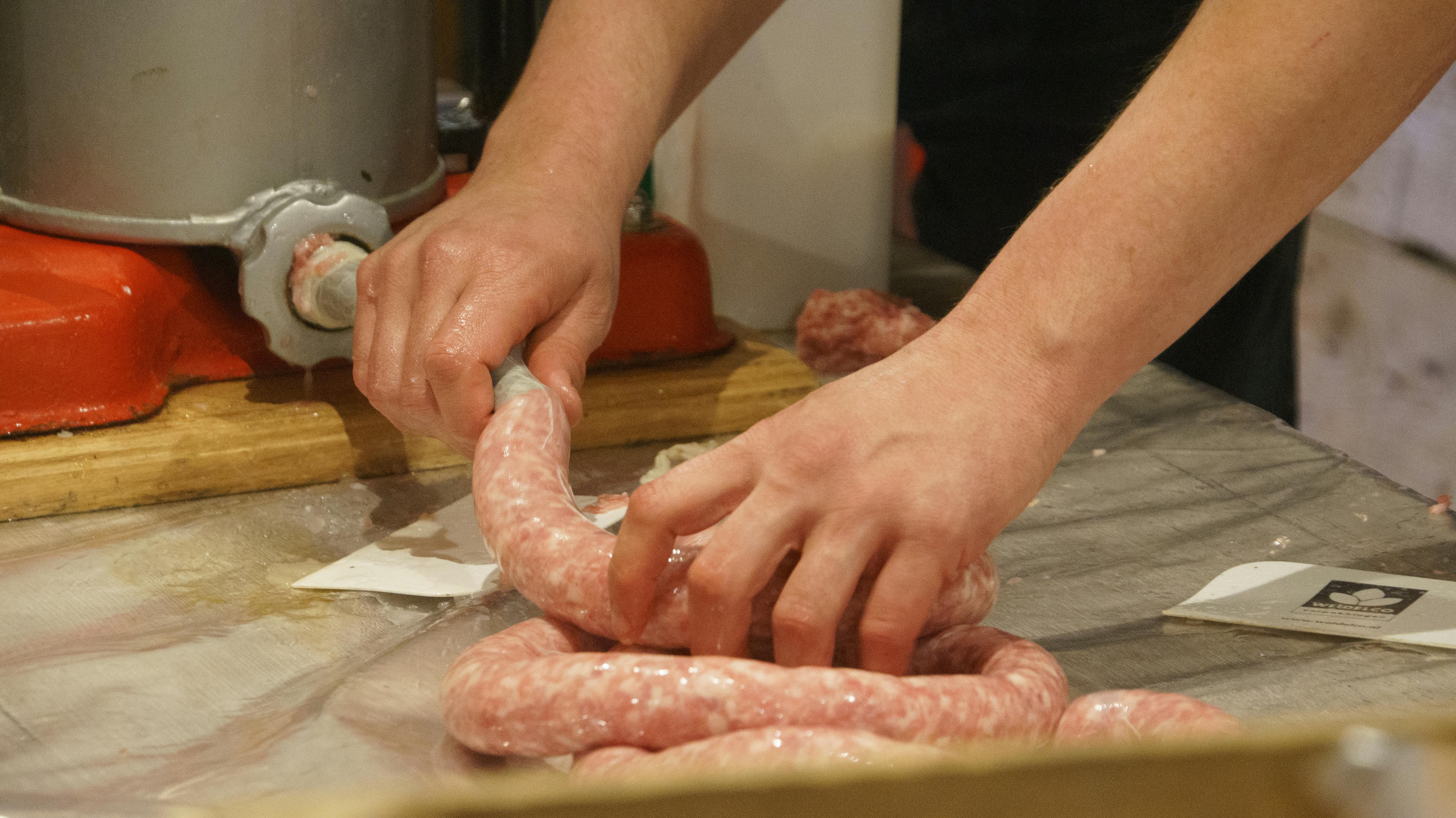
Form into patties, logs, or stuff into casings if you have the equipment. Let the mixture rest in the refrigerator for at least 8 hours, because that resting period gives the salt and spices time to penetrate the meat more evenly.
Cooking it properly makes all the difference

Even a perfect sausage mix can disappoint if it is cooked too aggressively. Moderate heat is the safer path because it allows the fat to render slowly and the interior to cook through without the outside becoming tough or overly dark.
In a skillet, start with a lightly oiled pan over medium heat and turn the sausage as it browns. For patties, 4 to 5 minutes per side is often enough, while thicker links may need a lower flame and a few extra minutes.
An internal temperature of 160°F is the practical benchmark for ground pork. Letting the sausage rest for a couple of minutes after cooking helps the juices settle, which improves both texture and flavor when you cut or bite into it.
Ways to serve it and make it your own

What makes this sausage recipe especially useful is its range. It works at breakfast beside eggs, folded into pasta with bitter greens, tucked into a crusty roll with peppers, or browned into a tomato sauce where its fennel and garlic deepen the whole dish.
Small adjustments can move it in different directions without losing the core technique. Add sage and maple for breakfast sausage, more chili and paprika for a spicier profile, or a splash of red wine for a deeper, old-world character.
Once you understand the mechanics, the recipe becomes more than a single dish. It becomes a template for better home cooking, one that rewards careful handling, smart seasoning, and the kind of attention that turns simple pork into something genuinely memorable.




Leave a Reply