
A gleaming produce section can be surprisingly deceptive. What looks farm-fresh at first glance may simply be well-managed presentation.
Bright lights can hide age fast
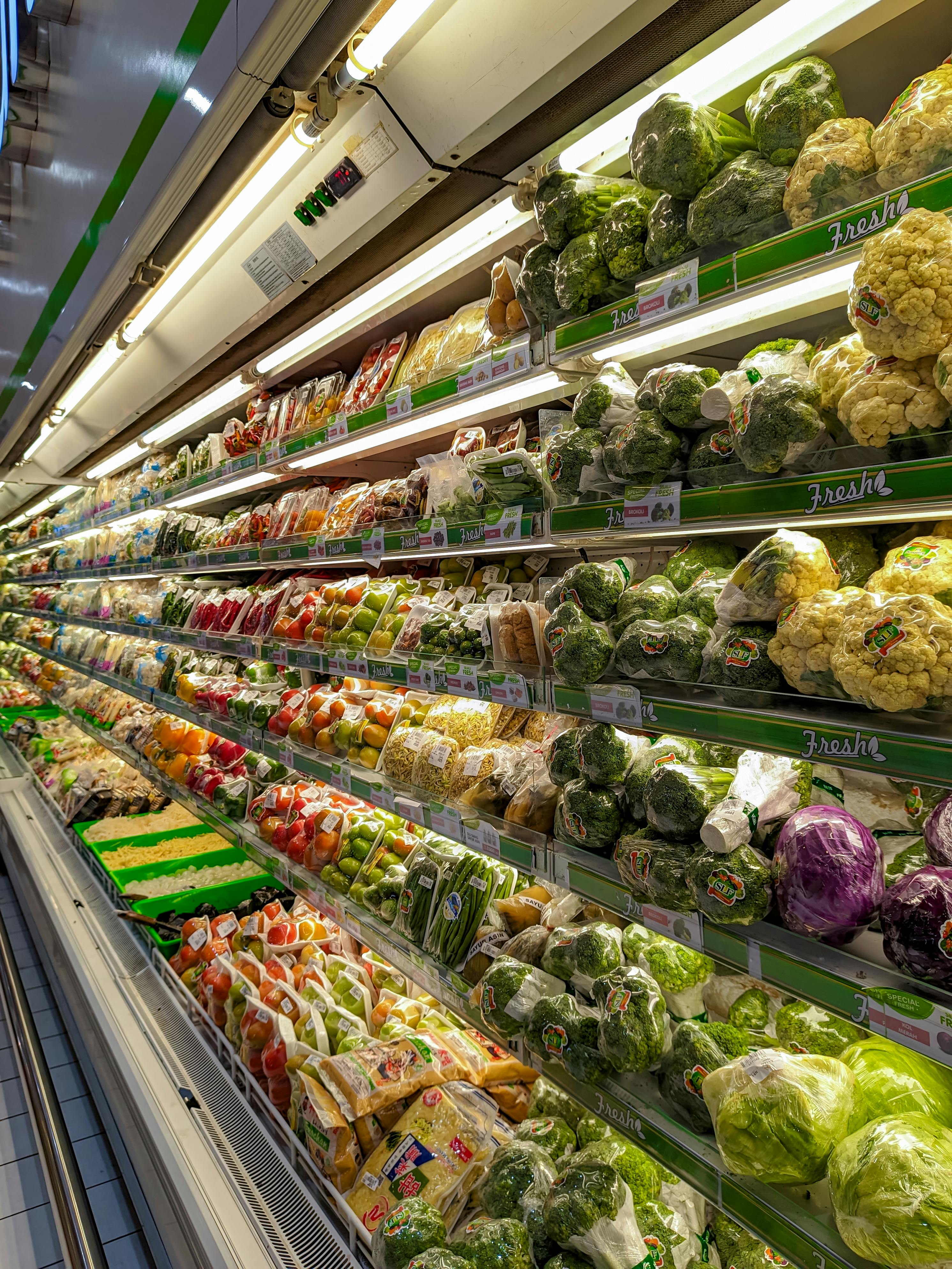
The first illusion is visual, and it starts above your head. Grocery stores often use bright, color-enhancing lighting that makes greens look deeper, tomatoes look richer, and citrus appear more vibrant than they might in natural light.
Retail display specialists have long known that warm lighting flatters red, orange, and yellow produce, while cooler light can make leafy vegetables appear crisp and hydrated. The result is that slightly tired produce may still read as fresh to the human eye from a few feet away.
This is why the best check happens in your hands, not from the aisle. Turn produce over and inspect the underside, stem, and skin texture. Dullness, wrinkling, soft spots, and limp leaves usually tell the truth more clearly than the display lighting ever will.
Water can revive the look, not the quality
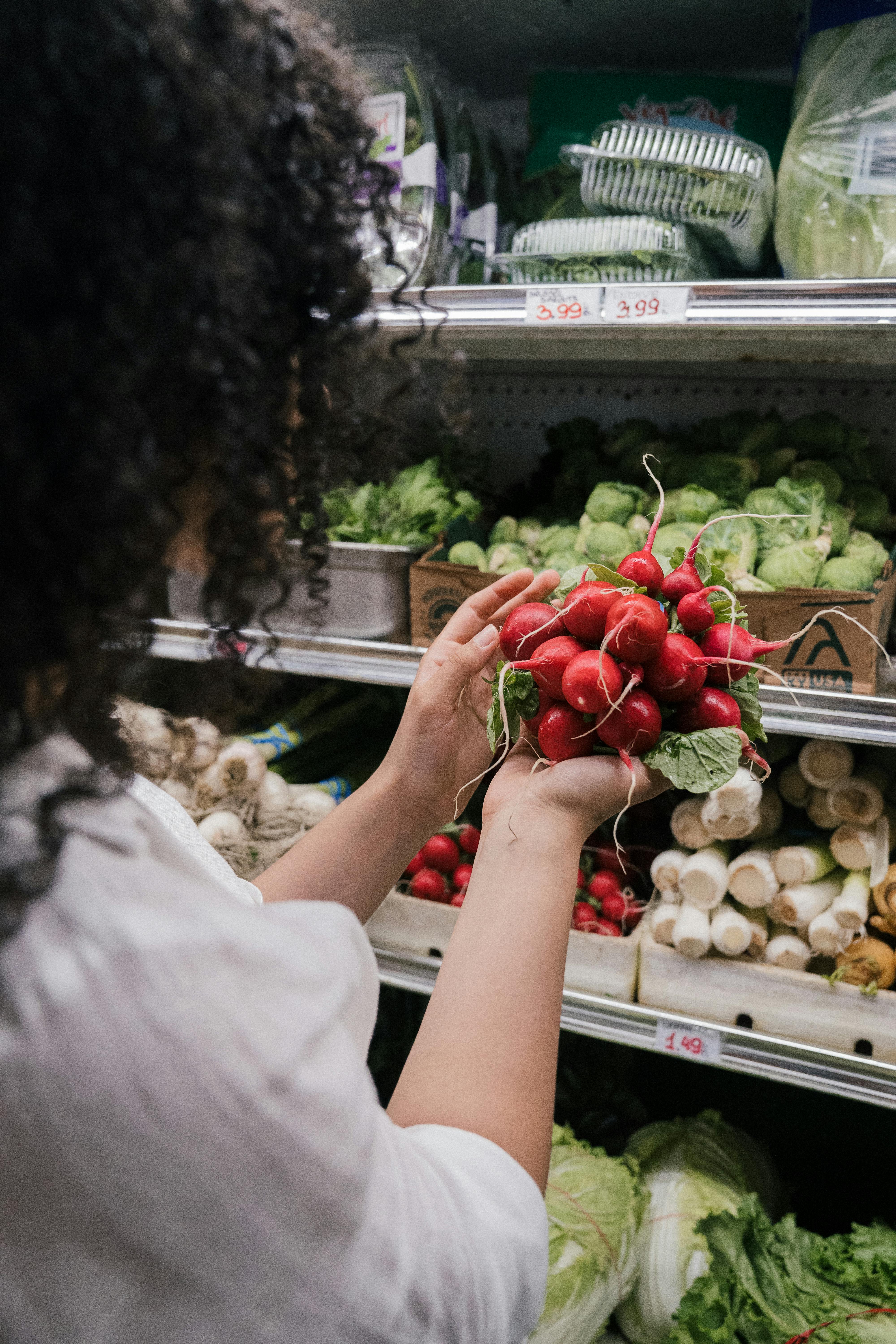
A fine mist makes vegetables look alive, and stores know it. Misting systems are especially common around leafy greens, herbs, broccoli, and celery because moisture on the surface signals freshness to shoppers almost instantly.
But surface water does not reverse age. It can temporarily plump outer leaves and reduce the visible signs of dehydration, even when the item has already lost flavor, nutrients, or shelf life. Produce experts often note that appearance and internal quality do not always move together.
That matters when you shop. If lettuce feels light for its size, herbs have blackened stems, or broccoli heads show yellowing between florets, misting has only improved the look. The real check is weight, firmness, smell, and how the cut ends appear up close.
Trimming and culling make old stock look newer

Stores rarely place damaged produce on full display if they can avoid it. Instead, workers trim browned leaves off lettuce, remove soft outer layers from cabbage, and pick out visibly spoiled items so the remaining pile looks uniformly fresh.
This practice is not automatically dishonest. Basic culling helps reduce waste and keeps obviously rotten items from contaminating nearby produce. Still, it can create a misleading impression that an entire batch arrived in excellent condition when it may already be aging.
You can often spot this by looking for clues of repeated handling. Excessively stripped greens, dry stem ends, loose carrot tops, and produce with lots of missing outer leaves may have already been cleaned up for presentation. Neatness can be a warning sign when it looks too perfect.
Strategic stacking protects the best-looking side

Presentation is also about angles. Produce is often stacked so the most colorful, least blemished side faces outward, while bruises, pressure marks, or scars are hidden underneath or toward the back of the display.
This matters most with apples, avocados, peppers, peaches, and tomatoes, where one damaged patch can be concealed easily. In clamshell packaging, stores may also place the best berries on top while softer or leaking fruit sits below, out of immediate view.
Never buy delicate produce without rotating it or checking the bottom. Look at the container base for juice stains, moisture buildup, or crushed fruit. With loose produce, inspect the side resting on the shelf, because that is where hidden softness and bruising often show first.
Temperature control keeps produce marketable longer
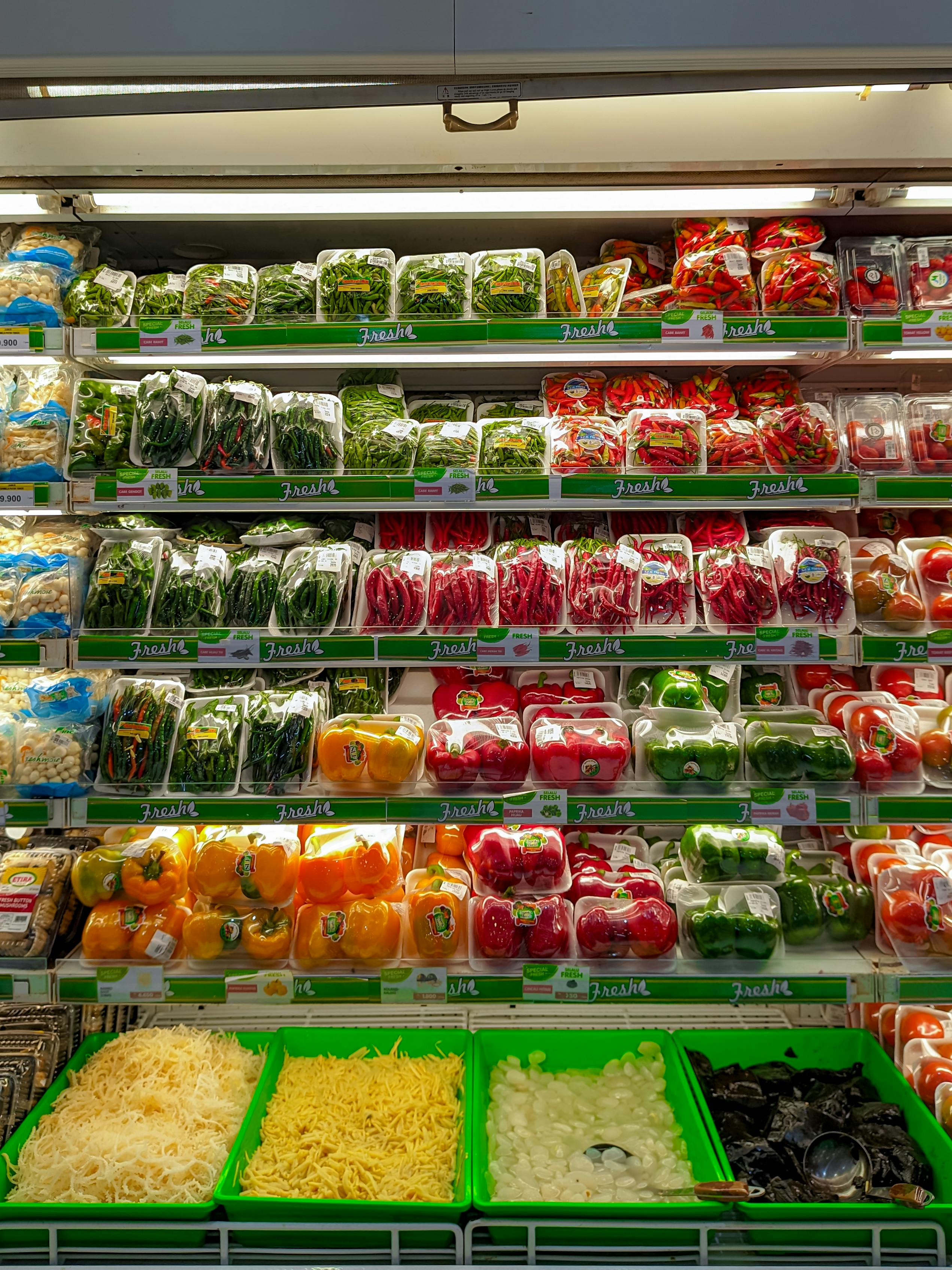
Not every freshness trick is visual. Strict temperature management helps stores slow deterioration and preserve texture long after harvest, especially for berries, greens, grapes, and cut vegetables that lose quality quickly when they warm up.
That is standard food retail practice, but temperature shifts can still create problems. If produce moves repeatedly from cold storage to a warmer sales floor and back again, condensation forms, cell walls weaken, and mold risk increases even while the item still appears acceptable.
Shoppers can catch some of this by feeling and observing carefully. Packaged greens with interior fogging, berries with damp bottoms, and cucumbers that feel cold yet rubbery may have already endured stressful storage cycles. They might look fine today and collapse in your refrigerator tomorrow.
What to check before produce goes in your cart

The smartest shoppers rely on touch, smell, and weight more than shine. Fresh produce should feel appropriately firm, heavy for its size, and structurally sound, without leaking fluid, sour odors, or shriveled skin.
Check the stem end first because it often reveals age quickly. Old strawberries may have dry caps, old zucchini can show puckering near the stem, and aging corn often has drying silk and less moisture under the husk, even when the exterior still looks bright.




Leave a Reply