
Some foods never really disappear, they just fade into the background. Oats, a dependable staple in the 1800s, are one of them, and modern nutrition research helps explain why this humble grain still holds up.
Oats were everyday fuel in the 1800s
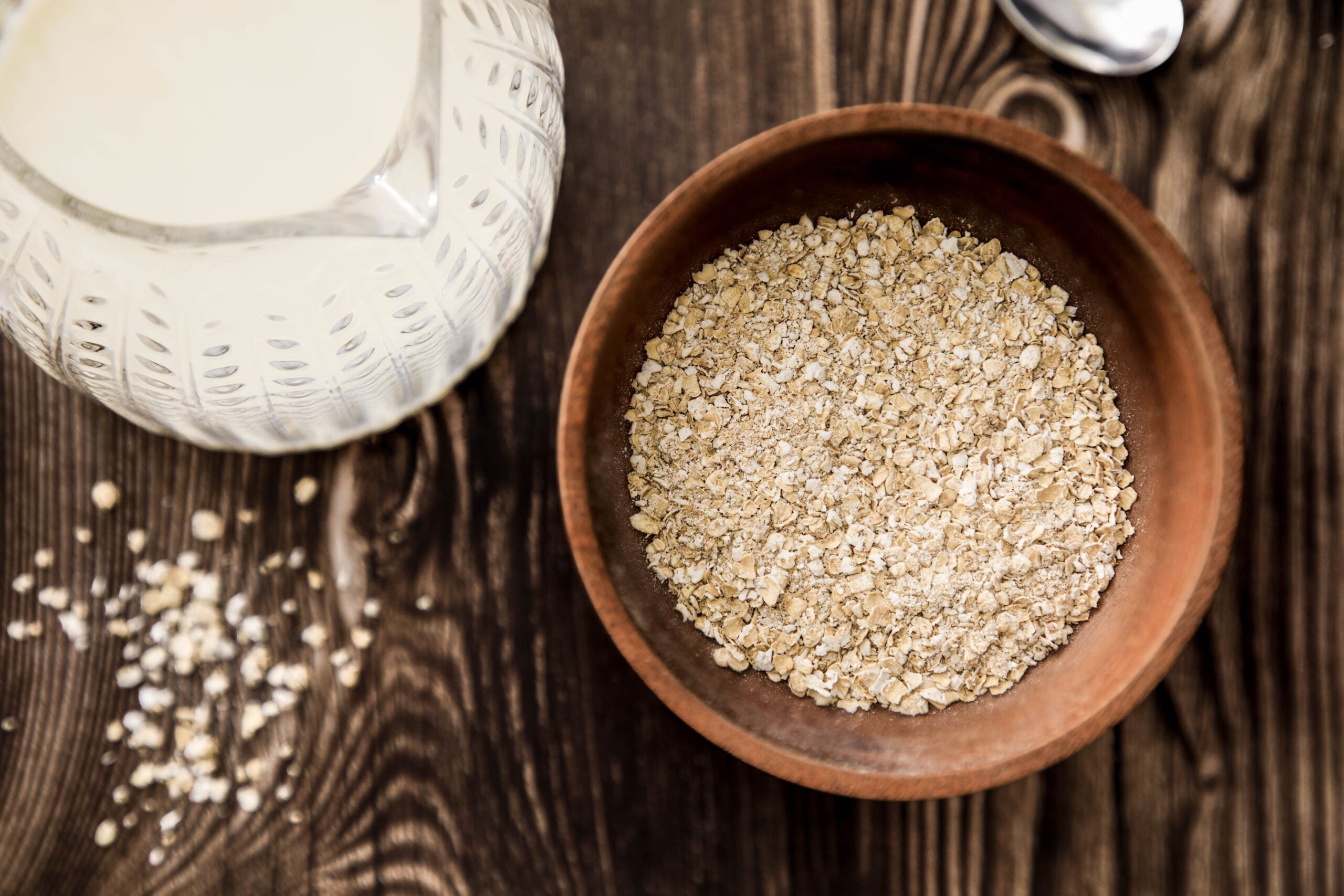
Long before boxed cereal became a pantry default, oats were a practical source of calories for working households. In the 19th century, oatmeal and porridge were common because oats stored well, cost relatively little, and could be turned into a filling meal with water or milk. That staying power mattered in farming communities and growing industrial cities alike.
Oats also fit the agricultural map of the time. They grew well in cooler, wetter regions where other grains were less reliable, which helped make them a regular part of diets in places like Scotland, Ireland, and parts of North America. Their reputation was simple: honest food that kept people going.
The standout nutrient is soluble fiber
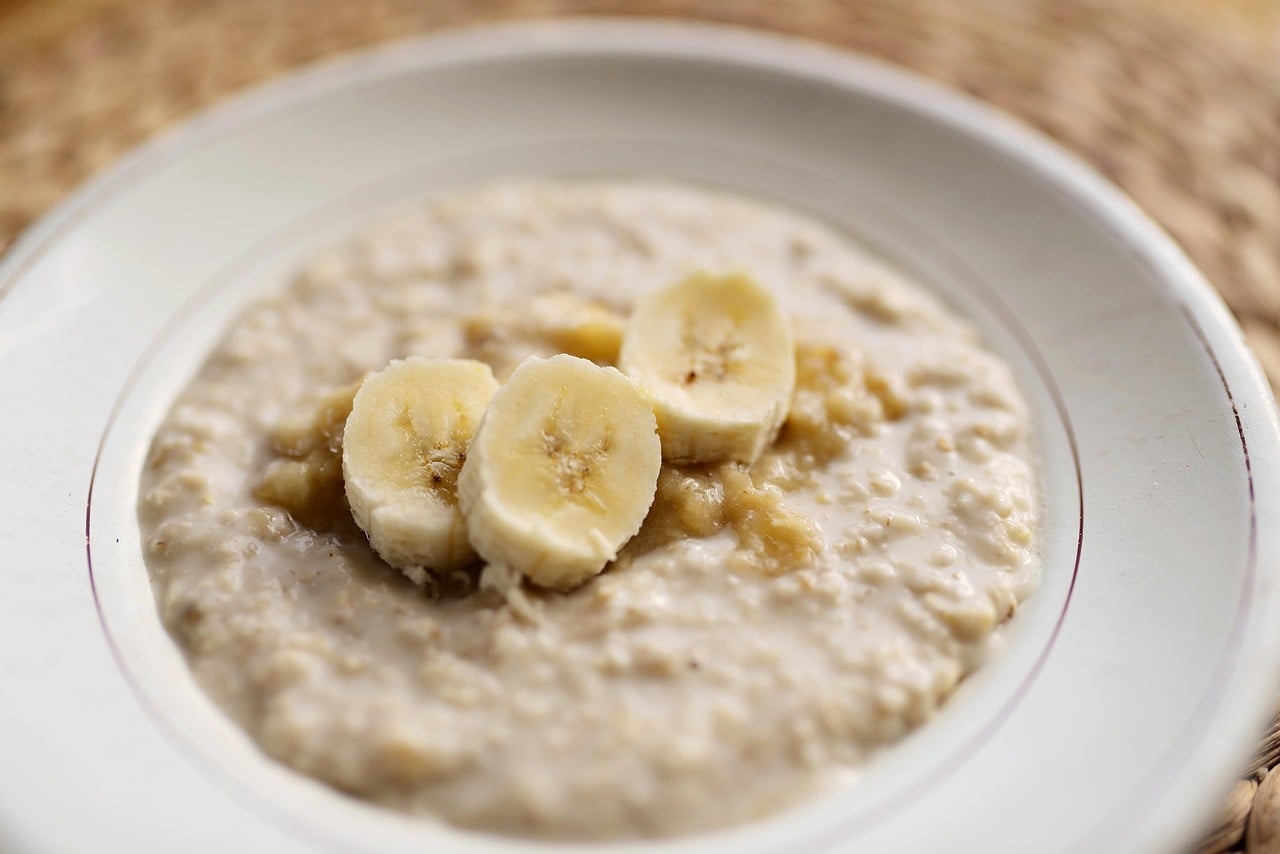
What makes oats especially relevant today is not nostalgia, it is beta glucan, a type of soluble fiber found in oat bran and the whole grain itself. According to the FDA, soluble fiber from certain foods such as oats may help reduce the risk of heart disease when used as part of a diet low in saturated fat and cholesterol. That is a rare case where an old kitchen staple lines up neatly with modern health guidance.
The USDA also shows oats bring more than fiber. They supply carbohydrates for energy, some protein, and minerals including iron and magnesium. In other words, they are not a magic food, but they are a genuinely useful one.
Steel cut, rolled, and instant are not identical
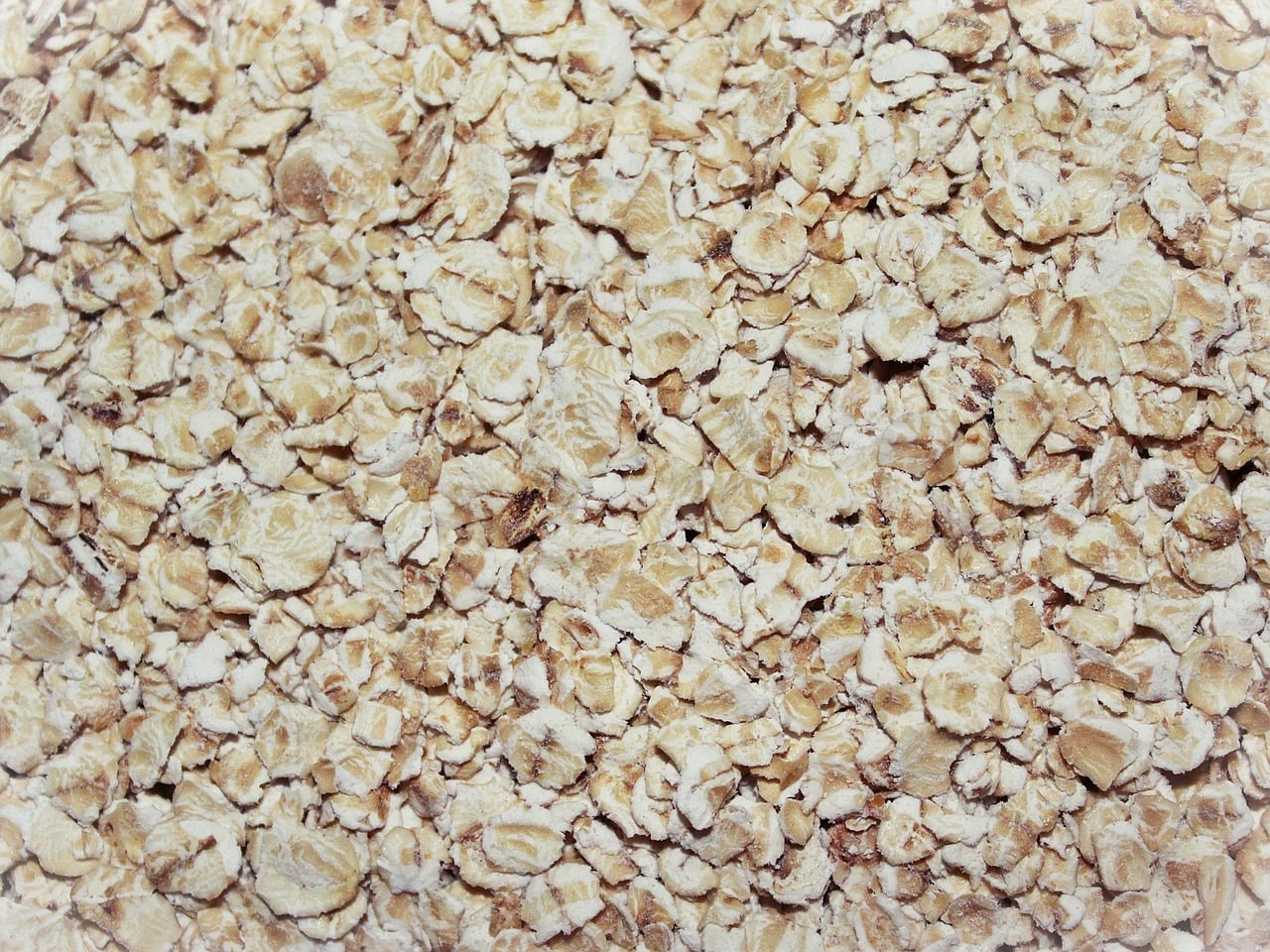
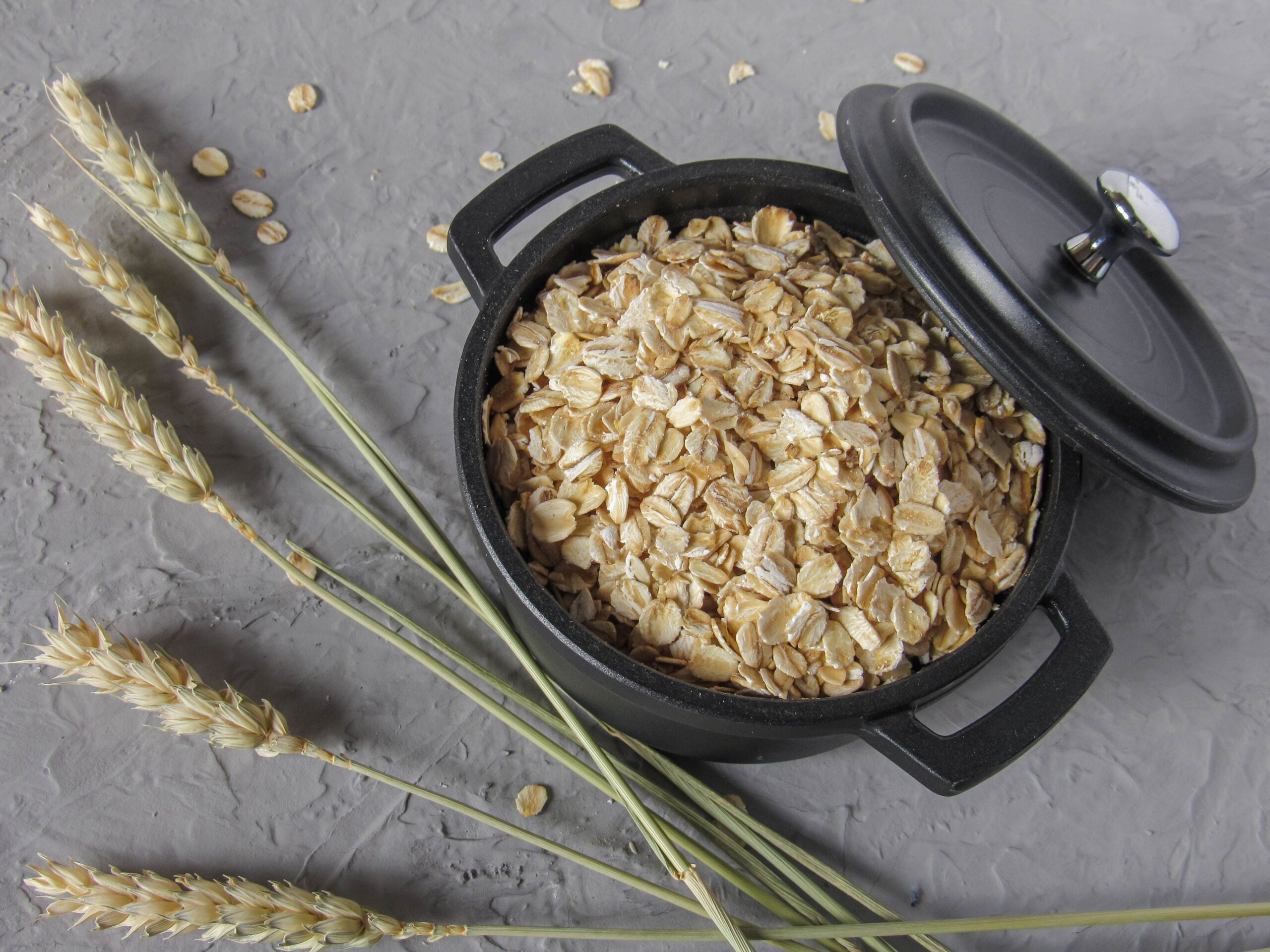
Not all oat products behave the same in the pot or on the nutrition label. Steel cut oats are chopped oat groats, so they cook into a chewy bowl with more texture. Rolled oats are steamed and flattened, which shortens cooking time while keeping the grain recognizably whole. Instant oats are processed further for speed and softness.
That does not mean instant oats are automatically unhealthy. Plain versions can still offer fiber and whole grain benefits. The real difference often comes from what gets added later, especially sugar, sodium, and flavor packets. For many shoppers, the best move is simply comparing labels and choosing the least embellished option.
Oatmeal is only the beginning
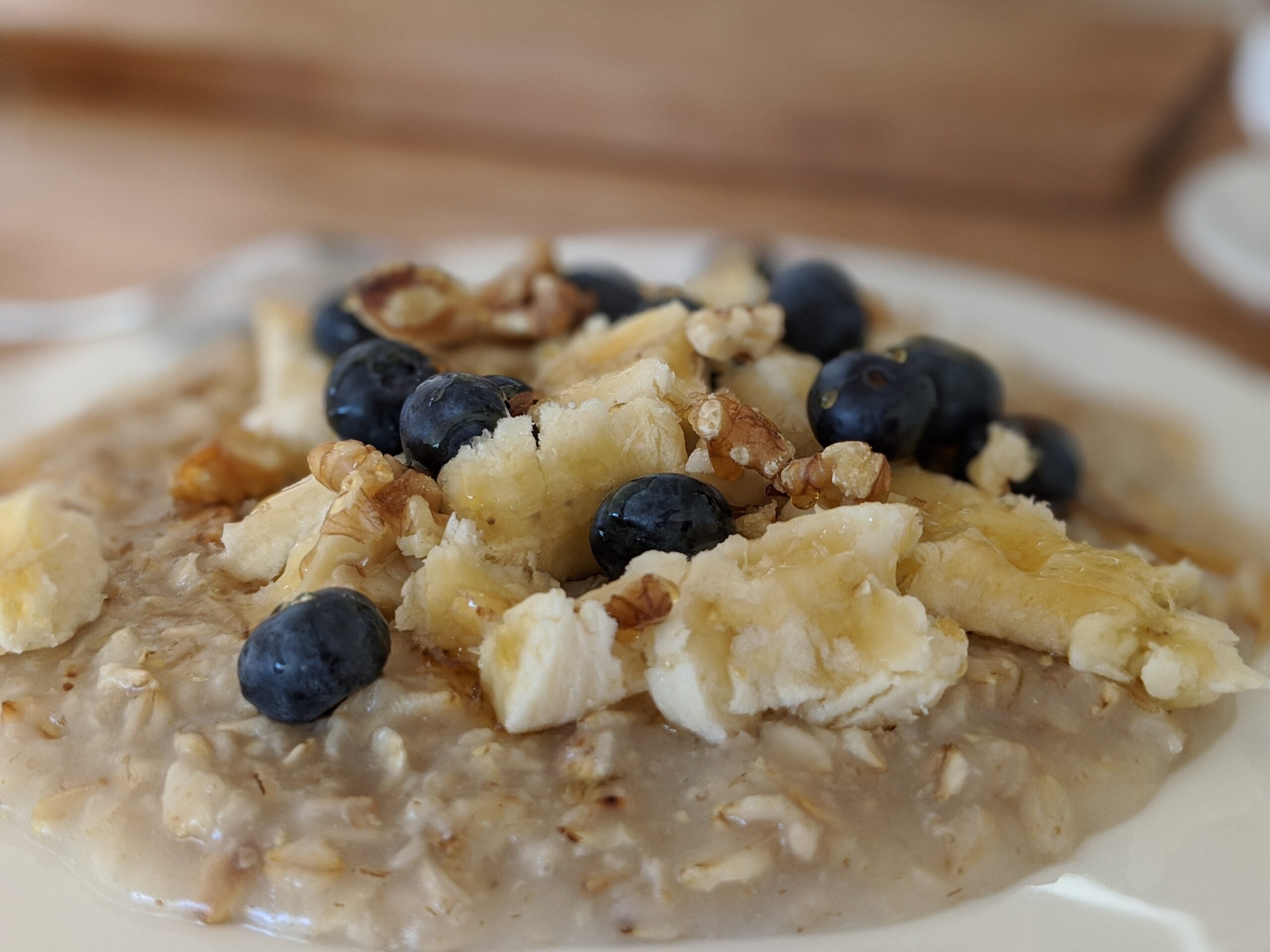
A bowl of oatmeal is the obvious use, but oats are more flexible than their old fashioned image suggests. Rolled oats can add body to smoothies, thicken meatballs, and stand in for part of the breadcrumbs in patties or meatloaf. They also work well in pancakes, muffins, and fruit crisps, where they bring texture instead of just bulk.
Savory oats are worth a look too. Cooked with broth rather than milk or water, they can act almost like a soft risotto base for mushrooms, greens, or a fried egg. That makes oats easier to keep in regular rotation, especially for people who do not want another sweet breakfast.
Whole oats can support a steadier meal
One reason oats have lasted so long is that they tend to be satisfying. A meal built around whole grain oats and topped with protein or healthy fat, such as yogurt, nuts, or seeds, usually lands differently than a highly sweetened breakfast that digests quickly. The effect is practical: many people feel full longer and are less likely to hunt for snacks soon after.
Portion and preparation still matter. A large bowl loaded with brown sugar and syrup changes the picture. But oats themselves offer a steady base, which is part of why dietitians keep recommending them.
Their real strength is that they are easy to live with
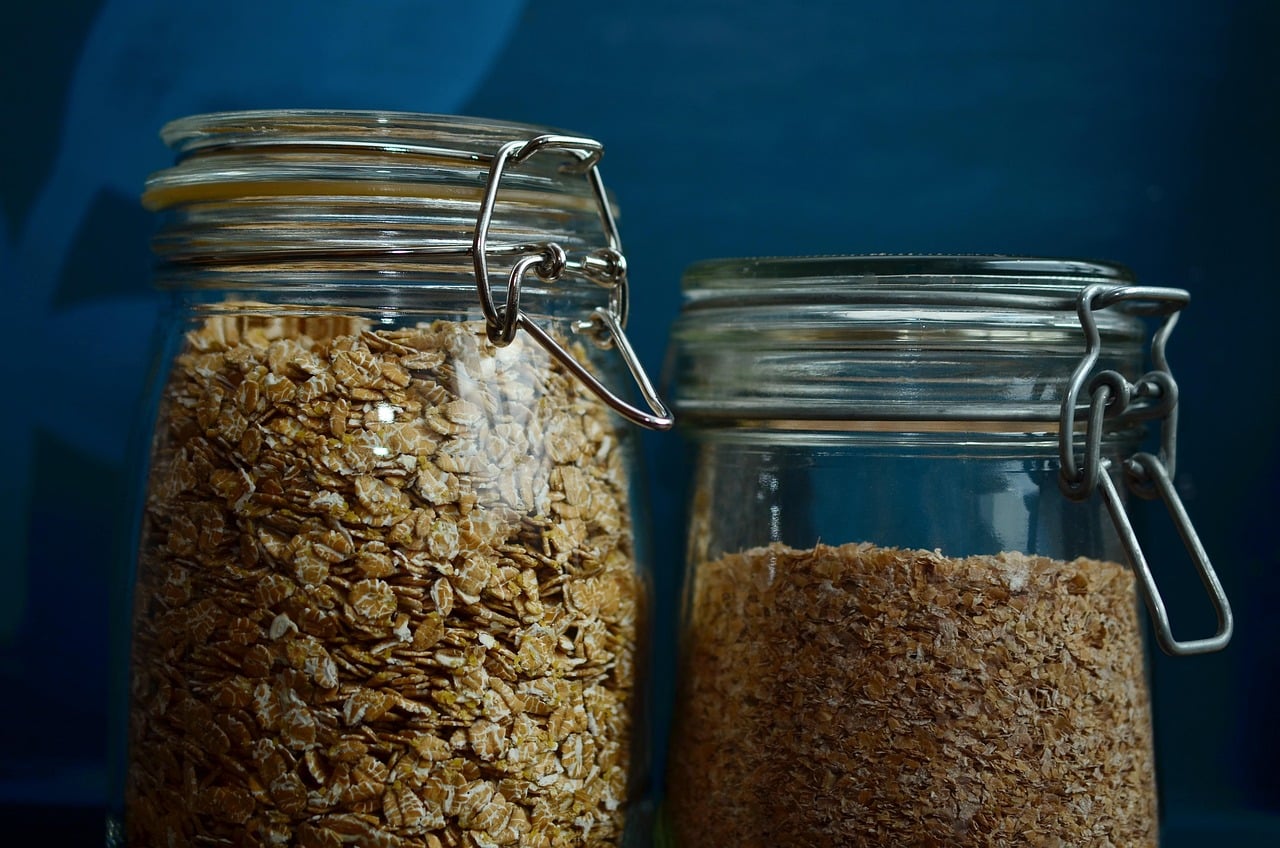
The strongest case for oats is not that they are trendy or exotic. It is that they are affordable, familiar, shelf stable, and easy to prepare in many forms. Those traits helped make them valuable in the 1800s, and they matter just as much now, when many healthy eating plans fall apart because they are too expensive or too complicated to sustain.
That may be the best way to understand this forgotten superfood. Oats are not a miracle cure. They are a reliable, nutrient rich staple that fits real life, which is exactly why they have endured.



Leave a Reply