
Cold storage is not a universal fix. For several common foods, refrigeration can dull flavor, change texture, or interrupt the way the food naturally ripens, according to guidance from the USDA and major produce groups.
Tomatoes
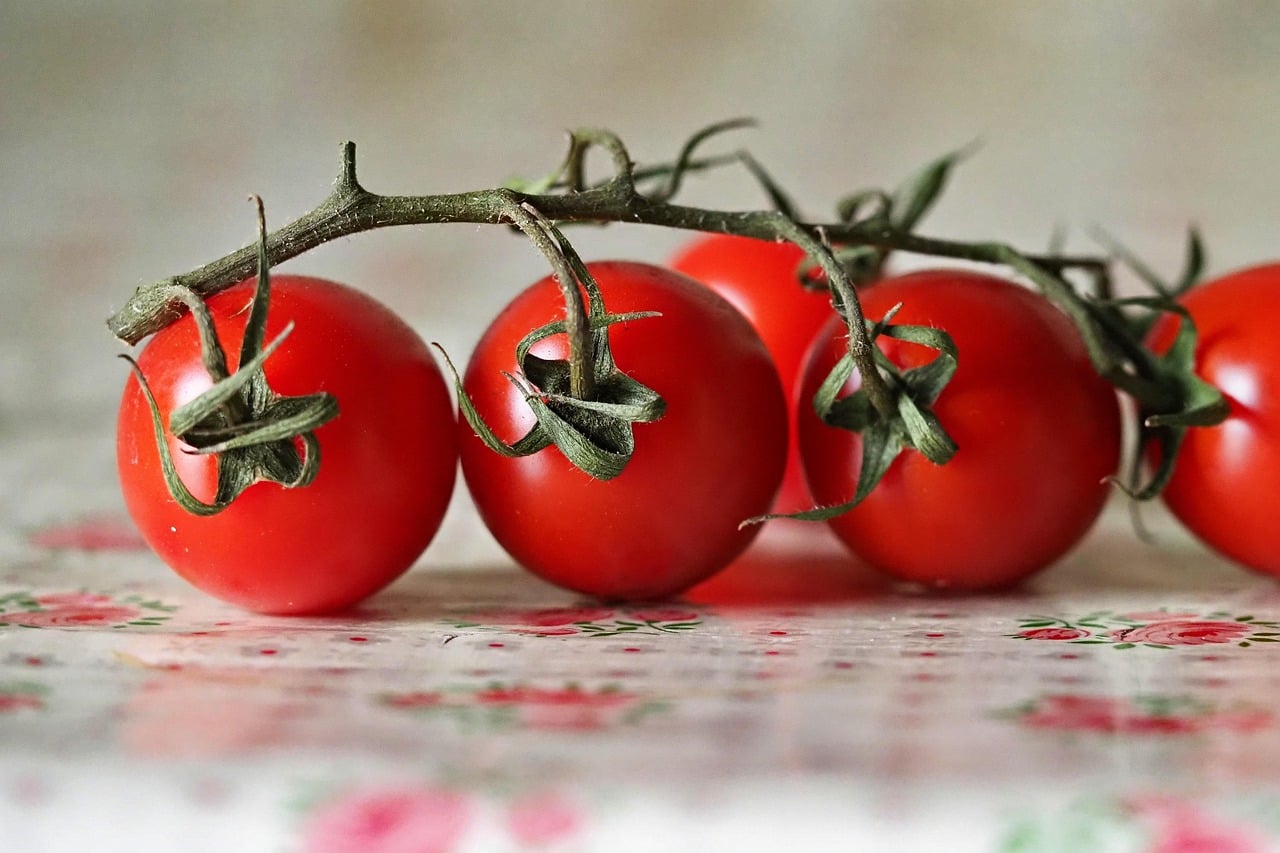
A tomato loses part of its character when it gets too cold. The Florida Tomato Committee says refrigeration below 55 degrees Fahrenheit can cause tomatoes to lose flavor and develop a mealy texture, because chilling interrupts the normal ripening process.
That is why a ripe tomato from the refrigerator often tastes flatter than one kept on the counter. The skin may still look fine, but the inside can turn grainy and less juicy.
For best quality, keep fresh tomatoes at room temperature and out of direct sunlight until they ripen. If a tomato becomes very ripe and you need a little extra time, refrigeration can slow further softening, but flavor is usually best before that point.
Potatoes
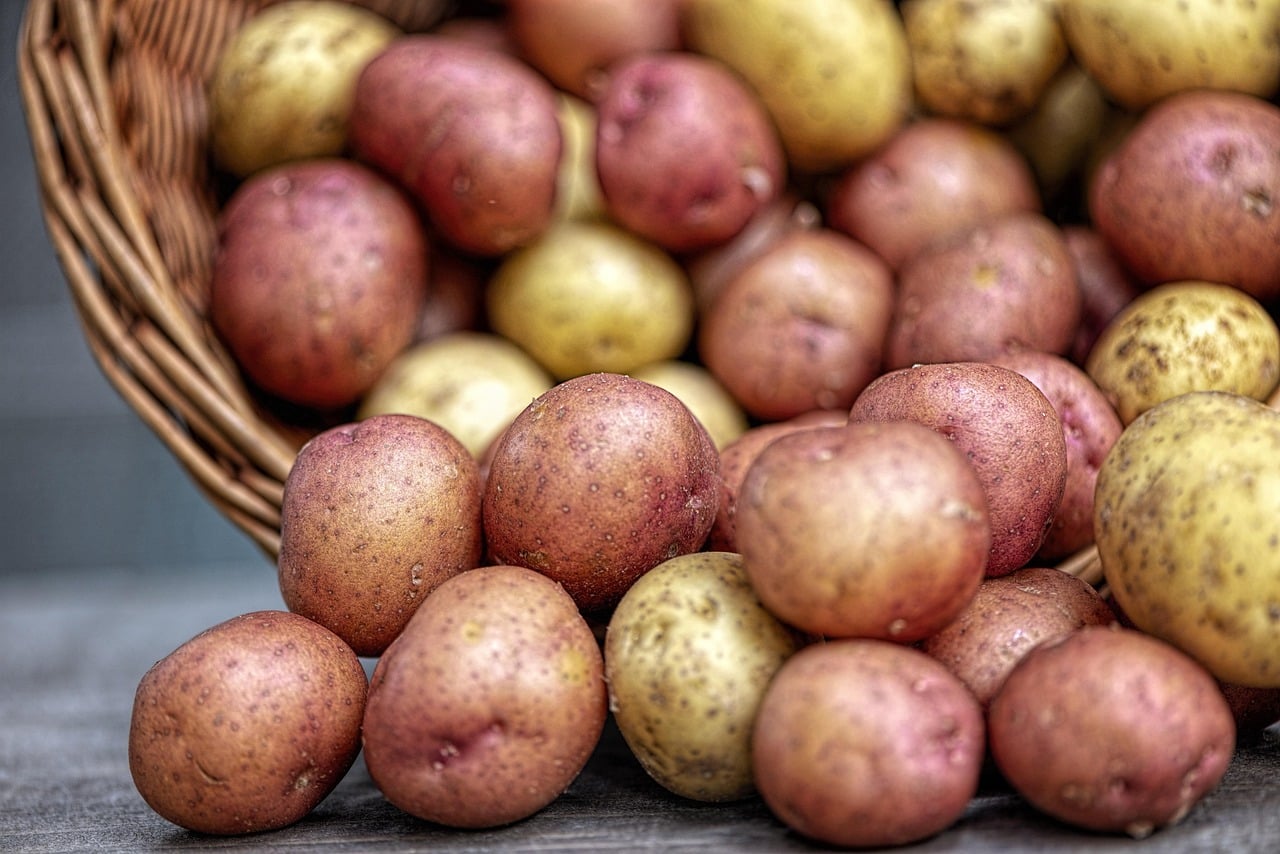
Potatoes and cold air are a bad mix if taste is the goal. The USDA notes that storing raw potatoes in the refrigerator can cause their starch to turn into sugar more quickly, which affects both flavor and cooking results.
That change can make potatoes taste sweeter than expected. It can also lead to darker browning during cooking, especially when frying or roasting.
A cool, dark, well-ventilated pantry is the better choice. The USDA recommends keeping potatoes away from onions too, because the gases and moisture each give off can speed spoilage for both foods.
Onions
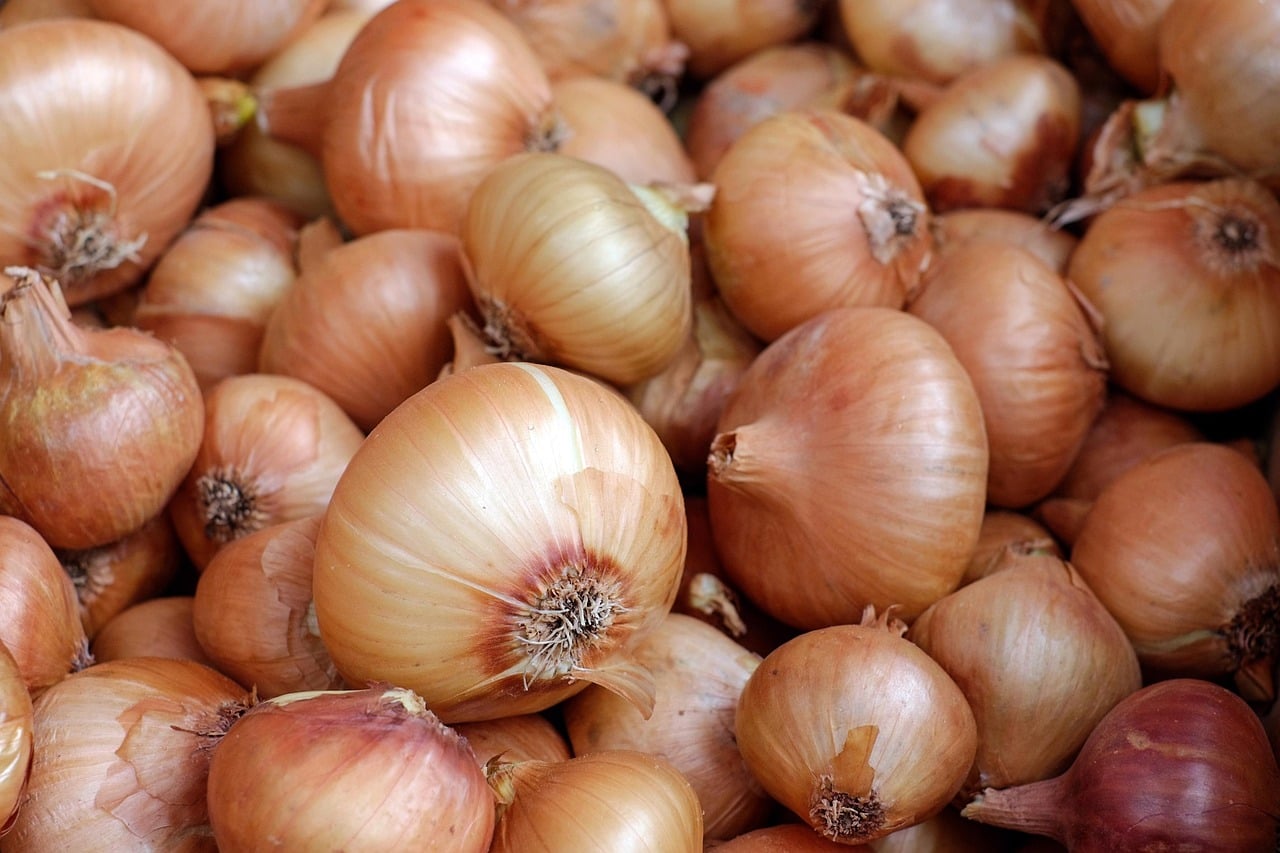
Whole onions prefer airflow, not refrigerator drawers. The National Onion Association advises storing dry bulb onions in a cool, dry, well-ventilated place, not in plastic bags and not in damp conditions.
The refrigerator is often too moist for whole onions. That excess moisture can soften them faster and encourage mold.
A mesh bag, basket, or other breathable container works better at room temperature. The main exception is a cut onion. Once peeled or sliced, it should be refrigerated in a sealed container and used within a few days for food safety.
Garlic
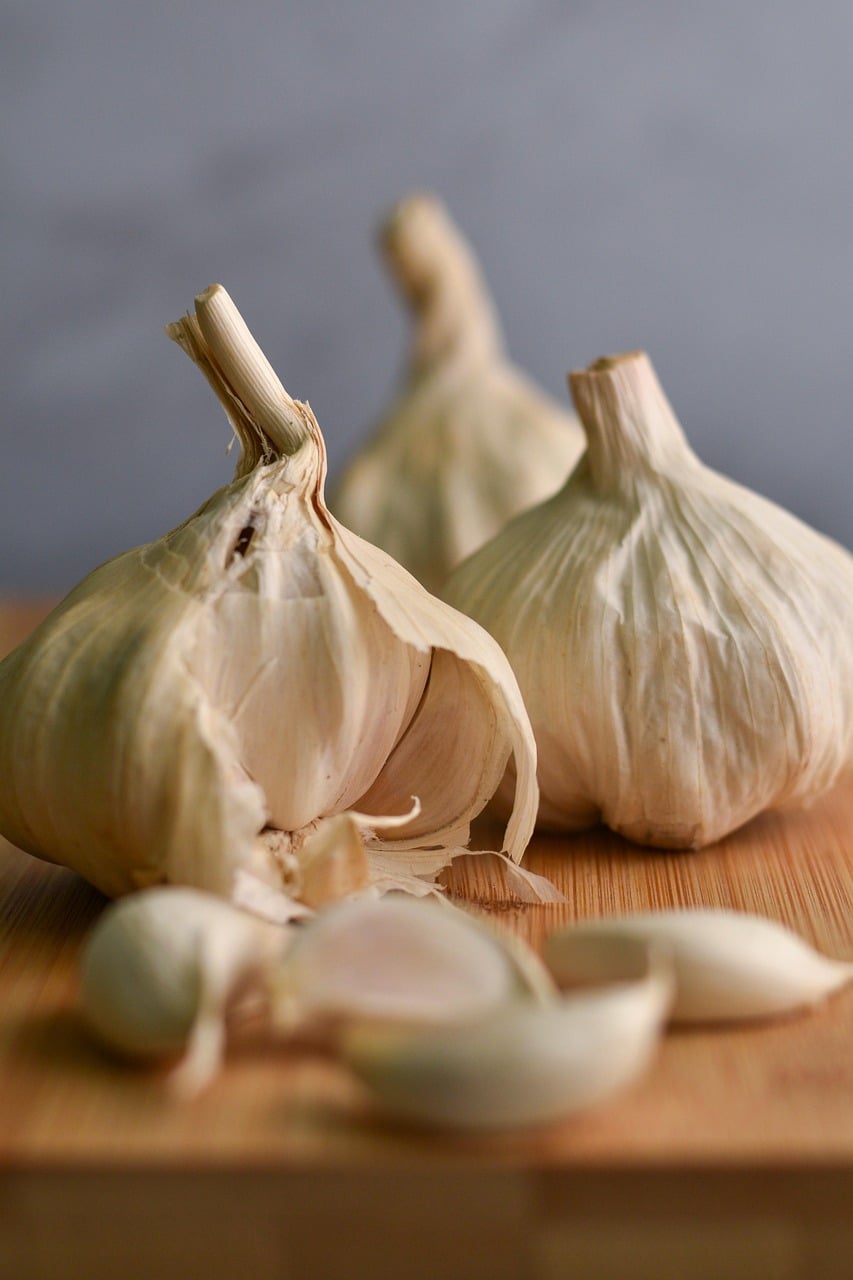
Garlic keeps its bite and structure better outside the fridge. According to the USDA, whole garlic should be stored in a cool, dry place with good air circulation.
Refrigeration can push garlic toward rubbery texture, early sprouting, or excess moisture, especially once a bulb has been broken apart. Flavor can also fade when cloves sit too long in a cold, damp environment.
A dry pantry is usually ideal for whole heads. After garlic is chopped or peeled, refrigeration becomes important for safety and freshness, but intact bulbs are better off away from the cold.
Bananas
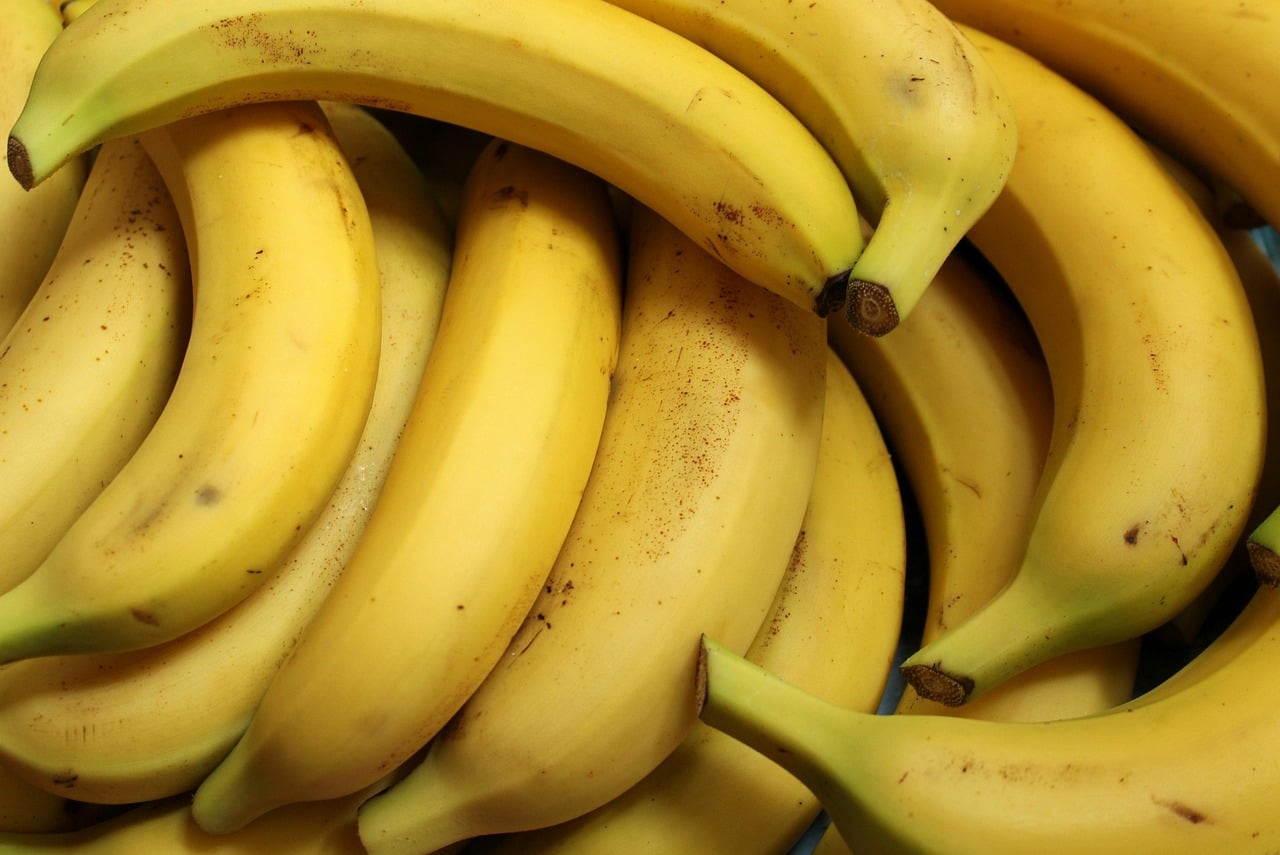
Bananas are built to ripen at room temperature. Chiquita notes that bananas should be stored at about 58 to 68 degrees Fahrenheit and that refrigeration can slow ripening significantly.
That might sound useful, but cold temperatures come with trade-offs. Banana peels can darken in the refrigerator, and fruit that has not fully ripened before chilling may never develop the same sweetness and aroma.
Keeping bananas on the counter lets their natural sugars develop more fully. Once they are ripe, you can refrigerate them briefly to hold them at that stage a bit longer, even though the peel may turn brown.
Bread
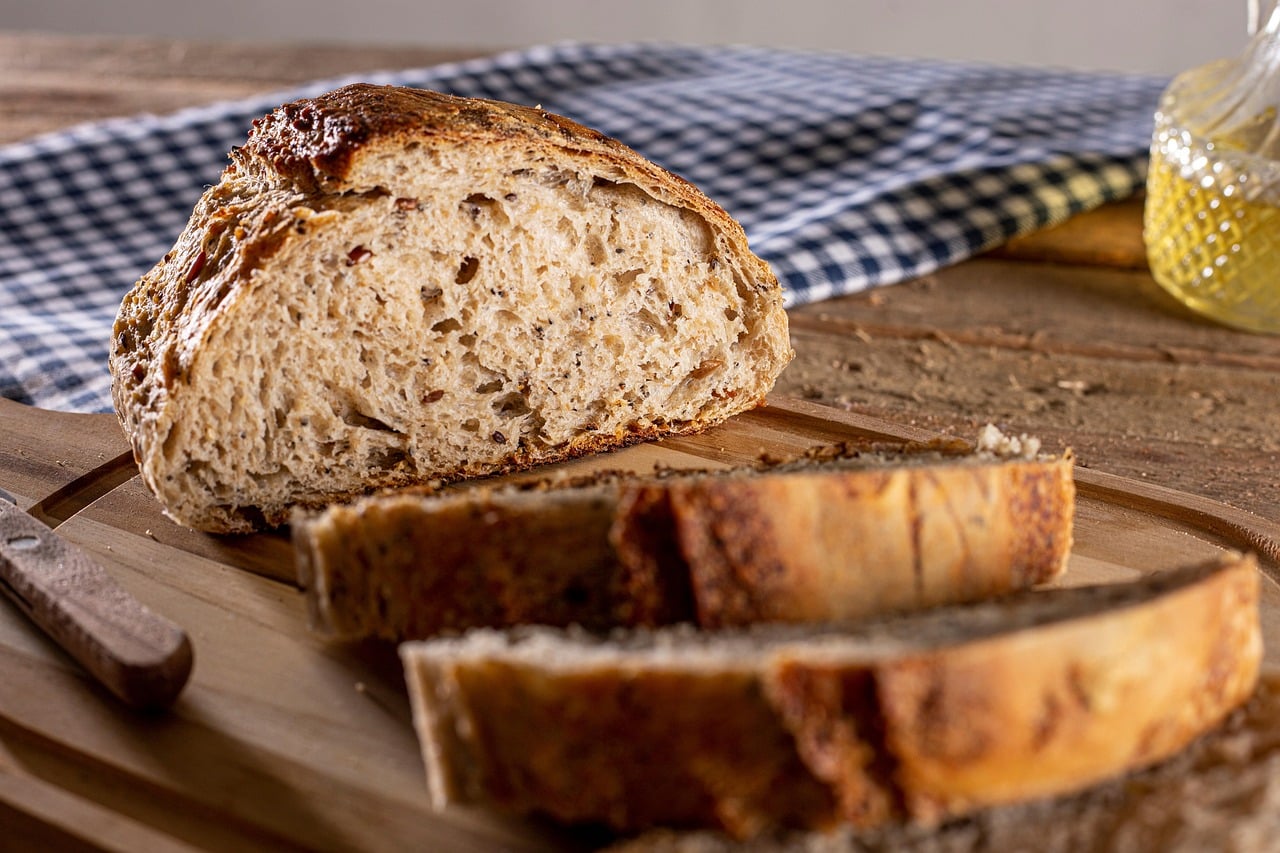
Bread goes stale faster in the refrigerator than many people realize. The USDA and baking experts have long noted that refrigeration speeds the staling process in most loaves by encouraging the starches to recrystallize more quickly.
That means refrigerated bread often turns firm and dry sooner than bread kept at room temperature. It may last a little longer before molding, but the eating quality usually drops first.
For everyday use, store bread in a bread box, paper bag, or another cool, dry spot for a short period. If you need to keep it longer, freezing usually protects texture better than refrigeration.
Coffee
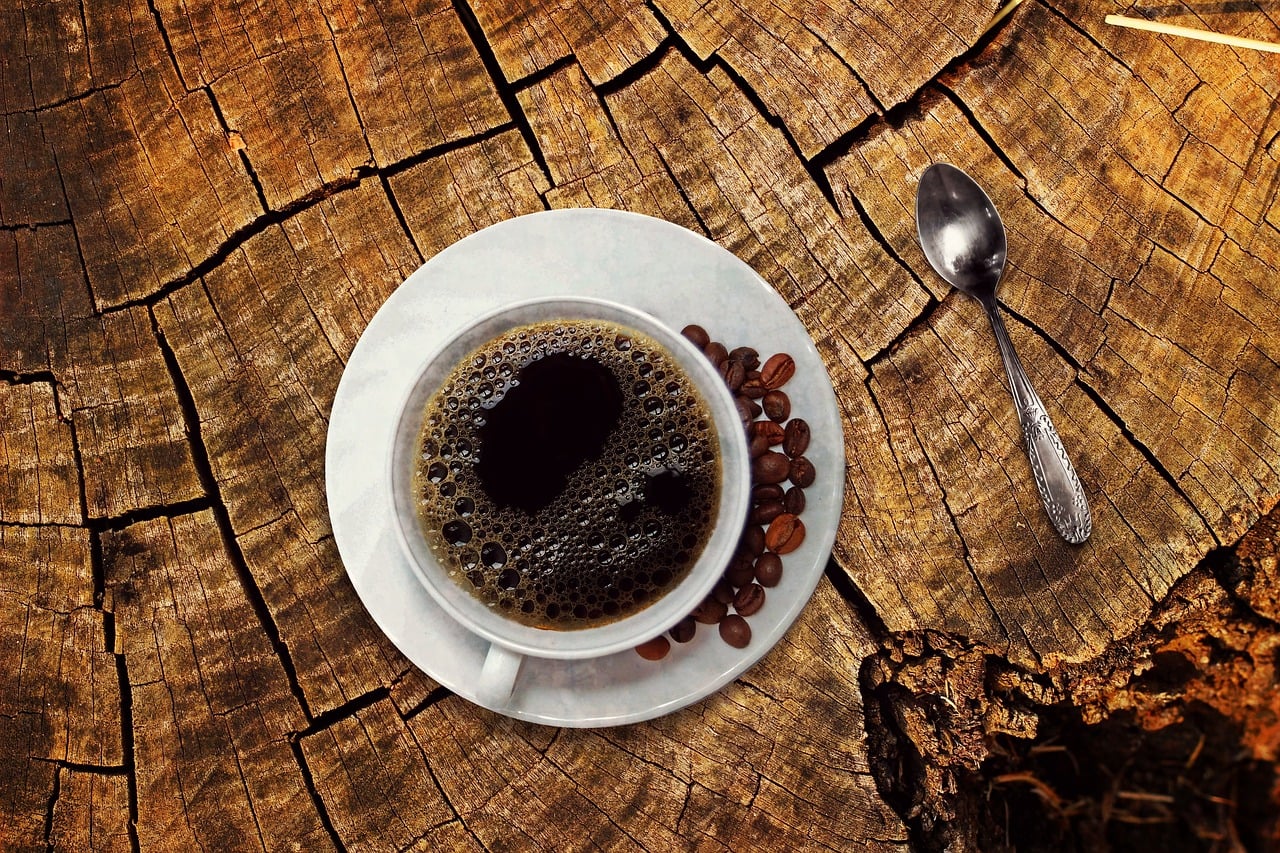
Coffee is especially sensitive to its environment. The National Coffee Association says coffee should be stored in an airtight container away from heat, light, air, and moisture, which makes the refrigerator a poor fit for daily storage.
Coffee beans and grounds can absorb surrounding odors, and refrigerators are full of them. Moisture changes are another problem, especially if the container is opened and closed often.
A cool pantry is usually the safer option for preserving flavor. For larger amounts you will not use soon, freezing can work if the coffee is well sealed and divided into small portions to limit repeated exposure.
Basil
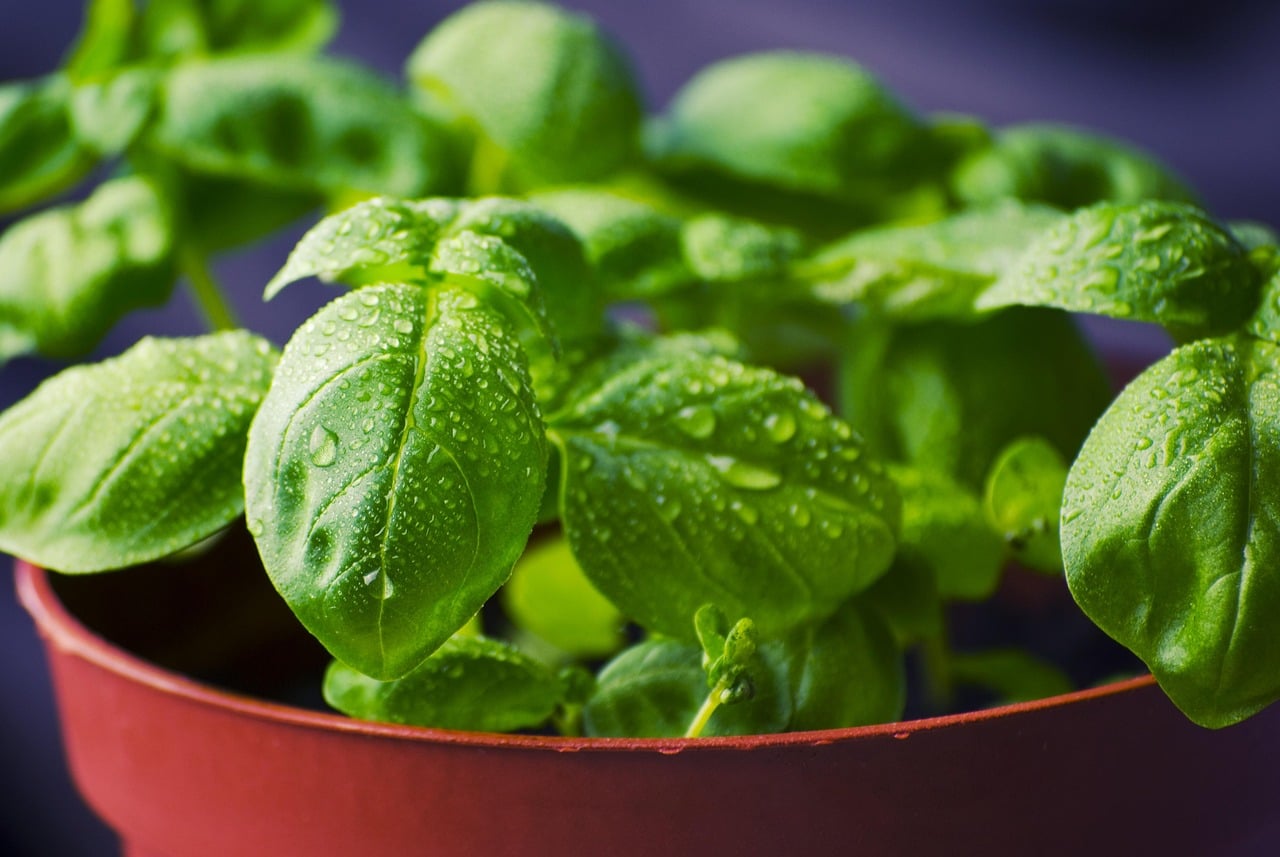
Basil acts more like a fresh bouquet than a hardy vegetable. The USDA notes that basil is sensitive to chilling injury, which means refrigerator temperatures can blacken the leaves and damage texture and aroma.
That is why a bunch of basil often collapses quickly after a night in the fridge. The leaves darken, turn limp, and lose some of the bright scent that makes basil valuable in the first place.
Many cooks get better results by trimming the stems and placing basil in a jar of water at room temperature, loosely covered if needed. It is a simple storage trick that helps the herb stay lively longer.
Avocados
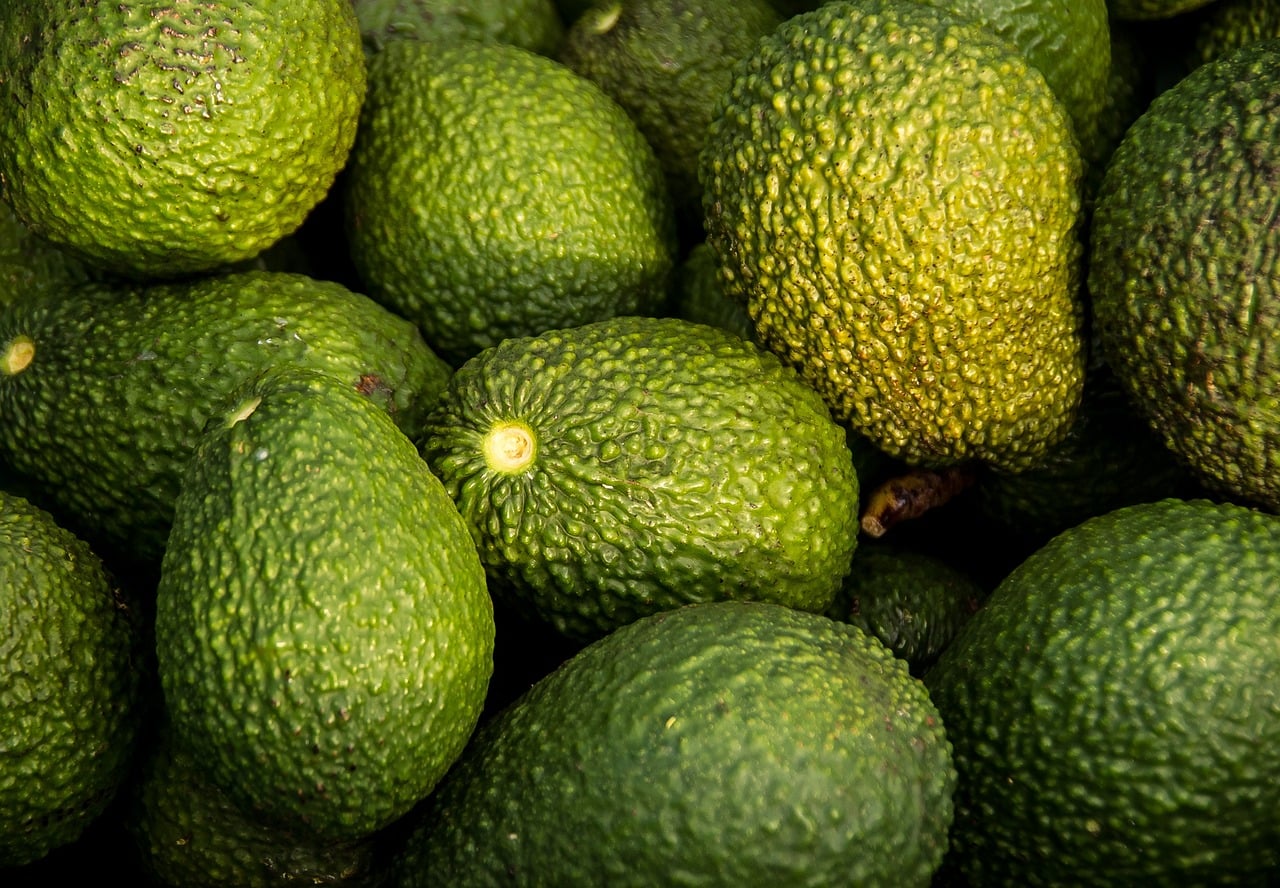
An avocado has its own timetable, and the refrigerator can interrupt it. Hass Avocado Board guidance says unripe avocados should be kept at room temperature until they soften and develop full flavor.
Chilling an unripe avocado slows the ripening process dramatically. That can leave you with fruit that stays hard longer than expected and never reaches the same creamy texture on schedule.
Once an avocado is ripe, refrigeration becomes useful because it can help hold that stage for a bit longer. But for most of the journey from firm to buttery, the countertop is where the best flavor develops.



Leave a Reply