
Some snacks disappear quietly. Others leave a hole in the national memory that never really closes.
Why these snacks still matter
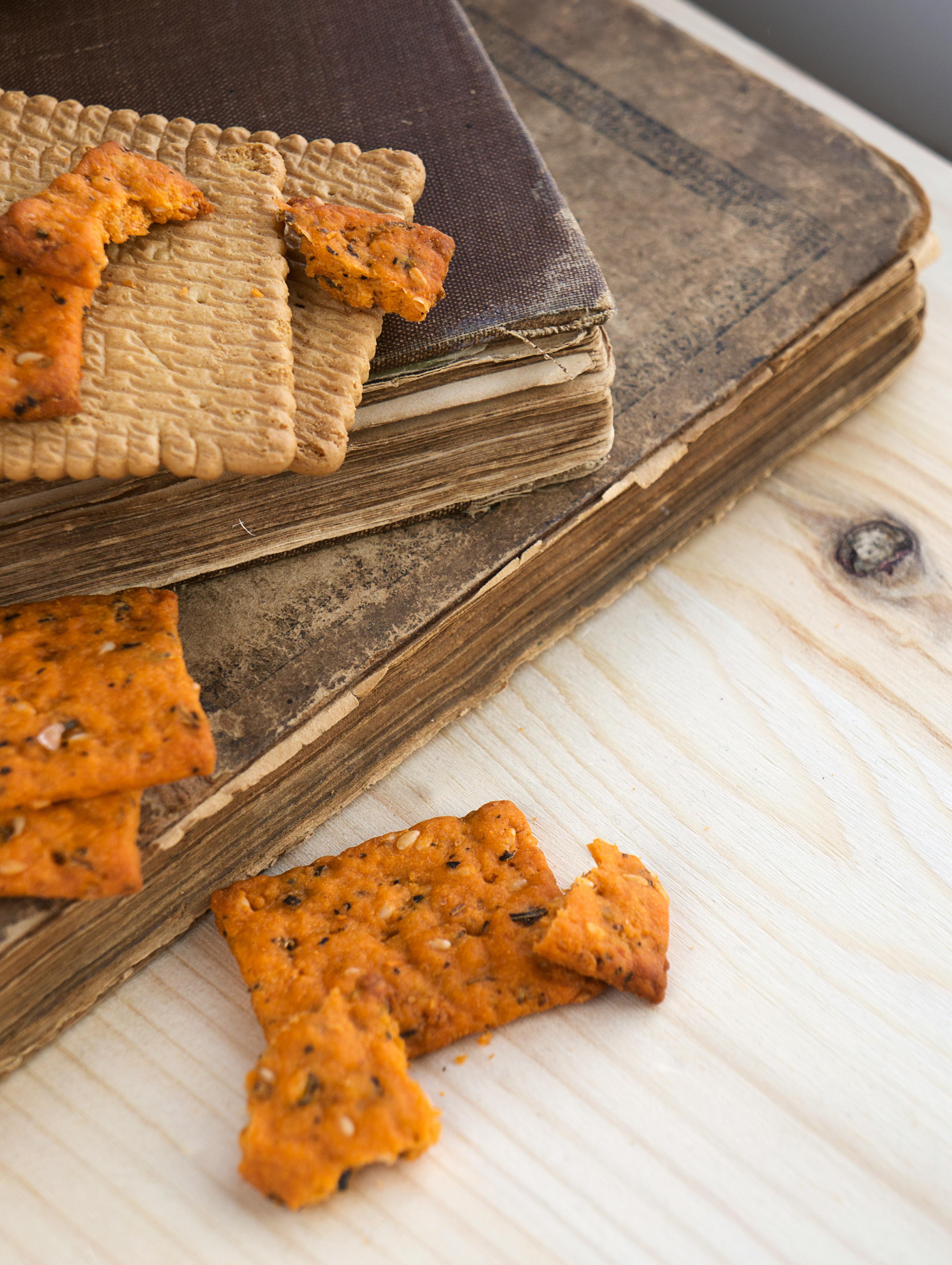
Nostalgia is only part of the story. Snacks from the 1980s and 1990s were woven into daily Canadian life, especially in school lunches, corner stores, road trips, and after-hockey treats. When people remember them now, they are not just recalling flavour. They are recalling routines, packaging, jingles, and the very specific feeling of being young in Canada at that time.
Food historians often point out that snack culture is a record of consumer habits. In Canada, that matters because the market has always been shaped by regional taste, bilingual branding, and the influence of both domestic companies and U.S. giants. A snack could become iconic here without ever becoming big elsewhere. That gave many Canadian brands a distinct identity that still feels personal to the people who grew up with them.
The losses also reflect a broader industry shift. As multinational companies absorbed smaller brands and retailers gave more space to top-selling products, niche or regionally beloved snacks became vulnerable. Even strong emotional loyalty could not always overcome tighter profit margins, changing nutrition trends, or the costs of reformulating recipes and packaging for a new era.
Hostess chips were once a national fixture

Before Lay's became the more dominant name on many shelves, Hostess was a defining Canadian chip brand. For decades, its bright bags and mascot presence made it a familiar sight in homes, school canteens, and gas station snack racks. In the late 20th century, Hostess chips had the kind of market recognition that turned an ordinary potato chip into part of a generation's shared vocabulary.
What many Canadians remember most is not just the chips, but the surrounding culture. Promotional tie-ins, collectible items, and the famous connection to hockey cards gave the brand a life beyond snacking. The packaging itself carried a kind of cheerful confidence that felt unmistakably of its time. For children in the 80s and 90s, grabbing a bag of Hostess could feel tied to sports fandom and weekend rituals.
The brand eventually disappeared from Canada after corporate changes and trademark complications reshaped the market. Although some product lines evolved into other labels, the original Hostess identity faded. That matters because consumers rarely mourn only ingredients. They mourn the exact version they knew, down to the logo, the crunch, and the associations that no replacement brand has fully recreated.
Hickory Sticks and the shrinking space for variety

Some discontinued or diminished snacks are remembered because they felt different from everything around them. Hickory Sticks, with their thin-cut shape and intensely seasoned profile, stood apart from standard chips. While versions of the product have existed over time, many Canadians still speak nostalgically about earlier eras when these kinds of snacks felt more prominent and more central to convenience-store culture than they do now.
That nostalgia points to a real change in retail strategy. Through the 1990s and beyond, major snack aisles became increasingly optimized for predictable national sellers. Products with cult followings could survive, but often with less visibility, fewer flavour experiments, and weaker regional presence. A snack did not need to vanish completely to feel gone. Reduced shelf space alone could push it out of everyday life.
The same pattern affected other remembered items, from old-school cheese snacks to obscure corn-based treats sold in small bags near the cash. Canadians often bundle these memories together because the experience was collective. It was about walking into a store and seeing a wider, stranger range of choices. Once that range narrowed, the sense of discovery disappeared with it.
McCain Deep 'n Delicious bars and frozen snack nostalgia

Not every lost favourite came from the chip aisle. Frozen snack desserts also held a powerful place in Canadian households, especially when convenience foods were becoming symbols of modern family life. McCain built immense recognition through products that were easy to store, quick to serve, and strongly associated with birthday parties, sleepovers, and weeknight treats. Some older specialty items and formats from that era have since faded, even if the brand itself survives.
This distinction matters. A company can remain successful while many of its most beloved legacy products disappear. Consumers often remember specific bars, snack cakes, and frozen desserts that no longer match today's lineup. Recipe changes, package resizing, and discontinued sub-lines can be enough to make people feel that the original has been lost, even when a familiar logo still exists in the freezer aisle.
Industry analysts have long noted that frozen foods are especially vulnerable to reformulation and line pruning. They are costly to transport, expensive to store, and sensitive to shifts in health messaging. As supermarkets streamlined inventory, sentimental favourites that once seemed permanent became expendable. In memory, though, those desserts remain fixed in a more abundant version of the Canadian grocery store.
Candy favourites vanished for practical reasons, not emotional ones

The Canadian candy landscape of the 80s and 90s was full of products that inspired intense loyalty but offered uncertain long-term returns. Regional bars, novelty candies, and snack-sized treats often depended on impulse purchases from children and teens. That made them culturally powerful, but commercially fragile. A product could be famous in playground conversation and still fail modern shelf-performance tests used by large retailers and corporate owners.
Packaging rules, ingredient costs, and manufacturing efficiency also played a major role in what disappeared. As sugar prices fluctuated and companies standardized production across North America, smaller Canadian-specific products became harder to justify. If a candy required its own mold, wrapper format, or marketing campaign, executives often saw it as an easy cut. Emotional attachment rarely factors into those decisions.
That is why so many Canadians remember these vanished snacks with a mix of affection and disbelief. The products felt big because they were socially visible, not because they were always blockbuster sellers. Once removed, however, they took pieces of everyday culture with them. Their absence is still felt in lunchbox memories, holiday stockings, and the stories adults tell when talking about the snacks of their youth.
Why Canadians have never fully moved on

What keeps these brands alive is repetition through memory. People bring them up at family gatherings, in office conversations, and in online discussions whenever the topic turns to childhood food. The same names surface again and again because they represent a shared era before snack aisles became more standardized. In that sense, remembering them is also a way of remembering a less consolidated version of Canadian consumer life.
There is also a deeper national element. Canada has long lived beside a much larger U.S. food culture, so domestic or distinctly Canadian snack brands carry extra emotional weight. When one disappears, it can feel like more than a product loss. It can feel like a local reference point has been erased, replaced by something broader, blander, and less rooted in place.
That is why these snacks still matter decades later. They were small items, but they occupied large emotional territory. Their disappearance reveals how food memories outlast product cycles and balance sheets. Canadians have not fully moved on because these brands were never just snacks. They were markers of time, taste, and identity, and those are much harder to replace than anything on a store shelf.




Leave a Reply