
Your kitchen may look harmless, but some everyday tools and dishes can contain lead in places most people never think to check. The biggest risks usually come from older, imported, damaged, or decorative items rather than every plate and pan in your cabinets. This gallery breaks down seven common categories to watch, explains where lead can show up, and highlights the safer materials that make everyday cooking and eating simpler.
Vintage or imported ceramic dishes
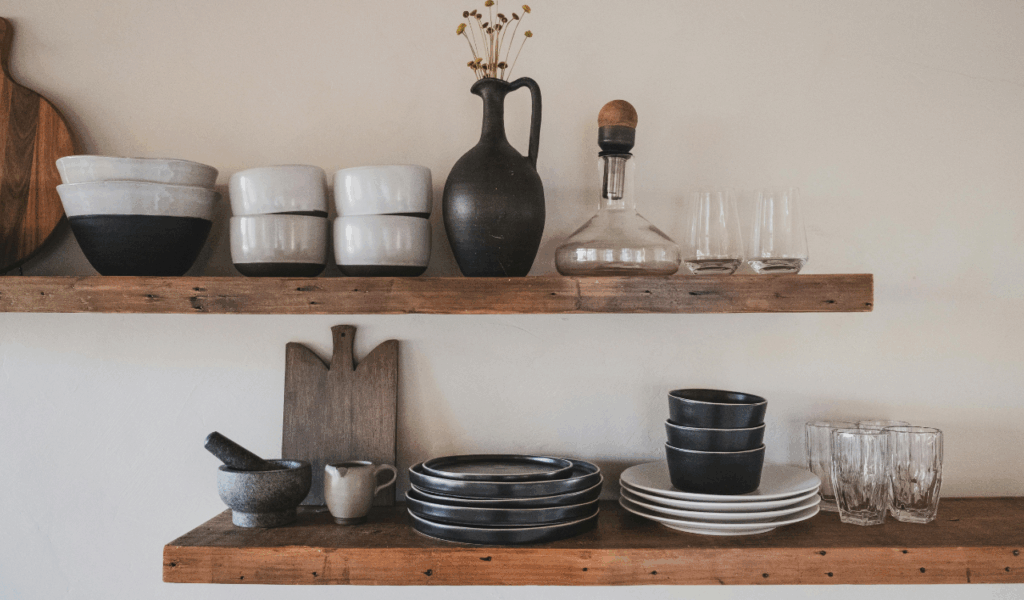
Pretty pottery often tells a deeper story. Older ceramic plates, bowls, and serving pieces can contain lead in glazes or decorative paints, especially if they were made before tighter safety standards became common or were imported from places with uneven enforcement.
The risk grows when glaze is cracked, worn, or used with hot or acidic foods like tomato sauce, citrus, or vinegar. For everyday meals, the safer bet is plain glass, modern lead-tested dinnerware from reputable brands, or clearly labeled food-safe ceramics intended for regular use.
Decorative mugs and souvenir cups
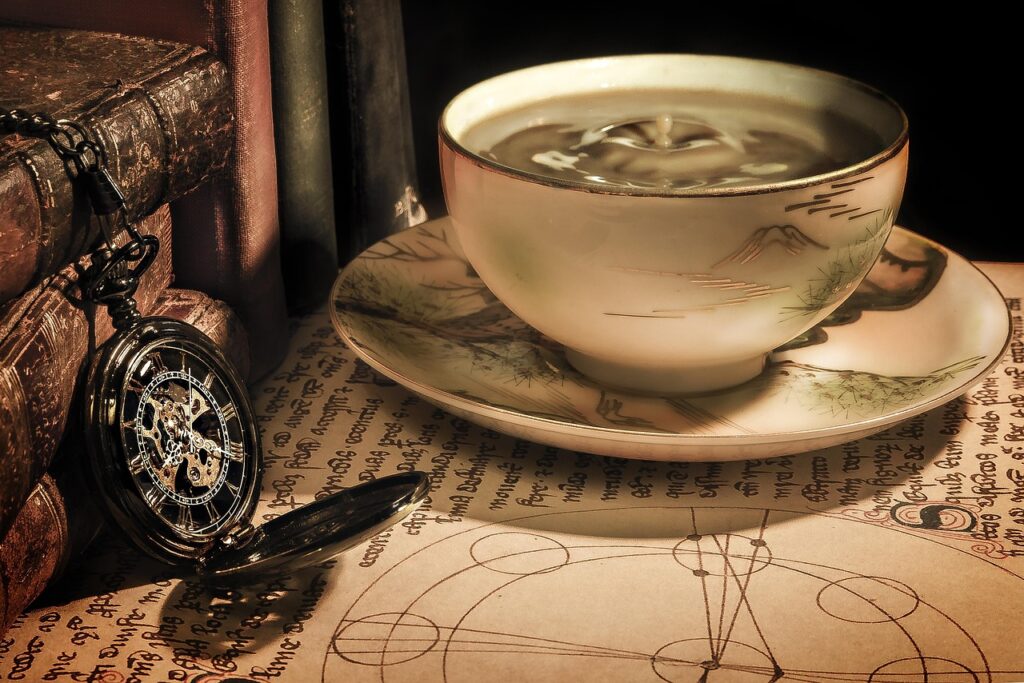
That charming souvenir mug may be better at holding memories than coffee. Decorative mugs, hand-painted cups, and novelty drinkware can sometimes contain lead in exterior paints, metallic trims, or glazes that were never designed for repeated food contact.
Trouble starts when these mugs are chipped, heated, or washed over and over, which can wear finishes down. Safer everyday choices include tempered glass mugs, stainless steel travel cups with food-grade interiors, or plain ceramic mugs from established manufacturers that market them for regular beverage use.
Crystal glasses and decanters
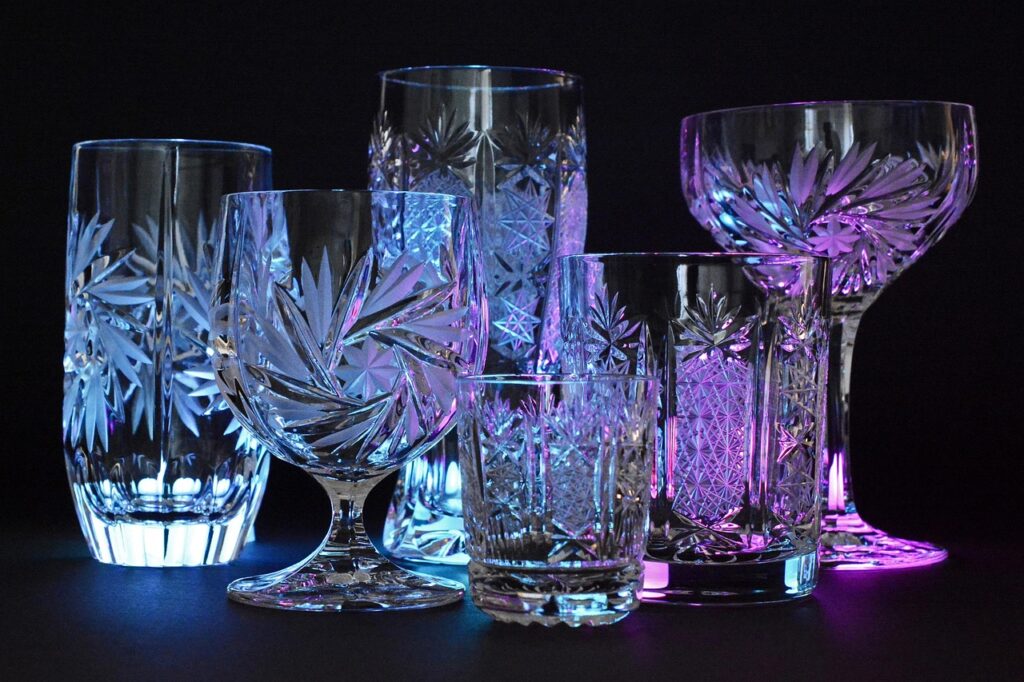
Crystal has long been sold as the elegant choice, but traditional lead crystal earns its sparkle from lead oxide. That does not always create a major problem for brief use, yet storing wine, whiskey, or spirits in a lead crystal decanter for long periods can increase the chance of lead leaching into the liquid.
For regular drinking and storage, standard glass is the smarter pick. Look for soda-lime glass, borosilicate glass, or products specifically labeled lead-free crystal if you want the same polished look without the extra concern.
Old cookware with damaged enamel or unknown coatings
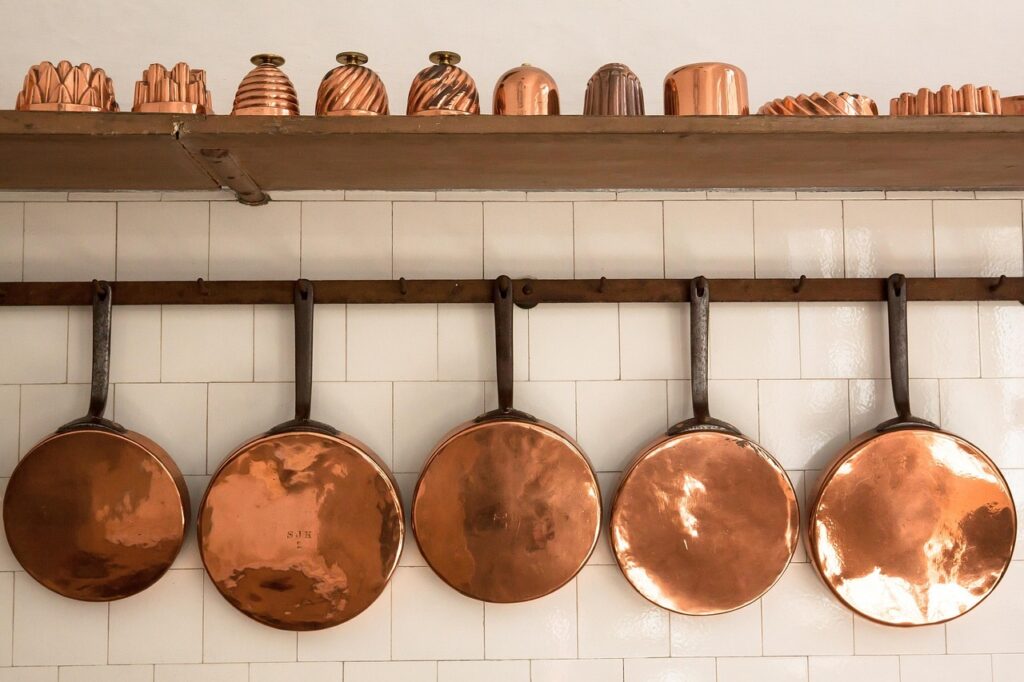
A beloved old pot can hide problems under the surface. Some older enamel-coated cookware, especially pieces with unknown origins or visible wear, may contain lead in pigments or coatings, and chips or cracks raise questions about what can migrate during cooking.
High heat, acidic ingredients, and repeated use make condition matter even more. If a pan is badly chipped or you cannot verify what it is made from, retire it. Safer options include stainless steel, well-made cast iron, and newer enameled cookware from brands that meet current food-contact standards.
Imported spices stored in lead-glazed containers
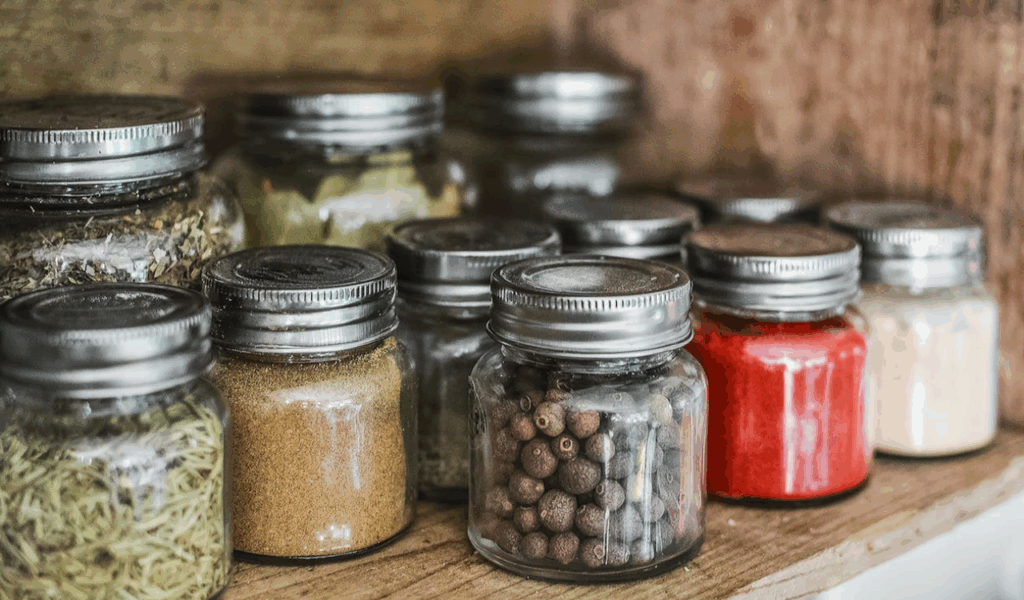
Sometimes the issue is not the spice but the container it comes in. Certain imported spice jars, ceramic canisters, or traditional storage pots may use lead-containing glazes, and that becomes more concerning when fine powders sit inside for weeks or months.
There have also been reports of lead contamination in some spices themselves, which makes source and packaging both important. The safest route is buying from reputable sellers and transferring spices to glass jars, stainless steel tins, or clearly food-safe containers made for pantry storage.
Handmade or folk-art serving ware
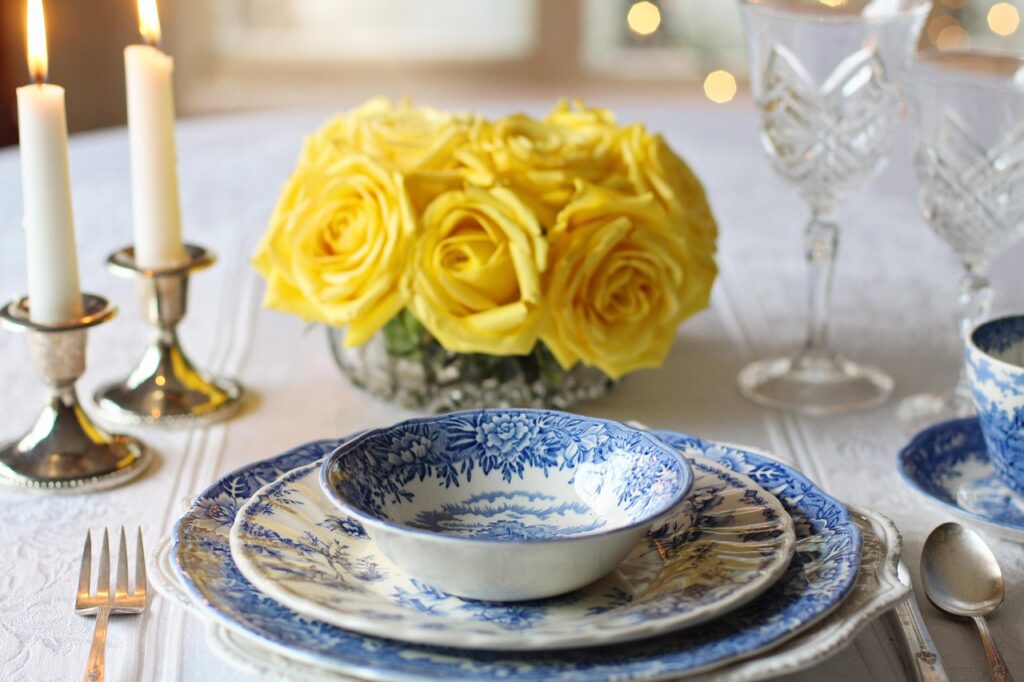
Handmade pieces have warmth that factory dishes often lack, but craft appeal does not automatically mean food-safe. Folk-art platters, hand-thrown bowls, and market-bought serving trays may use traditional glazes that were never tested for modern food-contact safety, especially when sold as art rather than tableware.
The key is how the item is labeled and finished. If a seller cannot confirm it is food-safe, use it for display only. For serving meals, choose certified food-safe stoneware, glass, or stainless steel pieces that are made for direct contact with food.
Antique metal utensils and pewter pieces
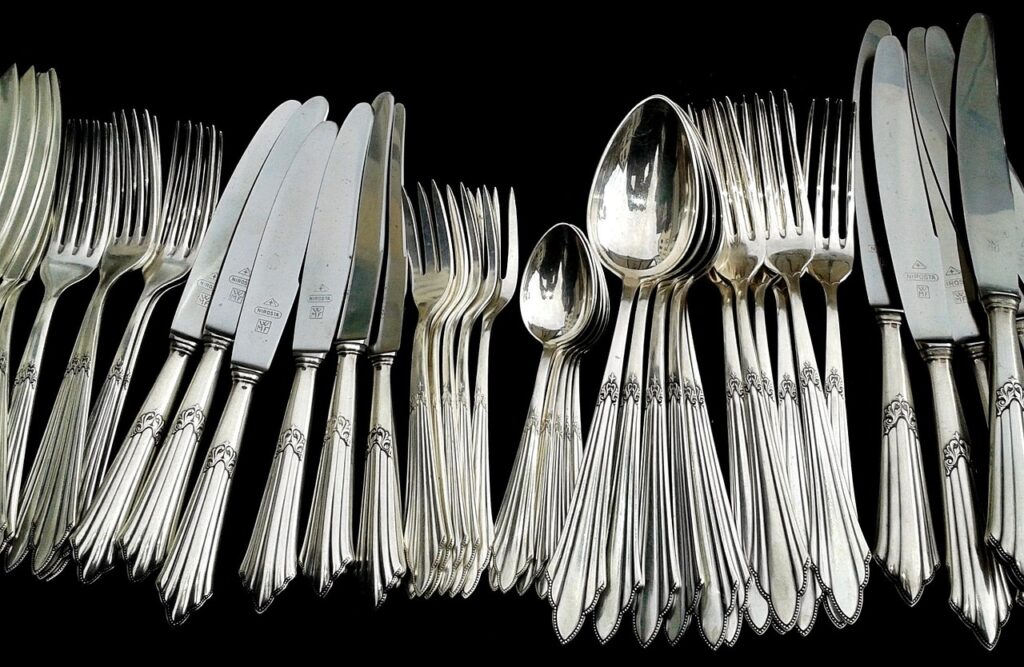
Older metal tools can be surprisingly complicated. Antique serving spoons, inherited pewter pieces, and vintage kitchen tools may contain lead as part of older metal mixtures, especially in low-cost alloys made before modern safety expectations became standard.
Using them occasionally for display is different from stirring soup or serving hot food every day. Because metal composition is often impossible to verify at home, safer daily choices are simple: stainless steel, silicone from reputable brands, untreated wood in good condition, and modern utensils designed for food use.




Leave a Reply