
PTA bake sales in the 1950s ran on assumptions that were normal at the time: home kitchens were trusted, labels were minimal, and children often handled the selling. Seen through modern standards, those habits can look surprisingly loose, even when they were considered responsible then.
Homemade was the whole point
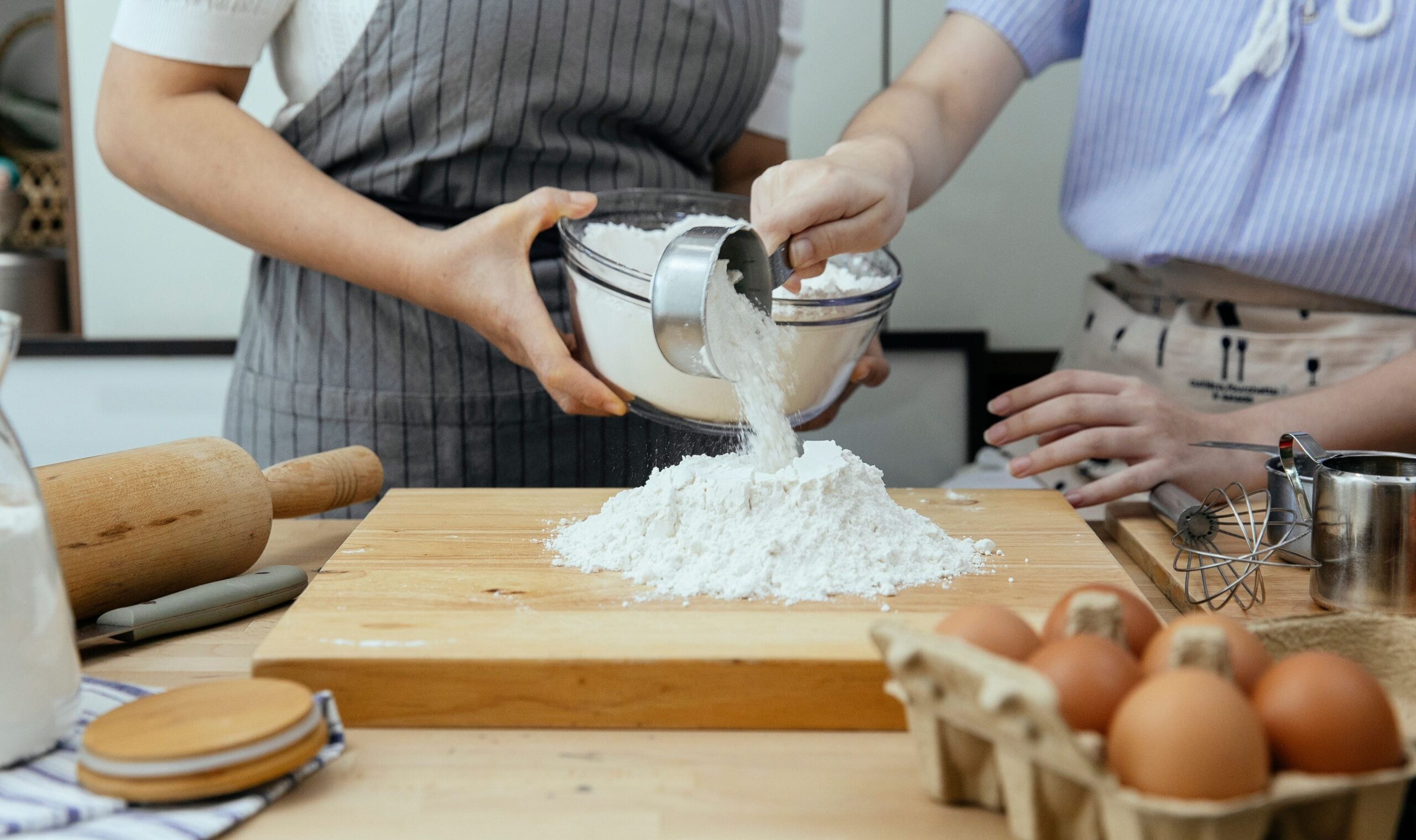
One of the biggest differences is that a bake sale item was usually expected to be made at home, not bought at a store and repackaged for the table. Midcentury women's pages, PTA notices, and community fundraiser ads routinely framed home baking as part of the event's appeal.
That reflected the era's confidence in the home kitchen. Before today's tighter rules around allergens, kitchen inspection, and traceability, a neighbor's cake or pie was treated as a sign of care, not a possible liability.
For modern parents used to nut free lists and ingredient cards, that old standard can seem upside down. In many schools now, a sealed commercial item is often easier to approve than a homemade brownie from an unknown kitchen.
Ingredient labels were often missing
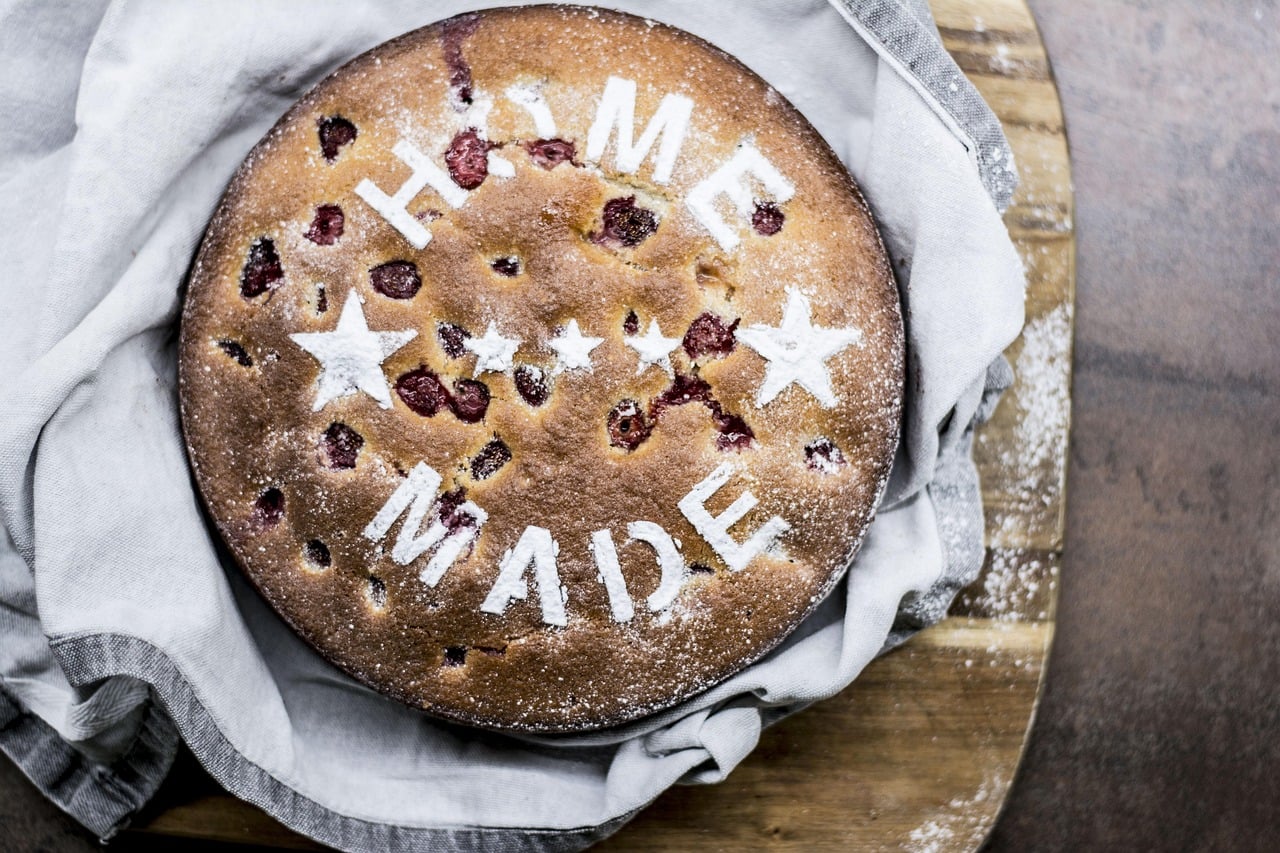
A 1950s bake table might offer cookies, cupcakes, layer cakes, and quick breads with little more than a handwritten price tag. Full ingredient lists were rarely part of the routine, even though common allergens like nuts, milk, eggs, and wheat were everywhere in home baking.
That does not mean people were careless by the standards of the day. It means the system relied more on face to face knowledge. Buyers often knew who baked the pie, and they could ask directly what was in it.
Today, that informal approach would alarm many parents. Modern school food policies often require clear labeling because allergies can be severe, and because not every shopper knows every family in the room.
Kids often sold the food themselves
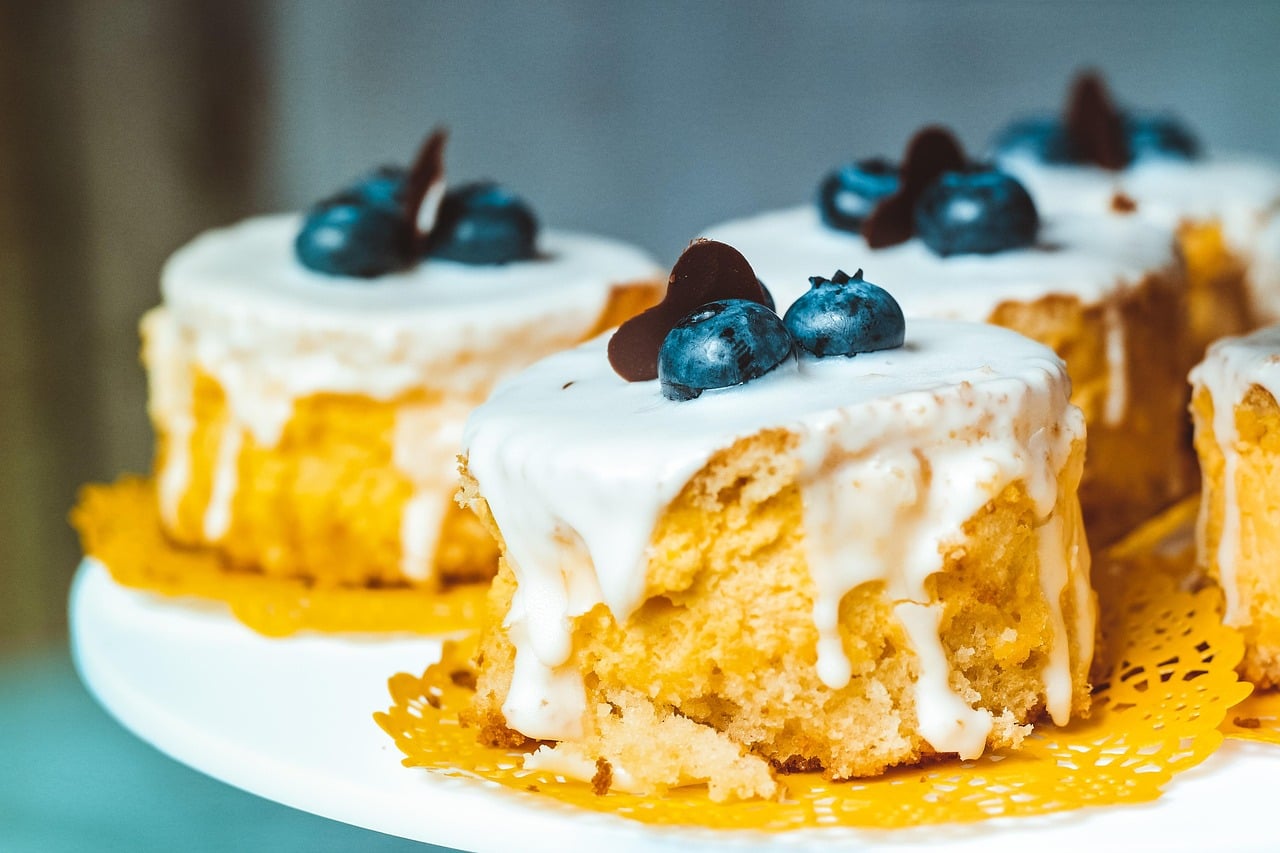
In many midcentury schools and churches, children were visible participants at fundraiser tables. They might carry boxes, make change, call out prices, or help manage a lunchtime sale under adult supervision.
That setup matched the period's broader expectations around independence. Children in the 1950s commonly walked to school, ran errands, and took on small public responsibilities earlier than many children do now.
To a modern parent, the image of grade school students handling cash and unpackaged food can feel unusual. Today's events are more likely to center adults, with stricter check in procedures, volunteer signups, and closer oversight during the sale.
Frosted favorites sat out for hours
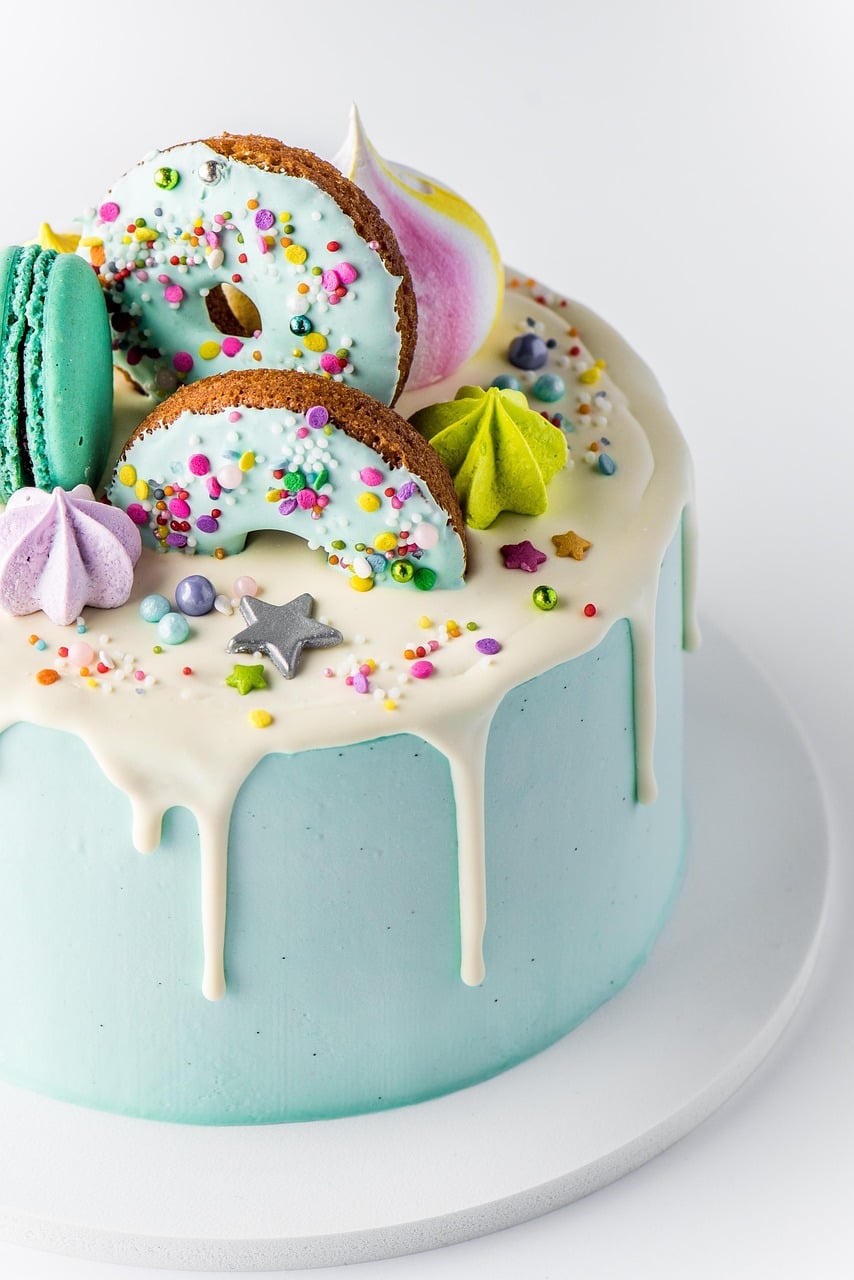
Bake sales in the 1950s often featured goods displayed on folding tables for long stretches, sometimes wrapped lightly in wax paper or cellophane, sometimes not. Cakes with frosting, cream filled pastries, and picnic style desserts were part of the visual abundance that helped a sale look successful.
Food safety guidance has changed a lot since then. Current advice from public health agencies puts much more emphasis on time, temperature, and contamination risks, especially for dairy based fillings, custards, and foods handled by many people.
What once looked generous and practical can now look risky. Modern organizers are far more likely to avoid certain fillings altogether, keep packaging closed, and think carefully about how long an item can safely remain on display.
Pricing was part fundraiser, part social duty
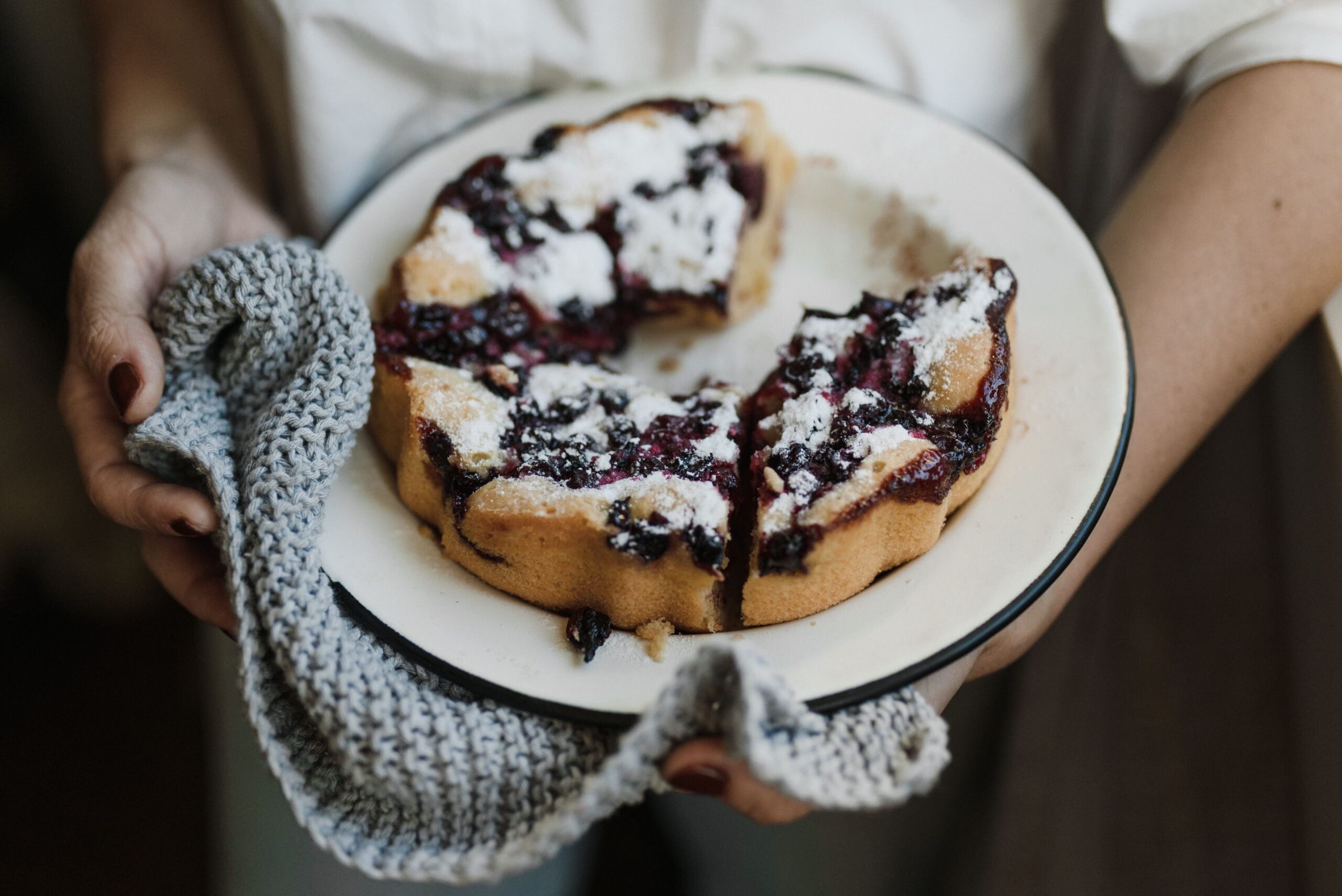
At many 1950s community sales, prices were low by design, with the goal of moving a lot of homemade food and supporting the school in a visible, neighborly way. The sale was not only about profit. It was also about participation, thrift, and showing up for the group.
That social pressure mattered. PTA culture in the postwar years often leaned on mothers' unpaid labor, and bake sales became one of the clearest expressions of that expectation.
Modern parents may still recognize the fundraiser logic, but the assumptions have changed. Time is tighter, school rules are stricter, and many families would rather give money directly than spend hours baking for a public table.
Leave a Reply