
A polished peel, a sealed package or a crisp display can make food seem safer than it really is. These nine grocery picks often look clean at first glance, but food safety guidance from the USDA, FDA and CDC shows why a closer look matters.
Bagged salad greens
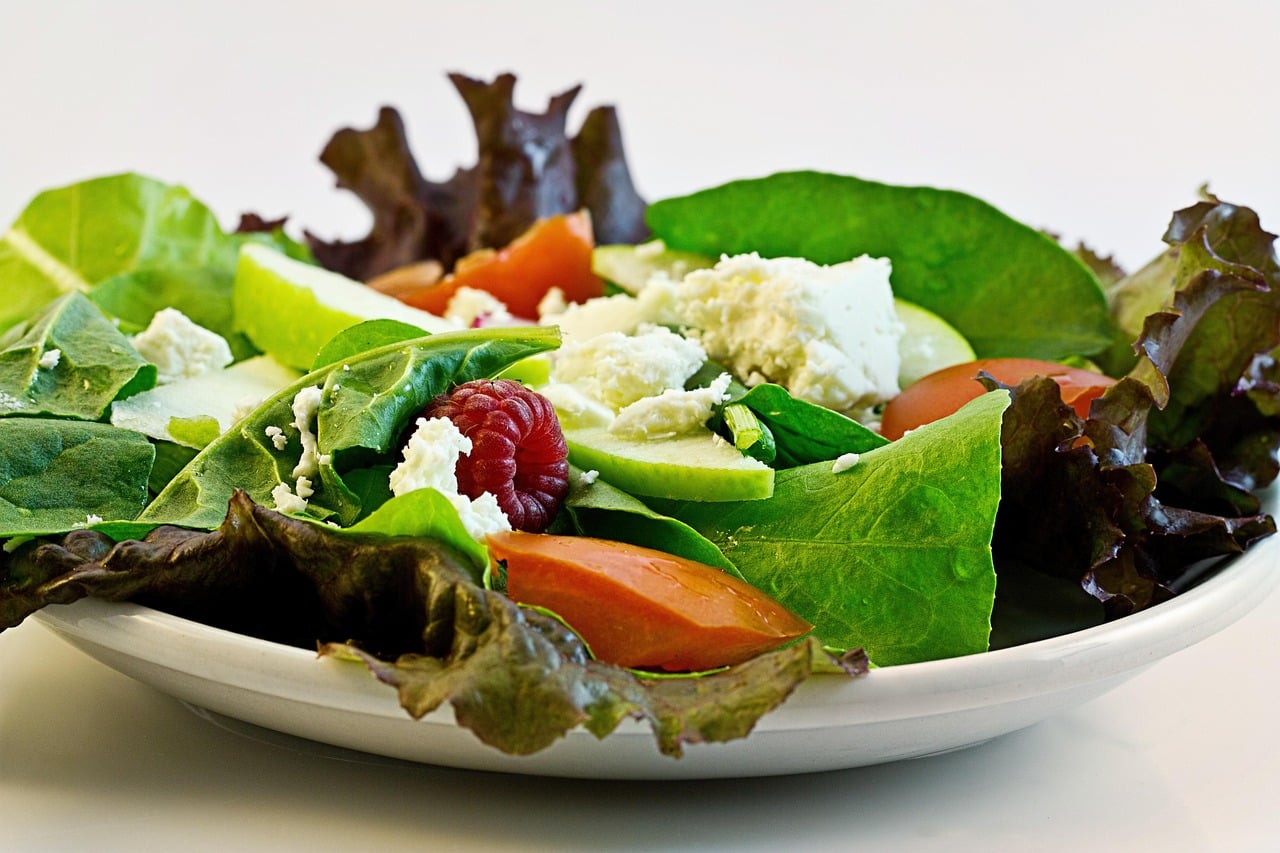
Prewashed lettuce feels ready to eat straight from the container, and that convenience is exactly why many shoppers trust it. The problem is that leafy greens are among the foods most often linked to foodborne illness outbreaks in the United States.
The CDC says leafy greens are the leading cause of food poisoning linked to norovirus, and they are also a common source of illnesses caused by E. coli and Salmonella. Because the leaves are cut, mixed and handled before they reach the store, there are more chances for contamination.
The FDA advises keeping packaged salads cold and following use by dates. If the label says triple washed or ready to eat, rewashing at home can add cross contamination if your sink or hands are not clean. The safer move is to buy cold packages, refrigerate them quickly and discard slimy or damaged leaves.
Apples
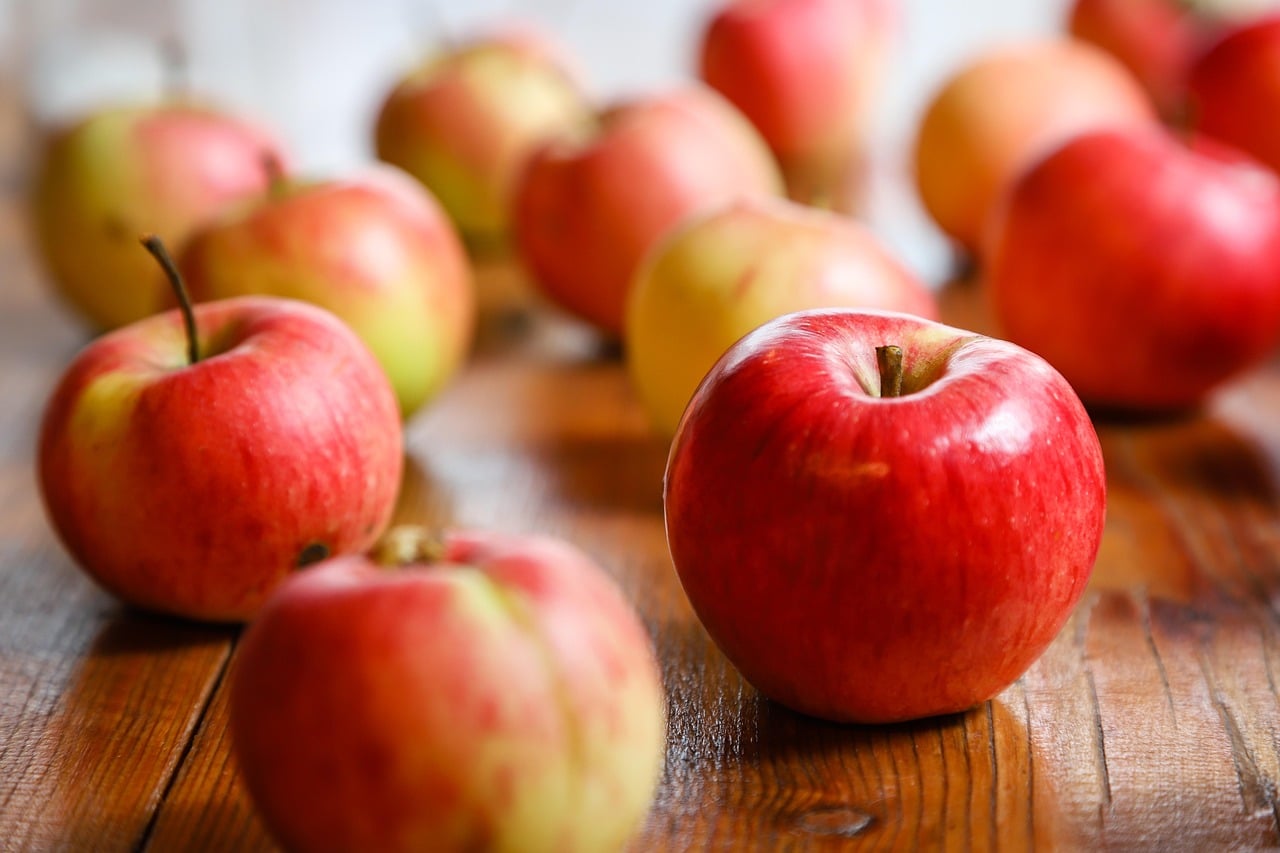
An apple can look almost polished enough to shine, which makes it easy to assume the surface is spotless. In reality, whole fruits can carry dirt, bacteria and pesticide residues from the field, packing line, transport and store displays.
The FDA recommends washing fresh produce under running water before eating, cutting or cooking it, even if you plan to peel it. That matters with apples because a knife can transfer contaminants from the skin into the flesh.
You do not need soap, bleach or special produce wash. The FDA says plain running water and gentle rubbing are enough for firm produce. Drying with a clean cloth or paper towel can reduce bacteria further. Apples remain a nutritious choice, but they are a good reminder that shiny does not mean clean.
Avocados
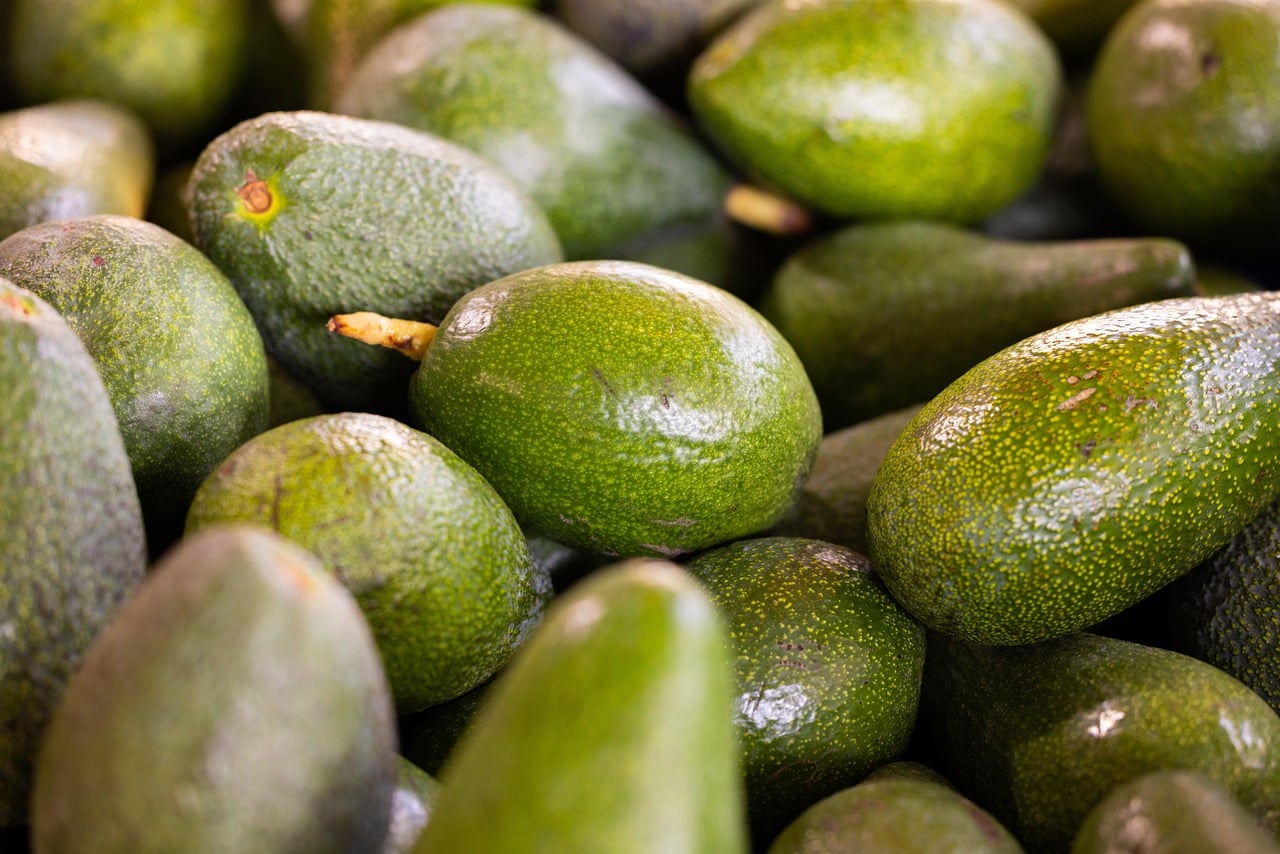
Avocados have rough, thick skins, so many people treat them as naturally protected. That outer layer does help, but it can also trap grime and bacteria that move onto the edible part when you slice through the peel.
The FDA has specifically advised consumers to wash avocados before cutting because the knife can carry contamination from the surface into the flesh. This is easy to miss since the part you eat is hidden until the fruit is opened.
A quick rinse under running water, followed by scrubbing with a clean produce brush, is usually enough. Then dry it with a clean towel. The same logic applies to melons, oranges and other produce with peels or rinds. If a knife crosses the outside first, the outside matters.
Raw chicken
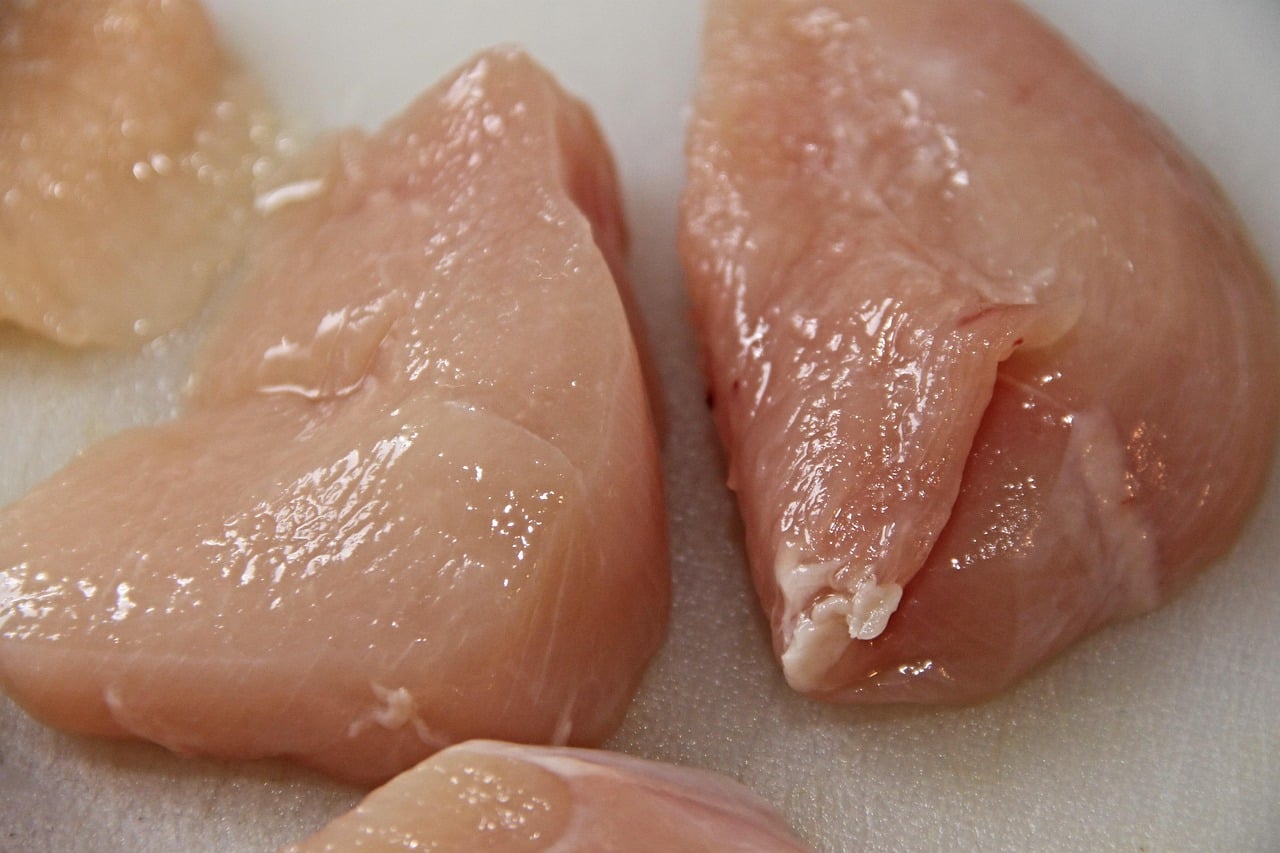
The plastic wrap is tight, the meat is chilled and the package can look neatly contained. Even so, raw chicken is one of the clearest examples of a grocery item that demands caution from the second it goes into your cart.
The USDA warns that raw poultry can carry harmful bacteria including Campylobacter and Salmonella. Those bacteria are not visible, and they can spread easily through leaking juices onto hands, counters, cutting boards and refrigerator shelves.
The USDA also says not to wash raw chicken. Washing can splash bacteria around the sink area. Instead, keep poultry separate from ready to eat foods, cook it to an internal temperature of 165 F and clean surfaces well after prep. A tidy package is not the same as a clean product.
Cantaloupe
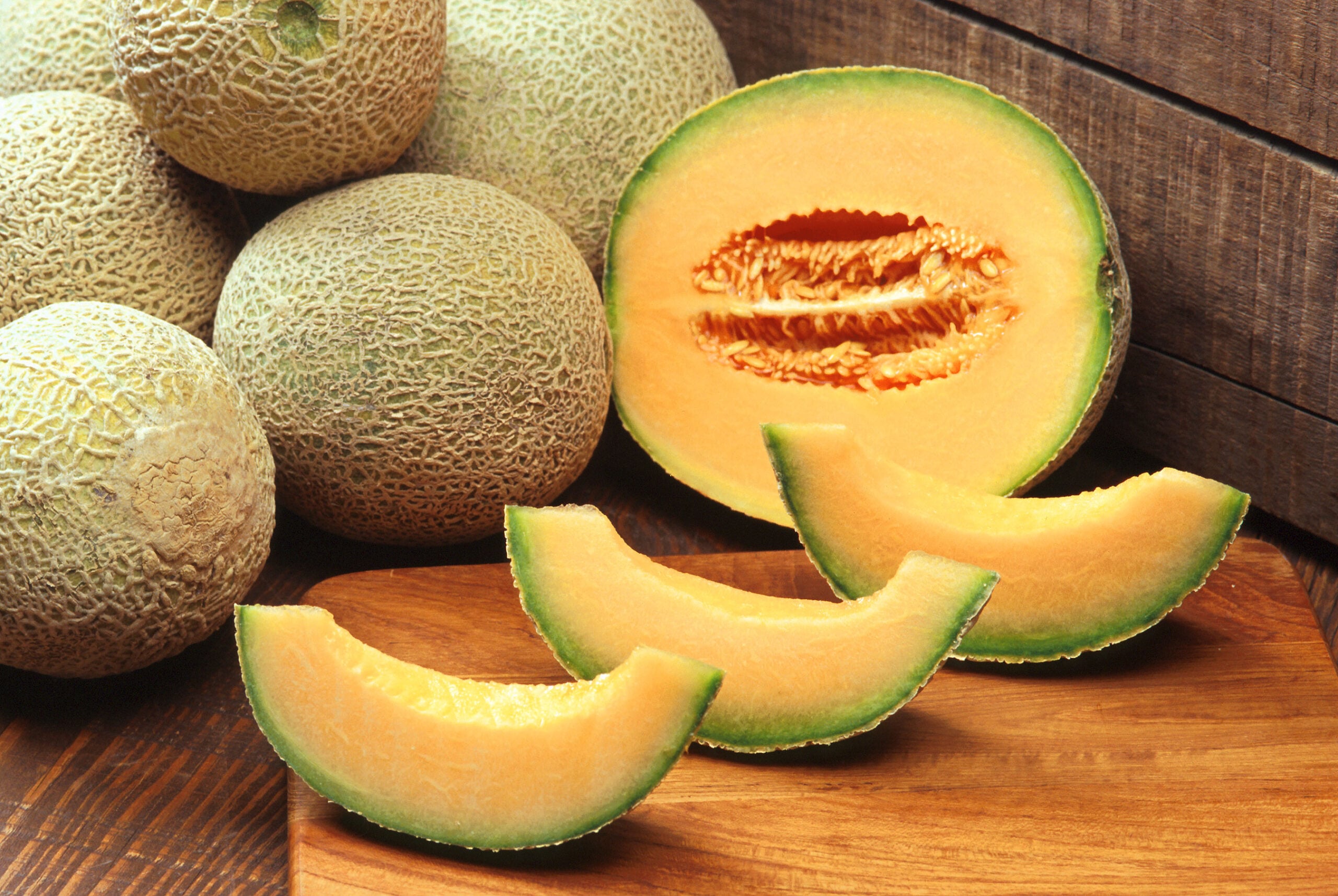
A cantaloupe looks self contained, and its edible flesh is sealed inside a rind. But that netted outer surface can hold onto soil and bacteria far more easily than smooth skinned produce.
The FDA recommends washing melons under running water and scrubbing them with a clean produce brush before cutting. That advice is especially important for cantaloupe because the knife passes through the rind and can drag surface contamination into the fruit.
Cut melon also needs prompt refrigeration. The FDA says cut melons should be refrigerated at 40 F or below and thrown away if left out for more than 2 hours, or 1 hour if the temperature is above 90 F. A whole melon may seem rugged, but once it is sliced, it becomes much more perishable.
Deli meat

Freshly sliced deli meat often feels safer than packaged lunch meat because it looks custom cut and carefully handled. Food safety experts take a more cautious view, especially for older adults, pregnant people and anyone with a weakened immune system.
The CDC says deli meats can carry Listeria, a bacterium that can grow even under refrigeration. Unlike many germs, Listeria is a particular concern in ready to eat chilled foods because it can survive and spread in cold environments.
The CDC advises people at higher risk for serious illness to avoid deli meats unless they are reheated to steaming hot. For everyone else, quick refrigeration and careful storage matter. The clean look of a deli counter does not erase the fact that slicers, surfaces and repeated handling create opportunities for contamination.
Sprouts
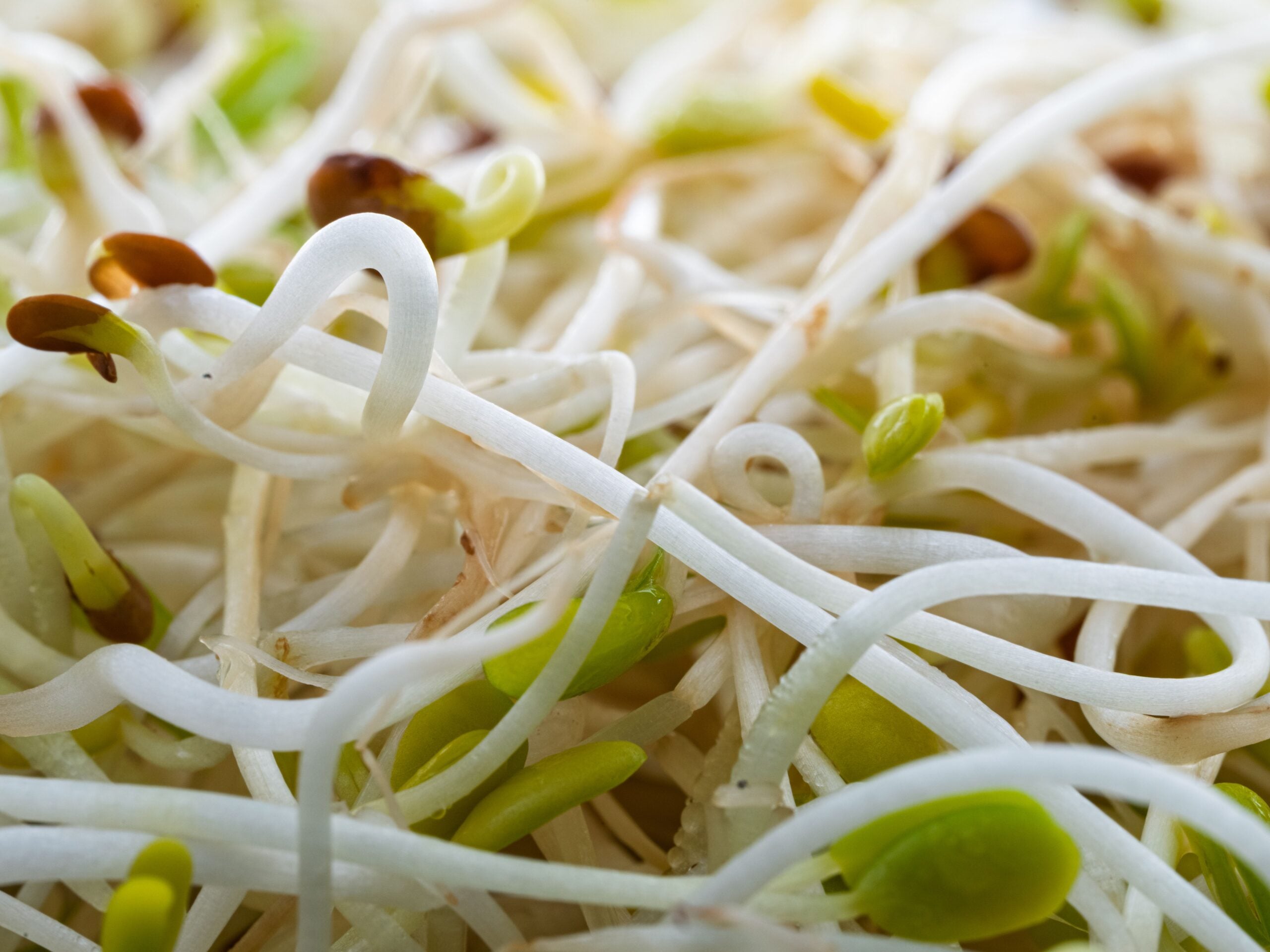
Sprouts have a healthy image that can make them seem especially clean. Yet alfalfa, clover, mung bean and other sprouts are widely recognized as higher risk because of how they are grown.
The FDA explains that the warm, humid conditions needed to grow sprouts are also ideal for bacteria such as Salmonella, E. coli and Listeria. Even washing sprouts thoroughly may not remove all harmful bacteria, since contamination can be present inside the sprout as it grows.
For that reason, the FDA recommends cooking sprouts thoroughly to reduce risk. People more likely to get seriously sick from food poisoning are often advised to avoid raw sprouts altogether. They may look fresh and delicate in the produce case, but they are one of the least forgiving raw foods in the store.
Frozen berries
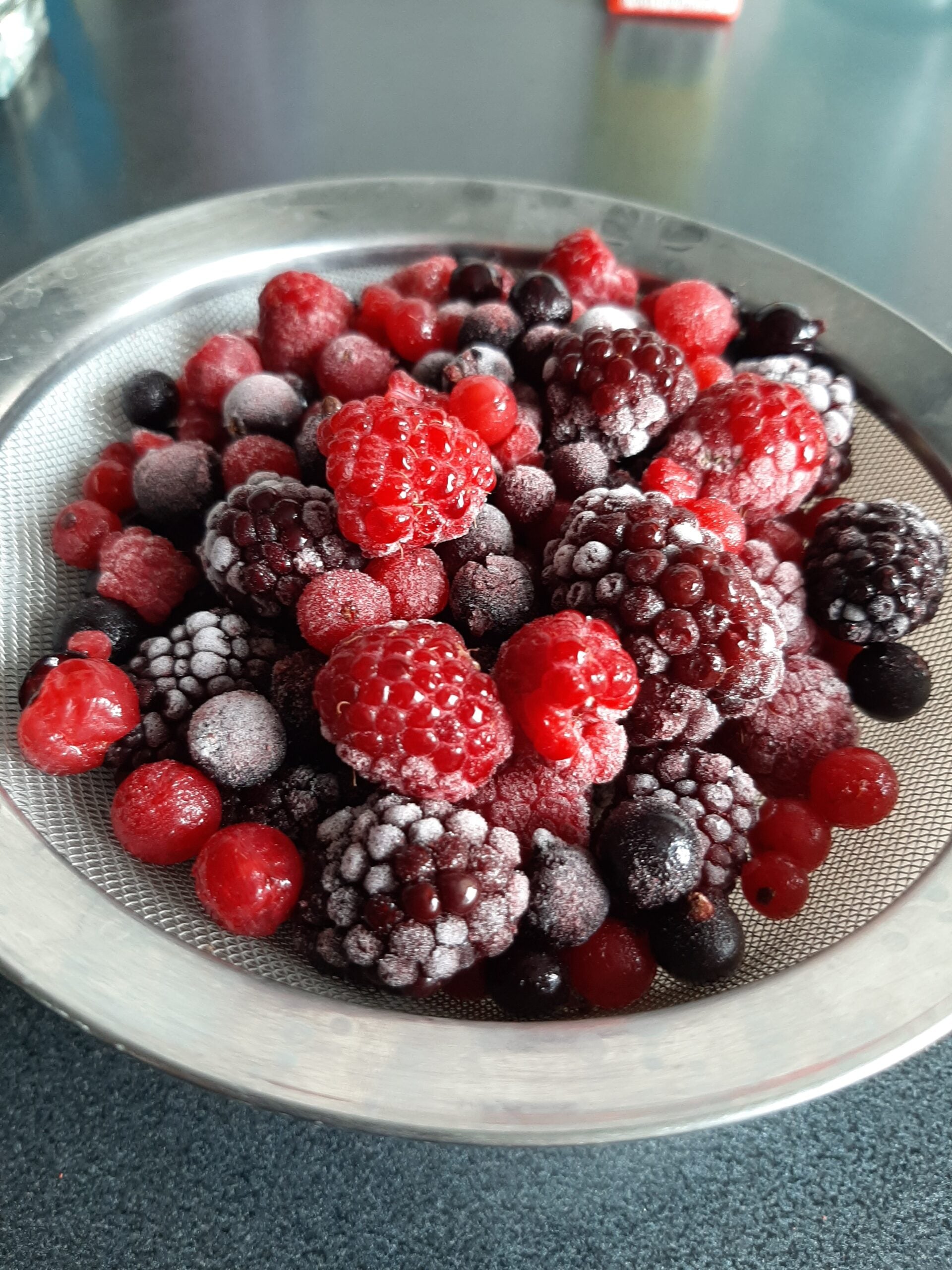
Freezer cases suggest protection, and frozen fruit can seem safer simply because it is kept so cold. Cold storage does help preserve quality, but freezing does not reliably kill all viruses and bacteria.
The FDA has noted that frozen berries have been linked to outbreaks associated with viruses such as hepatitis A and norovirus. Because the fruit is often eaten in smoothies, desserts or toppings without cooking, any contamination can go straight to the table.
That does not mean frozen berries are unsafe by default. It means they should be handled with the same realism as fresh produce. Follow package directions, keep them frozen until use and consider cooking them if a recipe allows, especially when serving people at higher risk of severe foodborne illness.
Shell eggs
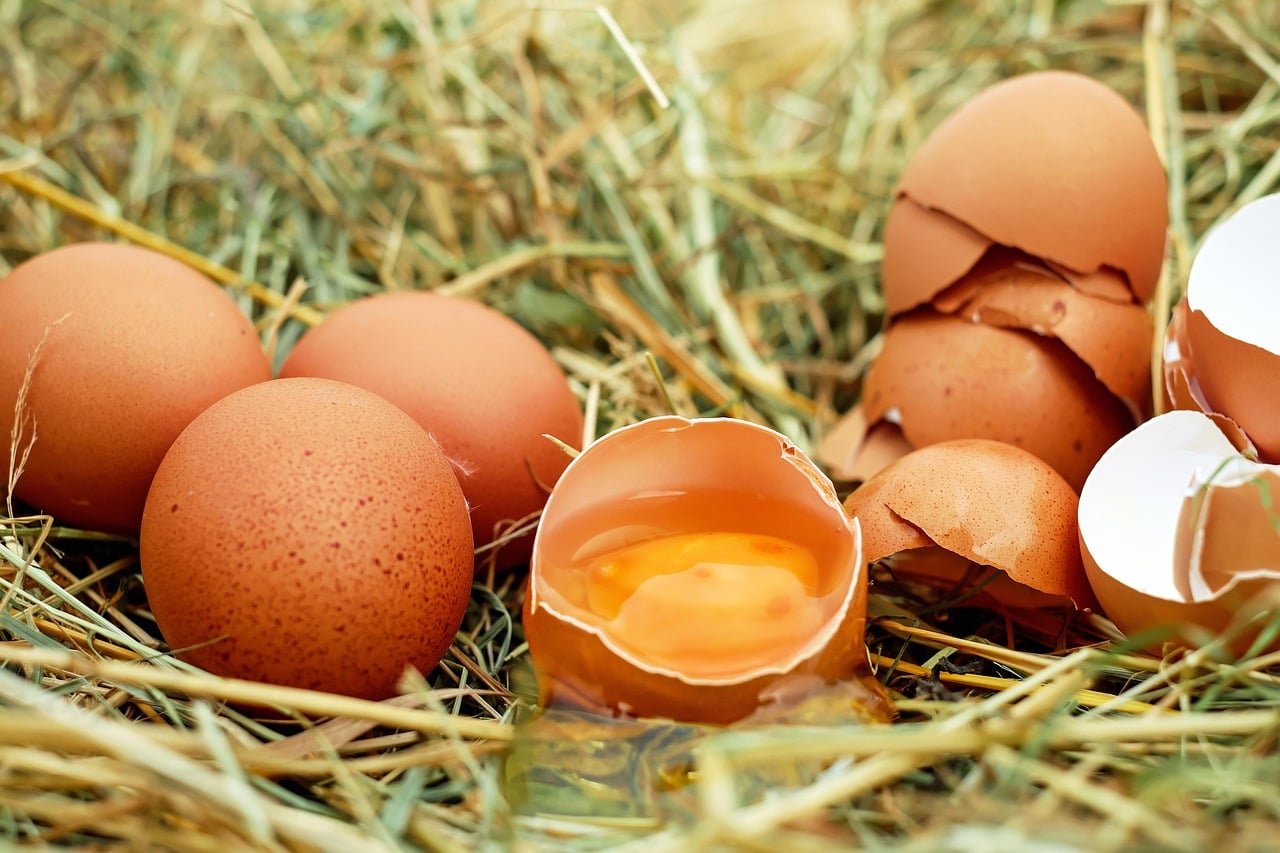
Egg shells look smooth and protective, and refrigerated cartons can seem reassuringly clean. But eggs deserve careful handling because contamination can be present on the shell or, in some cases, inside the egg before the shell is formed.
The CDC says eggs can carry Salmonella, and the USDA advises keeping them refrigerated and cooking them until both yolk and white are firm when serving people at higher risk. Dishes made with raw or lightly cooked eggs raise the stakes.
Cracked eggs should be avoided because breaks in the shell make it easier for bacteria to enter. It is also smart to keep egg cartons away from foods that will be eaten raw. The shell is useful protection, not a guarantee of cleanliness.


Leave a Reply