
Feeding armies in World War II was a daily logistical test, not just a matter of taste. The foods soldiers remember most were built for transport, storage and speed, and they reveal how wartime eating worked far from home.
C ration canned meals
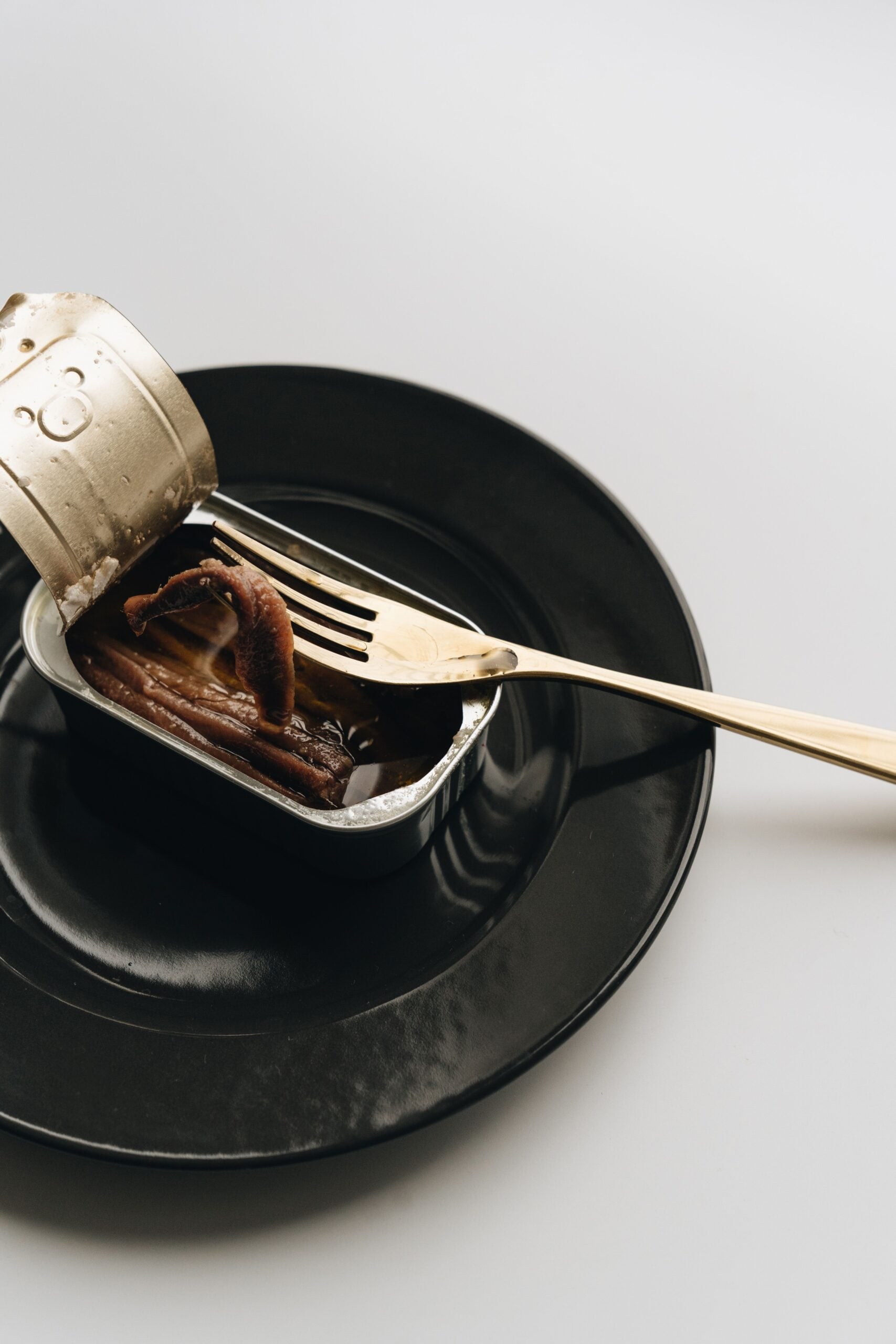
For many American troops, the C ration was the taste of routine. It was a canned field ration designed for situations where fresh food and full kitchens were not available.
A typical daily issue included three cans of meat or meat based entrees, along with biscuits, sugar and instant coffee. Early menus featured items like meat and beans, beef stew and hash. The cans were durable, but they were also heavy, which made them unpopular on long marches.
Even so, C rations gave soldiers a predictable source of calories when supply conditions were rough. In photos, the small cans and openers tell the story of field eating better than almost anything else from the war.
K rations
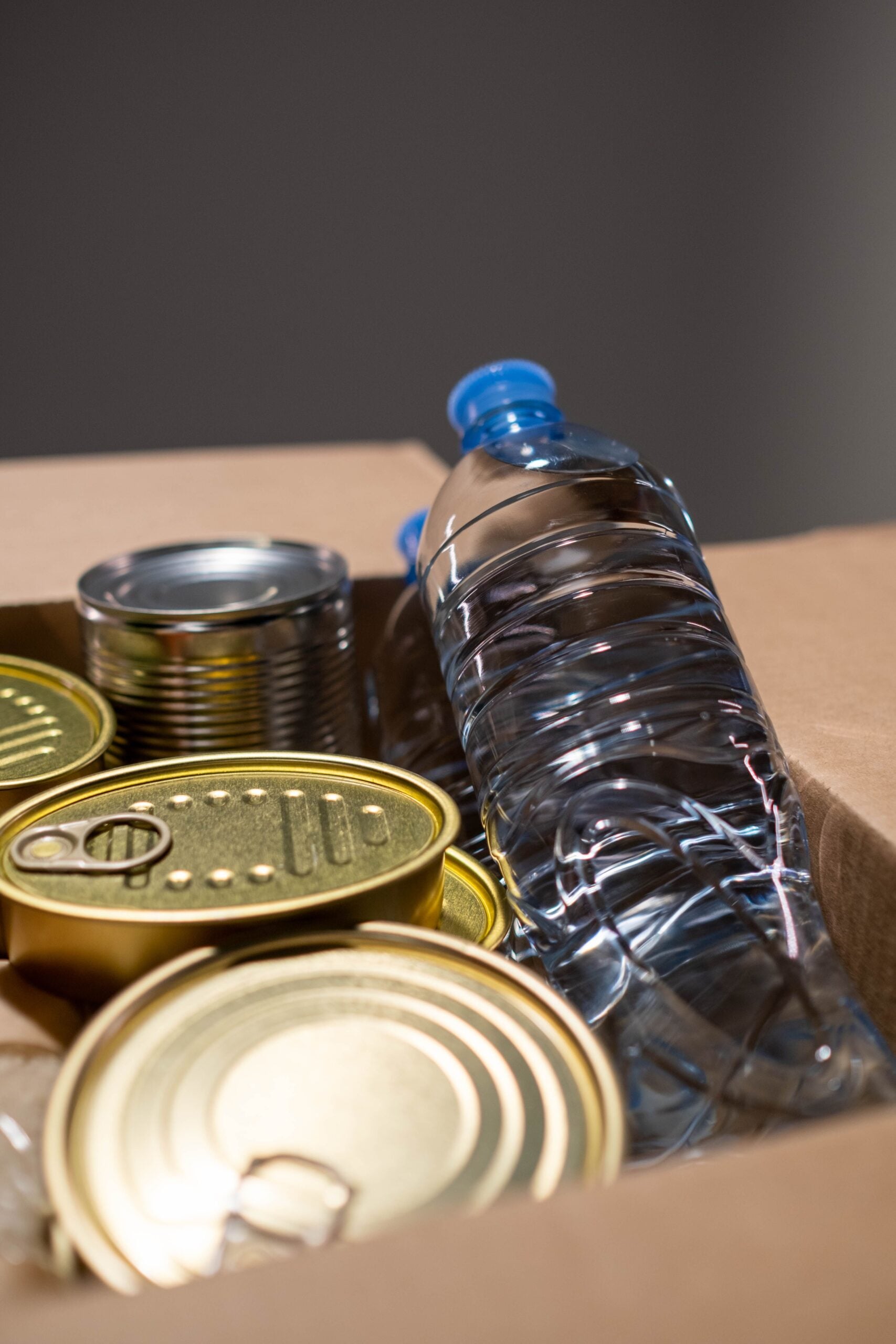
If the C ration was built for staying power, the K ration was built for movement. Developed for short term use by mobile troops, it packed a full day of food into three compact boxes labeled breakfast, dinner and supper.
Each box usually held crackers or biscuits, a canned meat product, a chocolate bar, chewing gum, cigarettes and a powdered drink mix. The ration was light enough for paratroopers, assault troops and reconnaissance units to carry easily.
Soldiers appreciated the convenience, but the meals quickly became repetitive. Military studies later found that K rations were not ideal for long periods, especially in harsh combat conditions, because they did not always provide enough nourishment for sustained heavy exertion.
Spam
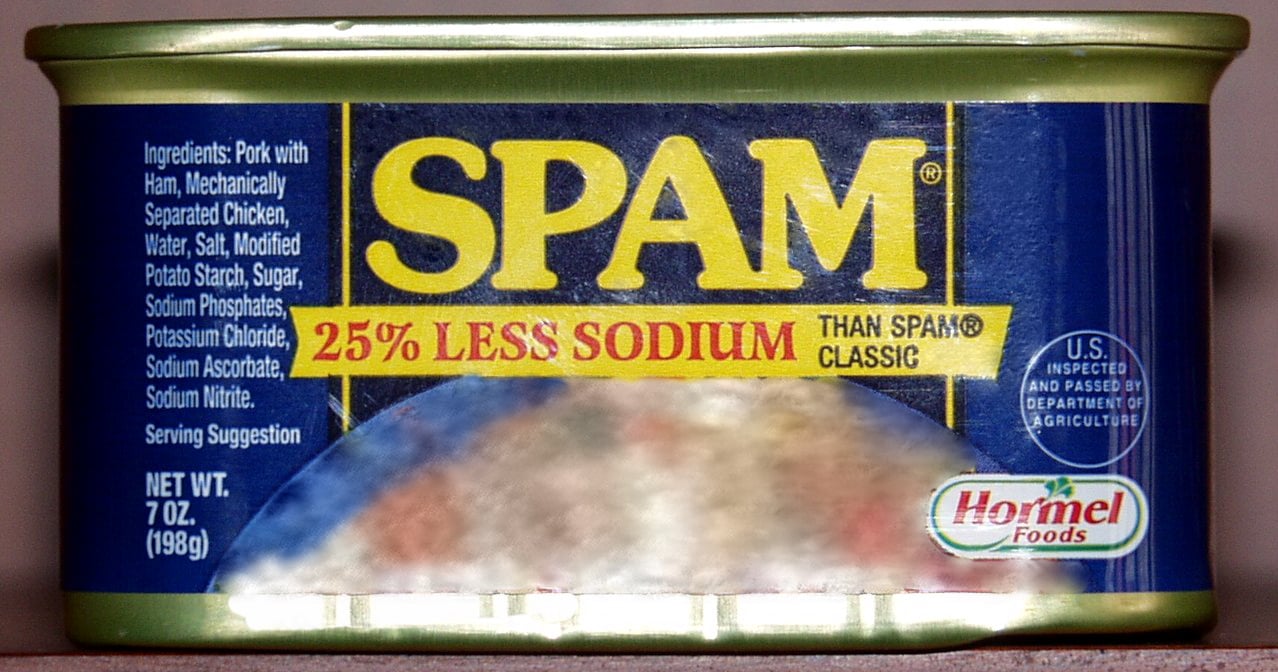
Few foods are linked to World War II as strongly as Spam. Hormel's canned pork product became a major wartime staple because it was shelf stable, easy to ship and simple to serve hot or cold.
The U.S. military bought enormous quantities during the war, and Allied forces encountered it across many theaters. It could be sliced, fried, added to other dishes or eaten straight from the tin when time and equipment were limited.
Its popularity with supply officers did not always match soldiers' enthusiasm, yet Spam solved a real problem. Fresh meat spoiled quickly, but canned meat could cross oceans and still be usable when it reached a camp, ship or front line position.
Powdered eggs
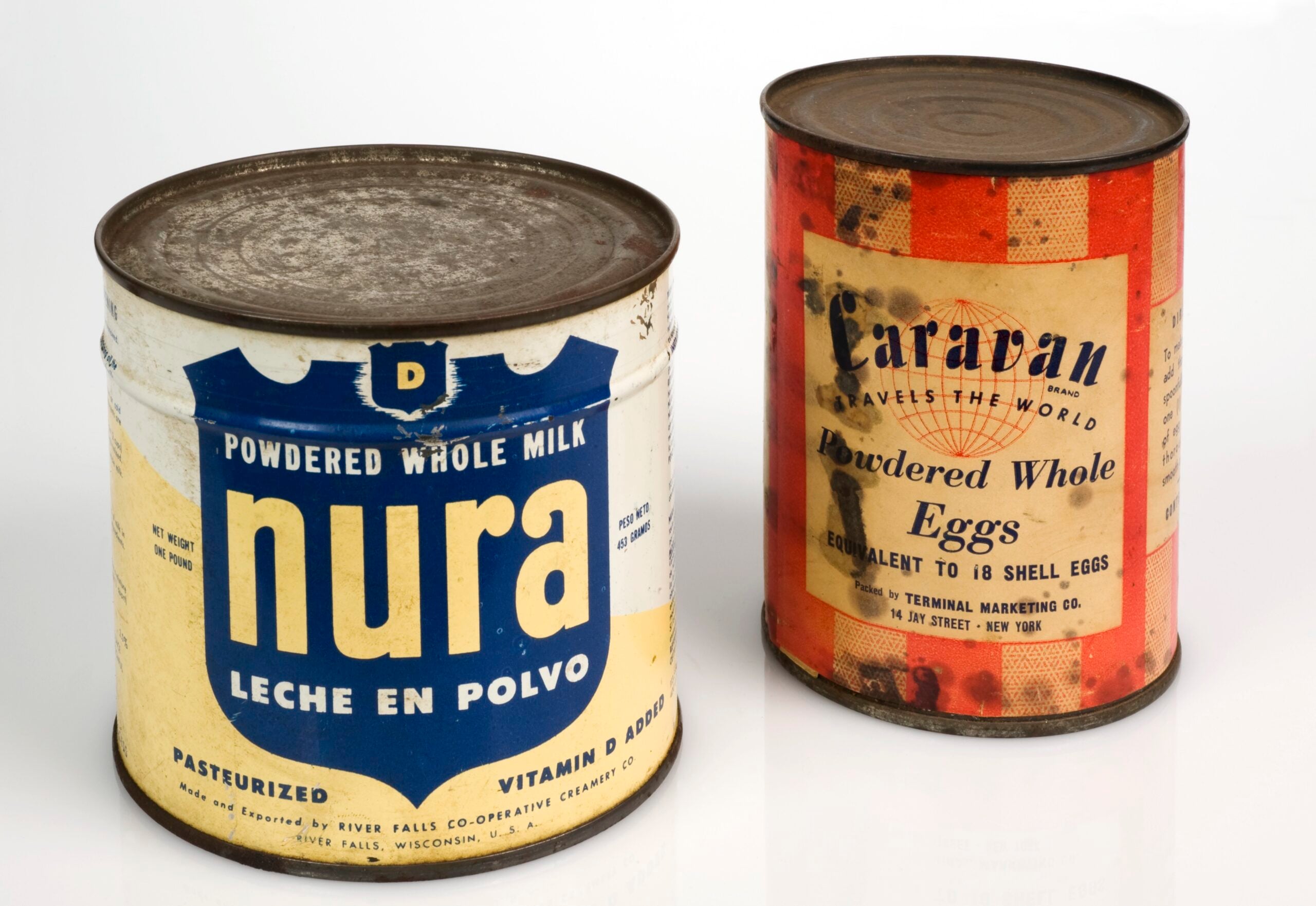
Breakfast in wartime often came from a sack, not a farm. Powdered eggs became common because whole eggs were fragile and difficult to move in large quantities across battle zones and oceans.
Made by dehydrating eggs for long storage, the powder could be reconstituted with water and cooked in bulk for mess halls and field kitchens. It helped military cooks provide a familiar protein at a time when refrigeration and steady deliveries were never guaranteed.
Many soldiers complained about the texture and flavor compared with fresh eggs. Still, powdered eggs were practical, and practicality mattered. In war, foods that could travel well often won out over foods that tasted best.
Hardtack and biscuits
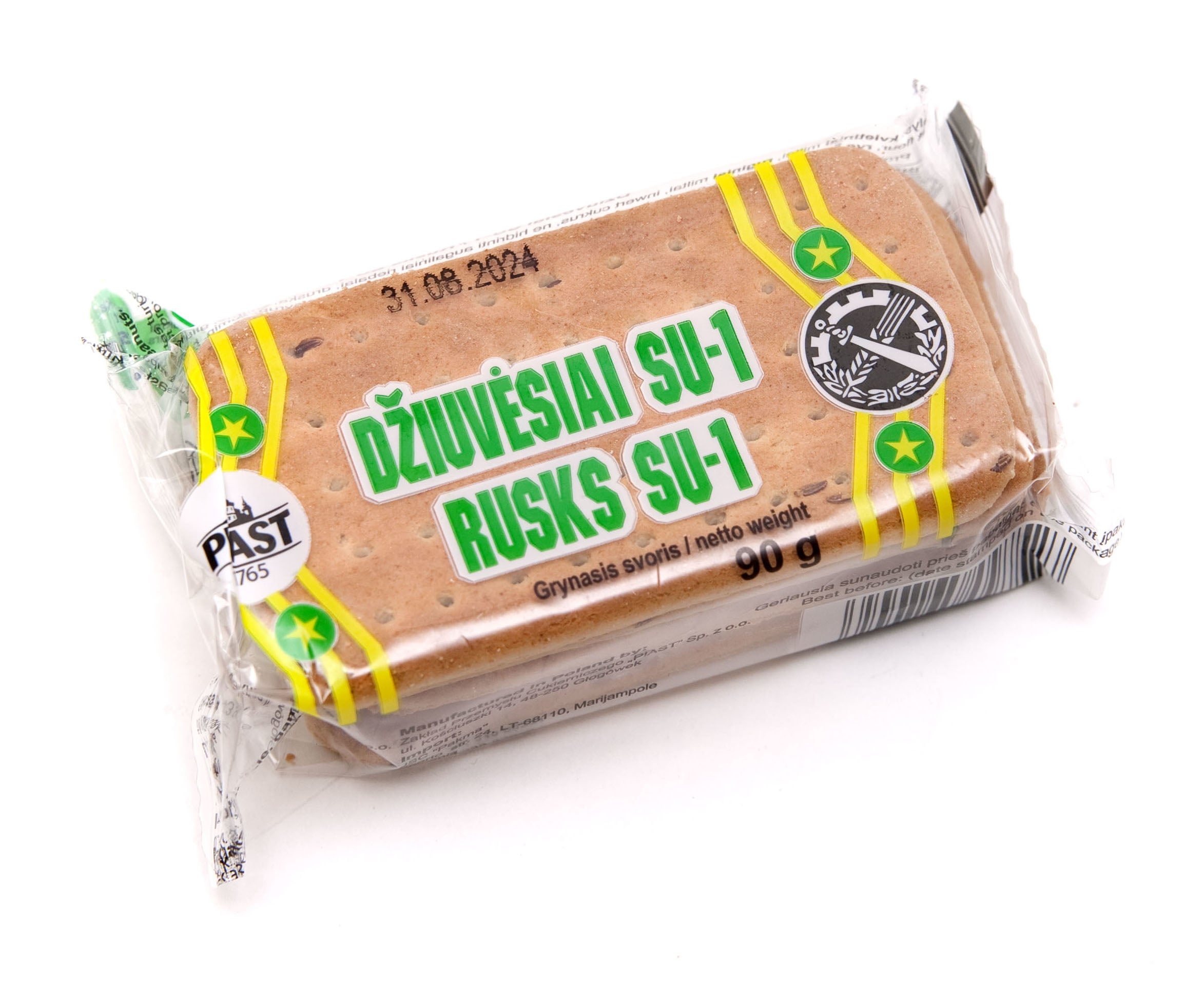
Sometimes the simplest foods lasted the longest. Hard biscuits, often compared to hardtack, appeared in several wartime ration systems because they were dry, sturdy and slow to spoil.
In American rations, biscuits were common as a bread substitute and were often paired with canned meat, cheese or spreads. Their job was not to impress anyone. They were there because they held up in storage and added useful calories to a meal.
That plain role made them essential. A crisp ration biscuit could survive transport far better than a loaf of bread, and that mattered when food had to cross ships, trucks and muddy roads before reaching the people who needed it.
Leave a Reply