Kitchen Divas

  • Recipes
  • About
  • Contact
  • Work With Us
  • Subscribe
menu icon
go to homepage
  • Recipes
  • About
  • Contact
  • Work With Us
  • Subscribe
    • Bloglovin
    • Facebook
    • Instagram
    • Pinterest
    • Twitter
    • YouTube
  • subscribe
    search icon
    Homepage link
    • Recipes
    • About
    • Contact
    • Work With Us
    • Subscribe
    • Bloglovin
    • Facebook
    • Instagram
    • Pinterest
    • Twitter
    • YouTube
  • ร—
    Home ยป Blog ยป Best of Food & Drink

    These 10 Countries That Will Run Out of Food First If a Global Famine Hits

    Modified: Jul 8, 2026 by Karin and Ken ยท This post may contain affiliate links. Leave a Comment

    • Facebook
    • Email
    • Tweet

    Food insecurity does not begin only when fields fail. In many places, it starts when imports stop, prices spike, and fragile supply chains buckle under pressure. This gallery looks at 10 countries that could be among the first to face severe shortages in a global famine, based on heavy import dependence, limited farmland, water stress, conflict, and economic vulnerability.

    Yemen

    Hunger in Yemen is not a distant risk. It is already a daily reality for millions, which is exactly why a global famine would hit this country faster and harder than most.Yemen relies heavily on imported wheat and fuel, while years of war have damaged ports, roads, farms, and markets. When shipping costs rise or supplies tighten, food becomes scarce almost immediately.Water scarcity makes the situation worse. With limited local production and a humanitarian system already stretched thin, even a modest global shock could push entire communities into catastrophe.

    Hunger in Yemen is not a distant risk. It is already a daily reality for millions, which is exactly why a global famine would hit this country faster and harder than most. Yemen relies heavily on imported wheat and fuel, while years of war have damaged ports, roads, farms, and markets. When shipping costs rise or supplies tighten, food becomes scarce almost immediately. Water scarcity makes the situation worse. With limited local production and a humanitarian system already stretched thin, even a modest global shock could push entire communities into catastrophe.

    Lebanon

    Lebanon shows how quickly a modern food system can unravel. The country imports most of what it eats, so any global famine would expose that dependence with brutal speed.Its financial crisis has already weakened purchasing power, and the Beirut port explosion destroyed key grain storage capacity. That left the country with less cushion against international supply disruptions.Add a volatile currency, rising poverty, and limited domestic farmland, and the picture becomes stark. Even if food exists somewhere in the world, many Lebanese households may simply be unable to afford it.

    Lebanon shows how quickly a modern food system can unravel. The country imports most of what it eats, so any global famine would expose that dependence with brutal speed. Its financial crisis has already weakened purchasing power, and the Beirut port explosion destroyed key grain storage capacity. That left the country with less cushion against international supply disruptions. Add a volatile currency, rising poverty, and limited domestic farmland, and the picture becomes stark. Even if food exists somewhere in the world, many Lebanese households may simply be unable to afford it.

    Somalia

    In Somalia, famine risk builds at the intersection of climate and conflict. A global food crisis would not arrive as a single event here. It would pile onto emergencies that already exist.The country faces repeated droughts, weak infrastructure, insecurity, and widespread poverty. Local harvests are often unreliable, and many families depend on imported staples plus humanitarian relief to get by.If global grain markets tighten and aid budgets shrink, Somalia has very little room to absorb the shock. For many households, the line between hardship and hunger is already dangerously thin.

    In Somalia, famine risk builds at the intersection of climate and conflict. A global food crisis would not arrive as a single event here. It would pile onto emergencies that already exist. The country faces repeated droughts, weak infrastructure, insecurity, and widespread poverty. Local harvests are often unreliable, and many families depend on imported staples plus humanitarian relief to get by. If global grain markets tighten and aid budgets shrink, Somalia has very little room to absorb the shock. For many households, the line between hardship and hunger is already dangerously thin.

    Afghanistan

    Afghanistan's food vulnerability is shaped by both geography and politics. Mountainous terrain, harsh winters, and limited infrastructure already make moving food difficult even in better years.The deeper problem is economic isolation and poverty. Many families spend a huge share of their income on food, so a global price surge would hit almost instantly and leave little room to adjust.Drought, disrupted farming, and reduced international support add pressure from every side. In a worldwide famine, Afghanistan could struggle not just with supply, but with basic access and distribution.

    Afghanistan's food vulnerability is shaped by both geography and politics. Mountainous terrain, harsh winters, and limited infrastructure already make moving food difficult even in better years. The deeper problem is economic isolation and poverty. Many families spend a huge share of their income on food, so a global price surge would hit almost instantly and leave little room to adjust. Drought, disrupted farming, and reduced international support add pressure from every side. In a worldwide famine, Afghanistan could struggle not just with supply, but with basic access and distribution.

    South Sudan

    South Sudan has fertile land on paper, but that has not translated into dependable food security. Conflict, flooding, weak roads, and displacement keep agriculture far below its potential.Many communities are cut off during rainy seasons, and market access can vanish with one damaged road or one surge in violence. That makes local shortages much harder to solve quickly.A global famine would tighten imports, raise fuel costs, and strain humanitarian deliveries at the same time. In a country where food systems are already fragile, that combination could turn severe need into mass hunger.

    South Sudan has fertile land on paper, but that has not translated into dependable food security. Conflict, flooding, weak roads, and displacement keep agriculture far below its potential. Many communities are cut off during rainy seasons, and market access can vanish with one damaged road or one surge in violence. That makes local shortages much harder to solve quickly. A global famine would tighten imports, raise fuel costs, and strain humanitarian deliveries at the same time. In a country where food systems are already fragile, that combination could turn severe need into mass hunger.

    Haiti

    Haiti's food insecurity is driven as much by instability as by agriculture. Even before any global famine, many households face high food prices, low incomes, and recurring disruption from disasters and unrest.The country imports a large share of its staple foods, especially rice. That leaves consumers exposed when world prices jump or shipping becomes more expensive and less reliable.Natural disasters repeatedly damage crops, roads, and storage, making recovery difficult. In a global famine, Haiti could face the worst kind of squeeze: limited domestic output and shrinking access to imported food.

    Haiti's food insecurity is driven as much by instability as by agriculture. Even before any global famine, many households face high food prices, low incomes, and recurring disruption from disasters and unrest. The country imports a large share of its staple foods, especially rice. That leaves consumers exposed when world prices jump or shipping becomes more expensive and less reliable. Natural disasters repeatedly damage crops, roads, and storage, making recovery difficult. In a global famine, Haiti could face the worst kind of squeeze: limited domestic output and shrinking access to imported food.

    Eritrea
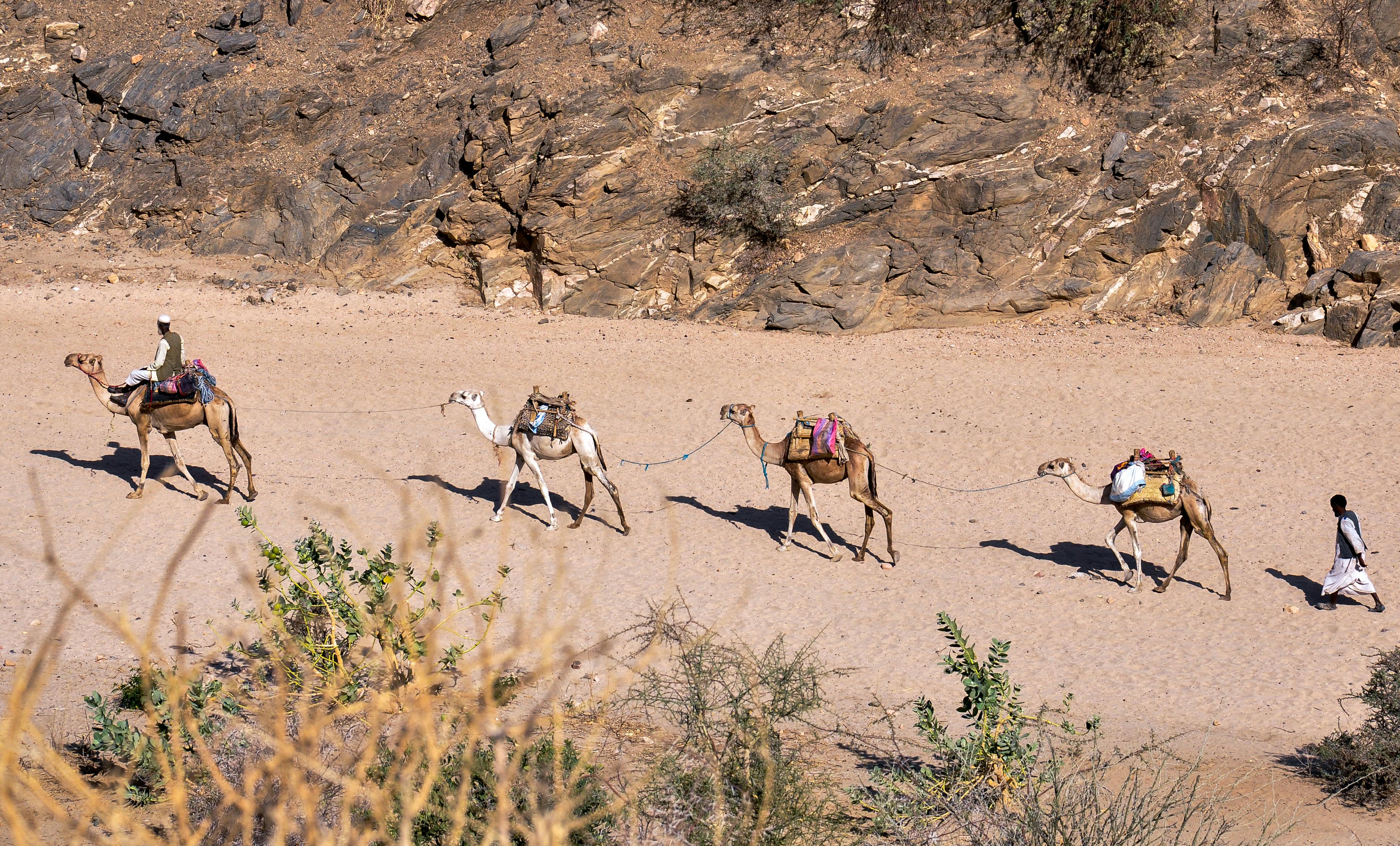
    Eritrea is often overlooked in global food discussions, but its vulnerability runs deep. Dry conditions, limited arable land, and periodic drought make domestic food production difficult in the best of times.The country also faces economic isolation and limited transparency, which can make shortages harder to track and harder to address quickly. That matters when speed is everything in a food emergency.If global supplies tighten, Eritrea may struggle to replace missing imports or scale up local production. A famine shock would expose just how little margin the country has.

    Eritrea is often overlooked in global food discussions, but its vulnerability runs deep. Dry conditions, limited arable land, and periodic drought make domestic food production difficult in the best of times. The country also faces economic isolation and limited transparency, which can make shortages harder to track and harder to address quickly. That matters when speed is everything in a food emergency. If global supplies tighten, Eritrea may struggle to replace missing imports or scale up local production. A famine shock would expose just how little margin the country has.

    Djibouti
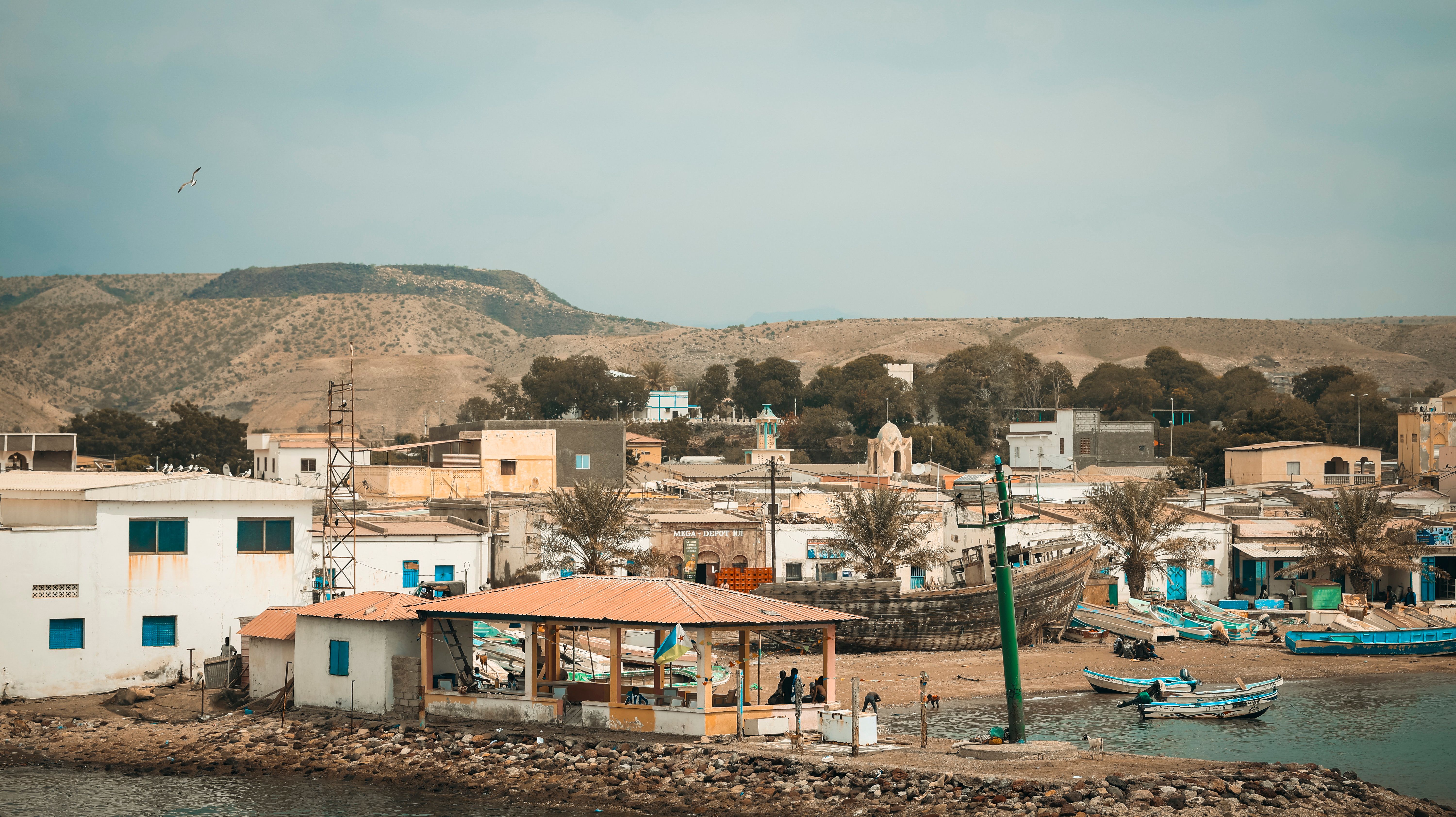
    Djibouti's strategic location does not translate into food security. It imports the vast majority of its food, and its desert climate offers very little agricultural backup if trade routes falter.That means the country is highly sensitive to international prices, shipping disruptions, and fuel costs. In a global famine, even a short interruption could ripple through stores and households very quickly.Urban dependence adds another layer of risk. When most people buy rather than grow their food, availability and affordability can deteriorate at the same time, especially for low-income families.

    Djibouti's strategic location does not translate into food security. It imports the vast majority of its food, and its desert climate offers very little agricultural backup if trade routes falter. That means the country is highly sensitive to international prices, shipping disruptions, and fuel costs. In a global famine, even a short interruption could ripple through stores and households very quickly. Urban dependence adds another layer of risk. When most people buy rather than grow their food, availability and affordability can deteriorate at the same time, especially for low-income families.

    Jordan
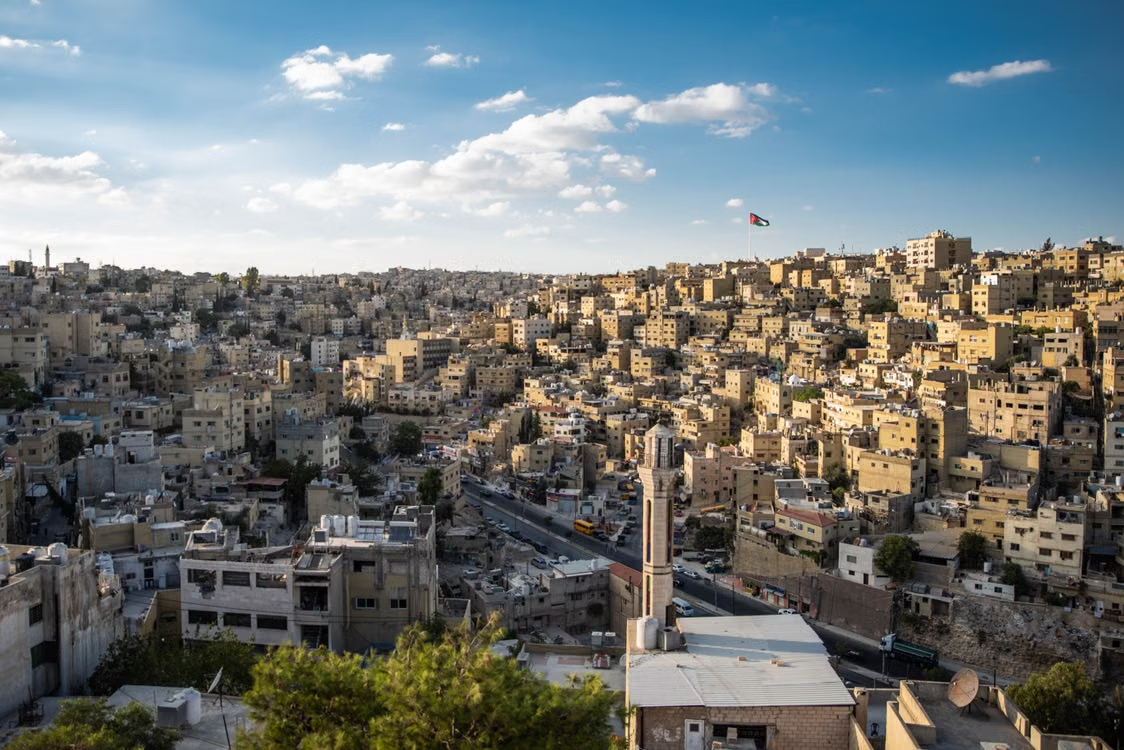
    Abdullah Ghatasheh/Pexels

    Jordan is stable in many ways, but food security is one of its structural weak spots. The country has very limited water, little arable land, and strong dependence on imported cereals. That model can work when global trade runs smoothly. In a worldwide famine, though, competition for grain would intensify, and importers with shallow reserves or high costs could be pushed to the edge. Jordan has managed scarcity carefully for years, yet it remains exposed to external shocks. If supplies tighten globally, resilience would depend on storage, subsidies, and how long disruption lasts.

    Singapore
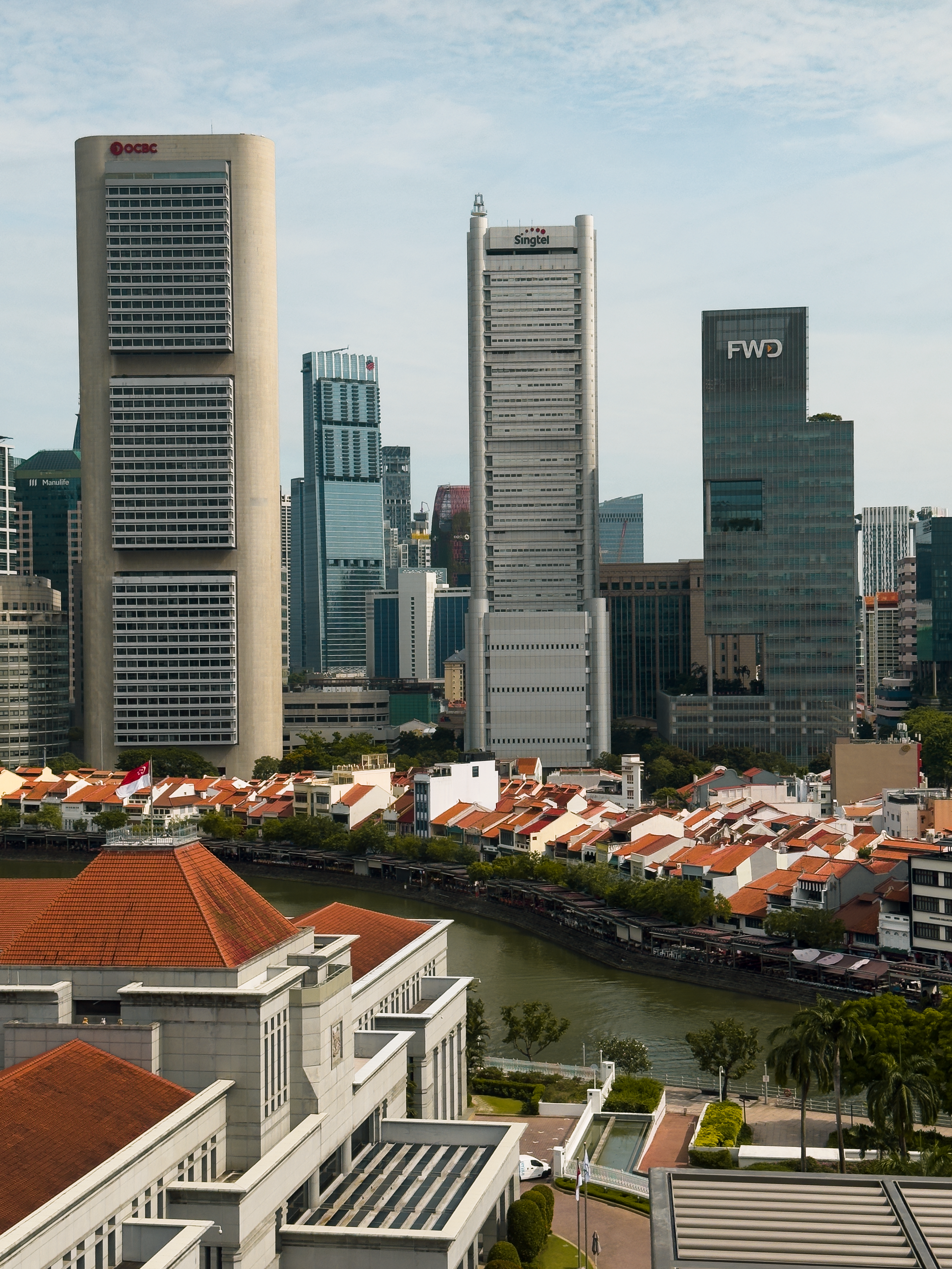
    Singapore may seem like a surprising name on this list, but its vulnerability comes from dependence, not poverty. The country imports more than 90% of its food and has very little farmland of its own.Its wealth, planning, and stockpiling capacity give it advantages many others do not have. Still, in a true global famine, money cannot instantly create supply if exporting countries restrict shipments.Singapore has invested in food diversification and urban farming, but scale remains the challenge. If the world faces prolonged shortages, import reliance would become its central pressure point.


    Singapore may seem like a surprising name on this list, but its vulnerability comes from dependence, not poverty. The country imports more than 90% of its food and has very little farmland of its own. Its wealth, planning, and stockpiling capacity give it advantages many others do not have. Still, in a true global famine, money cannot instantly create supply if exporting countries restrict shipments. Singapore has invested in food diversification and urban farming, but scale remains the challenge. If the world faces prolonged shortages, import reliance would become its central pressure point.
    More Best of Food & Drink

    • The Canadian Grocery Battle That Could Change Prices This Year
    • Why Private Label Foods Are Winning More Canadian Shoppers Than Ever
    • Why Some U.S. Restaurant Chains Keep Failing in Canada
    • The Kitchen Appliance That Almost Failed Before Taking Over Every Home
    • Facebook
    • Email
    • Tweet

    Leave a Reply Cancel reply

    Your email address will not be published. Required fields are marked *

    Recipe Rating


    Welcome!

    We are the kitchen divas: Karin and my partner in life, Ken.

    We have been attached at the heart and hip since the first day we met, and we love to create new dishes to keep things interesting. Variety is definitely the spice of life!

    More about us

    Popular Summer Recipes

    • A bowl of cheesecake fruit salad with a wooden spoon.
      Cheesecake Fruit Salad
    • easy blueberry fluff recipe with whipped topping and fresh blueberries
      Blueberry Fluff (Easy No Bake Dessert Everyone Loves)
    • creamy lemon fluff dessert in mason jar with a spoonful being removed
      Lemon Fluff Dessert
    • Grandma's Old Fashioned Fruit Salad

    More Fluff Recipes โžก๏ธ

    Easy Slow Cooker Side Dishes

    • A wooden spoonful of corn over slow cooker.
      Slow Cooker Mexican Street Corn Casserole
    • A plate full of crockpot green beans with bacon.
      Crockpot Green Beansย 
    • A wooden bowl filled with jalapeno creamed corn with sliced jalapenos and green onions scattered around the bowl.
      Jalapeno Creamed Corn (Crock Pot)
    • Three ears of slow cooker corn on the cob on the table in front of the crockpot.
      Slow Cooker Corn on the Cob

    More Slow Cooker Side Dishes โžก๏ธ

    Footer

    โ†‘ back to top

    About

    • About
    • Privacy Policy

    Newsletter

    • Sign up for emails and what's new!

    Contact

    • Contact
    • Work With Us

    As an Amazon Associate I earn from qualifying purchases.

    Copyright ยฉ 2026 Kitchen Divas All Rights Reserved