
A Canadian farmers market looks casual at first glance. In reality, it works best when shoppers understand a set of quiet habits that regulars follow without thinking.
Arrive with a plan, but not a rigid shopping script
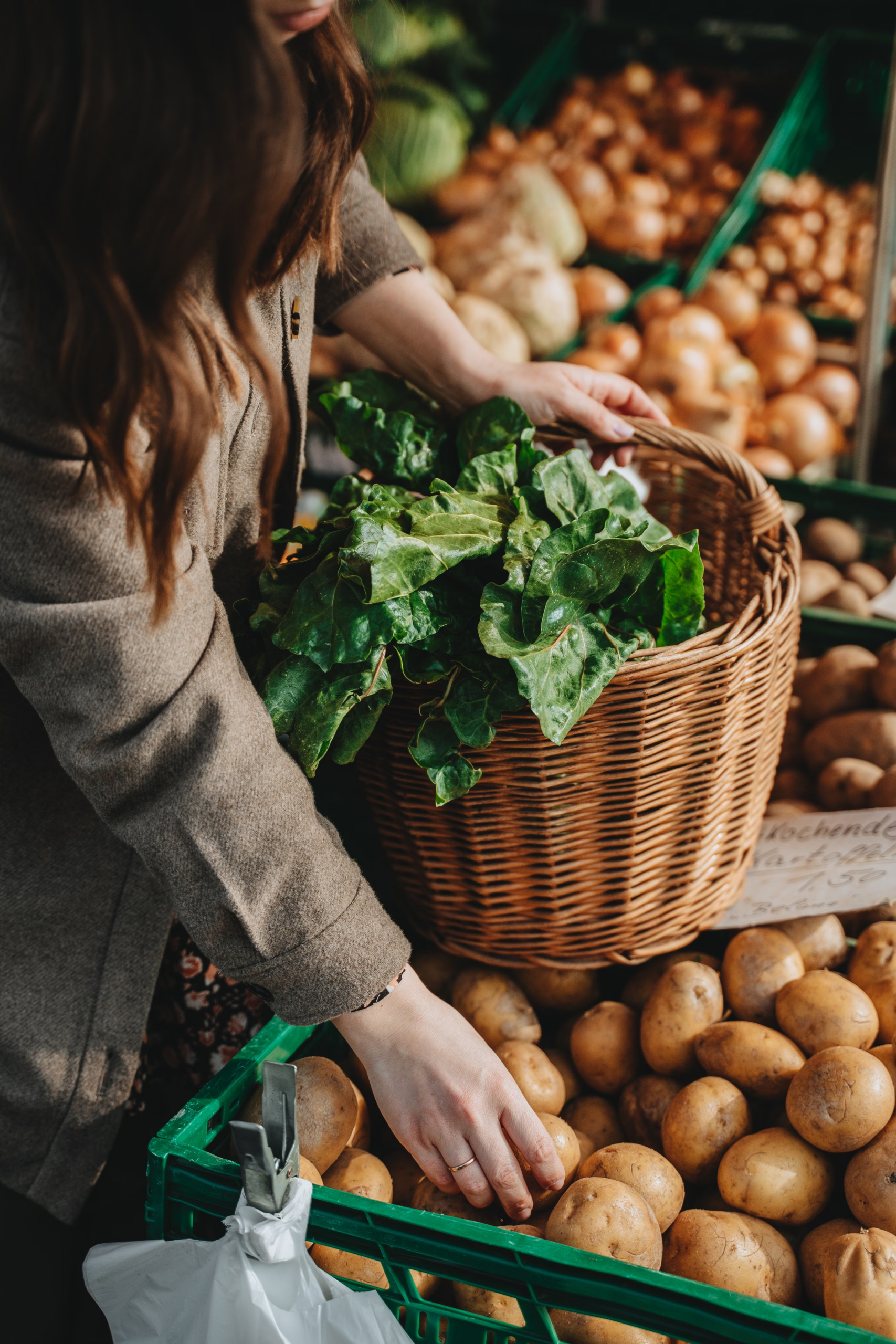
The first surprise for many newcomers is that a farmers market is not a supermarket with tents. Selection changes with weather, harvest timing, transport limits, and simple farm reality. Strawberries can sell out by 10 a.m., while root vegetables may be abundant all day. In provinces with short growing seasons, that unpredictability is part of the culture, not a sign of poor planning.
Experienced shoppers usually do one full lap before buying everything. That lets them compare quality, price, and variety between growers, bakers, cheesemakers, and specialty producers. A basket of tomatoes can differ widely depending on whether they were picked that morning, greenhouse-grown, or brought in from a more distant region. The unwritten rule is simple: browse first, then buy with intention.
Timing also matters more than newcomers expect. Early shoppers get the best selection, but they should be ready to move efficiently and not block stalls during the busiest rush. Later shoppers may find markdowns, though the top items are often gone. At many Canadian markets, especially in peak summer, the smartest approach is to come early for produce and return later for a slower social visit.
Respect that "local" has layers, and ask questions politely
One of the least explained rules is that "local" does not mean the same thing at every market. Some Canadian markets are producer-only, meaning vendors must grow or make what they sell. Others allow resellers, food businesses using regional ingredients, or producers from a broader radius. Newcomers often assume every stall follows the same standard, but market rules can differ sharply between cities and provinces.
That is why seasoned shoppers ask calm, direct questions. They might ask where the farm is located, whether the apples are from that orchard, or if the jam was made by the seller. Those questions are normal and usually welcome. What regulars avoid is treating vendors like suspects in a cross-examination, especially during a busy line.
Politeness matters because most vendors are doing several jobs at once. They are handling cash, restocking produce, answering questions, and protecting fragile stock from waste. A respectful question often gets you useful detail about growing methods, harvest dates, and storage tips. In a country where food miles and seasonal eating matter to many shoppers, that small conversation is often the real value of the visit.
Do not handle everything, and never create work you will not own
A market stall is not a free-for-all produce bin. Soft fruit, tomatoes, herbs, pastries, and cheese can bruise, wilt, or become unsellable after too much handling. Regular shoppers know to look first, ask second, and touch only when invited. That small restraint protects the vendor's inventory and shows respect for work that often began before dawn.
This rule becomes even more important with packed displays. A carefully stacked table is not only attractive, it helps prevent damage and speeds up service. Pulling produce from the bottom of a pile, opening cartons without permission, or rearranging bunches creates avoidable loss. Farmers operate on tight margins, and waste at the table can erase profit quickly.
The same idea applies to samples and special requests. Take a sample only if offered, and do not ask a vendor to cut, split, or repackage goods unless the stall clearly does that. At busy urban markets in Toronto, Vancouver, and Montreal, even a small interruption can slow a line noticeably. The unwritten courtesy is to leave a stall as easy to run as you found it.
Queue properly and know when conversation becomes a delay
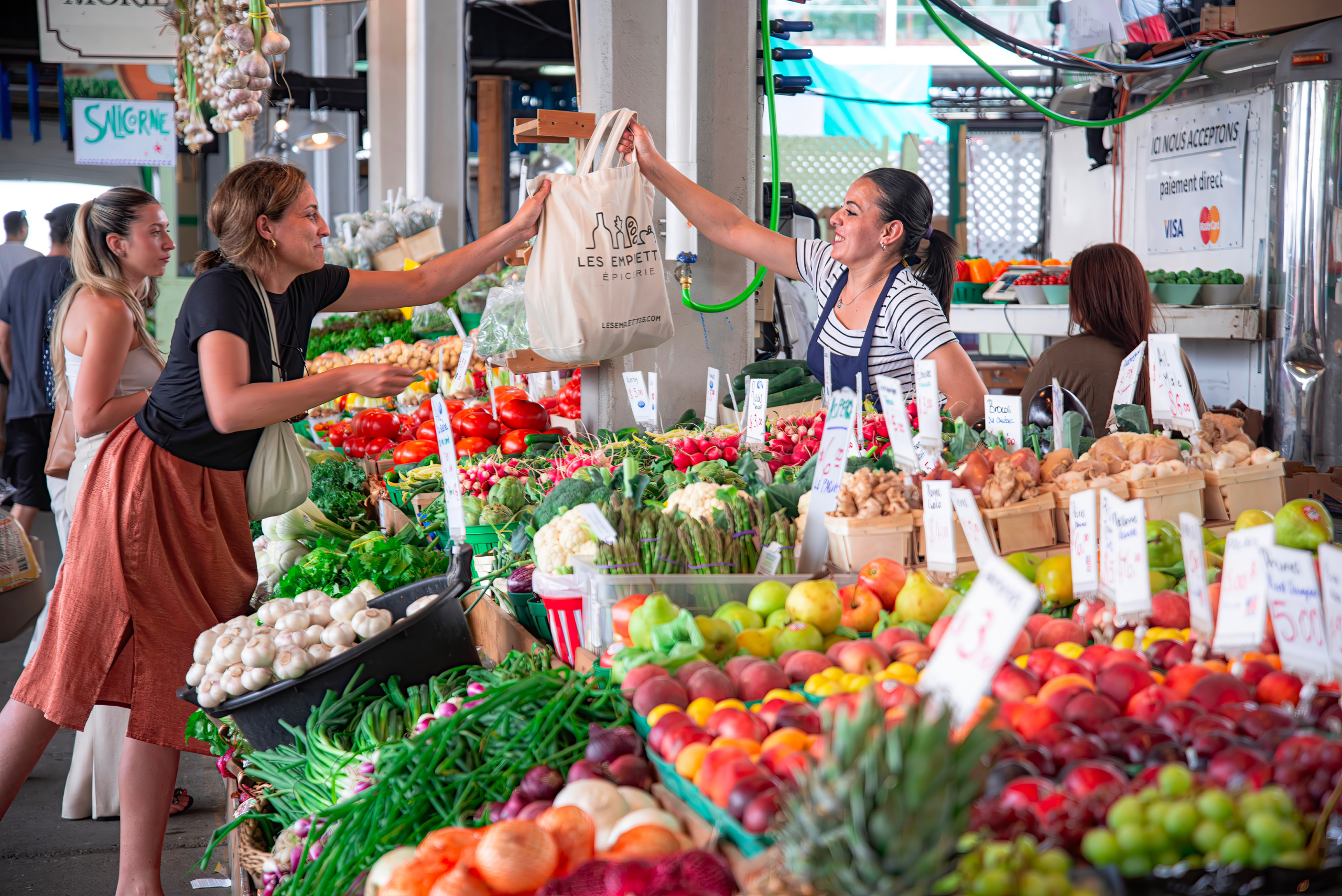
Canadian farmers markets are social spaces, but they still depend on orderly movement. One of the clearest unwritten rules is that the line exists even when no ropes or signs define it. Regulars notice who arrived first, who is waiting for eggs, and who has stepped aside to decide. Cutting in because the stall feels informal is one of the fastest ways to irritate both vendors and other shoppers.
Conversation is welcome, but timing is everything. Many vendors enjoy talking about preserving methods, heirloom varieties, pasture practices, or recipe ideas when the pace allows it. During a rush, though, long storytelling at the counter can hold up a dozen people. Skilled shoppers read the moment and save detailed questions for a quieter stretch.
This matters because market culture balances community with efficiency. Unlike large retail chains, most stalls are staffed by just one or two people. When a line stalls, sales can be lost and tempers can rise, especially in bad weather. The best etiquette is friendly brevity during peak moments, followed by fuller conversation once the queue eases.
Bring the right payment, and understand the real price
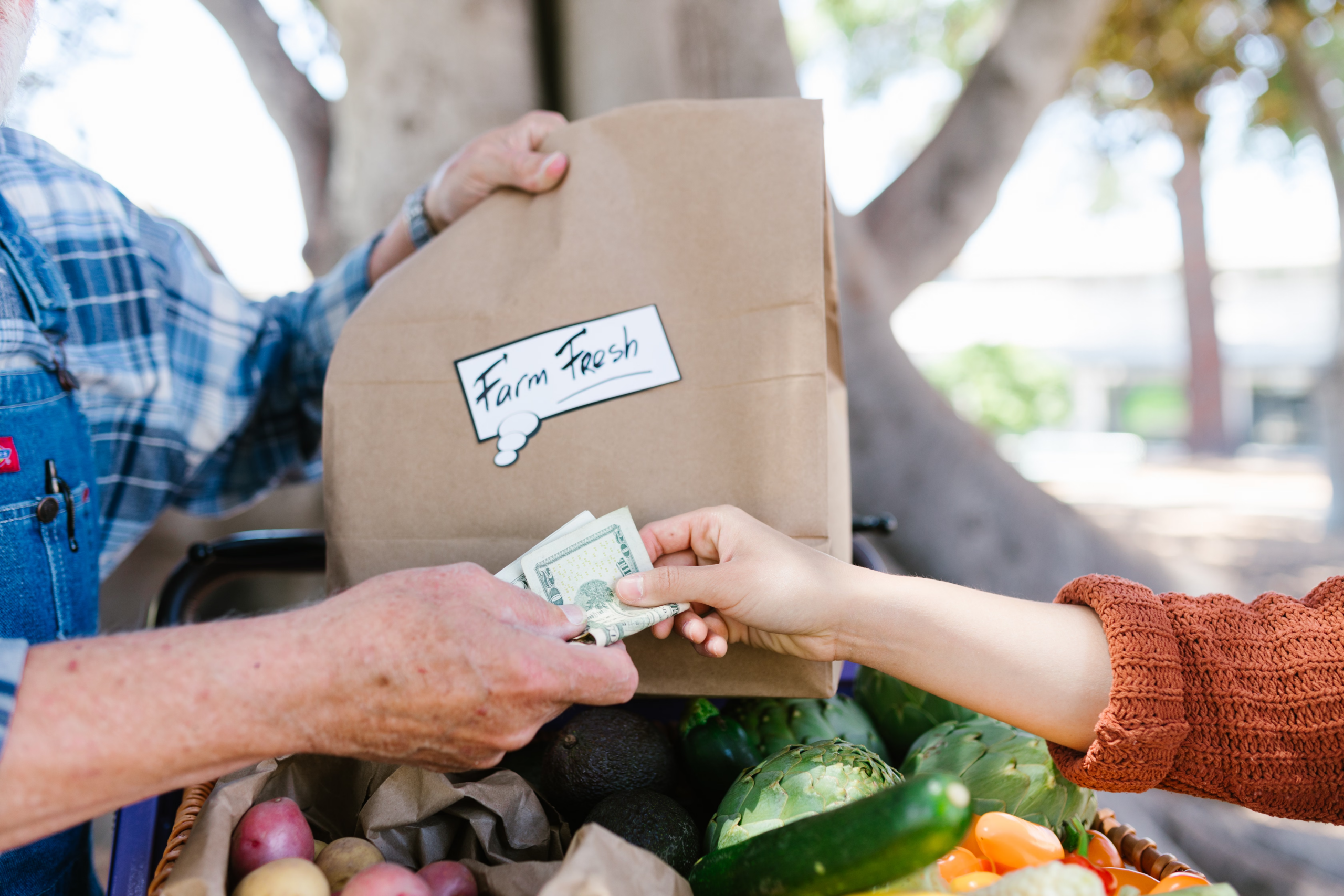
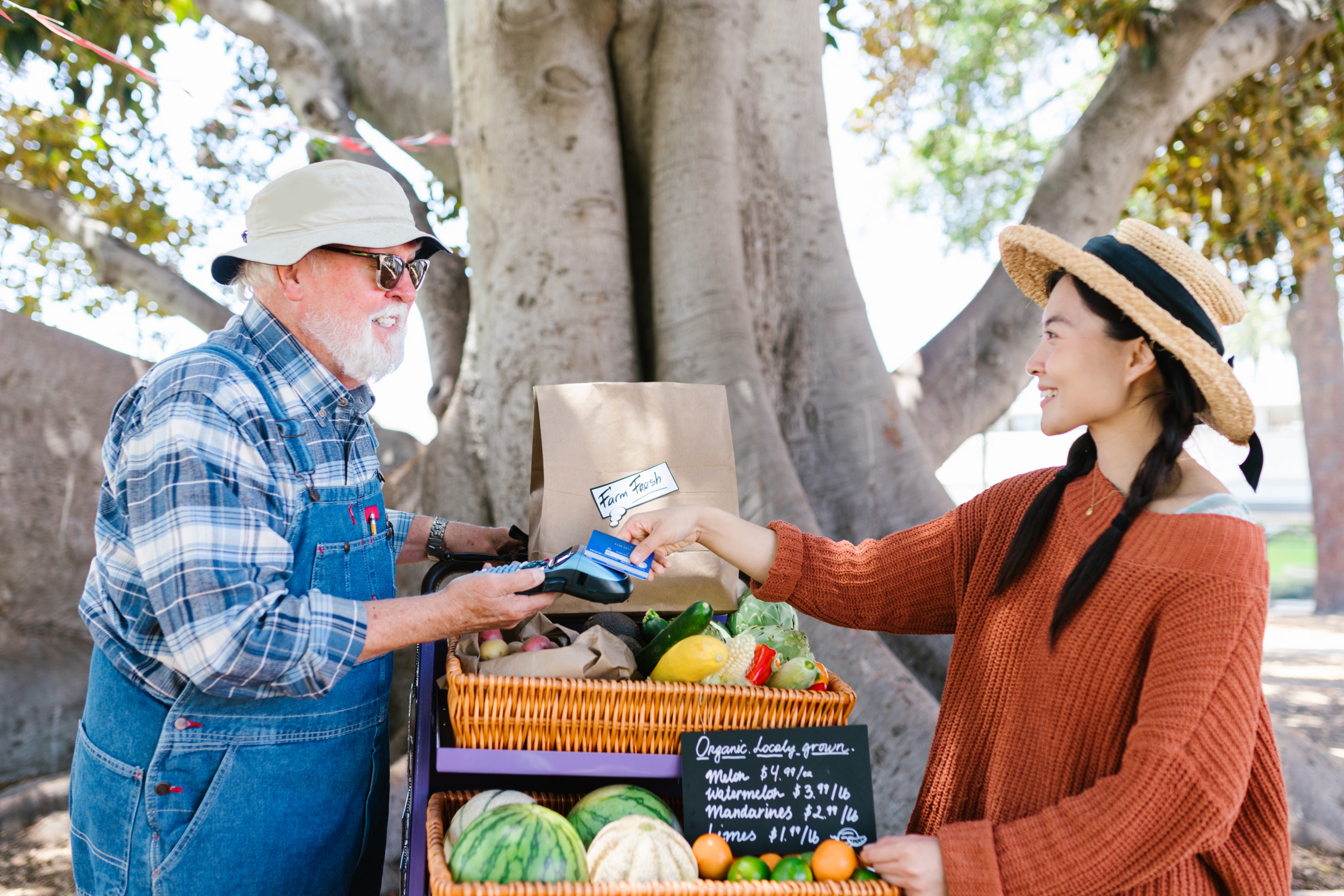
Many newcomers still assume every stall takes every payment method. Increasingly, Canadian vendors accept cards and mobile payments, but cash remains useful, especially for small purchases, rural markets, or weak cellular service. Regulars arrive with small bills and coins to avoid slowing the transaction. Handing over a large note for a tiny purchase is not forbidden, but it is quietly frowned upon early in the day.
Price etiquette also differs from what some travelers expect in open-air markets abroad. In Canada, haggling is generally not standard practice at farmers markets. Vendors price according to labor, land, feed, packaging, fuel, certification, and short seasonal windows. Asking for a discount on a basket of berries may come across as dismissive of the producer's costs.
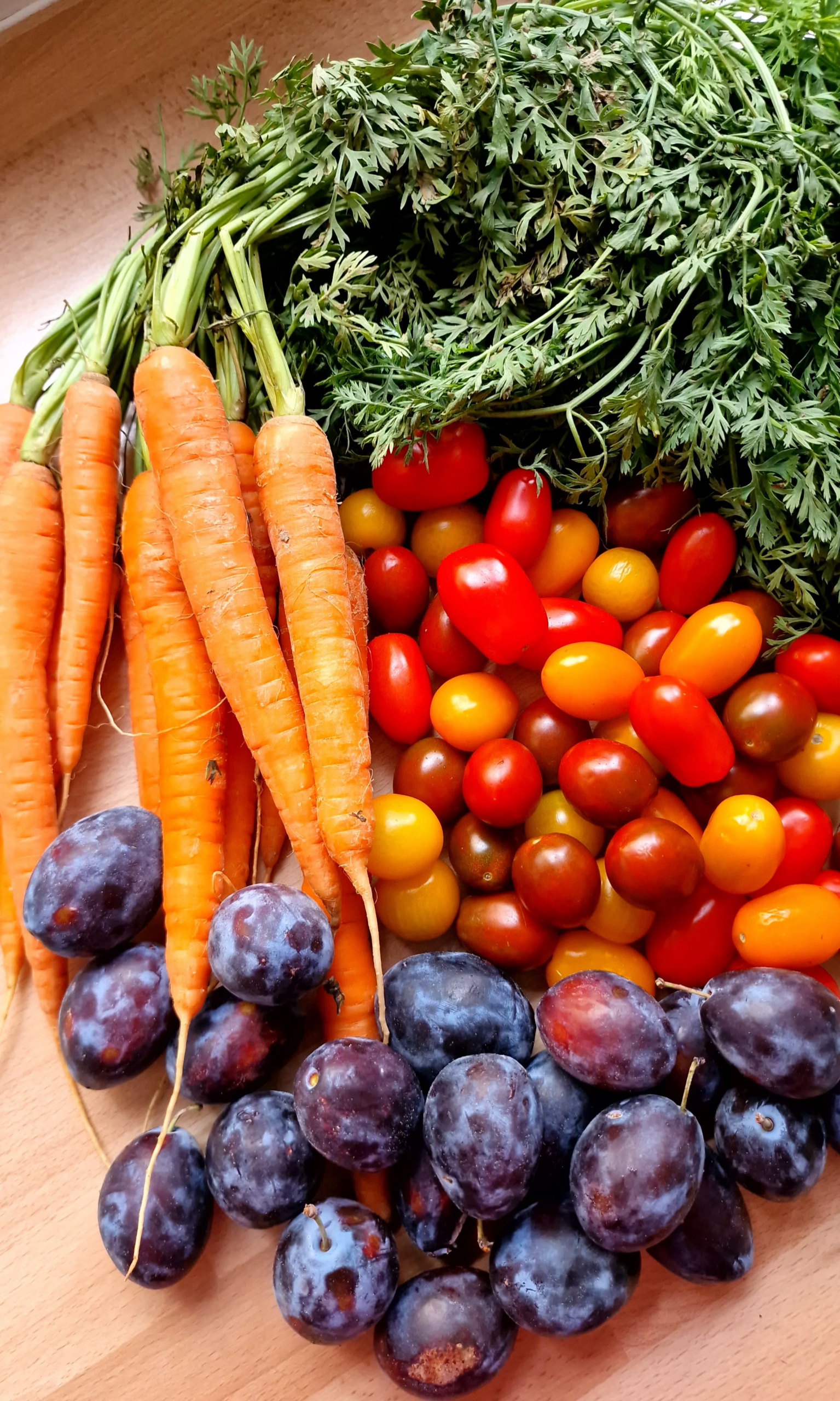
Understanding price means looking beyond supermarket comparisons. A market carrot may be fresher, a loaf may be baked in smaller batches, and pasture-raised meat carries production costs industrial systems avoid. According to Agriculture and Agri-Food Canada reporting over the years, direct-to-consumer sales often help small producers keep more of the final dollar. Paying the listed price supports that model.
Loyalty matters, but so does openness to the full market
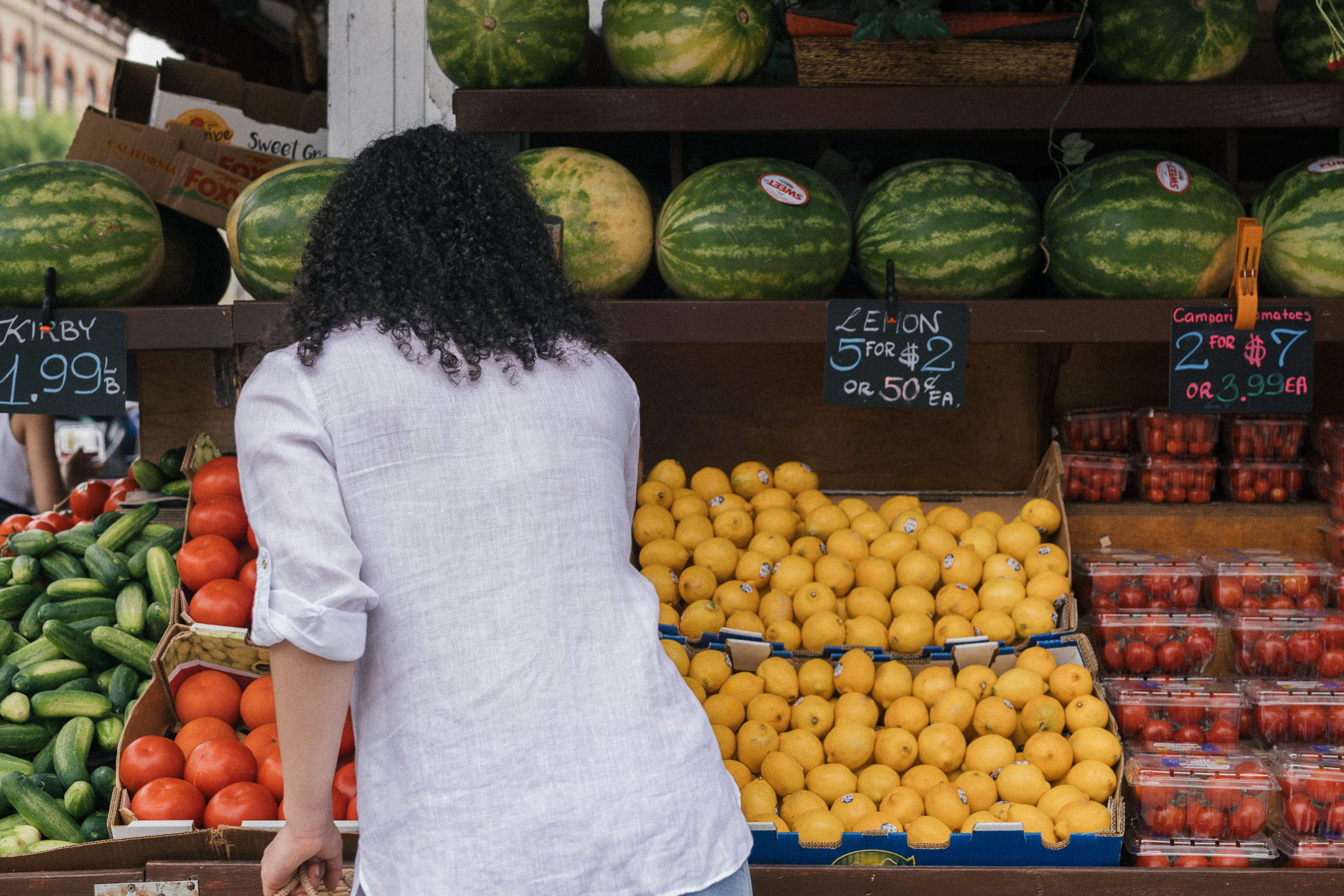
Regular shoppers often build relationships with a few trusted vendors. That loyalty has value because good producers remember preferences, reserve favorite items, and offer practical advice on storage or ripeness. Over time, a cheesemaker may suggest the best week for a washed-rind batch, or a grower may tell you when the first field cucumbers are coming. These exchanges are part of what makes farmers markets distinctive.
Still, another unwritten rule is to avoid turning loyalty into tunnel vision. Markets thrive when shoppers explore beyond the familiar table. A newcomer who samples one local honey each week, compares potato varieties, or tries a seasonal green they have never cooked before learns how regional food actually works. That openness is especially rewarding in Canada's varied climates and cultural food traditions.
The final lesson is that a good market shopper participates, not just purchases. They return containers when a vendor accepts them, move aside after paying, and share genuine appreciation without theatrics. Farmers markets are not only places to buy food. They are small economic ecosystems built on trust, rhythm, and repeated good behavior.



Leave a Reply