
Organic food has become a moral identity as much as a grocery choice. That is exactly why the most important facts about it are often softened, skipped, or buried under feel-good branding.
Organic does not mean pesticide-free
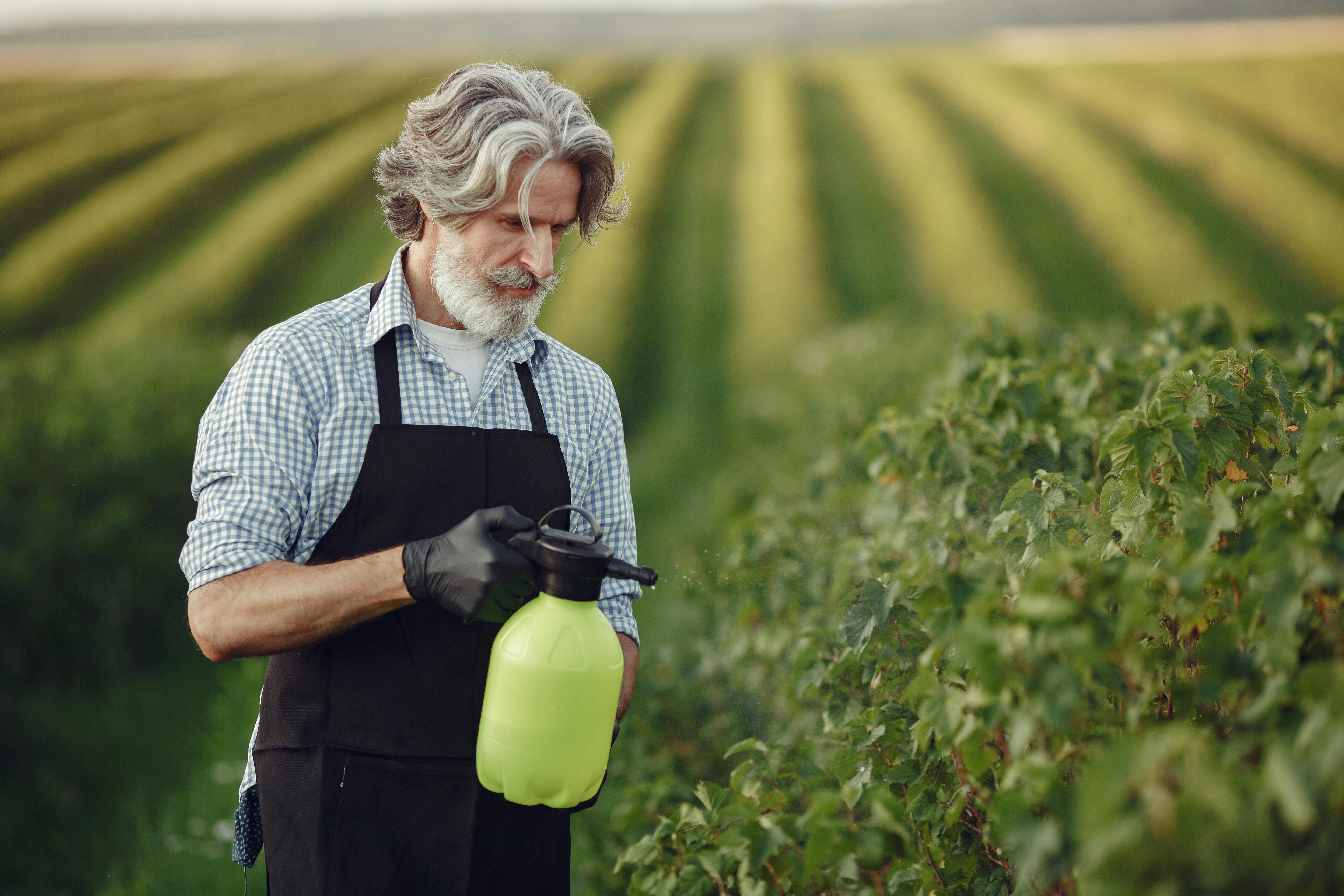
The first uncomfortable truth is also the most misunderstood: organic farming uses pesticides. Many shoppers still assume the organic label means crops are grown without chemical intervention, yet organic systems permit a range of pesticides and fungicides, including naturally derived ones such as copper compounds, sulfur, and spinosad. "Natural" is not the same thing as harmless, and in agriculture, toxicity depends on dose, exposure, persistence, and ecological impact, not whether a substance came from a plant or a lab.
Copper is a good example because it sounds benign but can accumulate in soil and harm beneficial organisms when used heavily over time. Organic farmers often rely on it for disease control in crops such as grapes and potatoes because they have fewer synthetic tools available. Some natural insecticides can also be broad-spectrum, meaning they affect non-target insects as well as pests. The public story is usually framed as chemicals versus no chemicals, but the real choice is between different chemical profiles and management systems.
Residue studies routinely show that both organic and conventional foods usually fall within safety limits set by regulators. According to food safety agencies in Europe, the United States, and elsewhere, pesticide residues on conventional produce are generally far below thresholds considered harmful. That does not mean residue discussions are irrelevant, but it does mean the dramatic health claims often used in organic marketing are much stronger than the evidence.
Health claims are stronger than the evidence

The second truth is that organic food has not been shown consistently to make people healthier. Some studies find modest differences in certain nutrients or lower pesticide residues, but large reviews have repeatedly concluded that there is little strong evidence that eating organic leads to better overall health outcomes for the average consumer. A Stanford review that drew wide attention years ago found limited proof of clinically meaningful nutritional superiority, and later research has remained mixed rather than revolutionary.
This does not mean organic and conventional foods are identical in every respect. Some organic produce may contain slightly higher levels of certain antioxidants under some growing conditions, and some consumers value lower exposure to specific synthetic pesticides. But moving from "there are differences" to "organic is healthier" is a leap that the science does not cleanly support. Nutrition is affected far more by whether people eat fruits, vegetables, fiber, and minimally processed foods than by whether the apple has an organic sticker.
The industry has been careful to let shoppers infer broad health advantages without always stating them explicitly. Packaging leans on words like pure, clean, natural, and wholesome because those terms trigger an emotional response. The result is a halo effect: consumers may believe organic cookies, chips, and sugary cereals are somehow better for them than non-organic versions. In many cases, the nutritional profile is nearly the same, and the premium buys an image more than a proven health benefit.
Lower yields create environmental trade-offs

Here is where the debate becomes less sentimental and more mathematical. Organic farming often produces lower yields than conventional farming, though the gap varies by crop, region, and farming method. A substantial body of research has found average organic yields are lower, sometimes by around 10% to 30%, and occasionally more for certain crops. That matters because if you produce less food per acre, you usually need more land to grow the same amount of food.
Land use is not a side issue. It is one of the biggest environmental variables in agriculture because converting forests, grasslands, or wild habitats into farmland can release carbon, reduce biodiversity, and disrupt ecosystems. A farming system that looks gentler on one field may create larger impacts if it requires significantly more land overall. This is one reason many agricultural scientists argue that environmental performance must be judged per unit of food produced, not just per acre farmed.
Organic advocates often point to improved soil practices, crop rotations, and reduced synthetic fertilizer use, and those can be genuine advantages in the right context. But the industry is less eager to discuss the cost of lower productivity at scale, especially in a world facing population growth and pressure on land. If society shifted entirely to lower-yield systems without major dietary changes or technological gains, the environmental bill could rise rather than fall.
Natural methods are not automatically better for nature
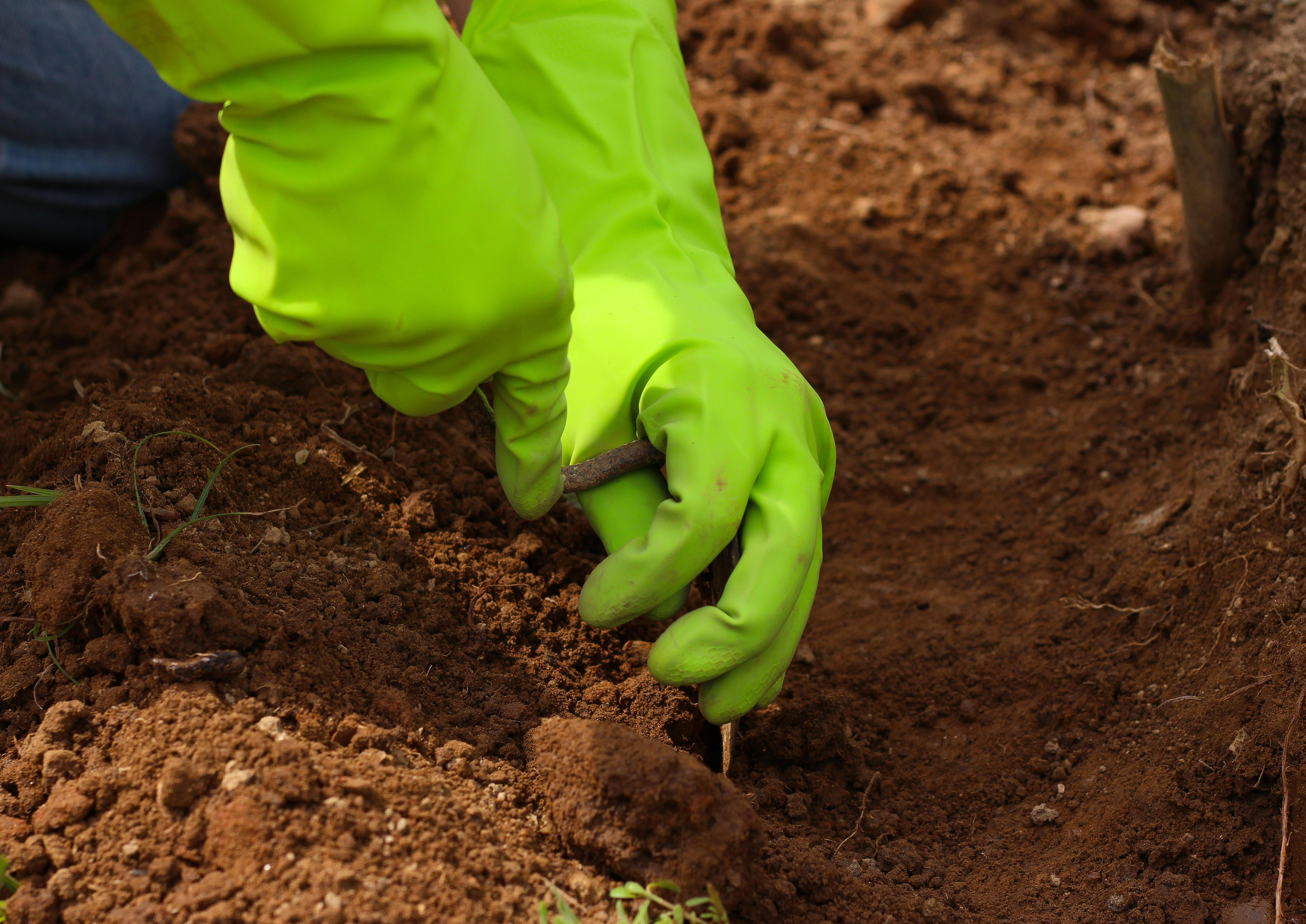
Many people assume organic farming is inherently better for biodiversity, water quality, and climate. Sometimes it is, especially on individual farms with diverse rotations, hedgerows, and careful soil stewardship. But "organic" is not a perfect environmental proxy. Outcomes depend heavily on local conditions, farm skill, crop type, pest pressure, irrigation needs, and whether assessments are made per acre or per kilogram of food.
Take fertilizers as an example. Organic systems typically avoid synthetic nitrogen fertilizers, which can lower some fossil-fuel-related inputs. Yet organic farms often depend on manure, compost, and tillage-heavy weed control, each of which brings its own trade-offs. Tillage can increase soil erosion and release stored carbon, while manure management can contribute to runoff and nitrous oxide emissions if poorly handled. There is no farming method without ecological costs.
Climate comparisons are especially easy to oversimplify. A system may produce lower emissions per acre but higher emissions per unit of food if yields are lower. Meanwhile, greenhouse-grown produce, imported produce, and storage methods can all affect the total footprint in ways consumers rarely see on a label. The careful truth is not that organic is bad for the environment, but that the label alone does not tell you enough to judge environmental performance accurately.
Price premiums often reflect branding as much as value
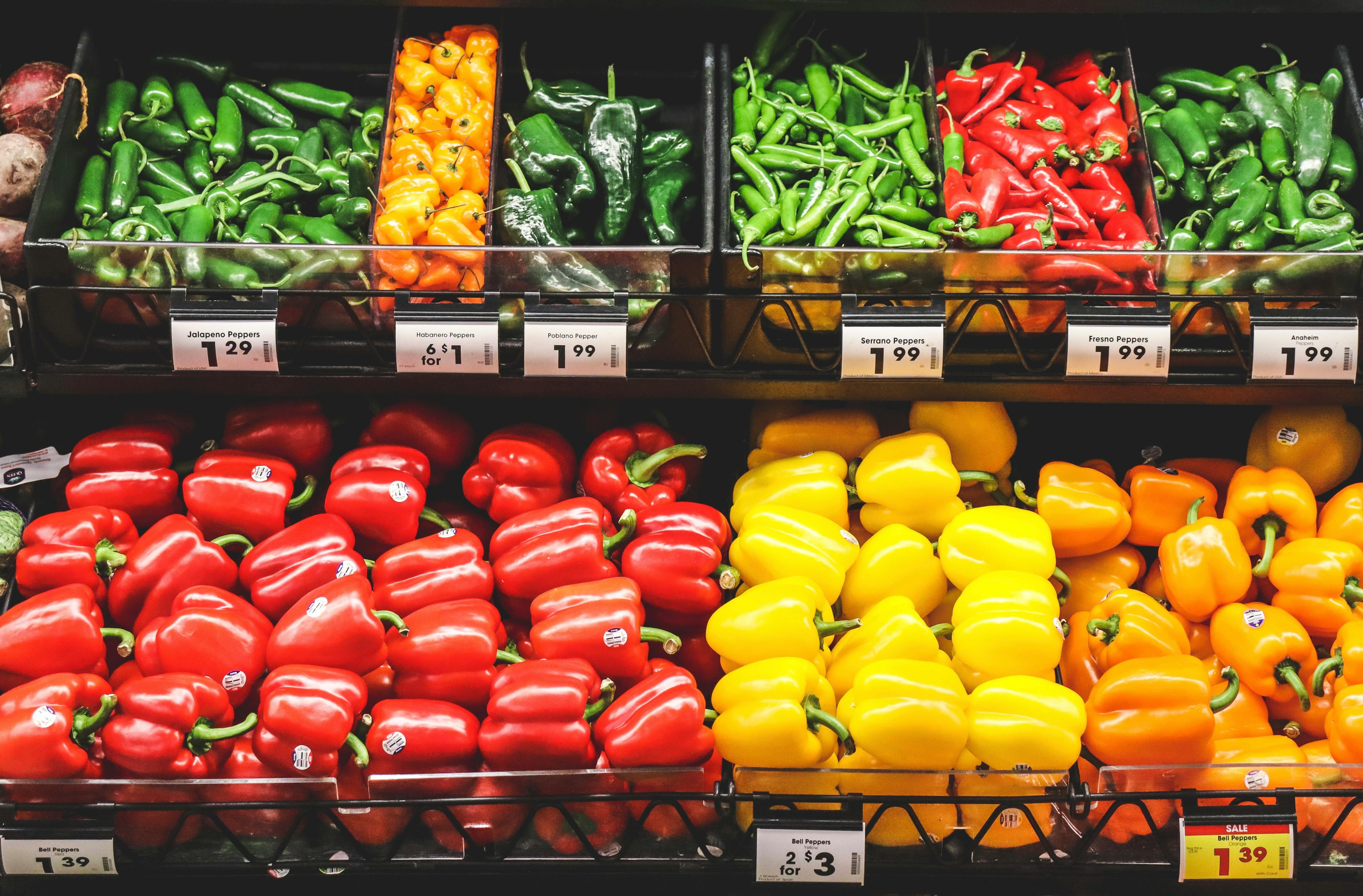
Organic food is usually more expensive, and part of that difference is real. Certification, separate supply chains, labor-intensive weed control, smaller scale production, and lower yields can all raise costs. But another part of the premium comes from the power of storytelling. Organic has been marketed not just as a production method but as a signal of ethics, safety, intelligence, and care. That emotional positioning allows higher margins in many categories.
Consumers often pay extra believing they are buying a meaningfully superior product. Sometimes they are buying food produced under standards they genuinely prefer, and that is a valid choice. But in many supermarket categories, the premium far exceeds any clear, measurable difference in nutrition, safety, or environmental benefit. The gap is particularly striking in processed foods, where the organic label can sit on products still high in sugar, refined starch, or sodium.
This is where the industry has been especially careful. It rarely says that the strongest reason to choose organic may be personal values rather than hard evidence of major health or sustainability gains. There is nothing wrong with paying for a farming philosophy. The problem begins when that philosophy is sold as settled science and when shoppers with tighter budgets are made to feel they are feeding their families "inferior" food if they buy conventional produce.
The honest conclusion is about trade-offs, not purity

The most useful way to think about organic food is to drop the fantasy of purity. Organic is not a scam, but neither is it the simple answer it is often presented as. It is one agricultural system among several, with strengths, weaknesses, and contradictions. Some organic farms are excellent stewards of land and biodiversity. Some conventional farms are highly efficient, scientifically managed, and environmentally responsible. Labels do not capture all of that complexity.
For consumers, the practical takeaway is surprisingly straightforward. Eating more fruits, vegetables, legumes, and whole foods matters more than choosing organic over conventional. Washing produce, reducing food waste, varying your diet, and buying from trustworthy growers often do more for health and sustainability than chasing a single label. If organic fits your budget and values, buy it. If it does not, conventional produce is still a smart and healthy choice.
The truth the industry rarely says out loud is that agriculture is a world of trade-offs, not absolutes. Organic food can offer benefits in some contexts, but the sweeping claims surrounding it are often larger than the evidence. Once the halo fades, what remains is a more mature view: the best food system is not built on marketing myths, but on honesty, data, affordability, and outcomes that can actually be measured.




Leave a Reply