
A meal out is never just about the food. It is also a fast-moving coordination exercise that depends on timing, memory, and communication.
The off-menu dish that "should be easy"
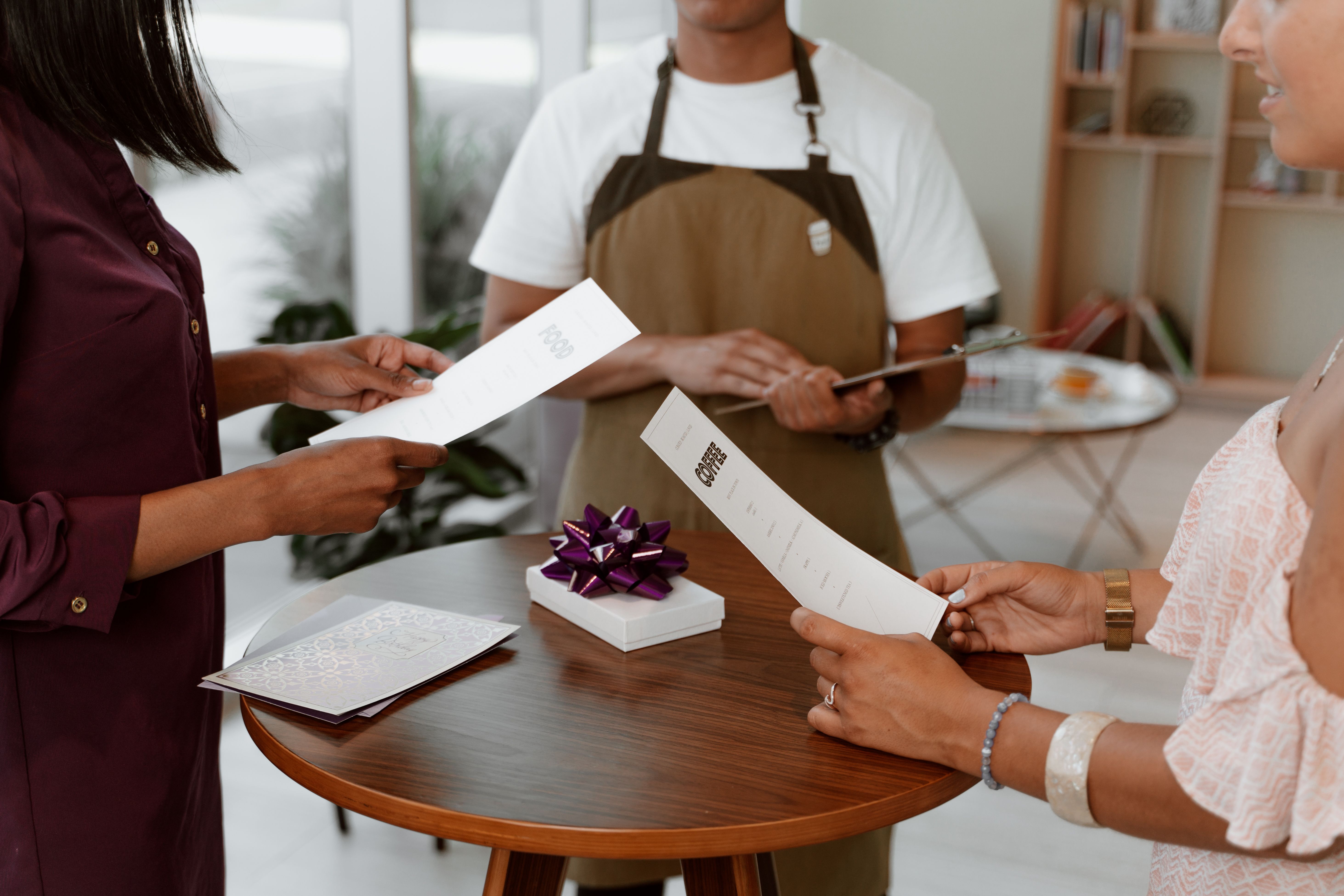
It often starts with confidence from the guest. A diner asks for a dish that used to be served last season, or requests a custom version of three different menu items stitched together as if the kitchen were cooking for one private household.
For servers, that question creates risk immediately. They have to leave the floor, interrupt the kitchen or point-of-sale flow, and ask whether ingredients, prep stations, and timing can support something not built into the current menu. In many restaurants, even a small change can disrupt the line because cooks are assigned to tightly defined tasks.
According to chefs and restaurant operators interviewed widely in trade publications, off-menu requests tend to create the most friction during peak hours. What looks minor to a guest may require a new sauce, different plating, an allergy-level cleaning step, or a manager override in the ordering system.
Servers dislike saying no, but they also know that a forced yes can backfire. If the kitchen improvises badly, the guest blames the server first, even when the request was never designed to work smoothly in that restaurant's system.
Endless substitutions that change the whole plate
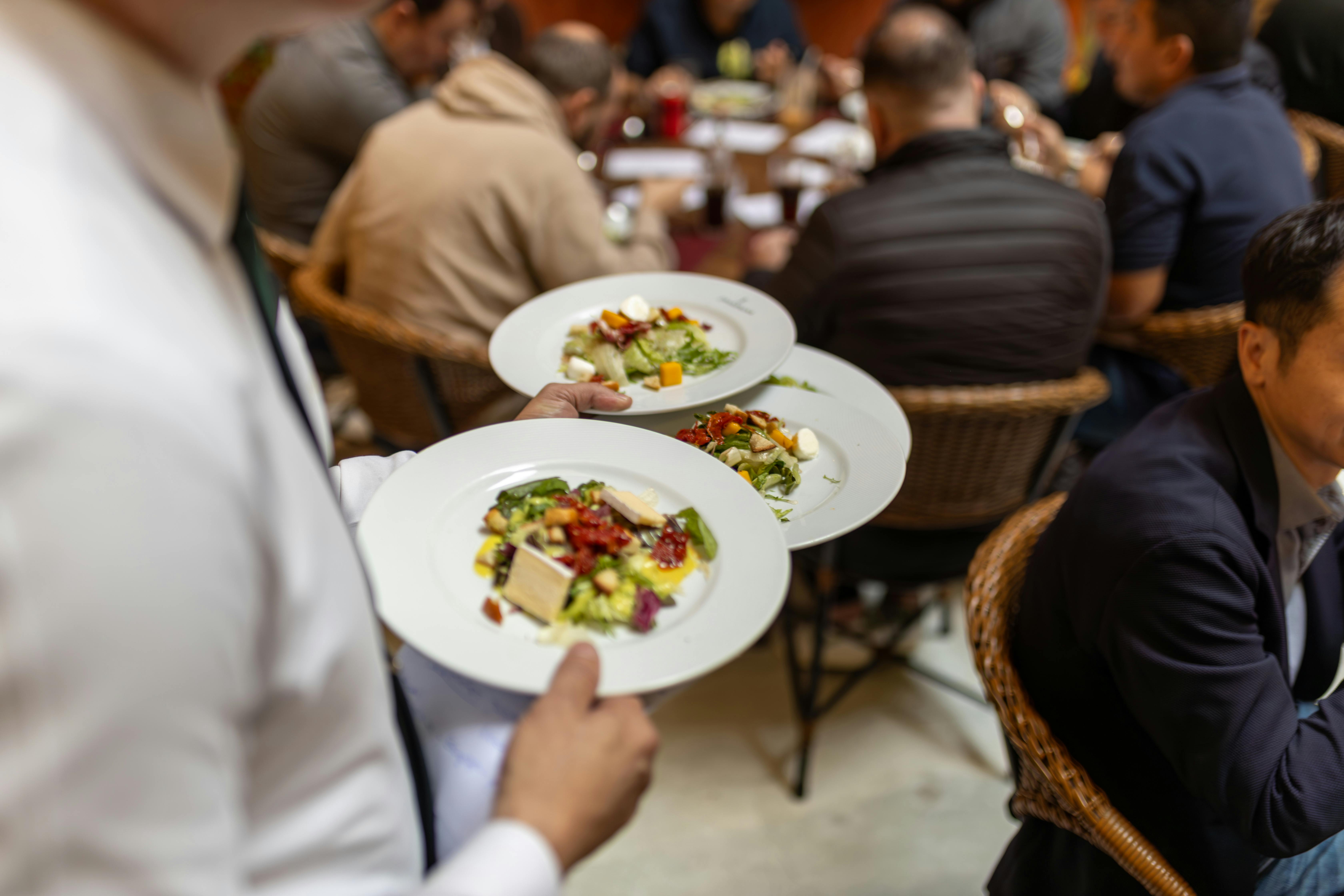
Customization is normal in modern dining. Still, there is a line between a simple swap and a complete rebuild of a dish.
A request like no onions or dressing on the side is usually manageable. Trouble starts when guests ask to replace the protein, switch the starch, remove two components, add another sauce, and then expect the original price. At that point, the order may no longer match the recipe, cook time, or food cost the restaurant planned.
Servers know substitutions can also create hidden errors. The more changes attached to one plate, the higher the chance that one detail gets missed between the table, order terminal, expo station, and kitchen. Restaurant technology companies have repeatedly noted that modifier-heavy tickets correlate with slower ticket times and remakes.
The frustration is not personal. It is logistical. A heavily modified order can bottleneck a station, delay nearby tables, and increase waste if the kitchen has to refire food that no longer resembles a standard dish.
"Can you split everything?" after the meal is over

Payment questions reveal how organized a table really was. Many servers quietly hope guests mention split checks at the beginning, not after dessert plates have been cleared and everyone is reaching for coats.
Late-stage check splitting can become surprisingly complicated. Shared appetizers, rounds of drinks, half-bottles of wine, extra sides, and one guest who moved seats all create a puzzle that the server must solve under time pressure. In some point-of-sale systems, the task is easy. In others, it is clumsy and slow.
The issue gets worse during a rush because payment is what turns tables. A delay of five or ten minutes at checkout can stall seating for the next party, which directly affects revenue and the server's tips over the course of a shift.
Most servers are happy to accommodate separate payments. What they dread is reconstructing a group's entire social history from memory while three credit cards are already on the tray and someone says they "only had a few bites" of the shared calamari.
Last-minute allergy claims used as preferences
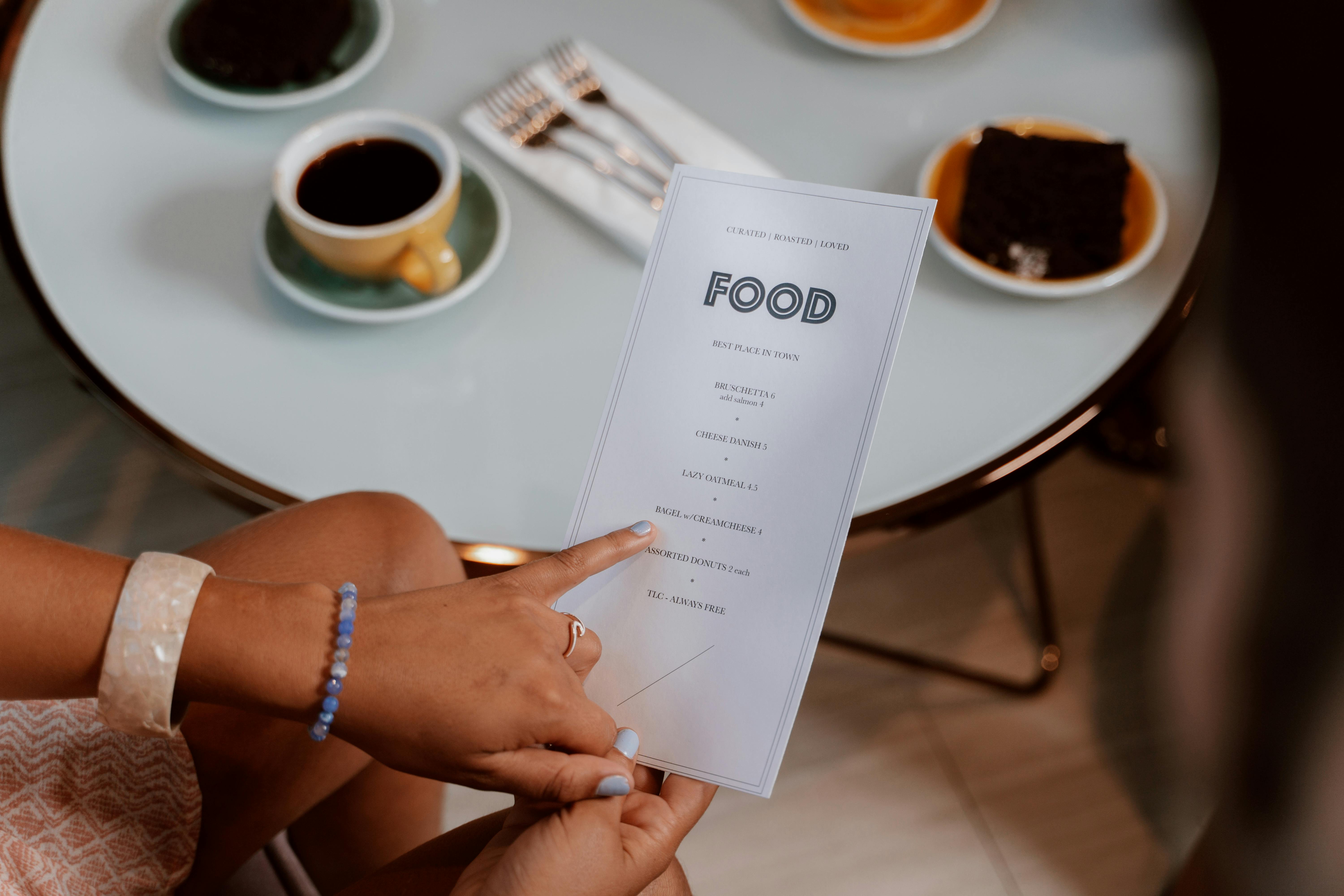
True food allergies are serious, and professional servers know that. The problem is not the allergy disclosure itself. It is when a guest presents an allergy only after ordering casually, or uses the language of a medical restriction for something that is really a preference.
That changes the entire handling process. In responsible restaurants, an allergy alert can trigger glove changes, surface sanitation, pan swaps, ingredient checks, and manager involvement. The kitchen may need to verify sauces, oils, garnishes, and cross-contact risks that are invisible to the guest.
Food safety experts have long warned that false or careless allergy claims create confusion and can undermine urgency when real danger exists. Servers secretly fear these moments because they must treat every allergy statement as potentially life-threatening while also managing a dining room full of other tables.
The best outcome is clarity. If an ingredient is disliked, saying so plainly helps. If it is a genuine allergy, stating it early gives the staff time to guide the order safely and accurately.
Camping at the table long after closing
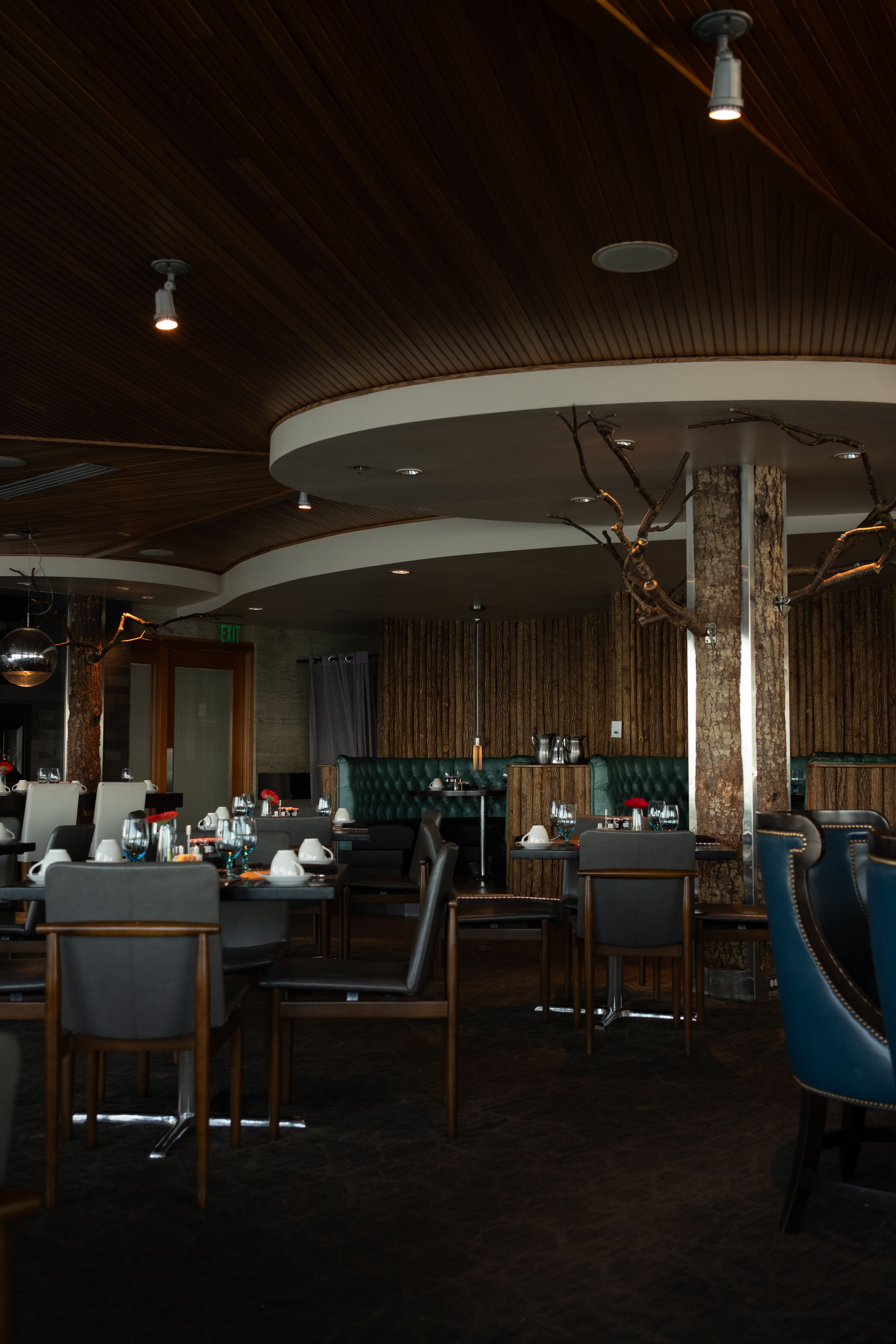
Some of the hardest service moments happen after the visible work seems done. Guests may assume that if lights are still on and music is still playing, staying another 30 minutes is harmless.
From the server's perspective, that extra time has costs. Side work remains unfinished, drawers cannot be closed, sections cannot be reset, and kitchen or bar staff may be waiting for the last occupied table before they can complete shutdown tasks. In many restaurants, front-of-house employees are not fully done until the room is cleared.
Industry labor experts have noted that restaurant shifts often stretch beyond posted hours because of delayed closeout. For tipped workers, that can mean more unpaid or low-paid cleanup time after the income-producing part of the evening has ended.
Servers rarely want to rush anyone out. They simply wish more diners understood that closing time is not the moment to settle in deeper. It is the point when the entire operation is trying to land the day cleanly.
The question that hides a bigger problem
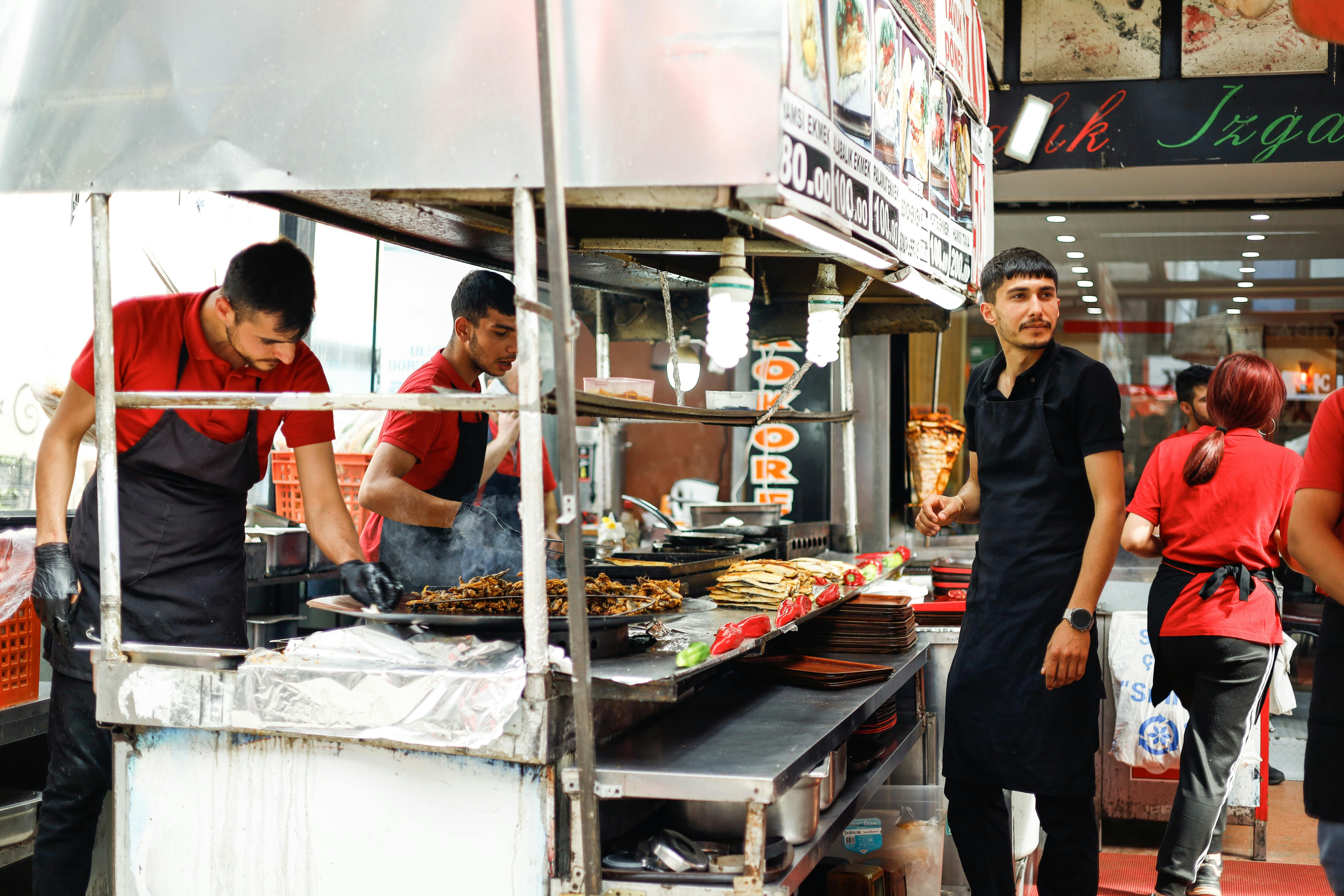
There is one kind of request servers often dread most because it sounds harmless. A guest says, "Can you make sure this comes out fast?" or "We're in a hurry," but only after placing a large, complex order during a slammed service.
Timing in restaurants is built on sequencing. The kitchen fires dishes by station capacity, ingredient prep, and the flow of tickets ahead of yours. A server can communicate urgency, but cannot erase the realities of a crowded grill, a backed-up fryer, or a bar printing ten drink tickets at once.
Hospitality trainers often say the best service begins with complete information early. If guests are headed to a show, catching a train, or dining on a strict lunch break, saying so at the start allows the server to steer them toward faster items and realistic expectations.
What servers secretly hope you never ask for is not really one sentence. It is any request that arrives late, changes the system, and expects invisible labor to disappear. Diners who understand that usually get better service, fewer mistakes, and a more relaxed night out.



Leave a Reply