
A bloated grocery bill rarely comes from one dramatic mistake. More often, it is the result of small habits that feel harmless in the moment but steadily drain your budget.
Shopping Without a Real Plan
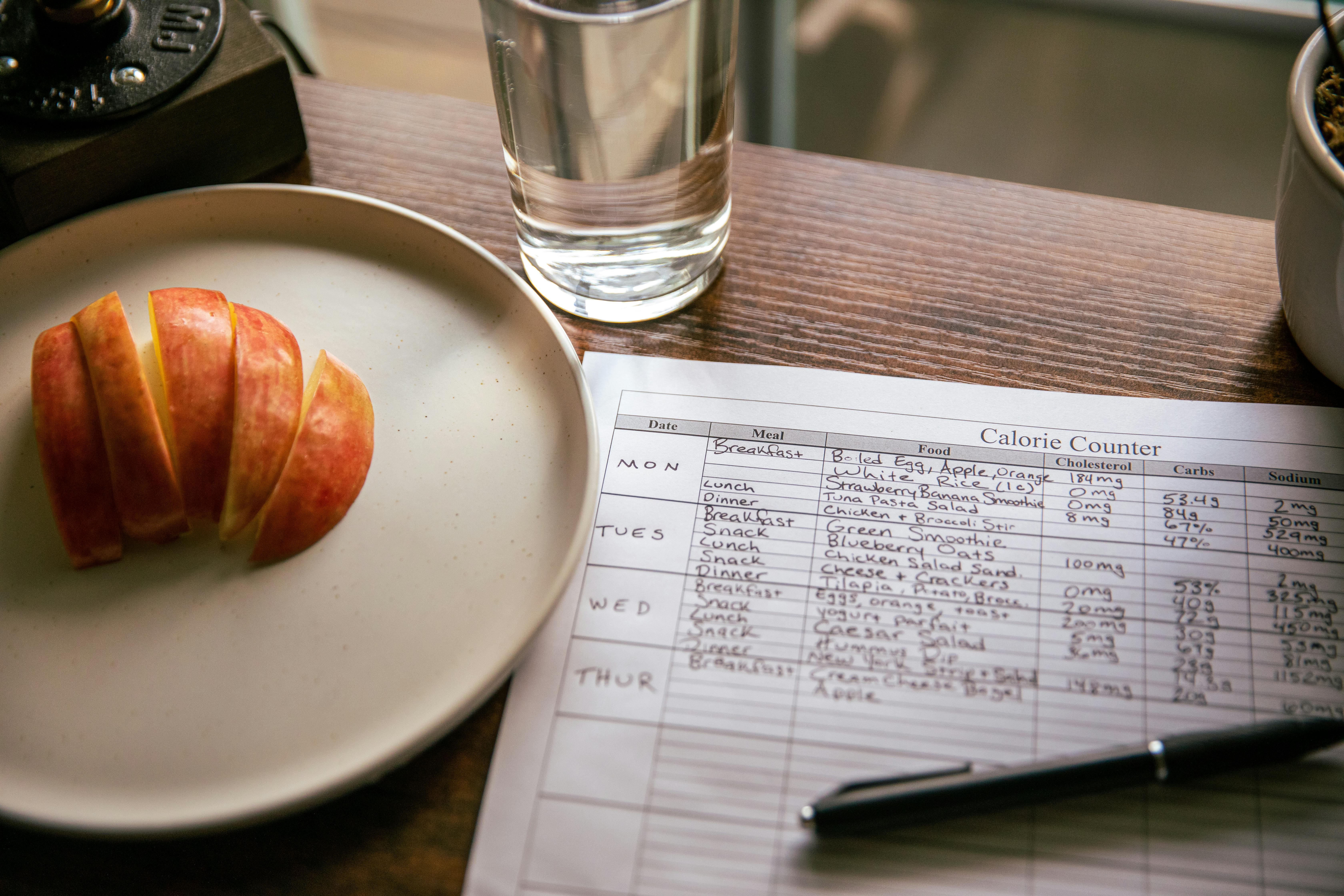
The most expensive grocery trips often begin before you enter the store. Walking in without a list, a meal plan, or a spending limit turns every aisle into a place for impulse decisions, and impulse decisions are usually costly.
Retail analysts have long noted that shoppers buy more when they browse without a purpose. If you do not know what dinners you are making, you are more likely to grab duplicate ingredients, convenience foods, or snacks that were never needed in the first place.
A solid plan does not need to be complicated. Five dinners, a few breakfast staples, lunch basics, and a short restock list are usually enough to prevent overbuying while still leaving room for flexibility.
Buying for an Imaginary Version of Yourself

One of the clearest signs of overspending is buying groceries for the person you hope to be instead of the person you are. That looks like expensive produce for elaborate salads, niche health foods, or ambitious recipe ingredients that never actually fit your routine.
This habit is common because grocery shopping feels optimistic. People picture a week of home-cooked meals, fresh juices, and carefully packed lunches, but real life often includes late meetings, takeout, and leftovers.
When those aspirational purchases go unused, the loss is bigger than the price tag. You also waste the cheaper meal you could have made instead, which means the true cost of fantasy shopping is often doubled.
Falling for Convenience at Every Turn
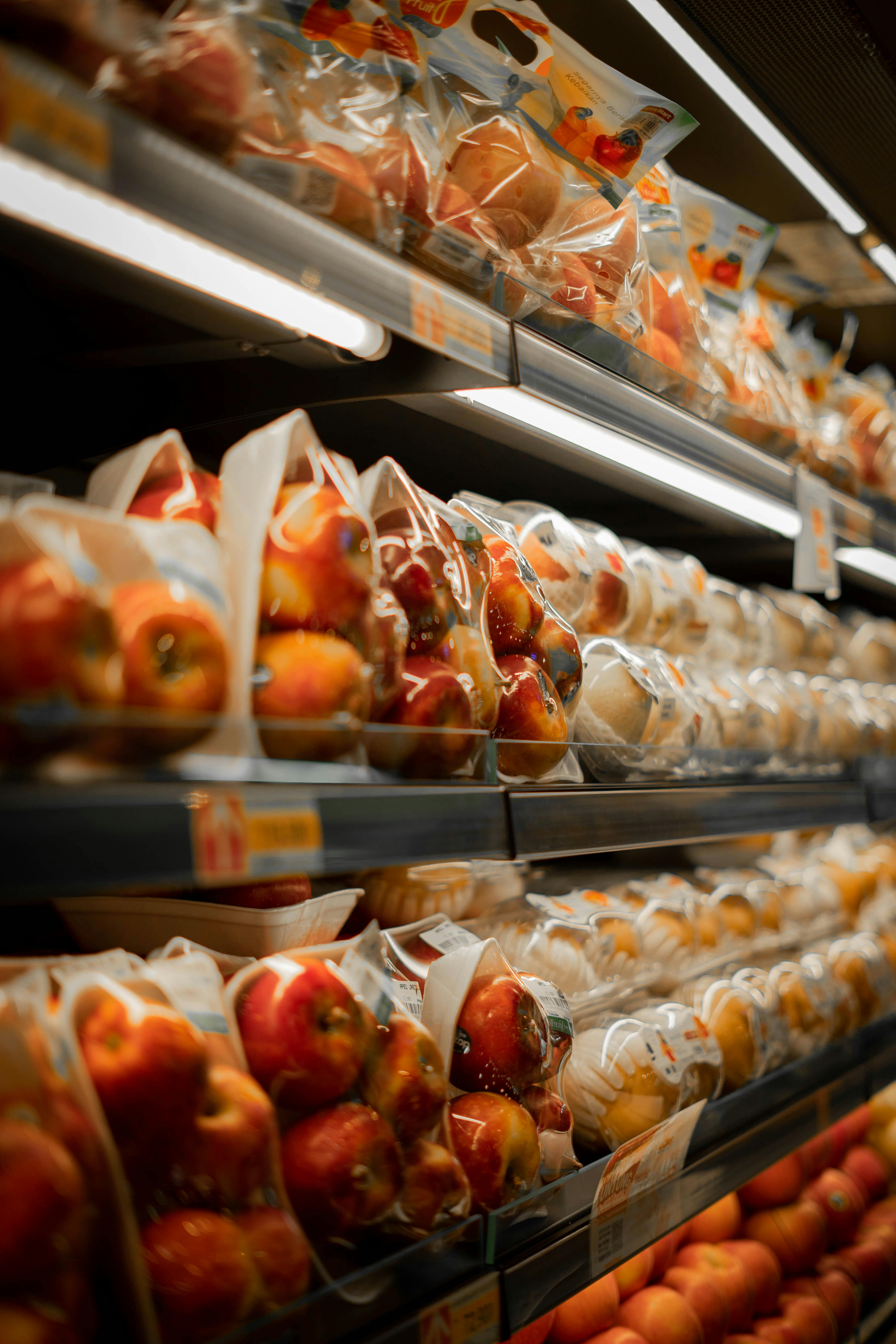
Convenience is useful, but it becomes expensive when it dominates the cart. Pre-cut fruit, bagged shredded cheese, single-serve snacks, bottled coffee, and microwave-ready meals usually carry some of the highest markups in the store.
In many cases, you are paying heavily for labor, packaging, and branding rather than better nutrition or taste. A container of cut pineapple can cost far more per ounce than a whole pineapple, and individually packed items often create the same pattern across categories.
There are times when convenience is worth it, especially for busy households or people trying to reduce food waste. But if nearly every item in your cart has been pre-portioned, peeled, chopped, or prepared, your grocery bill is likely absorbing a premium on almost every shelf.
Ignoring Unit Prices and Store Brands
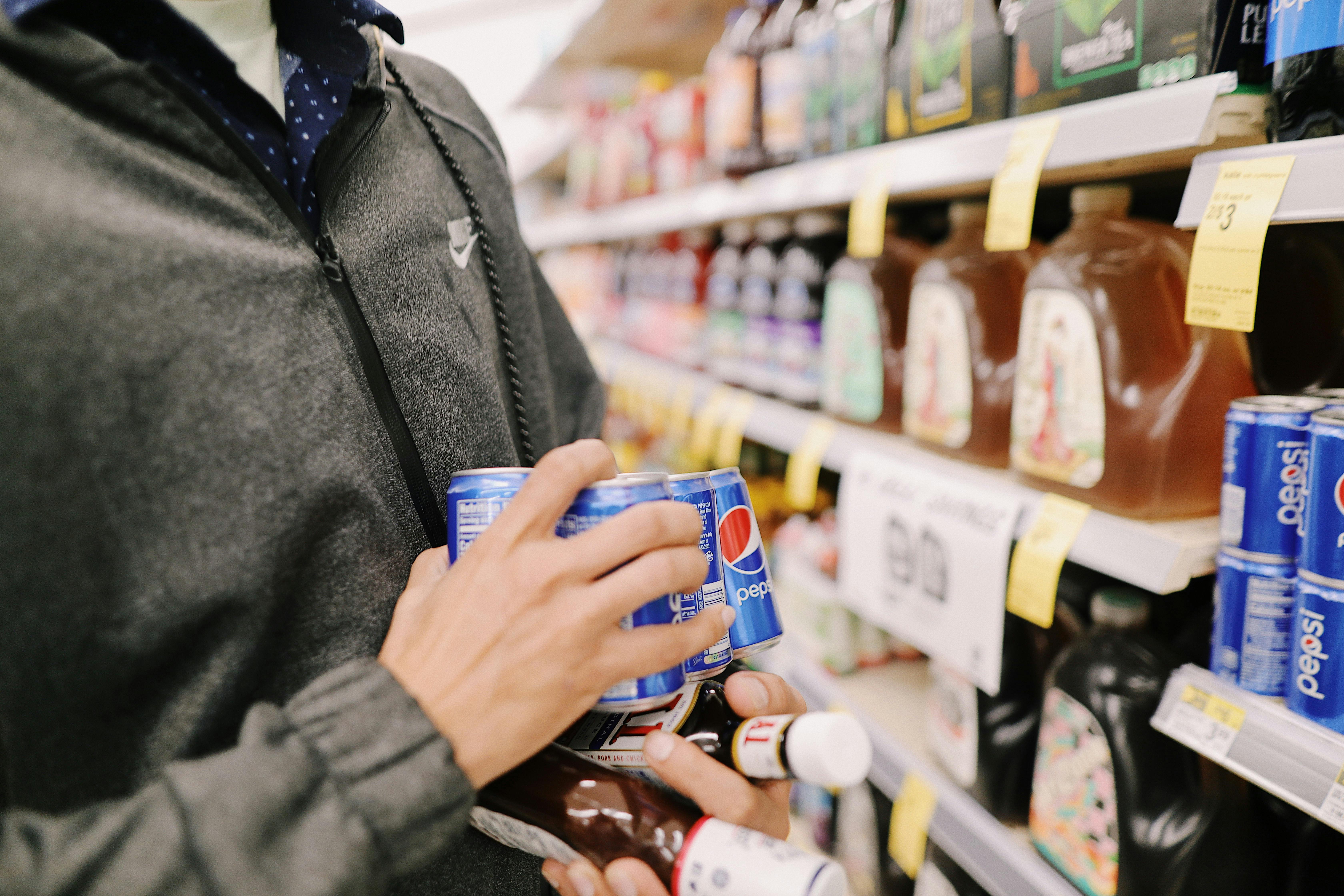
A higher price does not always mean a better value, and a lower shelf tag does not always mean savings. Shoppers who focus only on the package price often miss the unit price, which reveals what each ounce, pound, or serving actually costs.
This is where overspending hides in plain sight. A smaller package may seem cheaper, but it can cost significantly more per ounce, while a larger package may only be a smart buy if you will finish it before it expires.
Store brands are another major missed opportunity. In many categories, from canned beans to oats to frozen vegetables, private-label products are produced to similar standards as national brands but sold at a noticeable discount, according to repeated consumer testing and market comparisons.
Treating Warehouse and Bulk Buys Like Automatic Savings
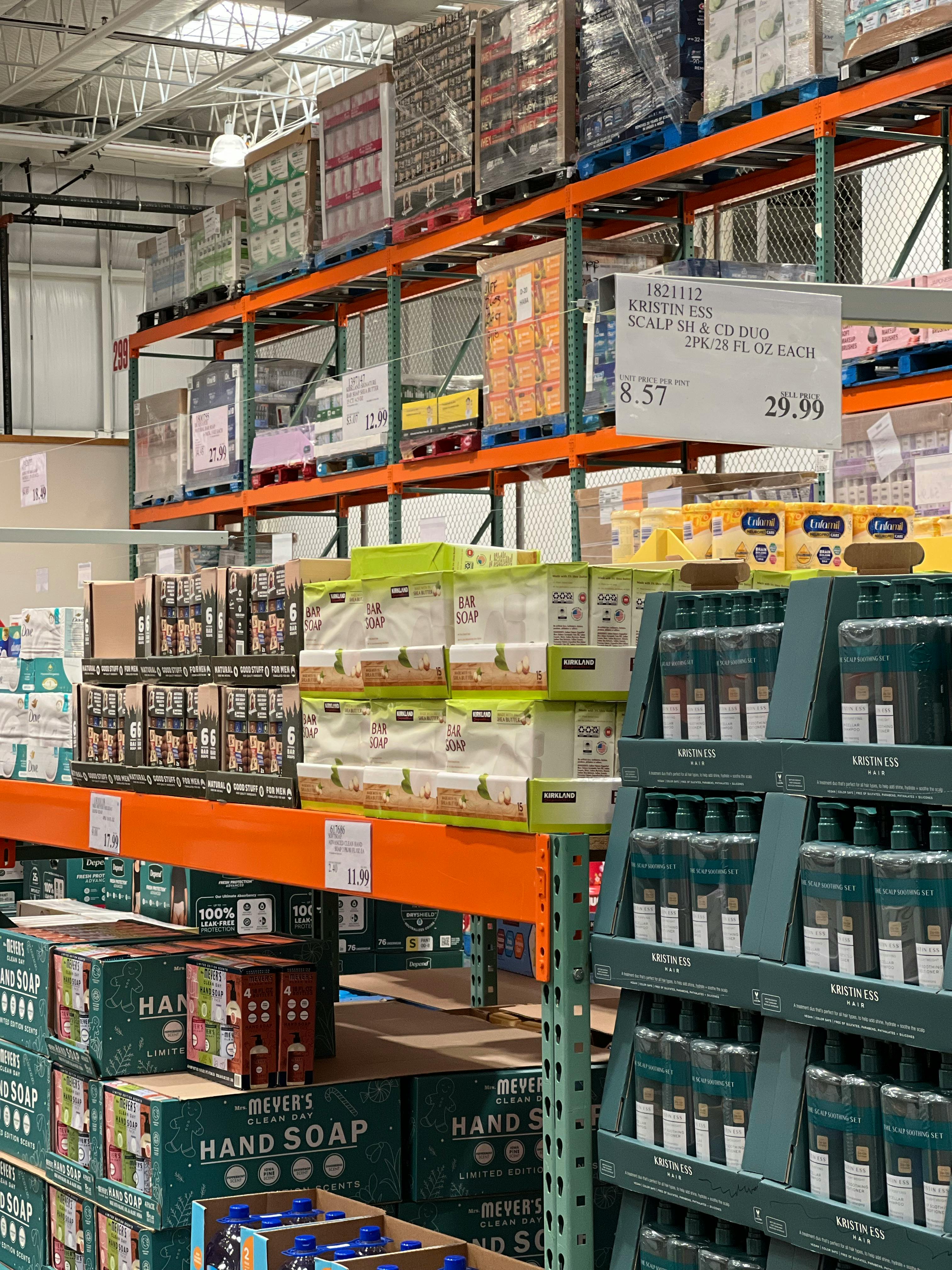
Bulk shopping has a money-saving reputation, but it only works when the math and the household habits line up. Buying a giant container, a multi-pack, or a warehouse-sized box is not a win if part of it spoils, sits unused, or encourages overconsumption.
This happens often with produce, snacks, dairy, and specialty ingredients. A lower per-unit cost means little if ¼ of the purchase ends up in the trash, and food waste is one of the clearest markers of an inefficient grocery budget.
Bulk purchases also tie up cash in items that may not be urgent. If your pantry is full of "deals" but your weekly bill remains high, you may be spending for the feeling of savings rather than actual savings.
Shopping Hungry, Stressed, or Too Often

State of mind matters more than many shoppers realize. Behavioral research consistently shows that hunger increases impulse buying, especially for high-calorie snacks, ready-to-eat foods, and items that were never part of a thoughtful plan.
Stress has a similar effect. After a long day, people are more likely to reward themselves with premium treats, convenience meals, or random extras that feel deserved in the moment but inflate the total at checkout.
Frequency matters too. Every extra trip creates another chance to spend. The more often you stop by "just for a few things," the more likely you are to leave with ten, and that repeated pattern can quietly add hundreds to your monthly food costs.




Leave a Reply