
Grocery prices already feel personal. Raising them at the busiest times would make them even more so.
Why peak-hour grocery pricing is being discussed
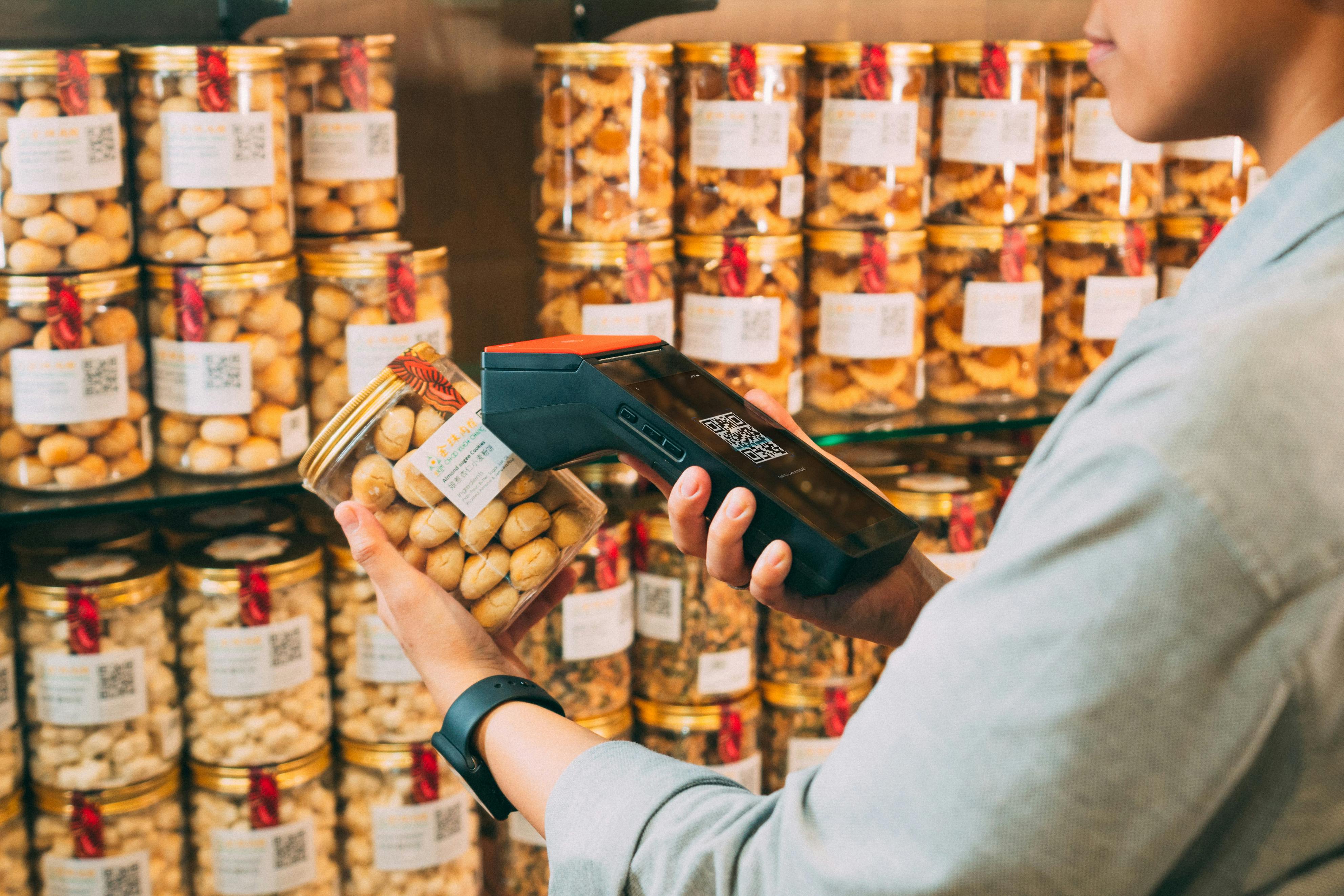
At first glance, the idea seems logical. Airlines, ride-hailing apps, hotels, and even electricity providers often use demand-based pricing to balance supply and demand. Grocery stores also face predictable rushes after work, on weekends, and before holidays, when labor, checkout lines, parking, and shelf restocking all become more expensive to manage.
Retailers have better pricing technology than ever. Electronic shelf labels, app-based promotions, and real-time inventory systems make it technically possible to adjust prices by time of day. Some industry analysts argue that if a store can spread demand across more hours, it may reduce congestion, improve staffing efficiency, and limit stockouts on popular items.
But groceries are not concert tickets or vacation rooms. Food is a necessity, and people often shop at specific times because work schedules, school pickup, public transit, and caregiving duties leave them little choice. That basic fact changes the ethical and practical stakes of the debate.
The strongest argument in favor of higher busy-hour prices

One serious argument for higher prices during peak periods is economic efficiency. When demand surges at 5:30 p.m., a store may need more cashiers, security, online order pickers, and shelf stockers all at once. Higher peak pricing could help cover those costs while encouraging some shoppers to come earlier or later, easing pressure on staff and store operations.
There is precedent for using prices to shift behavior. Utilities often charge more during high-demand hours because the system is genuinely costlier to run at those moments. In theory, grocery stores could do something similar by charging standard prices off-peak and slightly more at the busiest times, while offering discounts to retirees, remote workers, or app users who can shop flexibly.
Supporters also say this model could produce a better shopping experience. Fewer packed aisles, shorter checkout waits, and more fully stocked shelves could benefit customers who value convenience. If done carefully, peak pricing might act less like a penalty and more like a tool to reduce the chaos shoppers regularly complain about.
Why many shoppers would see it as unfair

Here is the central problem: the people most likely to pay more are often the people with the least flexibility. Hourly workers, parents with young children, commuters, and people relying on buses or shared rides frequently shop during peak times because that is when life allows it. Charging them more can look less like efficient pricing and more like a surcharge on constraint.
Public reaction would likely be harsh. Consumer trust in grocery pricing is already fragile after several years of food inflation, shrinkflation concerns, and high-profile debates over retailer margins. Adding time-based markups could reinforce the suspicion that stores are using sophisticated systems not to serve customers better, but to squeeze more from them when they are most captive.
There is also a transparency issue. Grocery shopping depends on predictability. If the price of milk or bread changes at 4 p.m. versus 8 p.m., many shoppers may feel manipulated, especially if those changes are not obvious in-store or are difficult to compare across products.
What stores could do instead of charging more
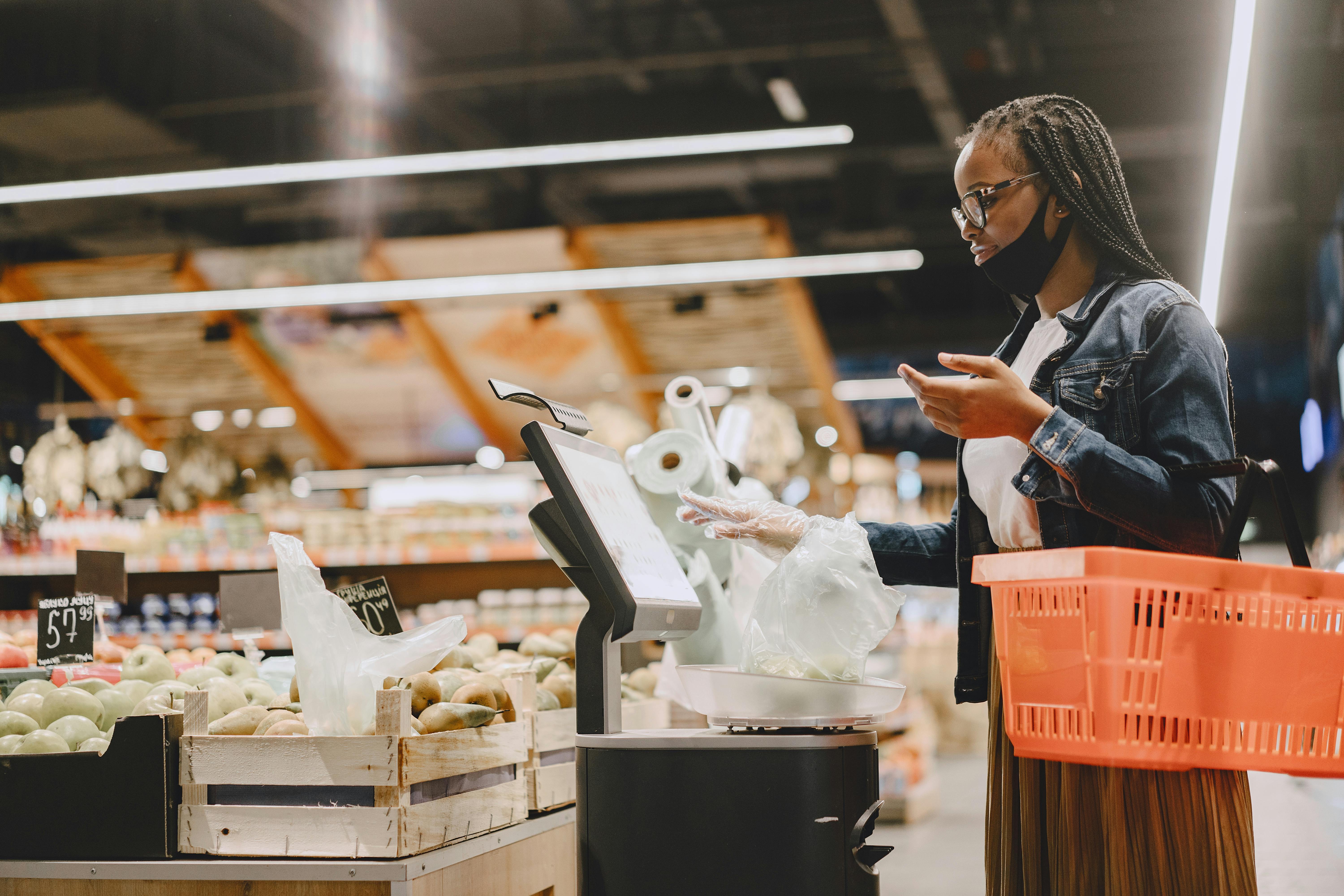
A more acceptable approach would be to reward off-peak shopping rather than punish peak shopping. Stores could offer morning-only discounts, loyalty points during slow hours, or app coupons that activate before lunchtime. That strategy still nudges behavior, but it feels more consumer-friendly because the baseline price remains the same.
Retailers can also reduce peak pressure operationally. Better forecasting, faster self-checkout, dedicated express lanes, improved curbside pickup scheduling, and stronger restocking plans can all ease congestion without changing shelf prices. Some chains have already leaned heavily into these tactics, especially as labor shortages and online grocery demand have forced more efficient store management.
Another option is targeted promotions on non-urgent items. If stores want to shift traffic, they can discount bulk goods, household supplies, or prepared foods during quieter windows. That can change shopping patterns without making staple groceries feel like they come with surge pricing.
The business risks retailers would have to weigh

Even if peak-hour pricing increased revenue in the short term, the reputational risk could be steep. Grocery is a low-margin, high-frequency business where repeat trust matters enormously. A shopper who feels nickeled-and-dimed on basics may not complain once, but may quietly switch stores, split trips across competitors, or move more spending online.
Competitive pressure would matter too. If one chain raises prices at 6 p.m. while another promises stable pricing all day, the simpler message may win. In many communities, value perception is as important as actual price, and retailers spend years building reputations around consistency, affordability, and fairness.
Regulatory scrutiny could follow as well. Lawmakers and consumer advocates have shown growing interest in algorithmic pricing across industries. Dynamic pricing on essential food items could attract attention quickly, especially if it appears to disadvantage lower-income households or neighborhoods with limited shopping options.
Should grocery stores actually do it?

My view is no, at least not in the form of charging more for essentials during the busiest hours. The economic logic is understandable, but groceries occupy a special place in daily life. When the product is basic food and the timing constraints are often unavoidable, fairness should outweigh theoretical pricing efficiency.
That does not mean stores must ignore crowding. They should use softer tools: off-peak discounts, smarter staffing, faster checkout technology, and clearer incentives for flexible shoppers. Those methods can improve operations without turning a gallon of milk into a variable-rate purchase.
In the end, peak-hour grocery pricing asks the wrong question. Instead of asking how to charge more when shoppers are busiest, retailers should ask how to serve those shoppers better without making essential goods feel like a luxury convenience.



Leave a Reply