
Most people worry about this more than they need to. In most situations, ordering the cheapest item on the menu is completely acceptable.
Why the price of your meal is usually your business

Dining etiquette starts with a simple principle: adults are generally allowed to choose what they want to eat. Price can be part of that choice, just like appetite, dietary needs, or taste. In ordinary restaurants, staff do not expect every diner to spend the same amount.
Restaurant servers typically care more about clarity, courtesy, and pacing than whether you picked the lowest-priced entrée. A guest who orders modestly but treats staff well is easier to serve than someone who spends freely but behaves poorly. In everyday dining, politeness matters more than price.
The exception is when someone else is paying and an unspoken social script is in play. Even then, the issue is rarely that your order was cheap. The real question is whether your choice fits the occasion and avoids making other people uncomfortable.
When ordering the cheapest item can feel awkward

Context changes everything. On a casual lunch with friends, nobody should be offended if you choose a soup, side salad, or budget special because that is what you want or what fits your finances. In fact, many people appreciate friends who order according to their real comfort level.
Awkwardness usually appears when your order seems performative rather than natural. If everyone is sharing several courses and you pointedly announce, "I'll just get the absolute cheapest thing," it can shift attention to money in a way that makes the table tense. The discomfort comes from the announcement, not the lower price.
Business meals create a slightly different standard. Career coaches and workplace etiquette experts often advise matching the general spending level of the host rather than pushing to the very top or bottom of the menu. In that setting, the safest choice is often a mid-range item that feels appropriate and unremarkable.
What if someone else invited you

A hosted meal carries its own etiquette. If a friend, relative, date, or colleague says, "My treat," it is considerate to order within the range they seem comfortable with. That does not mean you must spend more than you want, but it does mean reading the room.
Ordering the cheapest item can actually be seen as thoughtful when done quietly. Many hosts notice and appreciate restraint, especially at expensive restaurants. It signals that you are not taking their generosity for granted.
Still, there are cases where an ultra-cheap order can create its own problem. If everyone is having full entrées and you order only an appetizer because you are trying not to burden the host, they may feel they pushed you into an uncomfortable situation. A normal, modest order usually strikes the best balance.
Money, appetite, and dignity all belong at the table
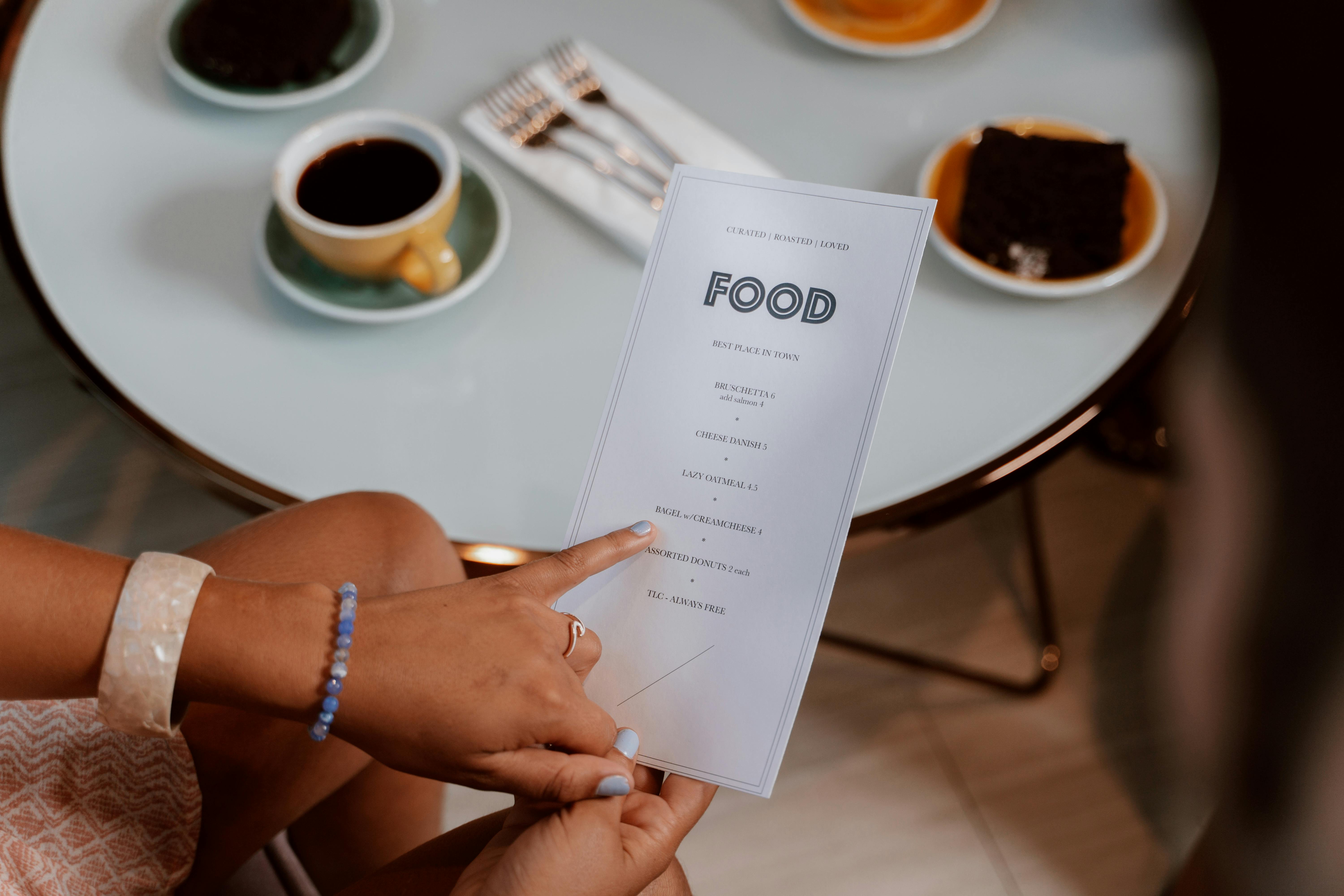
There are many valid reasons to choose the least expensive item. You may be saving money, avoiding waste, eating lightly, or simply preferring a basic dish. None of those reasons are embarrassing, and none require a public explanation.
Financial behavior research consistently shows that people feel social pressure to spend in group settings, especially around status occasions like dates or work dinners. That pressure is real, but etiquette should not punish people for being responsible. Good manners are not a luxury product.
The healthiest social norm is one that leaves room for different budgets. A person ordering pasta instead of steak should not be treated as cheap, and a person skipping alcohol should not be asked to justify it. Respecting private financial limits is a mark of maturity.
How to order cheaply without seeming uncomfortable
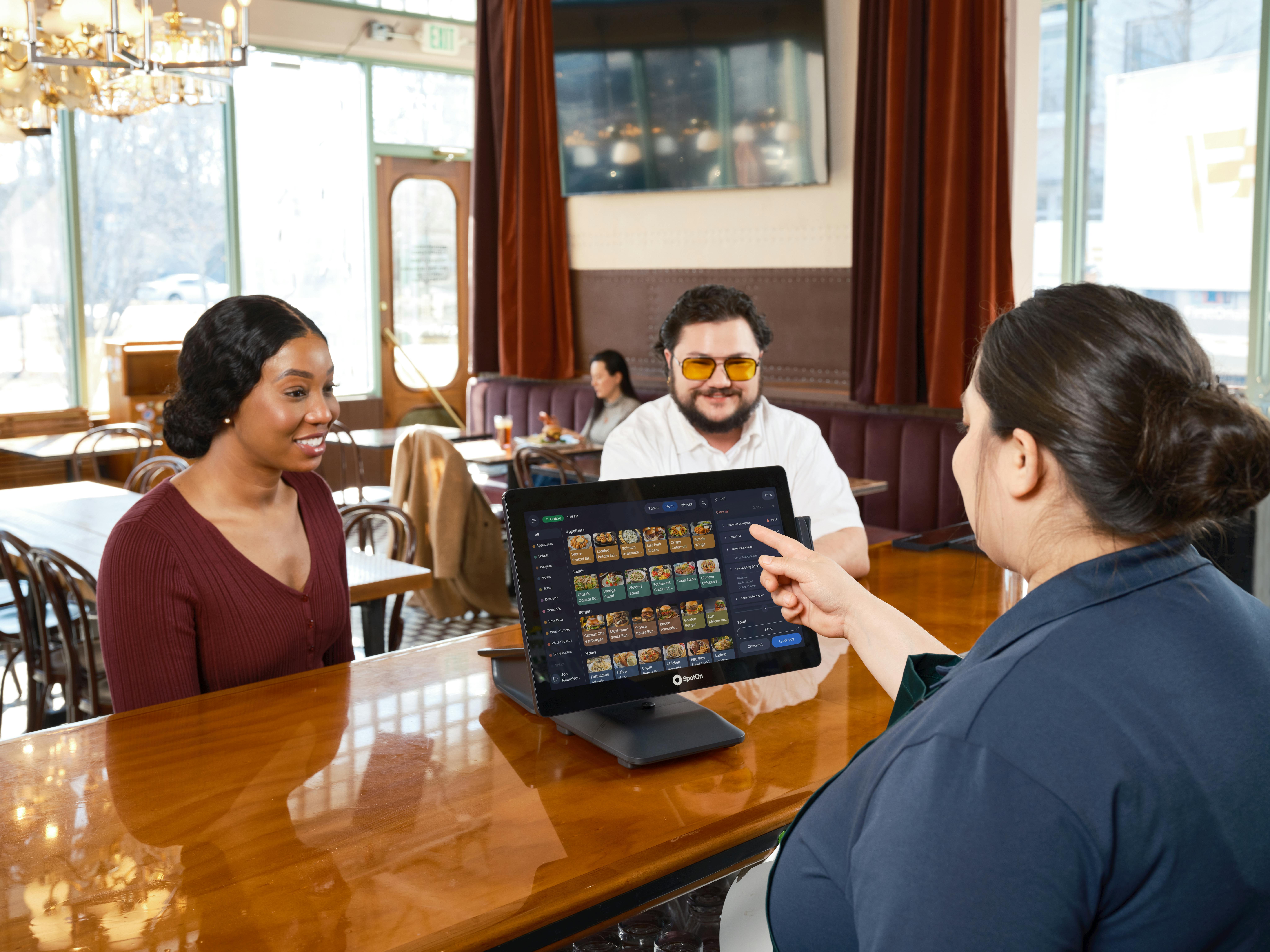
The smoothest move is to order simply and confidently. Choose your dish the way you would choose any other item, without apologizing, overexplaining, or turning it into a statement about cost. Confidence makes modest choices look normal because they are normal.
Language matters. Saying, "The roasted chicken sounds great," lands better than, "I'm getting the cheapest thing here." The first centers taste and preference. The second centers price and can unintentionally invite comparison or pity.
If you are worried about budget before the meal starts, practical planning helps. Suggest a casual place, review the menu in advance, or mention that you are in the mood for something light. Small steps like these protect both your wallet and the social ease of the group.
The bottom line on whether it is rude

In most cases, no, it is not rude to order the cheapest thing on the menu. It becomes awkward only when the choice clashes with the occasion, highlights money in a tense way, or makes a host feel you cannot relax. Etiquette is less about the number on the menu and more about social awareness.
A useful rule is to order in a way that is considerate, comfortable, and proportionate to the setting. If you are paying for yourself, choose what fits your budget. If someone else is paying, aim for a modest order that feels natural for the table.
Good manners do not require financial performance. They require respect for the people around you, respect for the staff serving you, and respect for your own limits. That is the standard that matters far more than whether your meal costs the least.




Leave a Reply