
A meal meant to solve a small inconvenience ended up reshaping global eating habits. Few foods have traveled farther, adapted faster, or fit modern life more perfectly than the sandwich.
A late-night request that became culinary legend

The most famous origin story begins with John Montagu, the 4th Earl of Sandwich, an 18th-century British aristocrat. According to long-repeated accounts, he asked for meat to be placed between slices of bread so he could keep eating while continuing to gamble. Whether the game was cribbage, cards, or another table pastime, the point was simple: he did not want greasy fingers, utensils, or a reason to leave his seat.
What matters is not only whether every detail of the legend is perfectly documented, but why it endured. The story survives because it explains the sandwich so well. It is portable, efficient, and tidy enough to fit a busy moment, which made it instantly believable as an invention born from convenience.
Historians often note that bread with fillings existed long before Montagu. People in many cultures wrapped, stacked, or enclosed food in bread for centuries. What Montagu appears to have supplied was not the first example of the form, but the social spark that gave it a memorable name and a powerful identity.
Why gambling culture helped the idea catch on

The gambling table was not just a place for risk. In 18th-century elite society, it was also a center of social life, masculine performance, wealth display, and long stretches of uninterrupted play. In that setting, any food that preserved momentum had an advantage. A meal that could be eaten one-handed without interrupting the game was more than clever. It fit the culture perfectly.
The sandwich spread because other men reportedly began ordering "the same as Sandwich." That phrase matters. It suggests imitation among status-conscious diners, the kind of social copying that often drives food trends. Once a dish becomes associated with a recognizable name, it becomes easier to repeat, request, and circulate.
This was also a period when clubs, coffeehouses, and taverns were important public spaces in Britain. Foods that could be served quickly in these settings had clear commercial value. The sandwich matched the rhythms of sociability and business, helping it move beyond aristocratic novelty into wider everyday use.
The true genius was convenience, not luxury

At its core, the sandwich solved several problems at once. It reduced mess, shortened eating time, and made food mobile in a way that many plated meals were not. Bread became both container and starch, eliminating the need for extra equipment. That simple design logic is one reason the sandwich has proven so durable across centuries.
Its success also reflects a broader truth about food history. The dishes that last are often not the most luxurious, but the most adaptable. A sandwich can be filled with roast beef, cheese, cucumber, eggs, pickles, or leftovers. It can be cheap or expensive, plain or elaborate, hot or cold, and still remain recognizably the same idea.
Industrialization later amplified this advantage. As urban workers faced tighter schedules and shorter meal breaks, portable foods became increasingly useful. By the 19th and 20th centuries, the sandwich fit factory life, rail travel, office lunches, school meals, and eventually airline trays, making it one of the defining foods of modern speed.
How a British nobleman's snack became a global staple
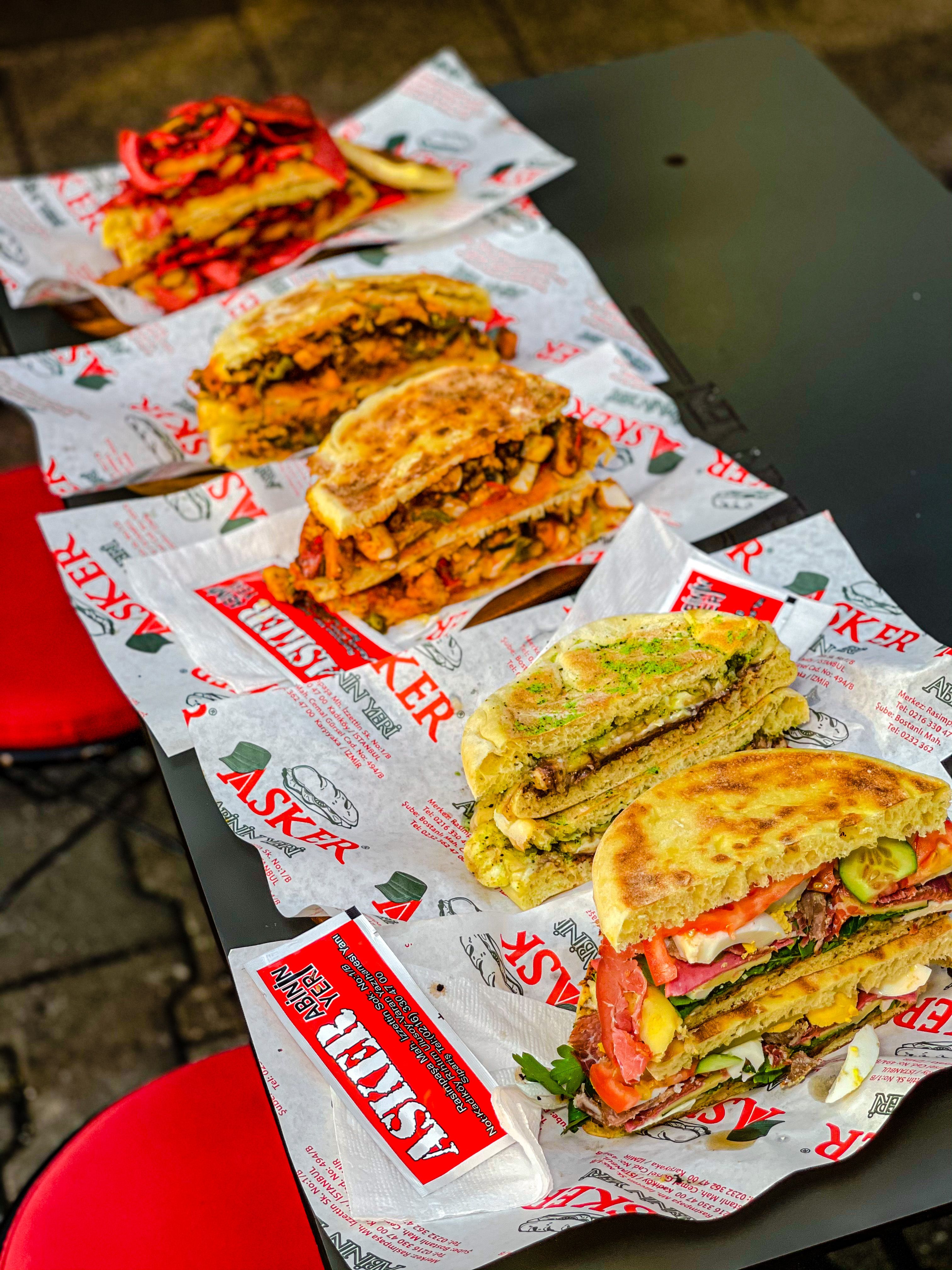
Once the concept spread, local cultures made it their own. Britain developed tea sandwiches, bacon sandwiches, and pub staples. The United States expanded the category dramatically with club sandwiches, peanut butter and jelly, deli subs, burgers, and grilled cheese. France refined the jambon-beurre, while Vietnam transformed the baguette into bánh mì through a complex history shaped by colonialism and local ingenuity.
Each variation reflects local economics, agriculture, and taste. In Mediterranean regions, olive oil, cured meats, and crusty loaves shaped sandwich styles. In Latin America, pressed and griddled sandwiches such as the Cuban became icons. In the Middle East, pita-based stuffed breads created parallel sandwich traditions rooted in older flatbread cultures.
What unites these versions is structure, not ingredients. The sandwich is really a system for organizing food into a compact, edible package. That flexibility allowed it to cross class lines and borders with unusual ease, moving from aristocratic table to street stall, lunchbox, café counter, stadium, and convenience store.
The sandwich changed not just food, but daily life
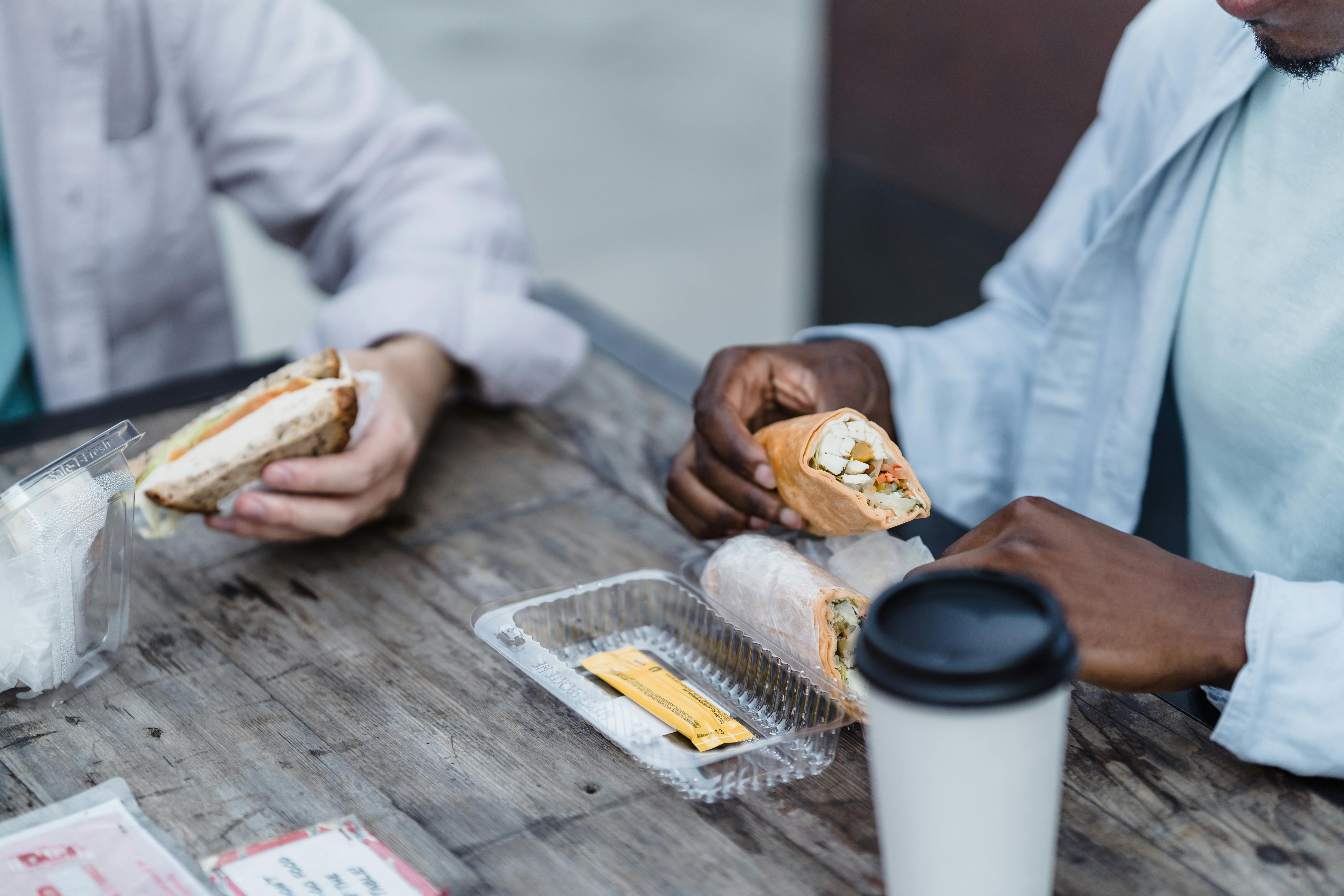
The rise of the sandwich influenced how people schedule meals. It made eating while working, traveling, or commuting more acceptable and far more practical. Over time, the lunch break itself became increasingly tied to foods that were fast to assemble, easy to carry, and simple to eat without ceremony. In that sense, the sandwich helped normalize modern informal dining.
It also transformed food retail. Delicatessens, lunch counters, railway kiosks, chain cafés, and supermarket prepared-food sections all benefited from sandwich demand. Because sandwiches can be standardized without losing appeal, they became ideal for mass service. That made them central to the economics of convenience food long before the rise of app-based delivery.
Nutrition debates have followed the sandwich as well. Depending on ingredients, it can be wholesome and balanced or highly processed and calorie-dense. Public health experts often point out that bread quality, portion size, sodium levels, and fillings matter enormously. The sandwich's influence is so broad precisely because it can mirror both the best and worst habits of modern eating.
A small invention with an enormous legacy

The Earl of Sandwich almost certainly did not invent the basic idea of putting food in bread. What he did, if the legend is broadly true, was help crystallize a format and give it cultural momentum. He stands at the point where a practical habit became a named dish, and a named dish became a global category.
That is why the story still resonates. It captures a timeless pattern in food history: an immediate, mundane need produces an idea with lasting consequences. One gambler wanted to avoid leaving the table. The result was a meal form that now feeds schoolchildren, office workers, travelers, athletes, soldiers, and diners in nearly every part of the world.
The sandwich endures because it is more than a recipe. It is an answer to modern life, elegant in its simplicity and endlessly open to reinvention. Very few foods can claim to be at once historical artifact, daily necessity, comfort meal, and global language. The sandwich can, and that is why its accidental rise changed eating forever.




Leave a Reply