
A salad can look like the safest thing on the menu. Sometimes, it is the most misleading.
Why the "healthy halo" fools smart eaters
The biggest trick is not the lettuce. It is the label. When a meal is described as fresh, clean, light, or wholesome, people often assume it must be lower in calories and better for them overall.
Nutrition researchers have long called this the "health halo" effect. A 2013 Cornell study found that people underestimated calories in meals from restaurants they viewed as healthy, sometimes by a wide margin. That matters because underestimation often leads to larger portions, extra sides, or dessert later.
Many fast-food meals are nutritionally transparent because people expect them to be indulgent. Salads, by contrast, often escape scrutiny. If a bowl contains fried chicken, creamy dressing, cheese, candied nuts, and a sweetened beverage on the side, the nutritional picture changes fast.
The toppings are often the real calorie bomb
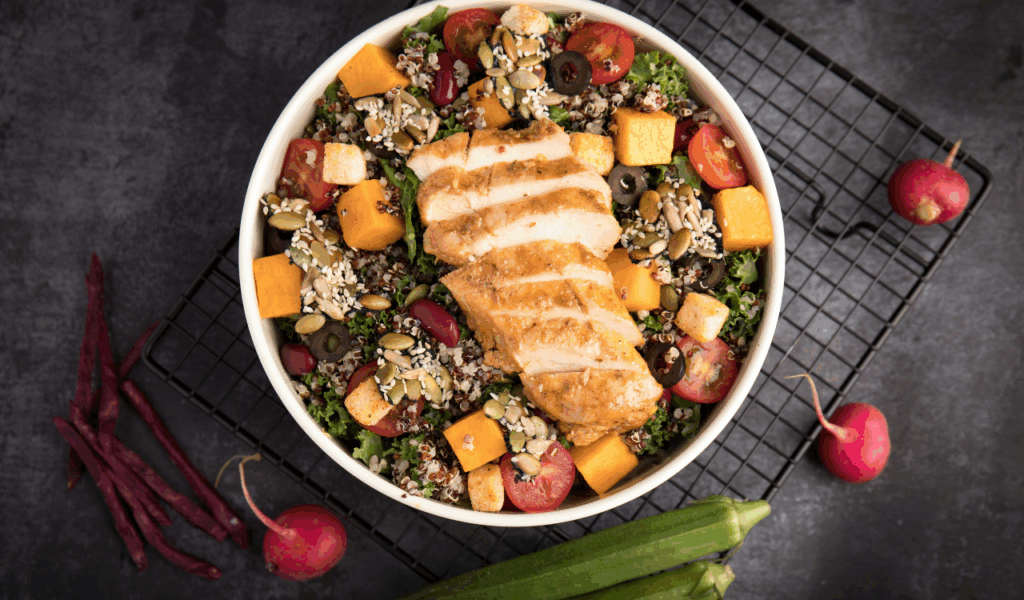
What turns a salad into a heavy lunch is usually everything added after the greens. Lettuce, cucumbers, tomatoes, and peppers are low in calories and rich in fiber, water, and micronutrients. The trouble begins with dense, highly processed toppings.
A large scoop of shredded cheese can add 100-200 calories. Crispy chicken may contribute another 300 or more, depending on breading and oil absorption. Croutons, bacon bits, tortilla strips, and creamy avocado-based sauces stack calories quickly while adding relatively little fullness.
Then comes the dressing. Just 2 tablespoons of ranch or Caesar dressing can add 120-160 calories, and many restaurant salads come with 4-6 tablespoons or more. According to the CDC, dressings are one of the most common ways healthy foods become high-calorie meals without people noticing.
Sodium and sugar can rival drive-thru meals
Calories are only part of the story. Restaurant salads can also be packed with sodium, which matters for blood pressure and cardiovascular health. Processed proteins, cheese, dressings, olives, pickled vegetables, and seasoned toppings all raise the total.
It is not unusual for a single entrée salad to exceed 1,000 mg of sodium. Some chain offerings go far beyond that, pushing close to or even above a full day's recommended limit when combined with soup, bread, or a drink. That is a serious issue for people trying to manage hypertension.
Sugar is another hidden problem. Sweet dressings, dried cranberries, glazed pecans, candied walnuts, and honey-coated chicken can create a meal that looks balanced but behaves more like a dessert-lunch hybrid. Blood sugar can rise quickly, especially if the salad is low in fiber-rich beans or whole grains.
Portion size changes everything
One reason salads can outperform burgers in the worst way is simple size. Restaurant salad bowls are often enormous, and because the food looks virtuous, people may eat until the container is empty rather than until they feel satisfied.
Portion distortion is common in casual dining and fast-casual chains. A salad marketed as a healthy entrée may contain enough ingredients for 2 servings, yet it is rarely presented that way. Consumers are left comparing a giant salad to a smaller burger without noticing the mismatch.
Energy density also plays a role. Greens alone are bulky and filling, but once oil, cheese, fried toppings, and refined carbs dominate the bowl, the meal becomes much more calorie-dense. At that point, the salad may no longer offer the fullness people expect from a high-volume food.
Fast food is not always the nutritional villain
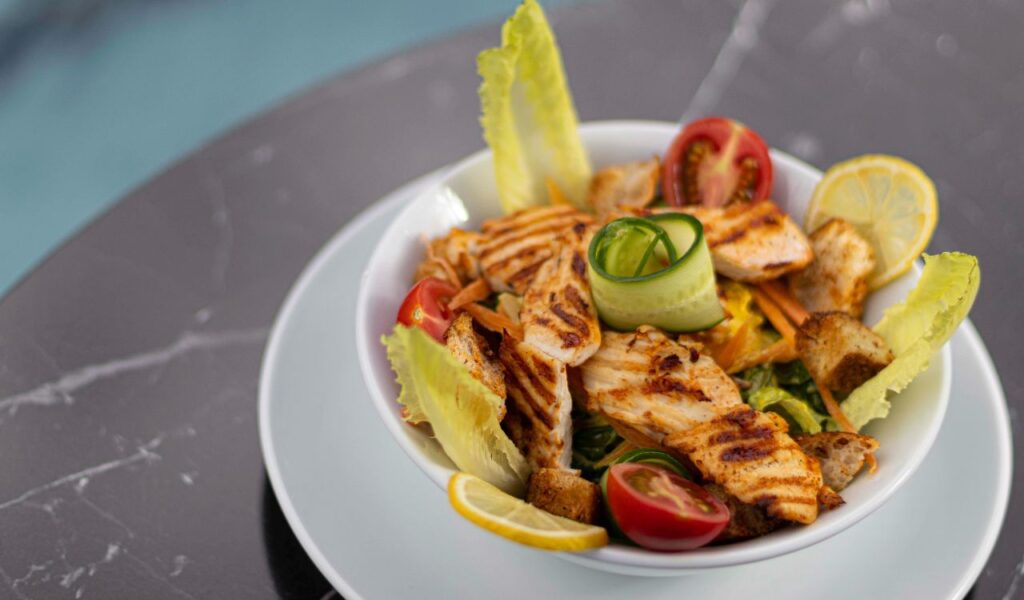
This is the uncomfortable part. In some cases, a basic burger can be nutritionally simpler than a loaded salad. A modest hamburger with mustard and vegetables may contain fewer calories, less sugar, and less sodium than a deluxe salad drenched in dressing.
That does not make fast food health food. It does mean the comparison should be based on nutrition facts, not assumptions. Some grilled chicken sandwiches, small chili bowls, or plain wraps can be more balanced than a salad built around creamy sauces and fried protein.
Several major chains now publish nutrition data, and side-by-side comparisons can be surprising. Consumers who check the numbers often find that the "better" choice on paper is not the one marketed with leafy greens. The lesson is to read the meal, not the mood it creates.
How to build a salad that actually deserves the label
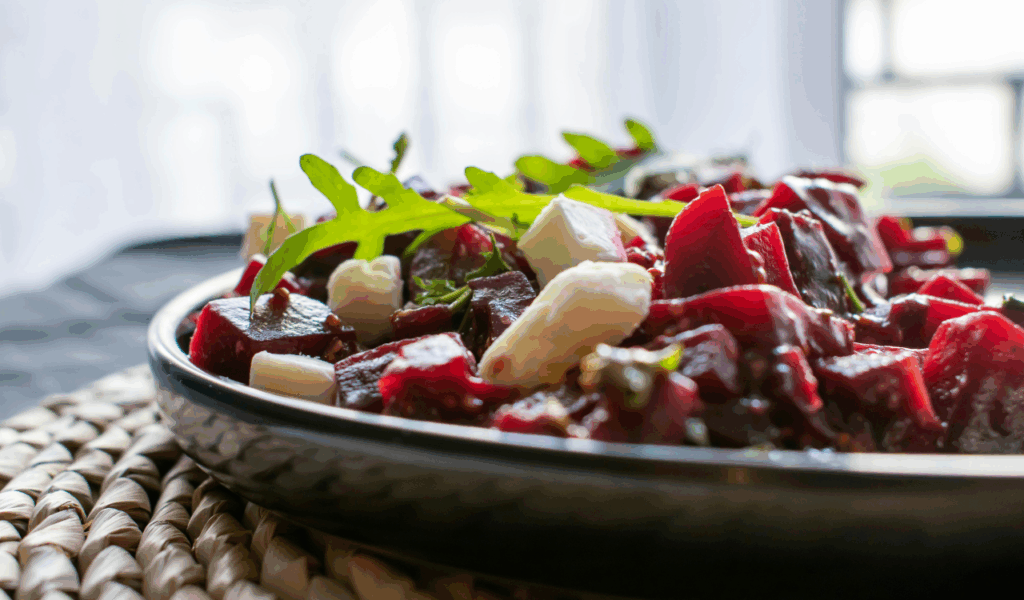
A genuinely healthy salad is still one of the best lunches you can eat. The formula is straightforward: start with a base of vegetables, add a lean protein, include fiber-rich ingredients, and use flavorful toppings with restraint.
Good choices include grilled chicken, salmon, tofu, beans, lentils, quinoa, chopped eggs, or edamame. Add crunch with seeds or a small portion of nuts instead of fried strips. Choose olive oil-based vinaigrette when possible, and ask for dressing on the side so you control the amount.
Watch the full meal, not just the bowl. Bread, chips, sugary tea, and oversized smoothies can undo an otherwise strong lunch. If you want a quick rule, aim for protein, fiber, color, and moderate dressing. A healthy salad should leave you nourished, not nutritionally ambushed.
Leave a Reply