Drinking used to feel like a social requirement. For Gen Z, it increasingly feels like a choice.
Gen Z Is Making Alcohol Optional, Not Automatic
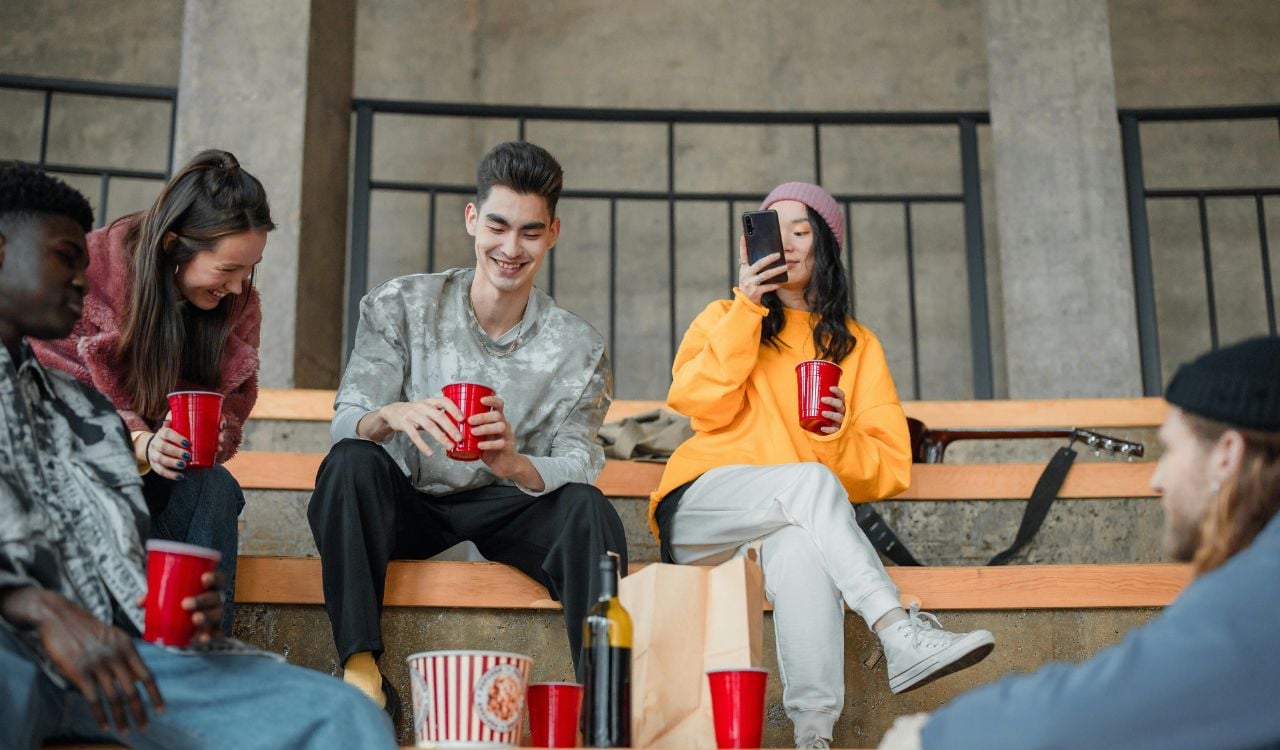
If there is one big shift happening in youth culture, it is this: alcohol no longer sits at the center of every social plan. For many Gen Z adults, drinking is not a badge of adulthood, a rite of passage, or the default way to relax. It is simply one option among many, and often not the most appealing one. That mindset is the engine behind the sober-curious movement, a broad cultural trend that encourages people to examine their relationship with alcohol without requiring permanent abstinence.
The phrase "sober curious," popularized by author Ruby Warrington, helped give language to a feeling many younger adults already had: you do not need to hit rock bottom or identify as addicted to question drinking. You can just decide that alcohol makes you feel off, drains your energy, disrupts your sleep, or no longer fits the life you want. That framing matters because it moves the conversation away from all-or-nothing thinking and toward intentionality. It also makes moderation feel socially legitimate in a way that once seemed awkward or defensive.
Data suggests this is more than vibe-based anecdote. Gallup reported in 2025 that alcohol use among U.S. adults had fallen to 54%, a record low in its trend, and among adults ages 18 to 34, the share saying they drink dropped from 59% in 2023 to 50% in 2025. Gallup has also documented a longer-term decline in young adult drinking, with average drinks consumed by 18-to-34-year-old drinkers falling from 5.2 per week in 2001-2003 to 3.6 in 2021-2023. According to Morning Consult, 22% of U.S. adults of drinking age said they were participating in Dry January in 2025, up 5 percentage points from the prior year.
What makes Gen Z different is not that no one drinks. Plenty still do. The difference is that drinking has lost its automatic social privilege. A party can revolve around mocktails, a coffee shop, a workout class, a dinner reservation, or a house gathering where nobody feels compelled to crack open a bottle just to prove they are having fun. That is a subtle change, but culturally, it is enormous.
Wellness Culture and Mental Health Are Driving the Shift
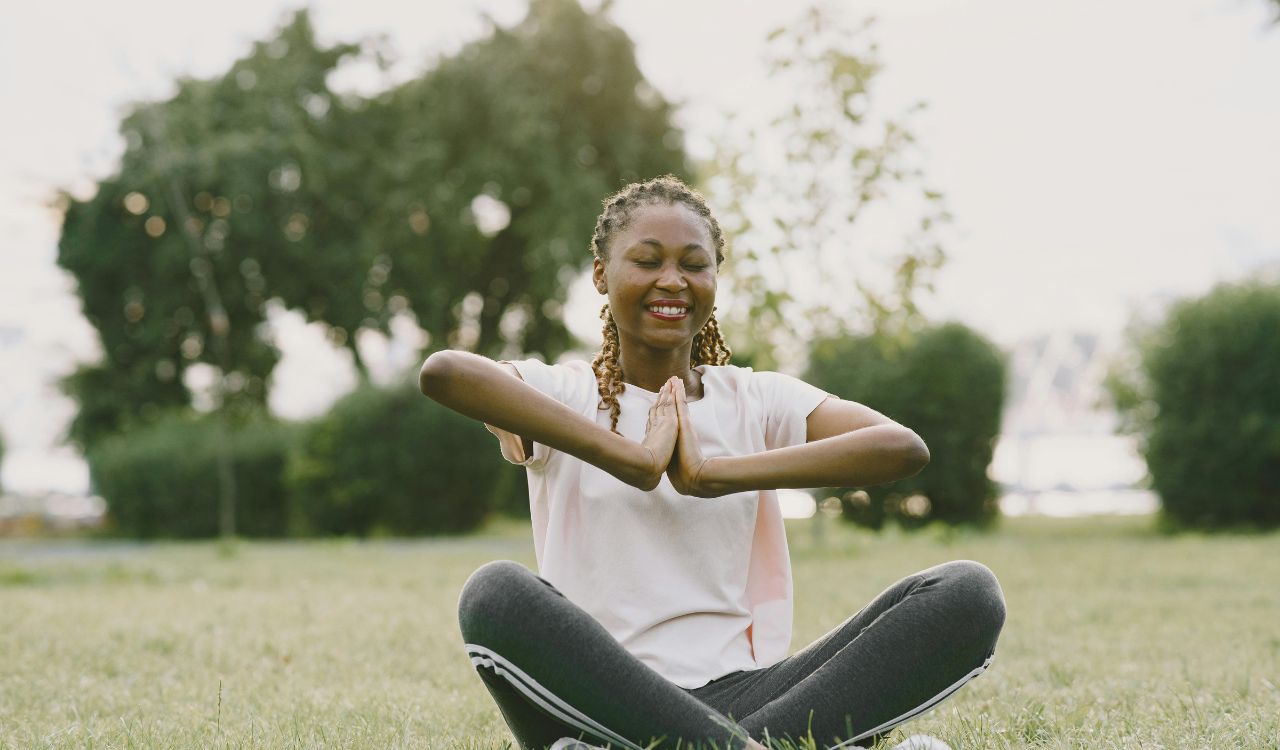
Gen Z came of age in a period when wellness stopped being niche and became mainstream language. Hydration, sleep quality, step counts, gut health, therapy, mindfulness, and recovery routines are now part of everyday conversation. Against that backdrop, alcohol has a branding problem. It clashes with a generation that tracks how it feels, notices cause and effect, and is less willing to accept "that's just what people do" as a satisfying answer.
Health information is a major part of that story. The World Health Organization says alcohol plays a causal role in more than 200 diseases, injuries, and other health conditions. In January 2025, the U.S. Surgeon General issued an advisory on alcohol and cancer risk, stating that alcohol consumption is directly linked to increased risk for several cancers and describing alcohol as the third leading preventable cause of cancer in the United States after tobacco and obesity. That kind of official messaging lands differently with younger consumers than it might have a generation ago, partly because they are used to receiving health information in real time and discussing it openly online.
Mental health is just as important as physical health in explaining the sober-curious rise. Younger adults have grown up in a culture far more comfortable talking about anxiety, burnout, depression, overstimulation, and sleep disruption. In that environment, alcohol is increasingly viewed less as stress relief and more as a potential accelerant. Plenty of Gen Z drinkers have learned the familiar cycle: a night out feels fun in the moment, but the next day brings poor sleep, low mood, racing thoughts, dehydration, and a sense that the tradeoff was not worth it.
That is why the sober-curious mindset often sounds practical rather than moralistic. It is less "alcohol is evil" and more "I actually like how I feel without it." A 2024 NCSolutions analysis found 61% of Gen Z respondents said they planned to cut back on alcohol consumption, up sharply from the year before, and more than one-third said going alcohol-free was tied to mental health. The movement is thriving because it fits the language of optimization and self-awareness. For a generation already trying to protect its attention, energy, and emotional stability, cutting back on alcohol feels less like sacrifice and more like alignment.
Social Media Changed the Drinking Script
Older generations often socialized in spaces where drinking was assumed and disappearing into the moment was part of the appeal. Gen Z socializes in a world where everything can be documented, screenshotted, reposted, and remembered. That changes the incentive structure dramatically. If your worst night can become permanent evidence, getting blackout drunk stops looking carefree and starts looking risky. The digital footprint factor is real, and it has quietly changed the emotional meaning of intoxication.
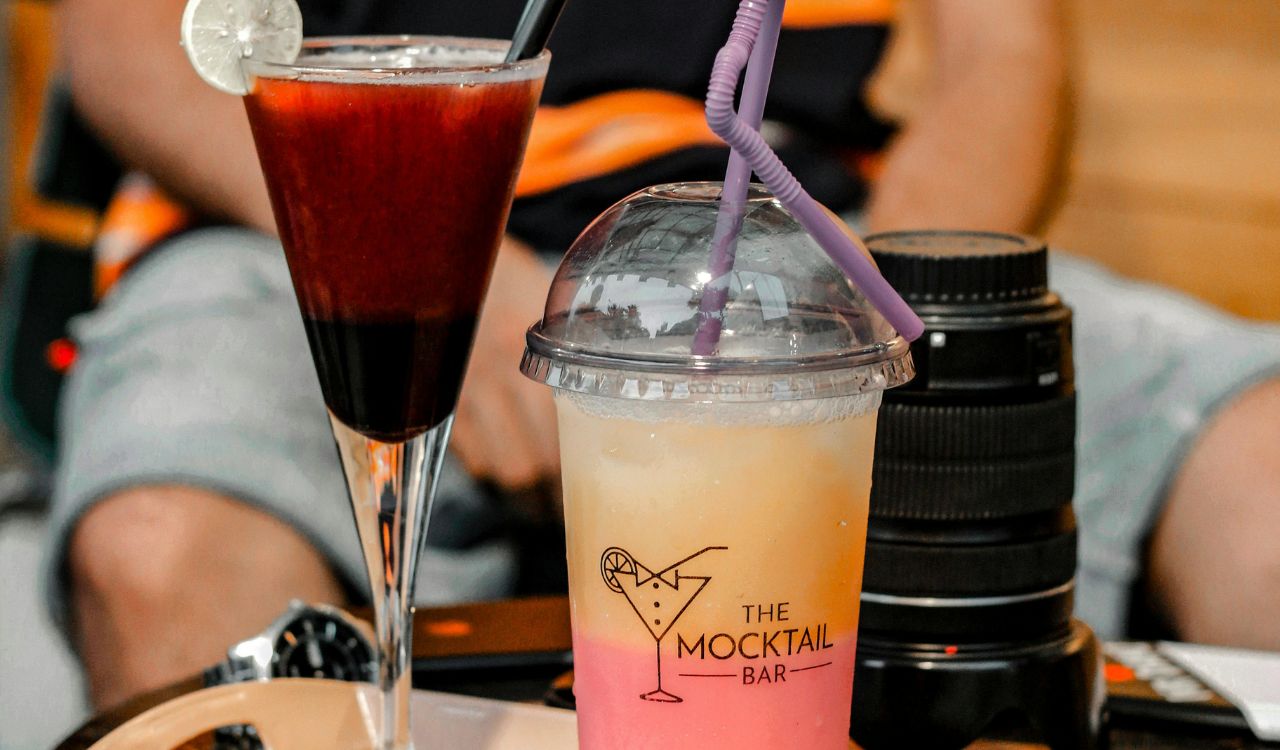
Social media has also helped normalize not drinking. On TikTok and Instagram, creators talk openly about sober months, alcohol-free dating, mocktail recipes, and the difference in their sleep, skin, focus, and anxiety after cutting back. That visibility matters because behavior spreads through social proof. When younger users see attractive, social, funny, productive people choosing not to drink, abstaining no longer reads as exclusion. It can actually read as self-possessed, stylish, and socially aware.
This is one reason the sober-curious movement has grown faster than old-school temperance messaging ever could. It is not being sold as deprivation. It is being presented as a lifestyle upgrade. Influencers document mornings without hangovers, nights out with zero-proof cocktails, and vacations that do not end in regret. The tone is aspirational but relatable: you can still go out, flirt, dance, celebrate, and travel, just without feeling wrecked the next day. That is a much more attractive proposition than simply being told to drink less for your own good.
There is also a broader shift in what counts as a good time. Sober-friendly events, pop-up dry bars, run clubs, late-night cafés, wellness retreats, and alcohol-free bottle shops all reflect a social economy that is widening beyond the bar. Industry researchers at IWSR reported in 2024 that the no-alcohol segment was adding more new buyers than the low-alcohol segment across 10 key markets, with consumption frequency driven in part by Gen Z and millennials. In other words, the cultural appetite for alternatives is not theoretical. It is showing up in behavior, spending, and product development.
The New Status Symbol Is Control
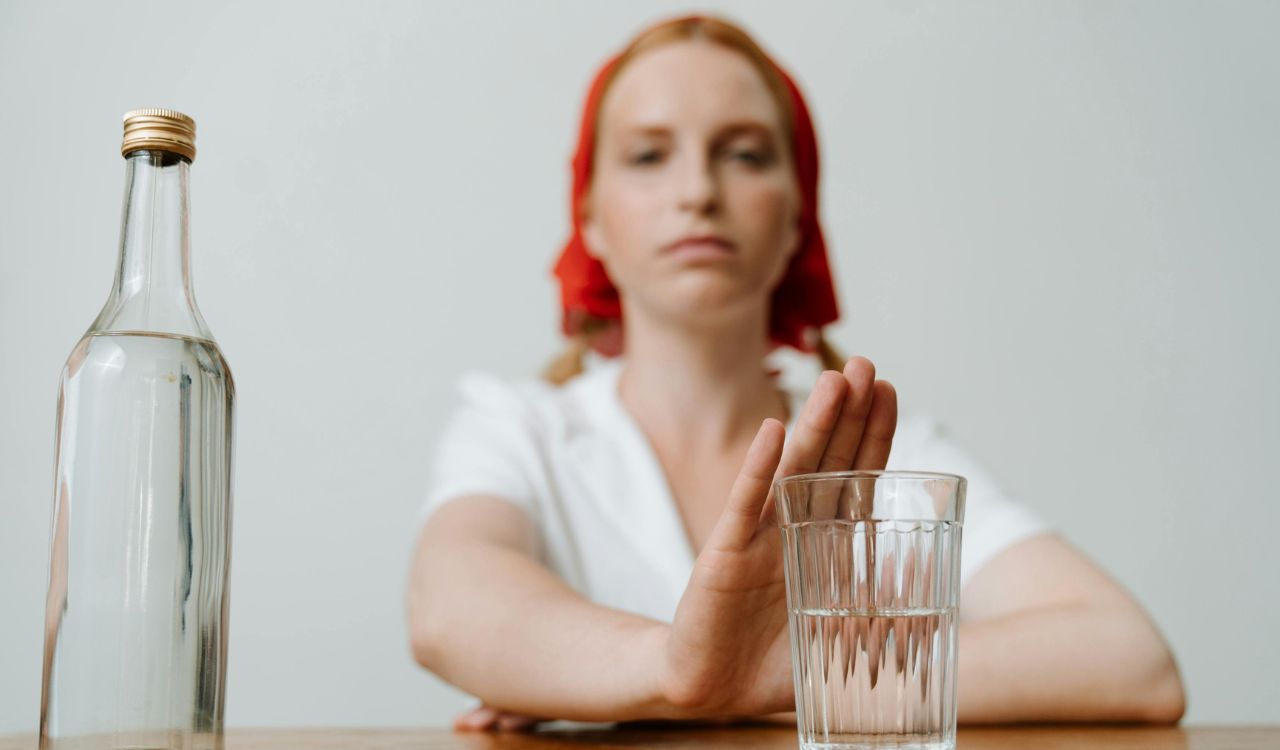
For a long time, drinking culture rewarded excess. Being the person who could take shots, stay out latest, and laugh off the aftermath carried a certain social currency. Gen Z seems less impressed by that performance. Increasingly, the higher-status move is having control over your choices, your body, your image, and your next day. Saying "I'm good with this" or "I'm not drinking tonight" can signal confidence rather than social awkwardness.
That change is tied to money as well as mindset. Young adults are dealing with expensive rent, student debt, unstable job markets, and a cost of living that makes wasting an entire next day feel especially costly. A heavy night out is no longer just a tab at the bar. It can mean rideshares, takeout, missed workouts, lost sleep, a wrecked Saturday, and lower productivity. For a generation that often feels financially squeezed, alcohol can look less like pleasure and more like an overpriced tax on tomorrow.
There is also a powerful identity component. Gen Z tends to value customization in nearly everything, from playlists and skin care to careers and relationships. Drinking habits are now part of that same personalized logic. Some people choose full sobriety. Others do Dry January, Sober October, alcohol-free weekdays, or one-drink limits. The point is not conformity. The point is agency. Sober curiosity fits because it gives people room to experiment without forcing them into a fixed label.
Importantly, this cultural shift should not be confused with addiction recovery, even though the two can overlap in public conversation. The sober-curious movement is primarily about mindful consumption, not clinical treatment. That distinction matters. It helps explain why the trend appeals to people who do not identify as having a substance use disorder but still dislike what alcohol does to their body, emotions, or routine. At the same time, health experts would stress that people who experience dependence or withdrawal need medical support, not just a wellness challenge. What Gen Z has done is broaden the middle ground, creating space for people to say, very simply, "I want less of this in my life."
Businesses, Bars, and Brands Are Adapting Fast
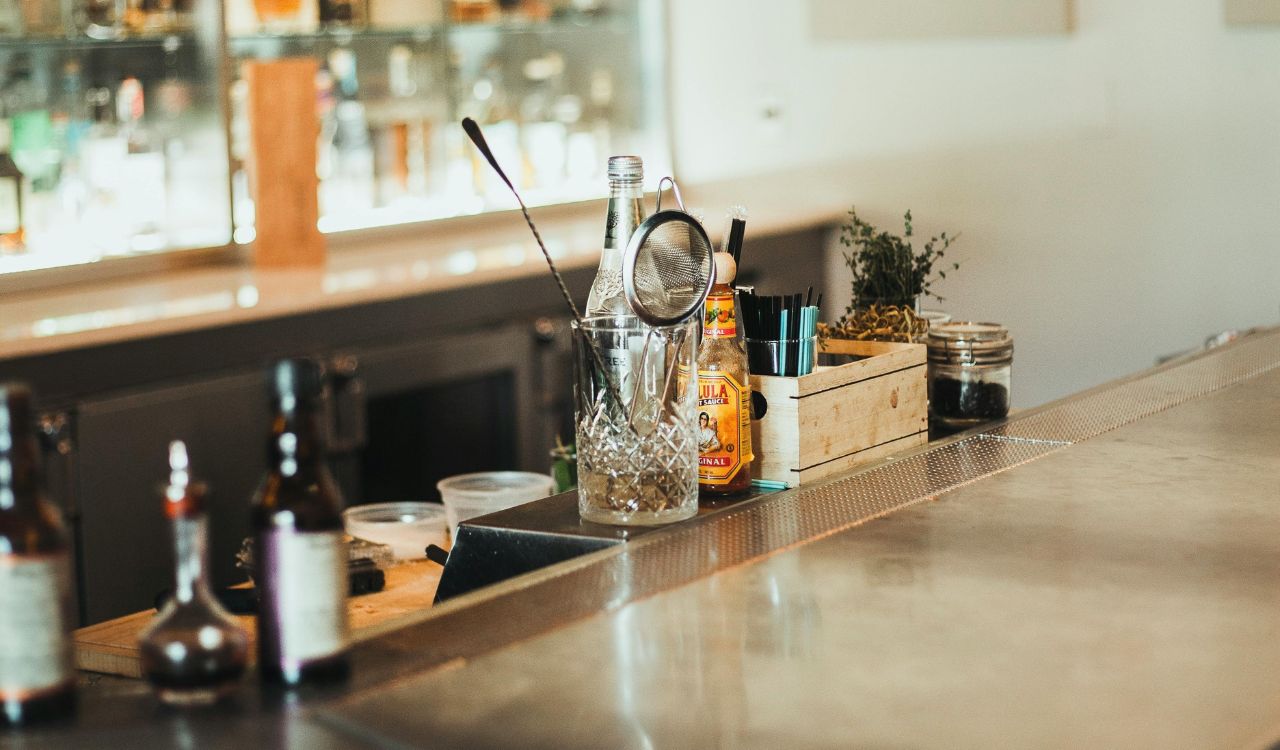
Whenever a generation changes its habits, the market eventually follows. That is exactly what is happening now. Restaurants, bars, retailers, and beverage companies have realized that younger consumers do not want to be stuck choosing between a vodka soda and plain club soda. They want drinks with flavor, ritual, branding, and social legitimacy, just without the alcohol. The growth of zero-proof spirits, nonalcoholic beer, canned functional beverages, and polished mocktail menus is a response to a real cultural demand, not a gimmick.
The no- and low-alcohol market has become one of the clearest business signals of this shift. IWSR said in 2024 that the no-alcohol category was expected to add more than $4 billion in growth by 2028 across key markets, with strong recruitment of new buyers and especially high engagement from younger cohorts. That helps explain why major brewers, spirit companies, and hospitality groups are investing more seriously in alcohol-free lines. What used to be a token option is becoming a competitive category.
The smartest brands understand that Gen Z is not merely rejecting alcohol. They are rejecting lazy drinking culture. They still want taste, design, discovery, and a feeling of occasion. That means the winners are often the companies that build alcohol-free products that feel adult and intentional rather than medicinal or childish. It also means venues that create inclusive social environments, where ordering a no-alcohol drink does not feel like opting out of the experience.
The bigger takeaway is cultural, not commercial. Sober-curious culture is growing because Gen Z has reframed the question. Instead of asking, "Why aren't you drinking?" more people are asking, "Why is drinking assumed in the first place?" Once that question enters the mainstream, everything starts to shift: parties, dating, hospitality, wellness, and the stories people tell about fun. Gen Z is not killing social life. If anything, it is redesigning it around clarity, choice, and fewer automatic habits. And that may turn out to be one of the most lasting cultural changes of the decade.