The freezer aisle is suddenly looking a lot more important. What used to feel like a backup option is becoming one of the smartest bets in modern food retail.
Why frozen vegetables are beating expectations

A stronger-than-expected year for frozen vegetables is not happening by accident. It reflects a convergence of consumer behavior, food economics, and better product quality that has been building for years. Shoppers are looking for foods that are practical, affordable, and reliable, and frozen vegetables happen to meet all three needs at once. In a grocery environment where price sensitivity remains high, that combination has become especially powerful.
Industry forecasts underscore the shift. A 2026 market analysis from Research and Markets valued the global frozen vegetables market at US$ 37.75 billion and projected it to reach US$ 55.94 billion by 2033, implying steady growth over the period. That kind of expansion does not come from novelty alone. It comes from frozen vegetables becoming a habitual purchase for households that want convenience without abandoning nutrition.
The category is also benefiting from a reset in how people define value. Fresh produce still carries strong appeal, but freshness in the store does not always translate into freshness on the plate. Many consumers now understand that vegetables frozen soon after harvest can preserve flavor and nutrients effectively, sometimes better than produce that has spent days in transit and storage. That realization has helped remove some of the stigma that long followed frozen food.
Retailers and major packaged food companies have noticed. Producers such as Conagra, General Mills, and Unilever, all cited in market reporting, continue to invest in product development, packaging, and distribution. What makes this year stand out is that frozen vegetables are no longer being carried by necessity alone. They are gaining momentum because people increasingly see them as a first-choice staple rather than a compromise.
Convenience is no longer a luxury, it is a requirement
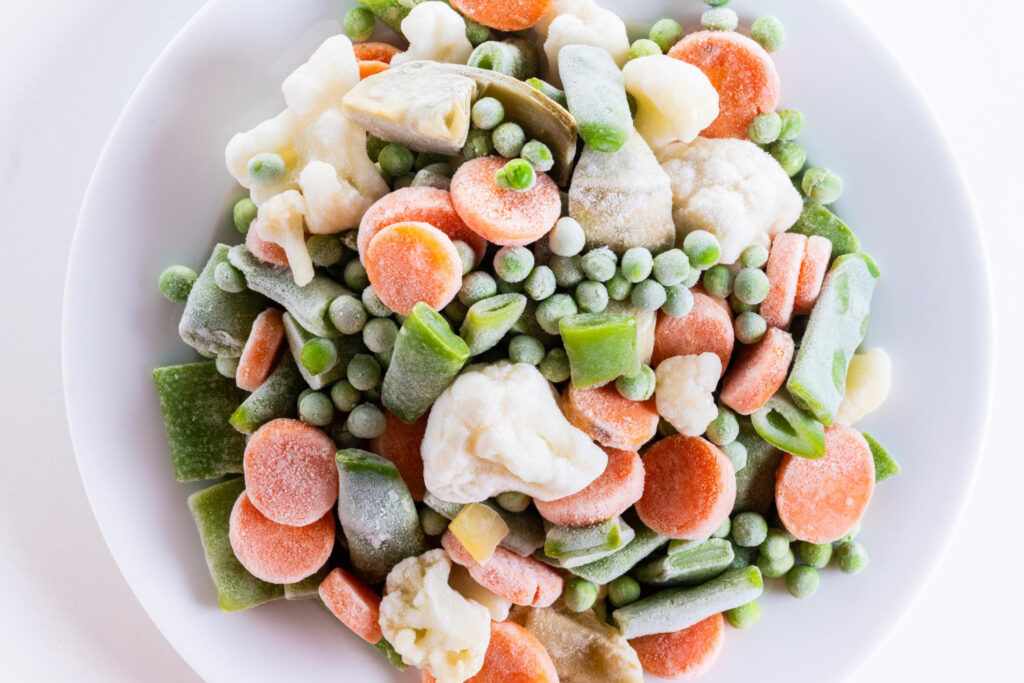
The modern meal has changed, and frozen vegetables fit that change almost perfectly. Many households no longer plan elaborate dinners every night, and fewer people have the time or patience to wash, trim, chop, and rescue produce before it spoils. A bag of frozen broccoli or mixed vegetables solves that problem in minutes. It offers portion control, little prep, and almost no stress, which is exactly what many shoppers want after long workdays.
This matters because convenience now shapes purchasing decisions across income groups. Frozen vegetables are not only for budget-conscious shoppers or large families. They appeal to young professionals, older adults, students, and health-minded consumers who want to cook quickly without giving up plant-based meals. A product that can move from freezer to skillet, microwave, soup pot, or sheet pan with minimal effort fits the rhythms of contemporary life.
Another advantage is consistency. Fresh vegetables can vary widely by season, region, and price, but frozen products offer a dependable year-round option. Peas in winter taste like peas in summer. Spinach behaves the same way in a smoothie or curry every time. That reliability matters for home cooks, meal preppers, and foodservice operations trying to control both quality and labor.
The rise of simple home cooking has strengthened the category even more. Frozen vegetables work in stir-fries, pasta dishes, rice bowls, omelets, casseroles, and soups, making them one of the most flexible items in the kitchen. As consumers continue to favor easy meal assembly over complicated recipes, frozen vegetables are benefiting from a practical truth. They remove friction from healthy eating, and products that do that tend to outperform expectations.
Nutrition and shelf life are a powerful combination
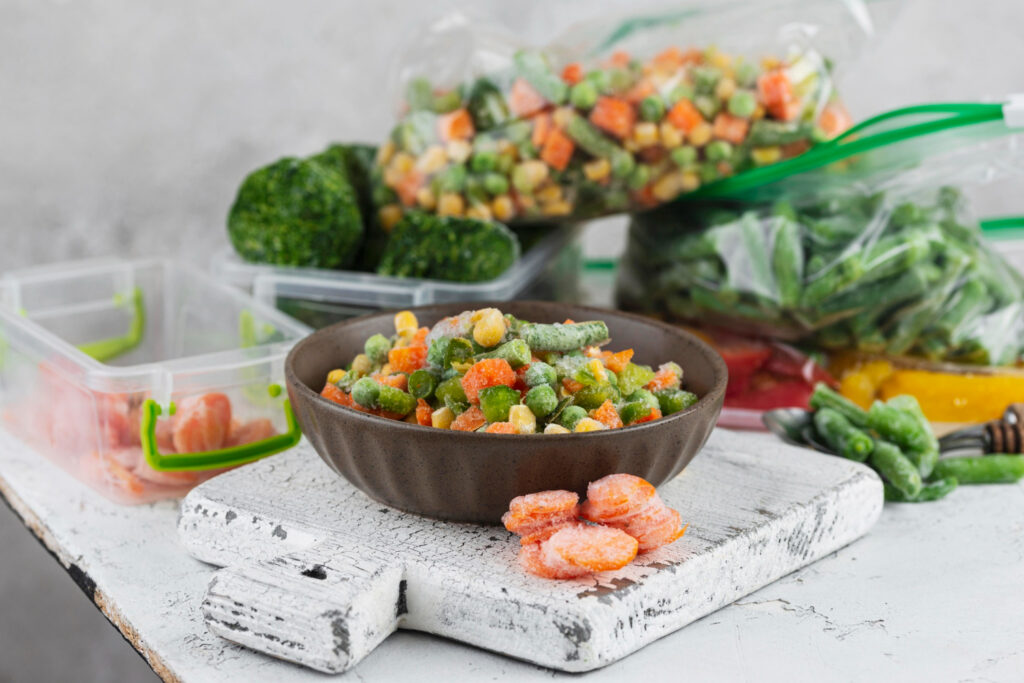
One of the biggest misconceptions about frozen vegetables is that they are nutritionally inferior to fresh ones. In reality, vegetables that are cleaned, cut, and flash frozen soon after harvest can retain much of their nutritional value. The freezing process helps lock in vitamins, texture, and flavor at a point when the produce is near peak quality. For many consumers, that has turned frozen vegetables from a fallback option into a credible nutrition choice.
That nutritional story becomes even more compelling when shelf life enters the picture. Fresh vegetables are aspirational purchases for many households, but they are also perishable and often wasted. A head of broccoli or a bag of green beans may be bought with good intentions and then lost to a busy week. Frozen vegetables offer a very different proposition. They wait until needed, making it easier to actually eat the vegetables people buy.
Food waste is not just a household concern. It is an economic one. Throwing away spoiled produce means throwing away money, and in periods of tighter budgets, consumers become more sensitive to that loss. Frozen vegetables reduce that risk through portioning and durability. A person can use exactly what is needed for a side dish, soup, or lunch prep and return the rest to the freezer, preserving both food and value.
This combination of nutrition, longevity, and portion control is especially attractive to health-conscious shoppers. People trying to eat more vegetables often struggle less with motivation than with practicality. If the goal is to add spinach to eggs, peas to pasta, or cauliflower to a weeknight dinner, frozen products lower the barrier. In that sense, the category is thriving not because people have suddenly become enthusiastic about frozen food, but because frozen vegetables solve real dietary problems in an efficient way.
Better freezing, packaging, and logistics changed the category
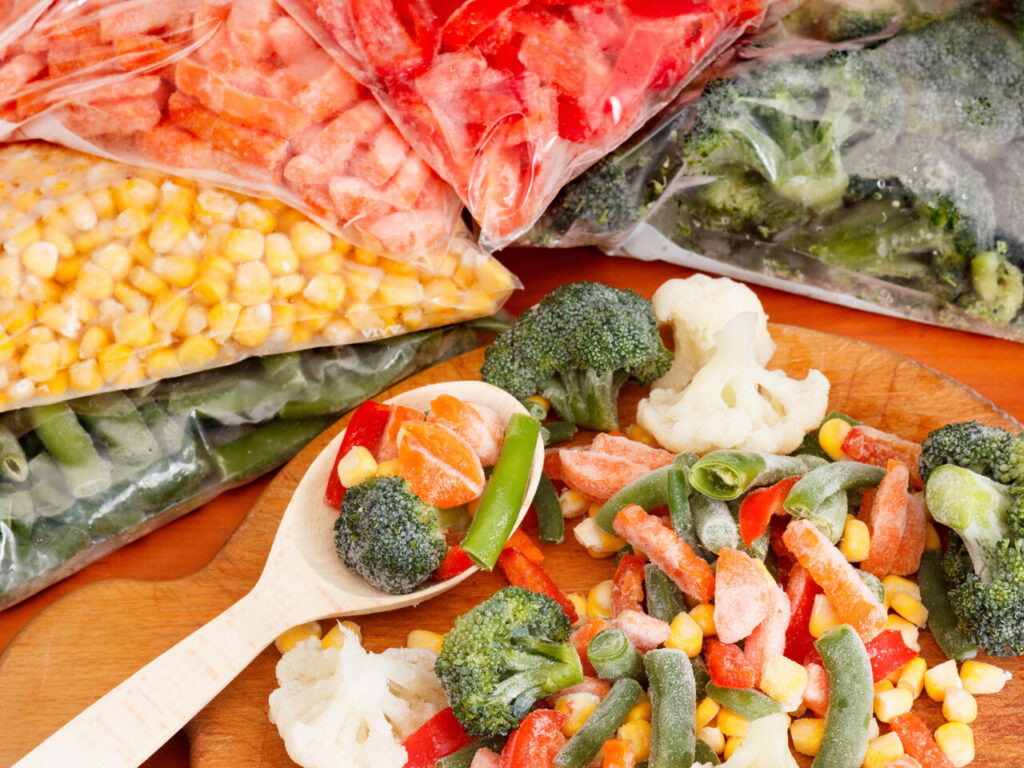
The frozen vegetable business is stronger today because the products themselves are better than they used to be. Advances in flash freezing, temperature control, and supply chain management have improved texture, color, and taste while reducing the quality issues that once discouraged buyers. Better cold-chain infrastructure means vegetables can move from field to processing to retail with greater consistency. That helps the final product feel less like a processed compromise and more like preserved produce.
Packaging has also become more sophisticated. Resealable bags, steam-in-bag formats, and clearer labeling have made frozen vegetables easier to use and easier to understand. Consumers respond well when packaging communicates both convenience and confidence. If a shopper can quickly see cooking instructions, ingredient simplicity, and serving suggestions, the product becomes more approachable, especially for people who are not confident cooks.
Sustainability is another factor gaining traction. According to market reporting, companies are increasingly focused on logistics efficiency, eco-friendly practices, and improved packaging. That matters because frozen vegetables can align with environmental goals in several ways. Their longer shelf life reduces food waste, and more efficient transportation and storage systems can help cut losses across the supply chain. For environmentally aware consumers, that strengthens the category's appeal.
Retail distribution has expanded the opportunity further. Better freezer capacity in supermarkets, club stores, discount chains, and online grocery channels has widened access in both developed and developing markets. Frozen vegetables are no longer confined to a narrow shelf of basic peas and corn. The assortment now often includes stir-fry blends, fire-roasted vegetables, riced cauliflower, seasoned sides, and global flavor profiles. As product variety improves, the category captures not just routine demand but also impulse and experimentation.
Price pressure has made frozen vegetables look even smarter
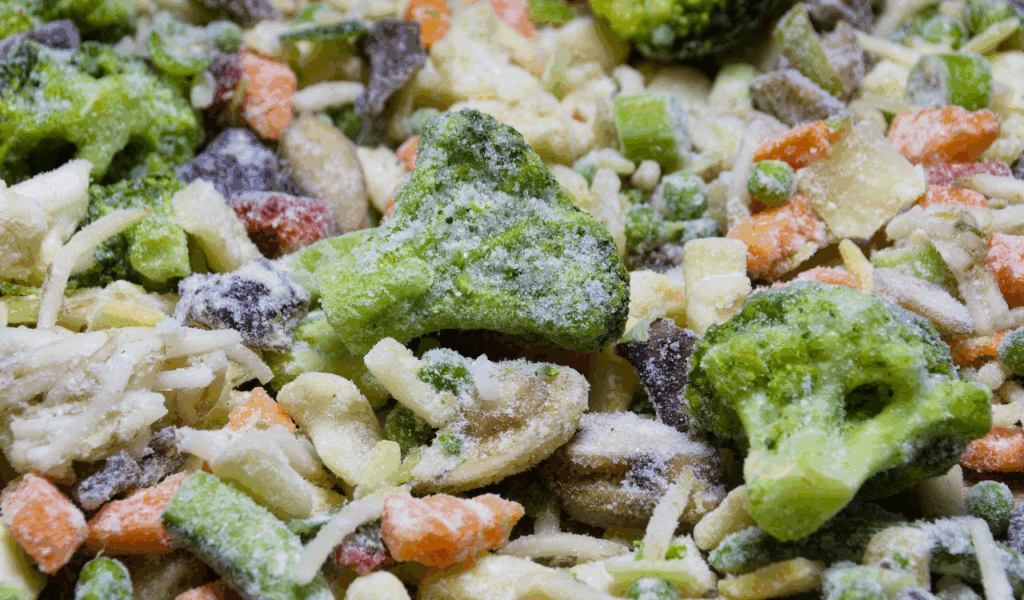
Inflation has changed how consumers think about grocery purchases, and frozen vegetables have emerged as one of the category winners. When food prices rise, shoppers look harder at cost per serving, spoilage risk, and meal versatility. Frozen vegetables perform well on all three measures. A single bag can stretch across multiple meals, and the odds of losing it to rot before use are far lower than with many fresh items.
This is especially important in households managing volatile budgets. Frozen vegetables offer predictability in a way that fresh produce sometimes does not. Seasonal swings, transportation issues, and weather disruptions can all affect the availability and price of fresh vegetables. Frozen products smooth out some of that volatility by preserving produce when harvest conditions are favorable and distributing it over a longer period. That creates a steadier value proposition for shoppers and retailers alike.
Restaurants, institutional kitchens, and prepared-food manufacturers also benefit from that predictability. Foodservice operators need reliable inventory with manageable labor requirements, and frozen vegetables help on both counts. They reduce prep time, improve yield, and limit waste. In schools, hospitals, cafeterias, and quick-service kitchens, that can have meaningful operational benefits, especially when labor remains expensive or hard to find.
The result is a broader customer base than many people assume. Frozen vegetables are not only a recession-friendly purchase. They are a rational purchase in almost any economic climate. During periods of strain, they help households save money. During periods of stability, they continue to offer convenience and consistency. That resilience is one reason the sector is having a better year than expected. It serves both short-term financial needs and long-term consumption habits, which is a rare and valuable combination.
What this stronger year means for the future of the aisle
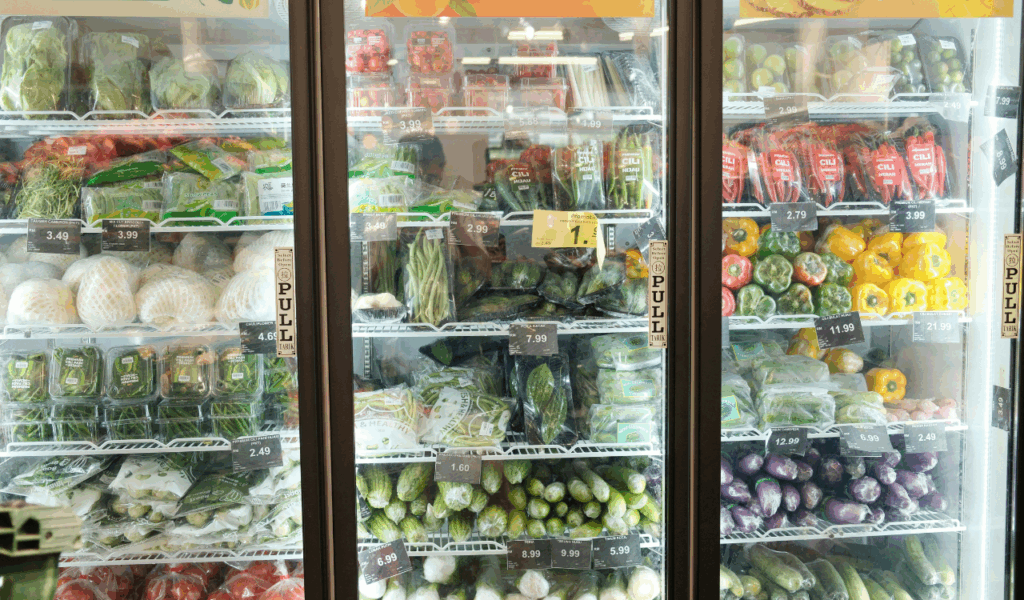
A better-than-expected year does not guarantee permanent dominance, but it does signal that frozen vegetables have moved into a more durable phase of growth. The category now sits at the intersection of several long-term trends: healthier eating, reduced food waste, urban lifestyles, and demand for quick meal solutions. Those trends are not disappearing. If anything, they are becoming more embedded in everyday shopping behavior.
Innovation will likely determine how much further the category can grow. Consumers increasingly want vegetables in forms that fit specific meal patterns, from smoothie-ready spinach portions to sheet-pan roasting blends and globally seasoned mixes. Companies that combine simplicity with flavor are well positioned to win. The challenge is to keep the products easy enough for routine use while making them appealing enough to feel like more than a pantry fallback.
Brand strategy matters too. For years, frozen vegetables were treated largely as interchangeable commodities. That is changing as companies invest in quality cues, sourcing claims, premium lines, and cleaner ingredient lists. If brands can convince shoppers that frozen vegetables are not just convenient but actually desirable, they can capture higher loyalty and possibly better margins in a category once defined mainly by price.
The deeper story is cultural. Frozen vegetables are benefiting from a more realistic idea of what good eating looks like. Not every healthy meal begins with a trip to the farmers market, and not every nutritious dinner needs extensive prep. A bag of frozen vegetables can support a practical, balanced diet in ways that match how people actually live. That is why the category's strong year feels bigger than a temporary boost. It looks more like a correction in how consumers value usefulness, quality, and everyday nutrition.