The newest convenience foods are not just about taste or novelty. They are a quiet record of what weeknight life feels like when work runs late, commutes drag on, and dinner still has to happen. From snack-style meals to heat-and-eat shortcuts, these products show how the 6 PM crunch has become one of the most influential forces in the grocery aisle.
Dinner Has Become a Low-Energy Task
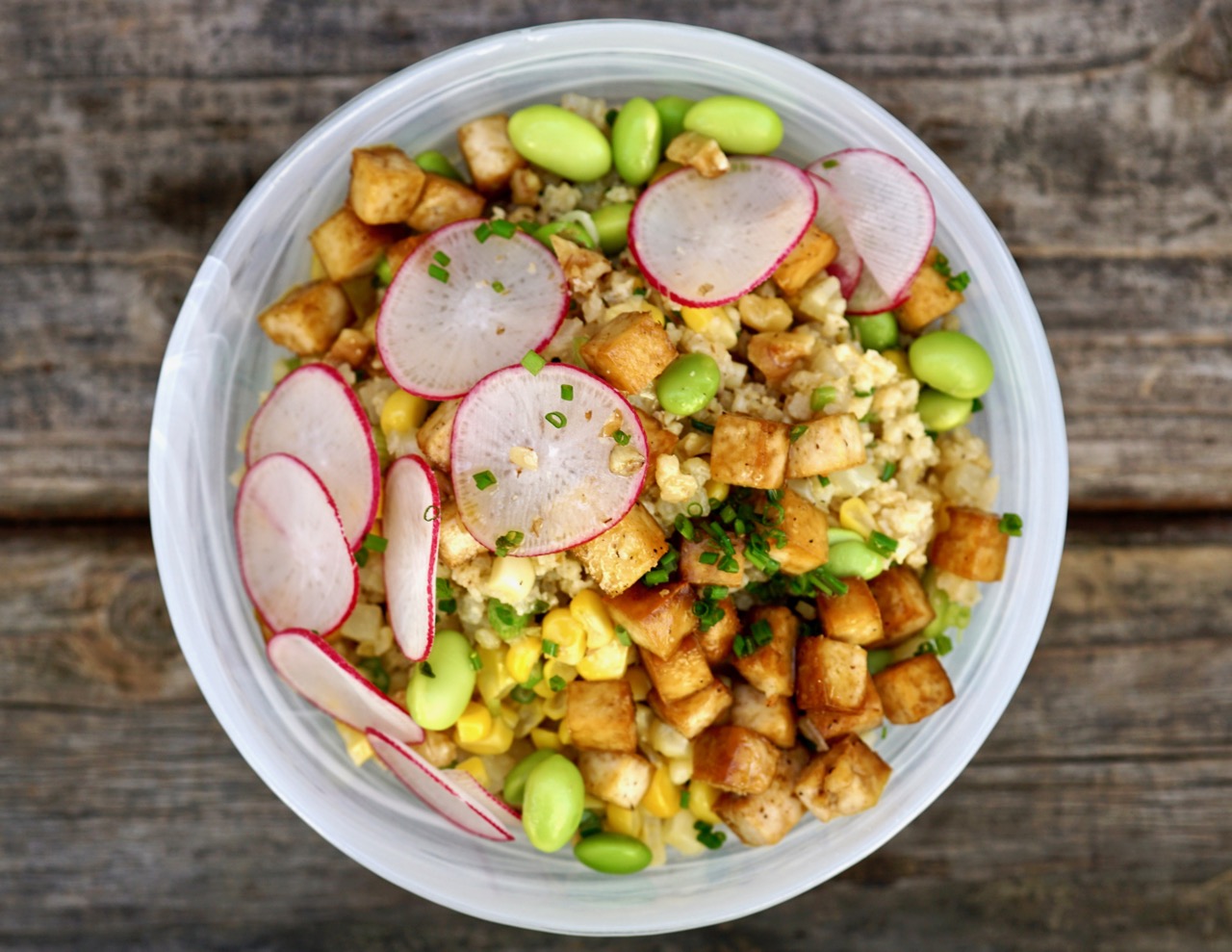
The clearest message from new convenience foods is simple: dinner is now designed for people running on fumes. Grocery shelves are packed with meals that ask almost nothing of the cook, from skillet kits to microwaveable grain bowls, because the average evening leaves little room for prep, cleanup, or decision-making.
This shift is tied to more than laziness, and brands know it. Long workdays, hybrid schedules that blur stopping time, child care logistics, and mental overload all peak right around 6 PM. Convenience foods increasingly promise relief before they promise culinary excitement.
That is why packaging now leads with words like "ready in minutes," "one pan," and "heat and eat." The product is dinner, but the real thing being sold is a little bit of rescued energy.
Snackification Is Replacing the Traditional Meal

One major clue is the rise of foods that blur the line between dinner and snacking. Adult lunchables, protein snack packs, dipping trays, mini wraps, and cheese-and-cracker boards are increasingly marketed as satisfying evening meals, not just things to nibble before one.
That says a lot about modern appetite and attention. By 6 PM, many people are too tired to cook a full plate, and sometimes too tired to even want one. Smaller, pick-and-eat formats feel easier because they remove serving, slicing, and planning.
Food companies have responded by building meals out of bite-size parts that feel casual and flexible. It is less about the ceremony of dinner and more about getting enough fuel without creating another task.
The Freezer Aisle Now Sells Emotional Relief

Frozen food has changed its image dramatically. It is no longer just bargain lasagna and basic vegetables. Today the freezer is full of global bowls, air-fryer appetizers, restaurant-inspired entrées, and family-size comfort foods that look like backup plans for people who are one inconvenience away from ordering takeout.
The appeal is not only speed. Frozen meals offer certainty, and certainty matters when everyone is tired. You do not need to chop, season, or wonder whether the ingredients in the fridge are still good.
That feeling of safety is a powerful selling point. New convenience foods increasingly act like insurance for chaotic evenings, giving households a way to avoid both cooking fatigue and expensive last-minute delivery.
Assembly-Only Meals Are Built for Decision Fatigue

Meal kits used to promise an enjoyable cooking experience. Many of today's convenience versions promise something much more realistic: almost no decisions. Pre-marinated proteins, chopped vegetable packs, sauce pouches, and taco kits ask consumers to assemble dinner rather than truly cook it.
That distinction matters because decision fatigue is one of the biggest hidden forces in evening eating. After a full day of solving problems, answering messages, and managing schedules, even deciding what goes with what can feel draining.
Retailers have learned to reduce every extra step. The more dinner can resemble adult coloring inside the lines, the more attractive it becomes to people trying to get food on the table without using their last bit of focus.
Single-Serve Foods Reflect Staggered Evenings

Another clue is the explosion of single-serve meals and individual portions. Bowl meals, solo soups, one-person pasta trays, and microwave rice cups fit a reality where family members often eat at different times because work shifts, activities, commuting, and screen-filled schedules rarely line up neatly.
This is not just about living alone, though that matters too. It is also about households that no longer gather at one exact dinner hour. Convenience foods have adapted to fragmented evenings by making dinner modular and personal.
The result is a grocery landscape built around flexibility over ritual. Instead of one shared meal, many people now need several easy options that can be heated whenever a tired body finally makes it to the kitchen.