Bulk buying is not the bargain bonanza it used to be, but some foods still make real financial sense in Canadian households. The trick is choosing staples with long shelf lives, steady everyday use, and price-per-unit savings that hold up even after inflation. From pantry basics to freezer heroes, these are the foods many Canadians still buy in bulk because the math usually works in their favour.
Dried Beans
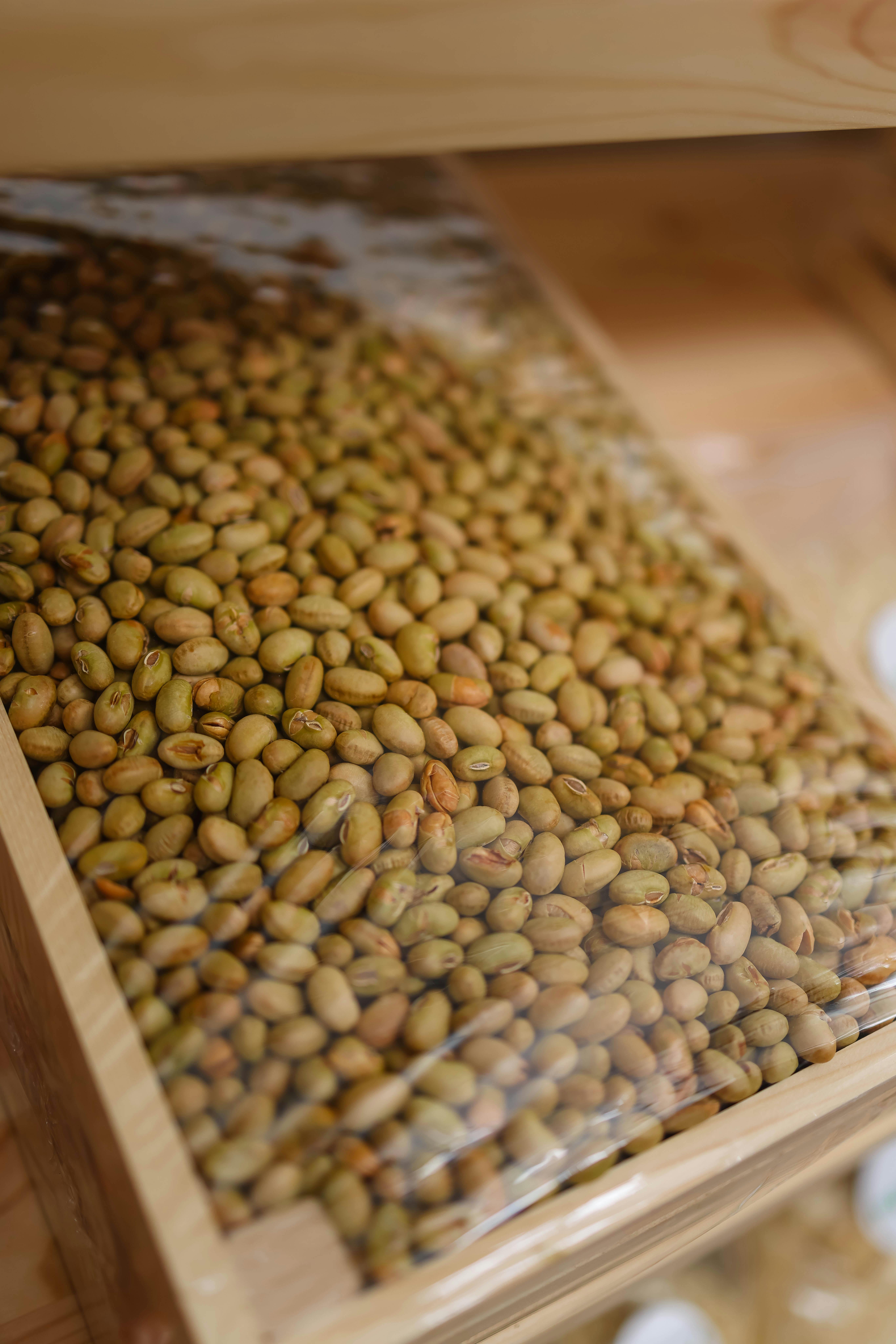
Dried beans reward patience with some of the best value in the store. Black beans, chickpeas, lentils, and kidney beans often cost far less per serving than canned versions, especially when bought in large bags from warehouse clubs or ethnic grocers.
That matters more than ever as Canadians look for affordable protein. Beans bring fibre, minerals, and staying power to meals, making them useful in chilis, stews, salads, and meatless dinners that still feel substantial.
Their long shelf life is the real advantage. If they are kept sealed and dry, bulk quantities are easy to work through over time. For households that cook regularly, the savings add up quietly, one pot at a time.
Oats
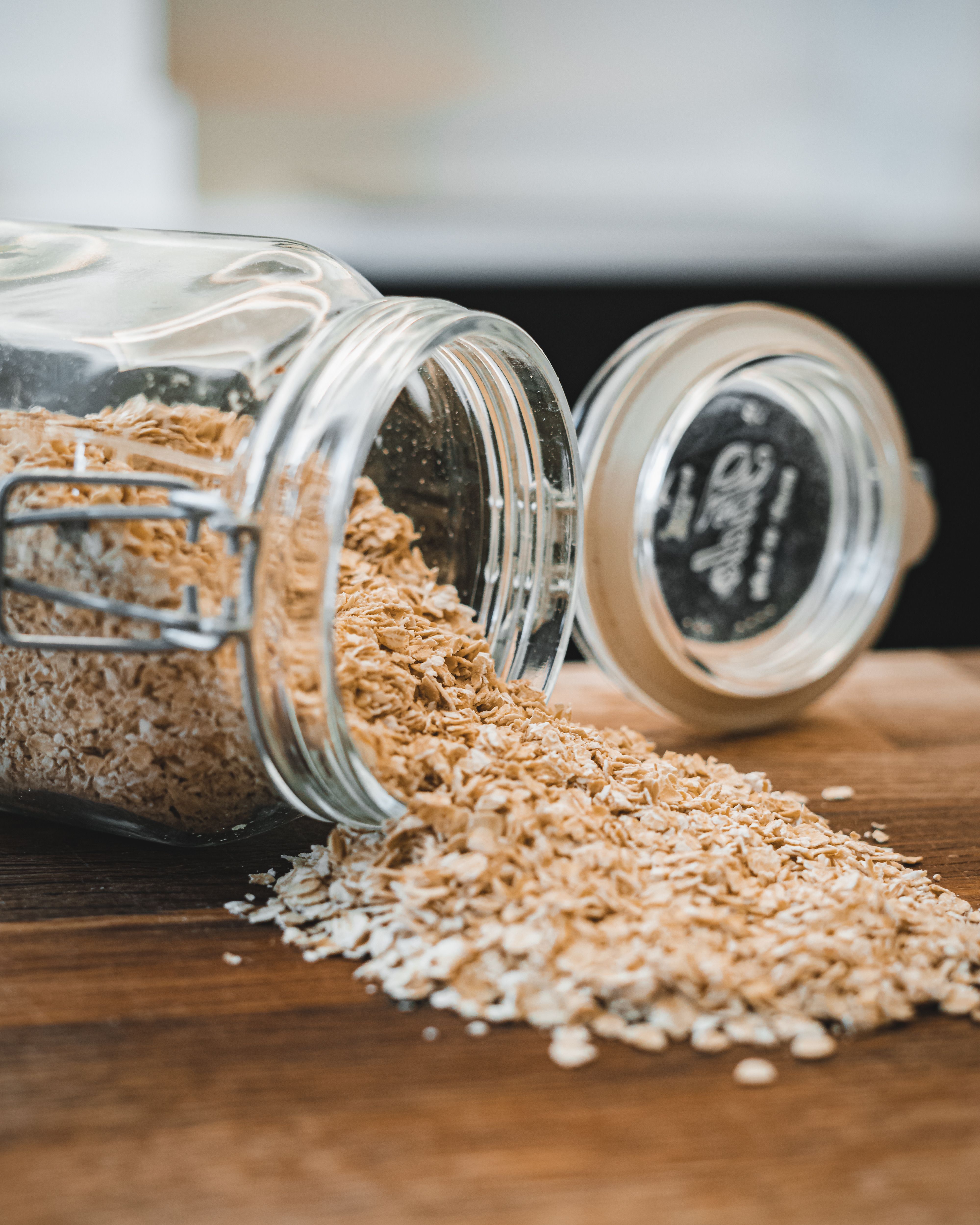
Oats are one of those rare staples that are both frugal and genuinely useful every day. In Canada, large bags or boxes of rolled oats usually beat smaller packages on unit price, and the product keeps well enough to justify stocking up.
Breakfast is the obvious use, but oats do more than porridge. They bulk up muffins, smoothies, cookies, crisps, and even meatballs, which gives them a broader role than many pantry staples.
Because oats are inexpensive to begin with, the savings may not look dramatic at first glance. Still, for households that use them consistently, bulk buying cuts cost on a food that is nutritious, filling, and easy to store for months.
Flour
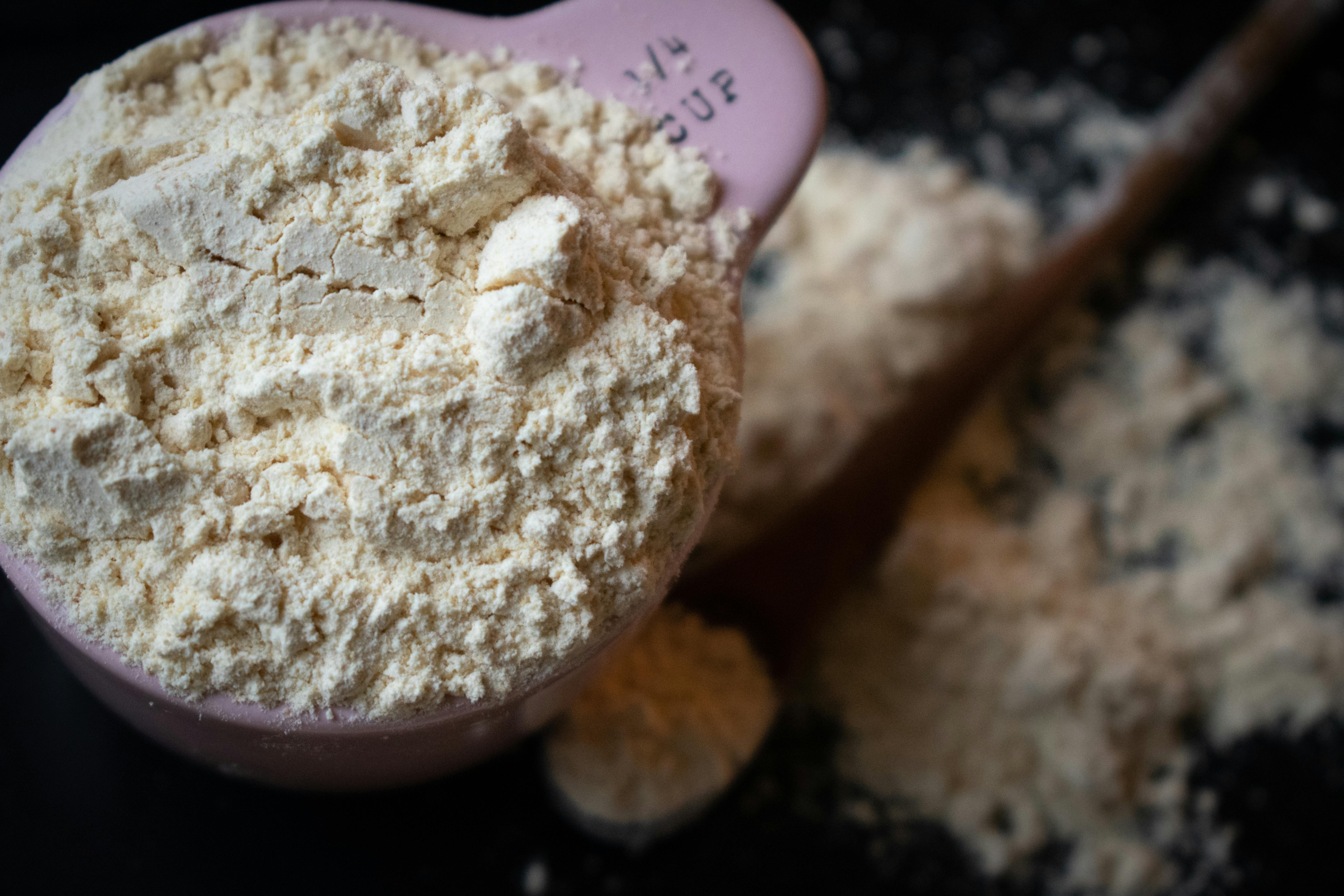
Flour still earns its place on the bulk-buy list, especially for people who bake regularly or cook from scratch. A large sack of all-purpose flour often comes with a lower price per kilogram, and that difference becomes meaningful if bread, pancakes, muffins, or pizza show up often at home.
In Canada, where grocery prices have pushed many people back toward homemade basics, flour has become a practical savings tool. A simple loaf or batch of biscuits can stretch the food budget better than many packaged alternatives.
The catch is storage. Flour needs a cool, dry space and a sealed container to stay fresh and pest-free. If that is manageable, buying bigger quantities can still be a smart move.
Pasta
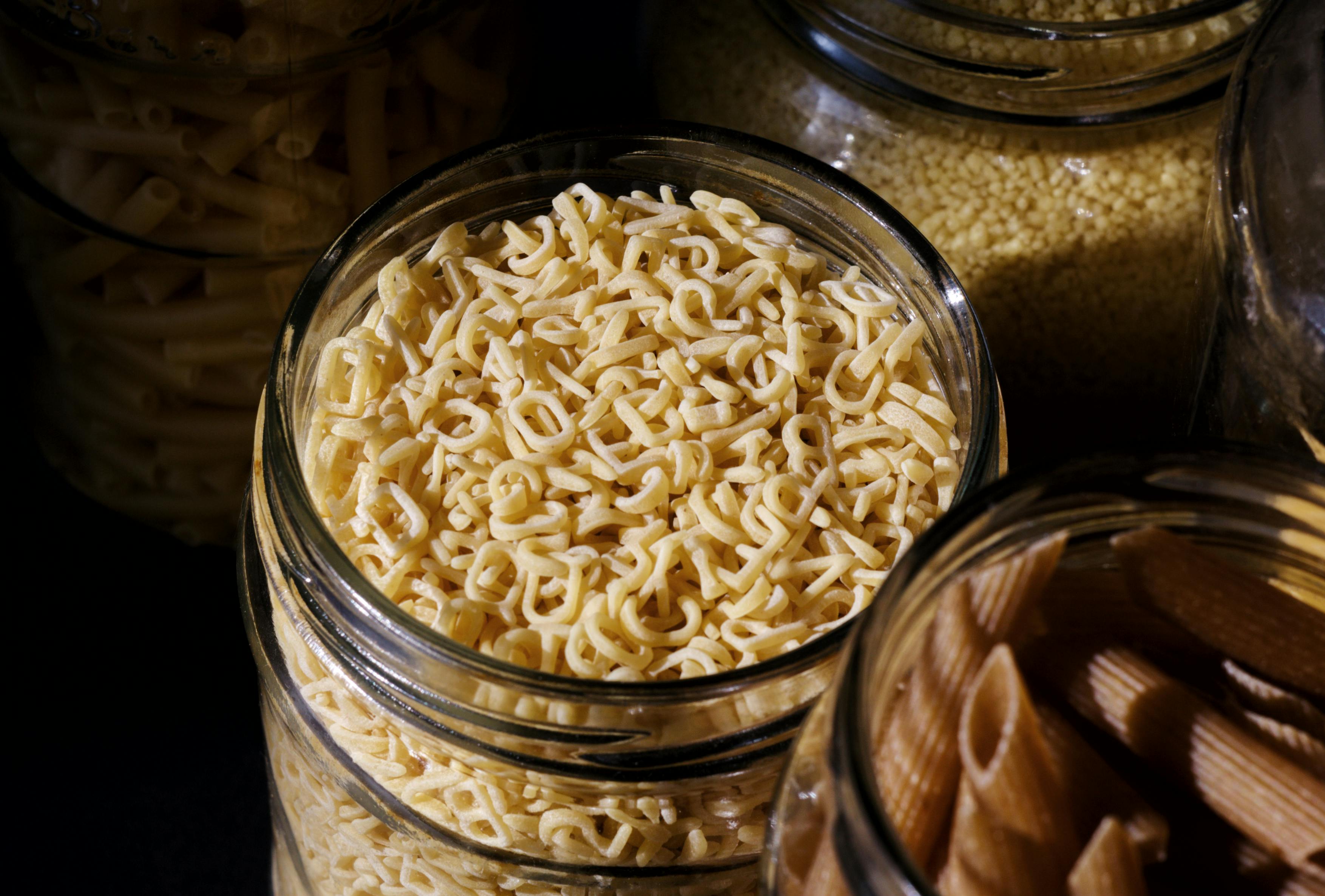
Pasta keeps winning because it is affordable, easy to store, and almost endlessly adaptable. In many Canadian stores, multipacks and larger quantities lower the price per 100 g, which matters for a staple people reach for all year.
A box of spaghetti can become dinner with little more than butter, garlic, canned tomatoes, or a handful of vegetables. That flexibility is exactly why bulk pasta stays relevant in tight budgets and busy households.
It is also low risk. Dried pasta has a long shelf life, takes up modest space, and rarely goes to waste if your family enjoys it. When a sale lines up with a larger package format, it is still one of the easiest smart buys in the aisle.
Frozen Vegetables

Frozen vegetables are the practical answer to a familiar problem: fresh produce is healthy, but it spoils fast. Bulk bags of peas, broccoli, corn, and mixed vegetables often give Canadians better value than fresh versions, especially outside peak growing seasons.
They also reduce waste, which is where a lot of grocery money disappears. You pour out what you need, return the bag to the freezer, and skip the guilt of limp produce in the crisper drawer.
Nutritionally, frozen vegetables hold up well because they are typically processed soon after harvest. That makes them a strong bargain for soups, stir-fries, casseroles, and side dishes when convenience and cost need to work together.
Chicken
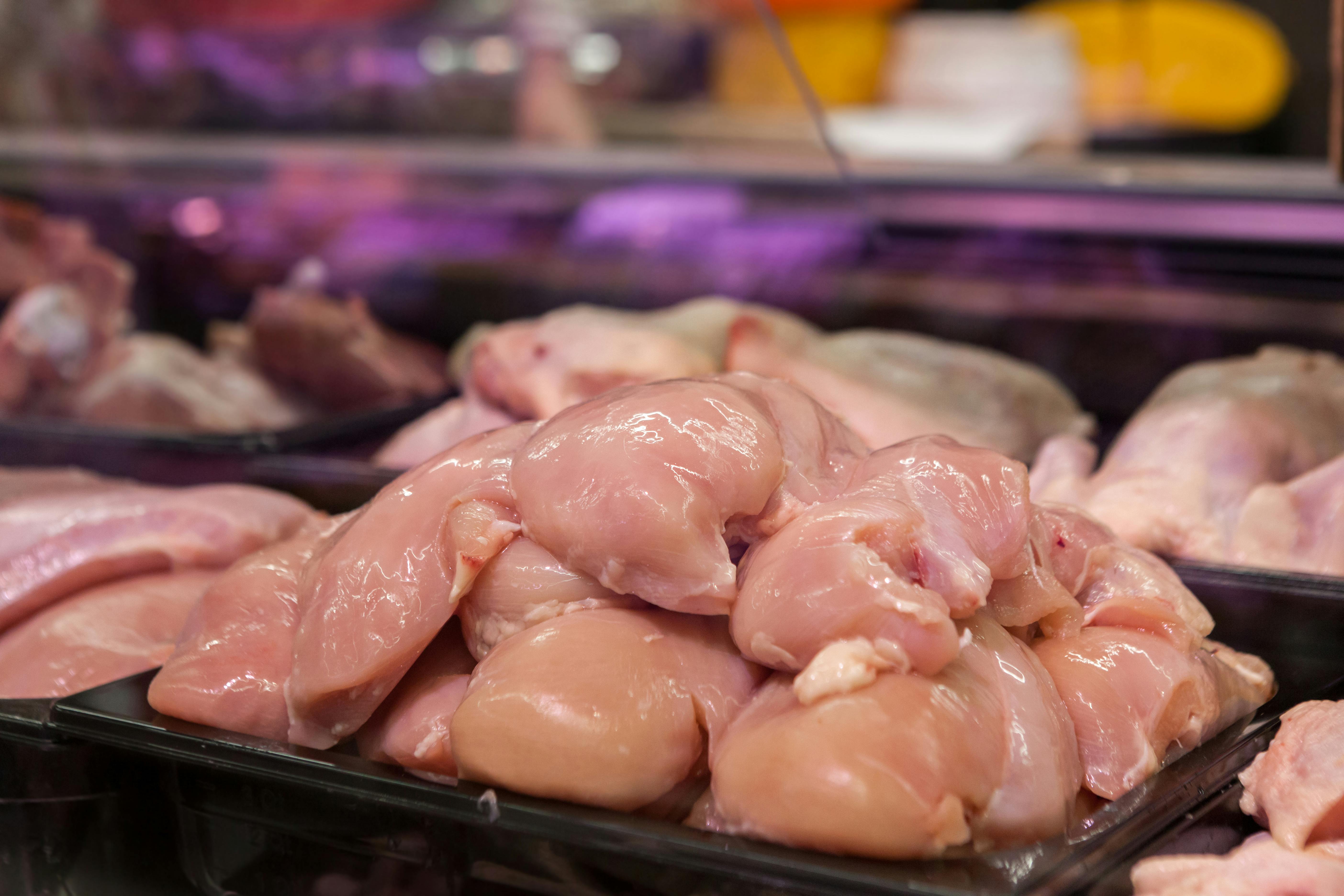
Chicken is one of the few meats that can still make sense in bulk, but timing matters. Family packs of thighs, drumsticks, or breasts often come at a lower per-kilogram price in Canadian supermarkets and warehouse stores, especially when promotions are strong.
The real value appears when you portion it yourself. Dividing large packs into meal-sized freezer bags turns one purchase into several planned dinners, which helps avoid both impulse takeout and food waste.
This is not a buy-first, think-later item. Bulk chicken only pays off if you have freezer space and a plan to use it. When those pieces are in place, it remains a reliable way to trim the cost of protein-heavy meals.
Cheese

Cheese is not cheap in Canada, which is exactly why larger blocks can be worth buying when the unit price drops enough. Compared with pre-shredded or smaller packaged portions, bulk formats often offer better value and better flavour.
A block of cheddar or mozzarella does more than sandwiches. It stretches into casseroles, omelets, pasta bakes, tacos, and homemade pizza, so it tends to disappear faster than shoppers expect.
The key is handling it properly. Cheese can be cut into smaller pieces and refrigerated or frozen depending on the type, making it easier to preserve quality. For households that cook often, bulk cheese can be one of the few indulgences that still behaves like a practical staple.
Peanut Butter
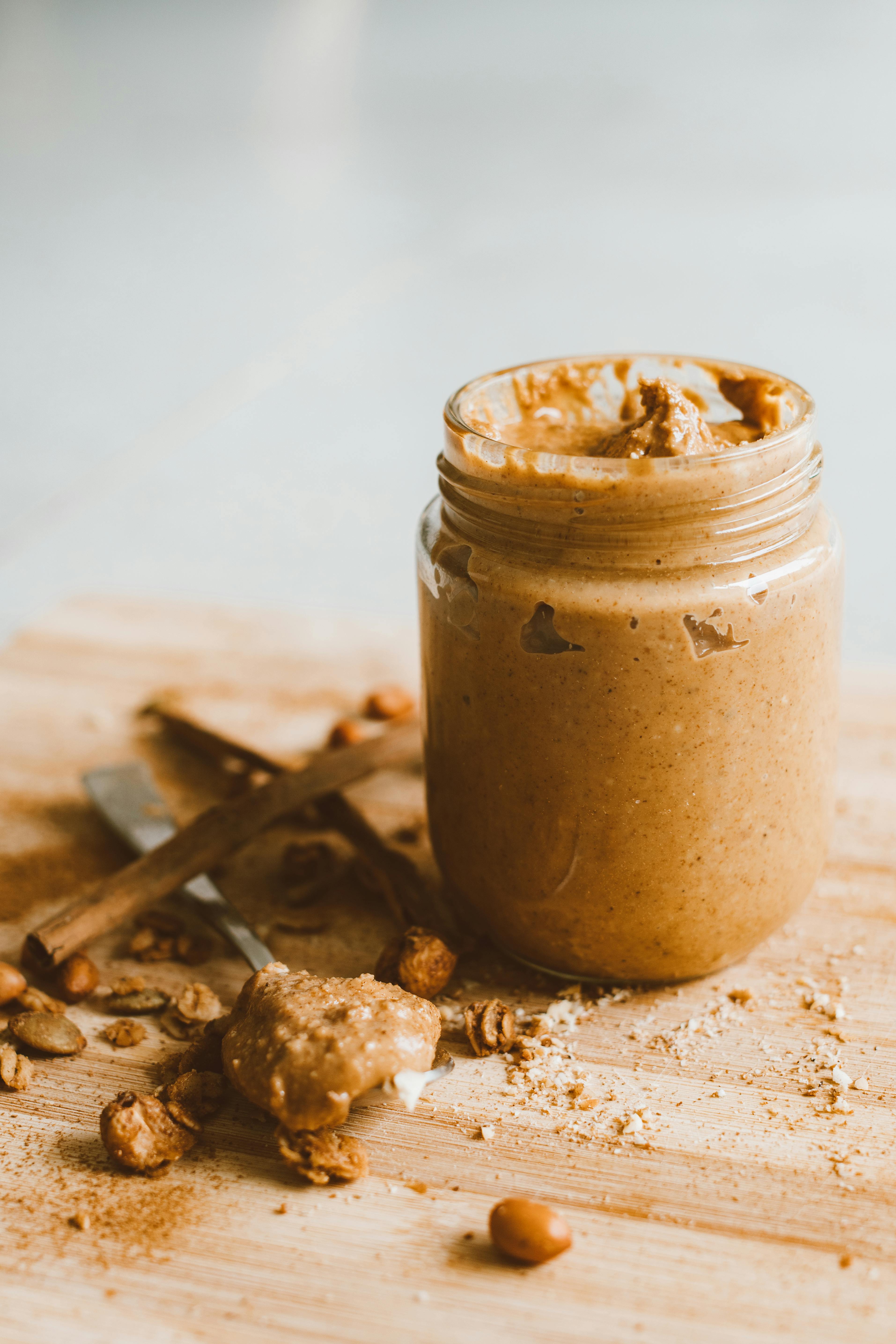
Peanut butter has a special kind of staying power in the Canadian pantry. It is calorie-dense, protein-rich, and useful beyond toast, which makes larger jars or multi-packs a dependable value buy for families and budget-minded shoppers alike.
It works at breakfast, lunch, and snack time, but it also slips into sauces, smoothies, baked goods, and quick no-cook meals. That versatility helps justify buying more at once because it rarely sits untouched for long.
Shelf stability is a big part of the appeal. Even natural varieties last well when stored correctly, and conventional peanut butter keeps even longer. If the price per 100 g is noticeably lower, bulk buying is usually a low-risk choice.
Coffee

Coffee may feel like a small luxury, but for many Canadians it is an everyday essential, and bulk buying can soften the cost. Larger bags of whole beans or ground coffee often come with a better unit price than smaller packages, particularly at warehouse retailers.
That said, freshness matters more here than with pantry staples like rice or pasta. Coffee pays off in bulk only if you drink it steadily and store it in an airtight container away from light and heat.
For regular coffee households, the math is still persuasive. Brewing at home remains far cheaper than café runs, and buying larger quantities can lower the per-cup cost even further without changing the daily routine much at all.