Comfort food is changing, even when it looks familiar. Kraft Dinner's new flavours make that shift easy to see.
Why a Box of Mac and Cheese Still Matters So Much
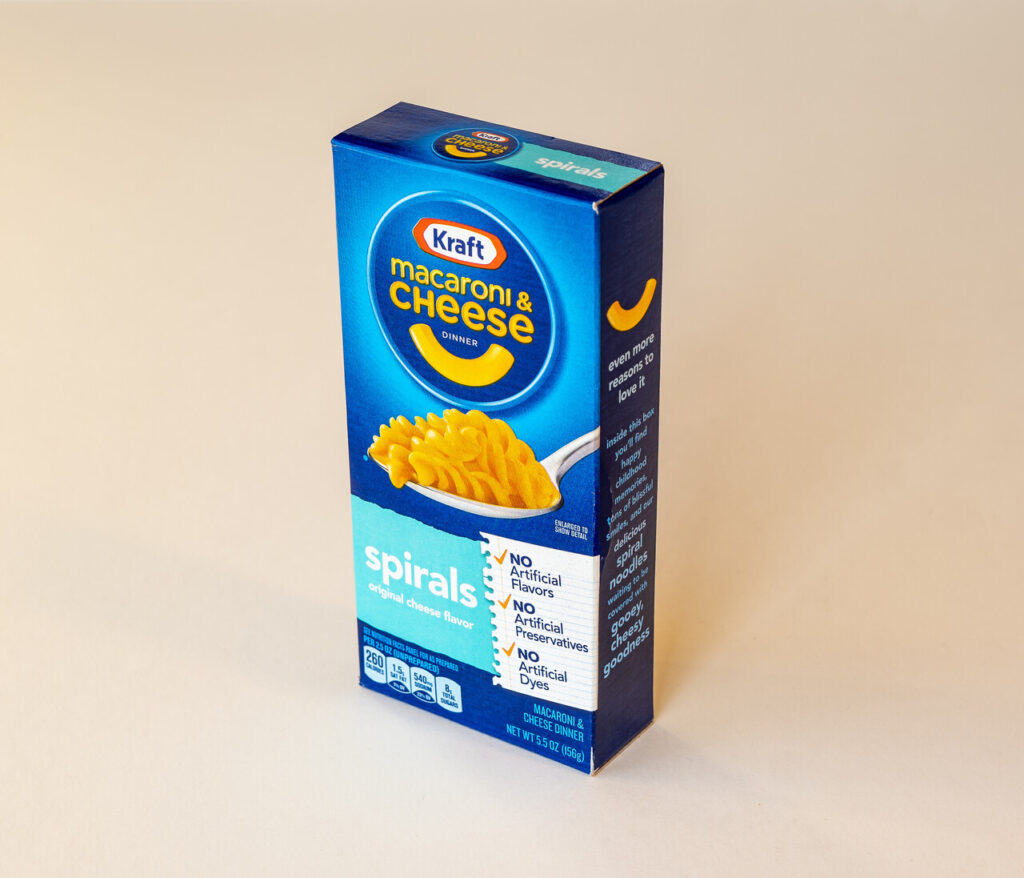
Few packaged foods carry as much emotional weight in Canada as Kraft Dinner. For generations, it has been the fast, inexpensive, reliable meal people learned to make as kids and kept buying as adults. That kind of product loyalty is not only about taste. It is about memory, routine, and the sense that one recognizable meal can still anchor a hectic day.
That is why new flavours matter more than they might seem at first glance. When a brand with this much heritage changes the script, it is usually responding to more than curiosity. It is reading the mood of shoppers who want familiar foods to feel fresh without becoming unrecognizable. In practical terms, that means the box on the shelf needs to promise both reassurance and a small thrill.
The bigger food industry has been moving in this direction for years. Legacy brands across snacks, frozen meals, cereals, and condiments have leaned harder into mashups, limited editions, and bolder seasoning profiles. According to market research from firms that track grocery trends, consumers increasingly split their spending between value staples and small indulgences. A new mac and cheese flavour fits neatly into that pattern because it remains affordable while still offering a break from routine.
There is also a cultural reason this resonates right now. Many households are still balancing higher grocery bills, packed schedules, and fatigue from constant decision-making. In that environment, comfort food is no longer just simple food. It has to work harder. It needs to be easy, familiar, emotionally satisfying, and just interesting enough to feel like a choice rather than a compromise.
The New Flavour Strategy Is Really About Controlled Adventure
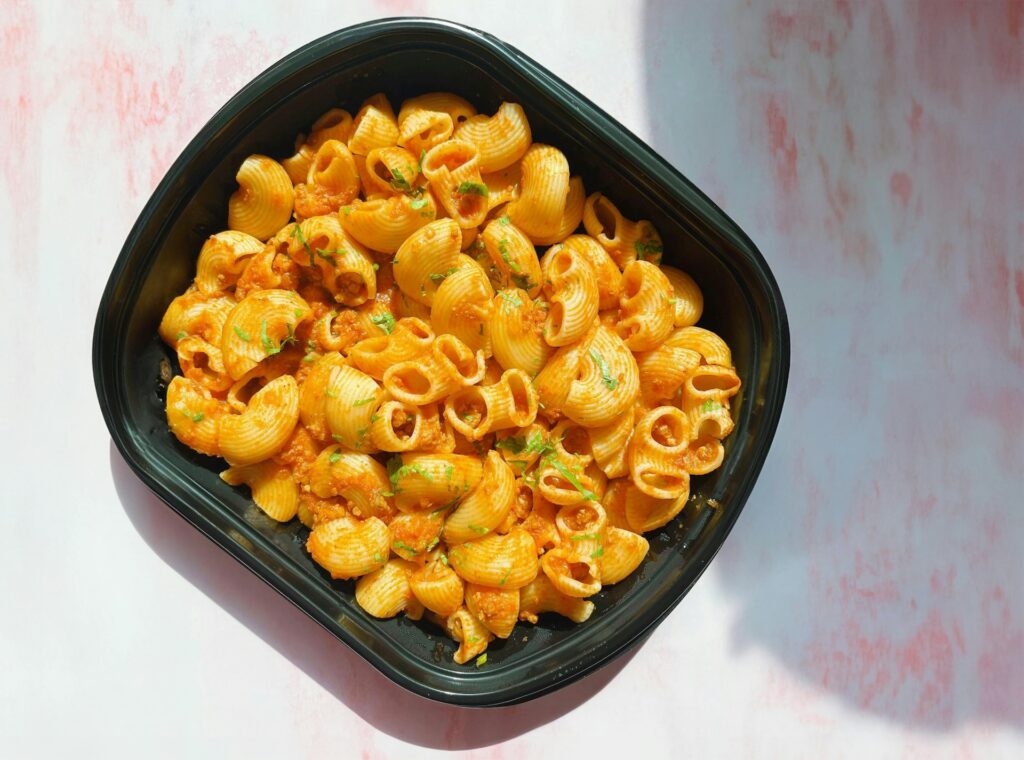
What makes these flavour launches smart is that they do not ask consumers to take a huge risk. Kraft Dinner is not trying to replace its classic identity. It is extending it. That distinction matters because food companies know shoppers are willing to experiment, but only within boundaries that feel safe, especially when money is tight and people do not want to waste a meal on something disappointing.
This is what could be called controlled adventure. A shopper sees a new flavour and gets a hit of novelty, but the base product remains deeply familiar. Macaroni is still macaroni. The preparation is still easy. The emotional promise is still intact. The new element is the seasoning profile, the sauce character, or the idea that a pantry standby can feel slightly more tailored to modern cravings.
That reflects a broader pattern in how people eat now. Restaurant culture, food delivery apps, social media recipes, and global seasoning blends have trained consumers to expect more variety in everyday meals. Even at home, people want pantry food to echo flavors they associate with takeout, viral recipes, or snack culture. A boxed dinner that nods to sharper cheese, smoky notes, spicy profiles, or savory twists speaks directly to that appetite.
Brands also understand that novelty helps products stay visible in crowded grocery aisles. New flavours create conversation, encourage trial purchases, and generate repeat attention from shoppers who might otherwise pass by a legacy staple. In that sense, the flavour drop is not only a culinary move. It is a retail strategy that turns a well-known comfort food into something newly discussable, especially among younger consumers who respond to limited releases and taste exploration.
Nostalgia Is Powerful, but It Works Best When It Evolves
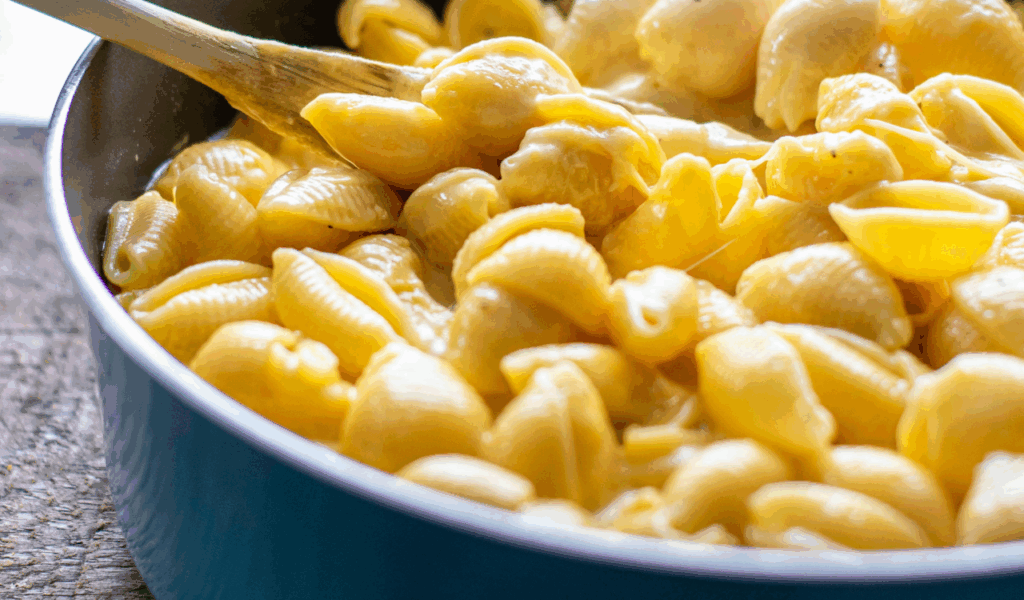
Nostalgia sells, but static nostalgia has limits. Consumers may love the products they grew up with, yet most do not want brands to remain frozen in time. The strongest heritage labels understand this. They preserve the cues people remember while updating flavor, packaging, and messaging to fit current habits. Kraft Dinner's flavour expansion follows that playbook closely.
Part of the appeal comes from intergenerational recognition. Parents who ate Kraft Dinner as children now buy it for their own families, and younger adults often see it as a familiar fallback during busy or financially stretched periods. That gives the brand a rare kind of continuity. But continuity alone is not enough to keep a product culturally relevant. It must show that it understands how tastes have broadened and how expectations have changed.
Food researchers have pointed out that nostalgia is most effective when paired with novelty. People want the emotional warmth of the past, but they also want to feel that they are eating in the present. That is why so many successful food launches borrow from classic formats while introducing modern flavors, stronger seasonings, or restaurant-inspired cues. The psychology is straightforward: familiar structure reduces risk, while novelty creates excitement.
This balancing act is especially important for younger consumers. Gen Z and younger millennials often embrace irony, retro branding, and throwback foods, but they are also highly responsive to flavor experimentation and cultural remixing. A classic box with a new taste profile can appeal to both instincts at once. It signals authenticity through familiarity and relevance through change, which is a difficult combination for any food brand to achieve consistently.
The Real Message Behind the New Flavours
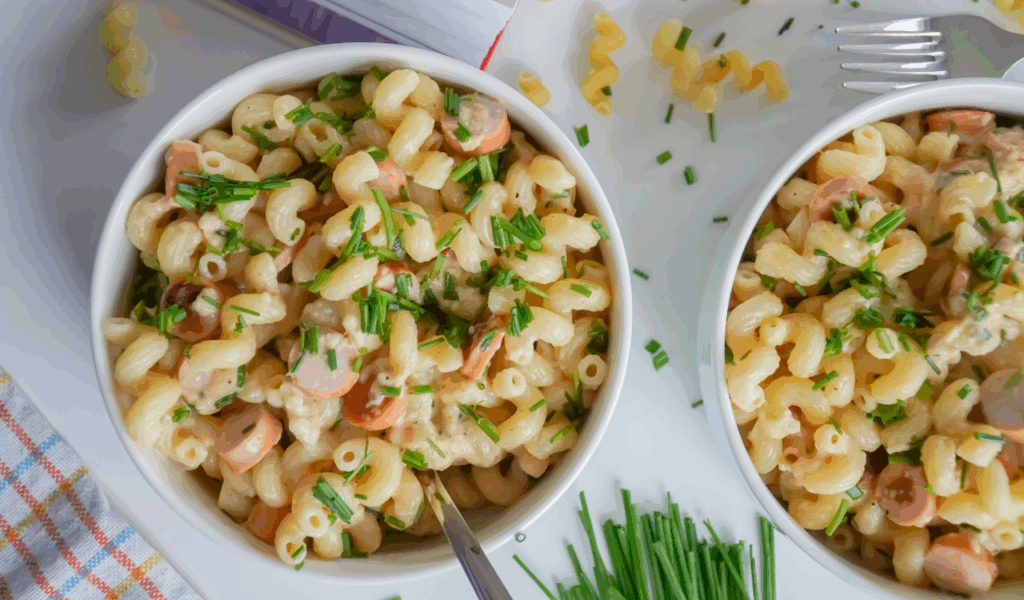
At the deepest level, these new flavours say that comfort food has become more expressive. People still want soothing meals, but they also want those meals to reflect identity, mood, and curiosity. A plain box dinner can now serve as a tiny act of customization, whether someone is chasing sharper flavor, a bolder savory note, or simply a different version of something they already trust.
This shift may sound minor, but it reveals a lot about consumer psychology. In periods when daily life feels expensive, overstimulating, or uncertain, small choices take on greater meaning. Food becomes one of the few easy places to create a sense of control and pleasure. Choosing a new Kraft Dinner flavour is not a grand statement, but it can still deliver a feeling of agency, especially when the stakes and the price are low.
It also shows that mass-market comfort food is not moving away from tradition. It is becoming more flexible. The old model said comfort meant sameness. The newer model says comfort can include variation as long as the emotional core remains intact. That is a significant change, and it helps explain why established food brands are investing so heavily in line extensions rather than betting only on entirely new products.
In the end, Kraft Dinner's flavour drop is not just about macaroni and cheese. It is about how modern consumers want familiarity with options, indulgence with value, and nostalgia with a contemporary edge. That combination defines much of the grocery market right now. For a humble boxed dinner, that is a surprisingly clear window into what people are really hungry for.