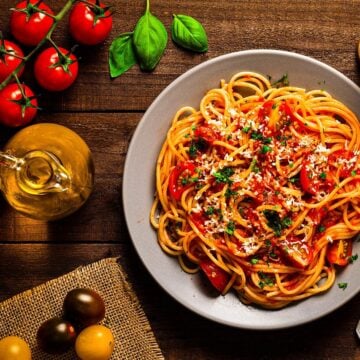
Pantry basics are no longer just backup ingredients waiting for a grocery run. In many kitchens, they have become the backbone of faster dinners, smarter budgeting, and surprisingly creative meals. This gallery looks at nine staples that are pulling extra weight right now, and why cooks keep reaching for them again and again.
Canned Beans

Canned beans have quietly become one of the most useful ingredients in the pantry. They are affordable, shelf-stable, and ready to work the minute the can is opened, which matters on busy nights when soaking and simmering dried beans is not realistic.
They also do far more than fill out chili. Chickpeas can turn into crispy snacks or blended sauces, black beans can anchor tacos and grain bowls, and white beans can be mashed into soups for body without cream. Nutrition experts often point to beans for their mix of fiber, plant protein, and minerals, making them one of the easiest ways to stretch a meal without making it feel skimpy.
Rice

Rice earns its keep because it adapts to almost anything around it. A plain pot can become the base for stir-fries, curries, burrito bowls, soups, or a quick fried rice that rescues leftovers before they go to waste.
It also offers real range. Long-grain rice stays fluffy, short-grain turns tender and clingy, and brown rice adds nuttiness and a little more chew. In many households, rice is the ingredient that makes small amounts of vegetables, eggs, or meat feel like a complete dinner. That kind of flexibility is a big reason it remains one of the world's most relied-on staples.
Pasta

Pasta keeps proving that convenience does not have to mean compromise. It cooks quickly, stores well, and can shift from simple comfort food to a genuinely elegant meal depending on what gets tossed into the pot or pan.
Its real strength is how little it asks of the cook. Garlic, olive oil, canned tomatoes, frozen peas, or a bit of cheese can become dinner in under 30 minutes. Different shapes also matter more than people think, since ridges, tubes, and ribbons each hold sauce differently. That makes pasta feel endlessly fresh, even when the ingredient list is built almost entirely from pantry odds and ends.
Canned Tomatoes

Canned tomatoes are the pantry's shortcut to depth and brightness, especially when fresh tomatoes are out of season or simply disappointing. They bring consistency that many home cooks count on, whether the goal is a long-simmered sauce or a fast weeknight soup.
Whole peeled, crushed, diced, and paste each do a slightly different job. Tomato paste adds concentrated richness, while crushed tomatoes create instant body in braises and stews. Good canned tomatoes can also make a dish taste more expensive than it is, because they deliver a developed, savory backbone without much effort. That kind of reliability is exactly why they keep moving to the front of the shelf.
Oats

Oats have moved well beyond the breakfast bowl. They are still a dependable morning option, but they now show up in smoothies, muffin batters, homemade granola, veggie burgers, and even as a budget-friendly binder in meatballs and meatloaf.
Part of their appeal is that they are inexpensive and genuinely useful across sweet and savory cooking. Rolled oats add texture, quick oats blend easily, and ground oats can stand in for part of the flour in baking. They also bring fiber that helps meals feel more satisfying. For households trying to cook economically without sacrificing versatility, oats have become a quiet powerhouse.
Peanut Butter

Peanut butter keeps showing off just how flexible one jar can be. It can anchor breakfast, become the star of a snack, or slip into dinner in the form of satay-style sauces, noodle dressings, and savory marinades.
Its staying power comes from more than taste. Peanut butter offers protein, fat, and a long shelf life, which makes it especially handy when the fridge looks bare. A spoonful can enrich smoothies, thicken sauces, or add depth to oatmeal and baked goods. For many families, it is the ingredient that bridges convenience and comfort, all while doing much more than its old sandwich-only reputation suggests.
Flour

Flour may seem old-school, but its usefulness has only expanded as more people cook and bake at home. It is the starting point for breads, pancakes, biscuits, and cakes, but it also handles less obvious jobs with equal skill.
A little flour can thicken gravies and stews, help coat foods for crisp browning, or turn pantry scraps into a quick flatbread. All-purpose flour remains the broadest workhorse, while bread and whole wheat flours offer their own strengths. What makes flour so valuable is not just tradition. It is the way one simple bag can support both everyday meals and the kind of baking projects that make a kitchen feel active and generous.
Olive Oil

Olive oil often plays the quiet role in cooking, but it is doing more heavy lifting than many ingredients that get top billing. It sautés vegetables, carries flavor into dressings and marinades, and finishes soups or beans with a final gloss that makes a simple dish feel complete.
Its value also lies in what it can replace. A good olive oil can stand in for butter in many savory dishes and some baked goods, while adding its own peppery, fruity character. Extra-virgin works best when flavor matters most, and lighter styles are useful for broader cooking. In a pantry full of supporting players, olive oil is often the one that ties everything together.
Vinegar

Vinegar is the ingredient that wakes everything up. When a soup tastes flat or a grain bowl feels heavy, a splash of acid can sharpen flavors and bring balance faster than another pinch of salt ever could.
Different kinds earn their space in different ways. Apple cider vinegar adds gentle fruitiness, red wine vinegar brightens dressings, and rice vinegar brings a softer tang to sauces and slaws. Beyond flavor, vinegar helps with quick pickling and preserving, which can extend the life of produce sitting in the crisper drawer. That mix of thrift and impact makes it one of the smartest bottles to keep within arm's reach.