Weeknight dinner does not have to begin with stress. The newest meal prep habit gaining traction is less about strict containers of identical lunches and more about building a flexible kitchen system.
Why flexible meal prep is resonating now
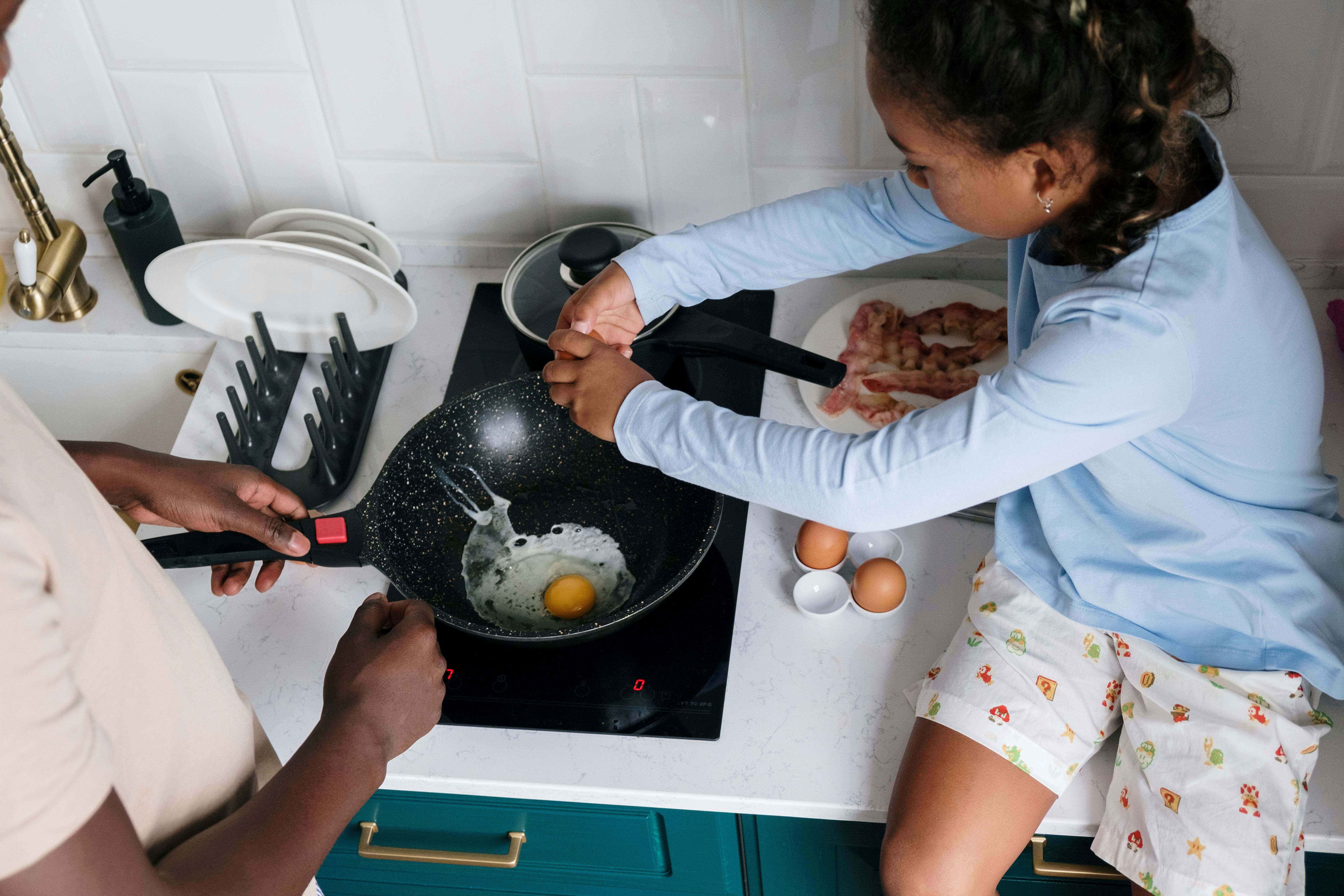
Traditional meal prep often brings to mind a Sunday afternoon spent cooking five identical meals and sealing them into containers. That approach works for some people, especially those with tightly structured routines, but many home cooks eventually hit the same wall: boredom, waste, and the sense that one small schedule change can ruin the entire plan. What is catching on instead is a looser, more adaptive method often called ingredient prep or component prep. Rather than cooking every meal in full, people prepare the building blocks ahead of time.
This approach fits how most households actually live. Workdays change, cravings shift, family members want different things, and leftovers accumulate unpredictably. According to reporting and guidance across food media in the past few years, home cooks are increasingly looking for systems that reduce decision fatigue without locking them into a fixed menu. Ingredient prep does exactly that. Wash the greens, roast the vegetables, marinate the chicken, cook a pot of grains, and the week instantly gets easier without becoming repetitive.
There is also a practical reason the trend feels timely. Grocery prices remain a concern for many households, and wasting a full cooked meal feels more frustrating than repurposing a tray of roasted vegetables or a container of chopped onions. A 2024 wave of consumer advice around budgeting and home cooking has emphasized versatility for this reason. Flexible prep helps people use ingredients across several dishes, which stretches both time and money.
Perhaps most importantly, this style respects appetite and mood. On Monday, prepped ingredients can become grain bowls. On Tuesday, the same ingredients can turn into tacos or stir-fry. By preserving choice, the system feels less like a diet strategy and more like real-life support. That is why it appeals not only to organized planners, but also to people who have resisted meal prep entirely because they assumed it would make eating feel mechanical.
How a one-hour prep session can reshape the week

One reason this trend is growing is that it does not require a marathon kitchen session. In many households, an efficient hour is enough to create noticeable relief for the next four or five dinners. The trick is to think in workflows rather than recipes. Start by deciding on a few meal directions, such as tacos, grain bowls, soups, stir-fries, or pasta. Then prep the ingredients that can move between those formats with minimal extra effort.
A typical session might include washing and drying herbs and greens, chopping onions and peppers, roasting a sheet pan of broccoli and carrots, cooking a batch of rice or quinoa, and marinating chicken or tofu. If time allows, you might also blend a sauce, simmer a simple soup base, or boil eggs for quick lunches and snacks. These tasks stack efficiently because they rely on the same tools and surfaces. While vegetables roast, grains cook. While grains cook, proteins are portioned.
Food professionals often describe this as reducing friction, and that phrase is accurate. The hardest part of cooking on a weeknight is rarely the actual stovetop time. It is the setup, the searching, the washing, and the mental effort of beginning. If your onions are already chopped and your protein is already seasoned, the barrier to cooking drops dramatically. Dinner that once felt like a 45-minute project can become a 15-minute assembly and cooking session.
This system also protects weekends. Many people reject meal prep because they imagine sacrificing half a Sunday to kitchen labor. But ingredient prep done strategically is faster than cooking multiple complete meals from scratch. It can also be split into smaller windows. Some households prep produce after grocery shopping, cook grains the next morning, and marinate proteins later in the day. The point is not perfection. The point is entering the week with enough done that cooking feels possible, even after a long day.
The tools, storage habits, and planning tricks that matter most
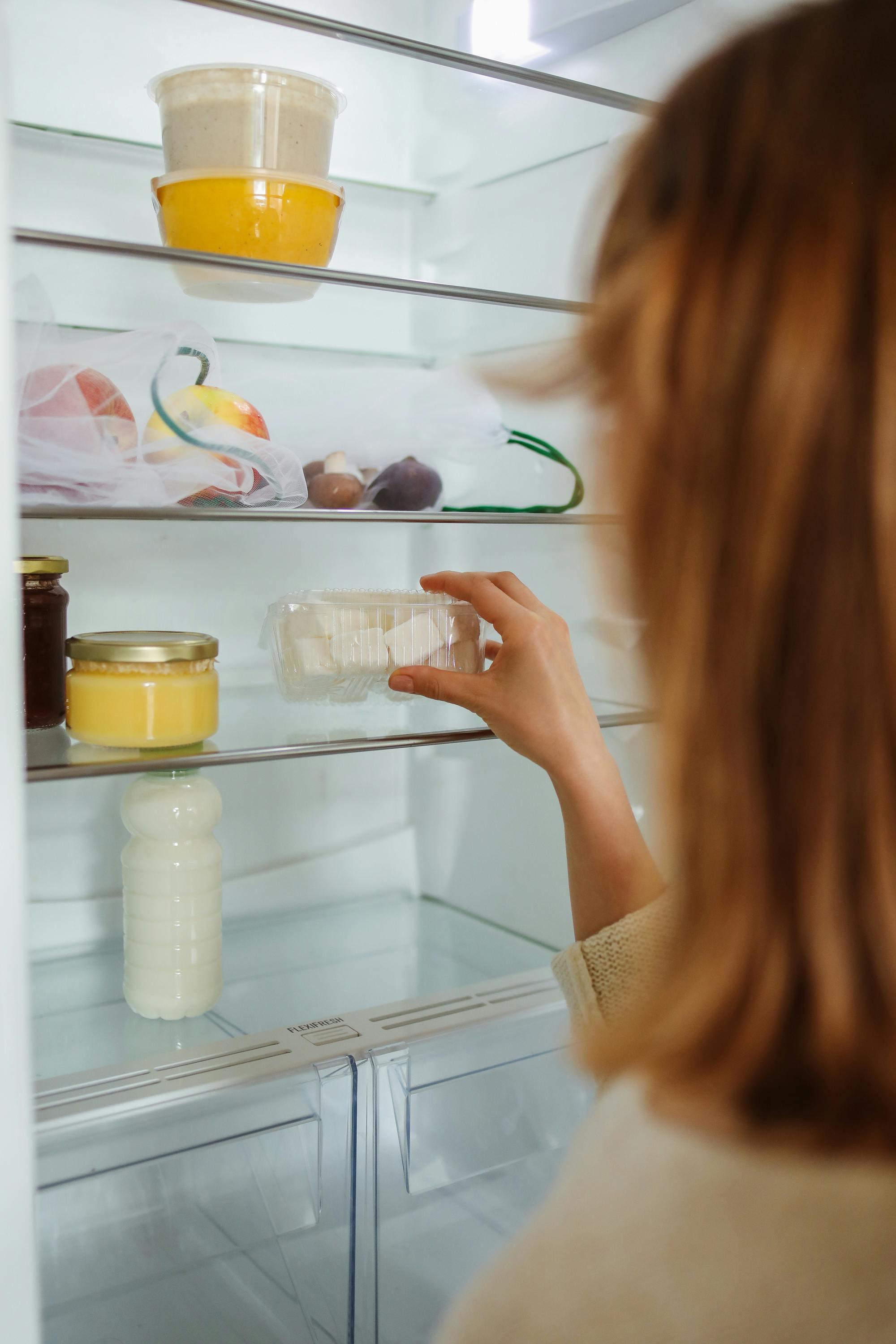
Good meal prep is less about buying gadgets and more about creating visibility and order. A sharp knife, a large cutting board, a colander, and reliable storage containers do most of the work. Clear containers are particularly useful because they remove the hidden-food problem. When ingredients are visible, they are far more likely to get used. This sounds minor, but household food waste research has consistently shown that forgotten perishables are a major source of waste at home.
Storage technique matters just as much as the prep itself. Leafy greens last longer when washed thoroughly, dried very well, and stored with a paper towel to absorb excess moisture. Roasted vegetables hold texture better when cooled before sealing. Grains should be stored in shallow containers so they cool quickly and reheat evenly. Proteins benefit from being portioned before marinating, which makes it easier to cook only what you need. Small habits like these preserve freshness and give the whole system a more professional feel.
Labels can be surprisingly helpful, especially in busy households. A simple date and description prevents guesswork and helps ingredients get used in the right order. This is one of the easiest ways to avoid waste, particularly when the refrigerator contains leftovers alongside prepped ingredients. Even without a label maker, a piece of masking tape and a marker can create enough structure to keep the system reliable. The goal is not aesthetic perfection. It is quick recognition.
Planning should also stay realistic. Instead of assigning seven detailed dinners, most experts recommend choosing three or four meal anchors and a few versatile ingredients. For example, one batch of cooked chicken might support wraps, rice bowls, and soup. A tray of roasted vegetables might work in pasta, salads, and frittatas. This overlap is where the time savings multiply. It keeps the grocery list tighter, reduces prep duplication, and allows you to cook with freedom rather than obligation.
Real-world examples of what this looks like in practice
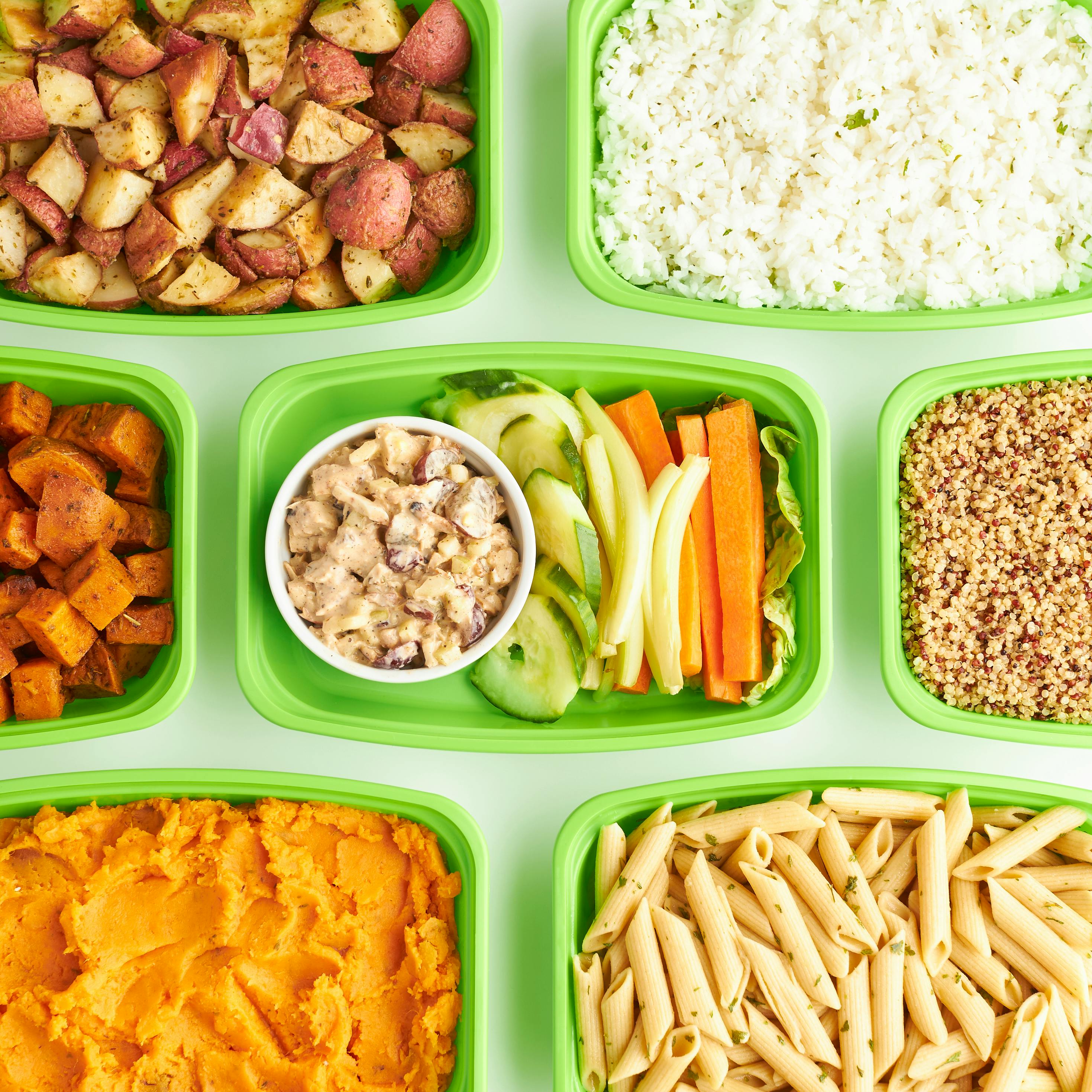
Consider a household that preps three proteins, four vegetables, one grain, and two sauces on Sunday. Chicken thighs are marinated in garlic and yogurt, tofu is pressed and cubed, and ground turkey is cooked simply with onion and spices. Broccoli, zucchini, carrots, and bell peppers are chopped, with two of them roasted immediately. Rice is cooked, and both a lemon-herb sauce and a peanut sauce are mixed. Nothing is locked into a finished dish, but nearly every major dinner component is ready.
On Monday, the chicken and rice become grain bowls with roasted carrots and lemon-herb sauce. On Tuesday, the turkey is reheated with peppers for tacos. On Wednesday, tofu is pan-seared and tossed with broccoli and peanut sauce for a quick stir-fry. Thursday might use the last vegetables in a pasta with olive oil, garlic, and a handful of greens. Friday can become a clean-out-the-fridge fried rice. This kind of week feels varied even though it is powered by a small set of prepped ingredients.
Budget-conscious cooking benefits especially well from this model. If a household buys a large pack of chicken, a head of broccoli, a bag of carrots, onions, rice, tortillas, and a few pantry staples, those ingredients can cover multiple dinners with very little waste. That mirrors the practical, low-stress routine highlighted in meal prep guides focused on saving money and reducing takeout. The strategy is not glamorous, but it is highly effective because it aligns with how ingredients are sold and how home kitchens function.
Families with different tastes can also use the same base ingredients in different ways. One person may want a rice bowl, another may want wraps, and a child may prefer plain chicken with carrots. Flexible prep supports all three without requiring three separate dinners. That is one reason it has become attractive to parents and shared households. It lowers the total cooking burden while still allowing meals to feel individualized, which is often the difference between a system that lasts two weeks and one that becomes routine.
How to start without overcomplicating the process
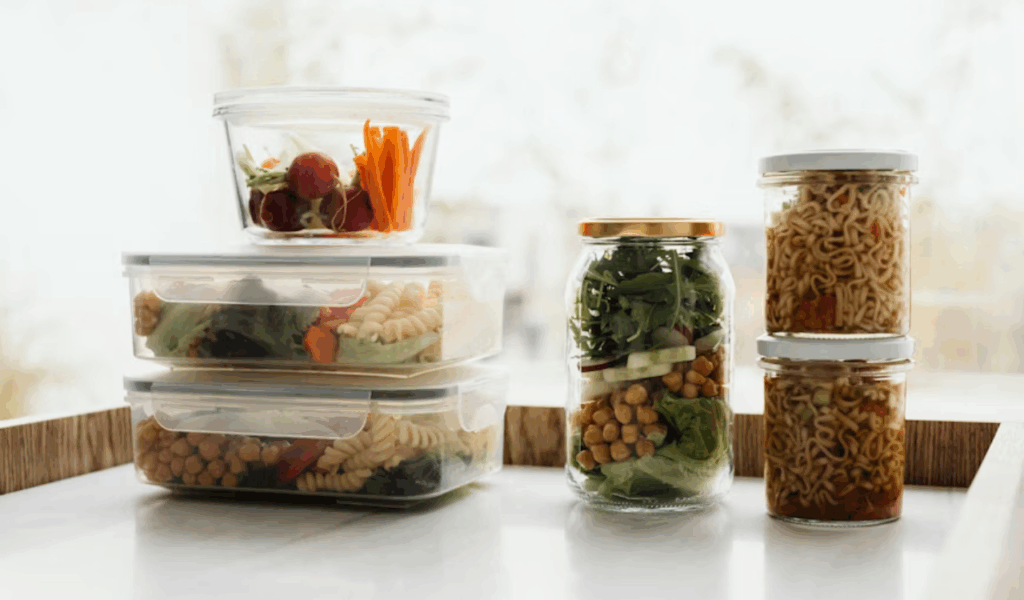
The best way to begin is to ignore the fantasy version of meal prep and build a version that matches your week. If dinner is your biggest stress point, prep only for dinner. If mornings are chaotic, focus on breakfast and snacks instead. Start with two vegetables, one protein, and one starch. Wash and chop the vegetables, season the protein, and cook the starch. That alone can dramatically reduce the effort required to put food on the table.
It helps to choose ingredients you already know you like and meals you already make. This is not the moment to test five new recipes. If your household regularly eats tacos, sheet-pan dinners, grain bowls, pasta, or stir-fries, prep toward those formats first. Success comes from familiarity. Once the system feels natural, you can expand into sauces, soups, or freezer components. Starting small prevents the all-too-common cycle of overpreparing one week and abandoning the habit the next.
You should also expect flexibility, not flawless execution. There will be weeks when half the ingredients are used and weeks when plans change. That is not failure. In fact, the strength of component prep is that it absorbs disruption better than traditional meal prep. If dinner out replaces a planned home-cooked meal, your chopped vegetables can usually wait another day or become part of a soup, omelet, or fried rice. The system is designed to bend.
What makes this trend powerful is not novelty, but realism. It recognizes that people want the benefits of preparation without surrendering spontaneity. By front-loading the washing, chopping, marinating, and organizing, you preserve energy for the moments that matter most during the week. Dinner still feels like cooking, not reheating a prewritten script. For busy households, that balance between structure and freedom is exactly why flexible meal prep is proving so useful.