Some of the best ingredients in the kitchen have been hiding in plain sight. Cabbage, beans, and carrots are no longer just backup vegetables. They now make a strong case for being the center of the meal.
Why these humble staples matter again
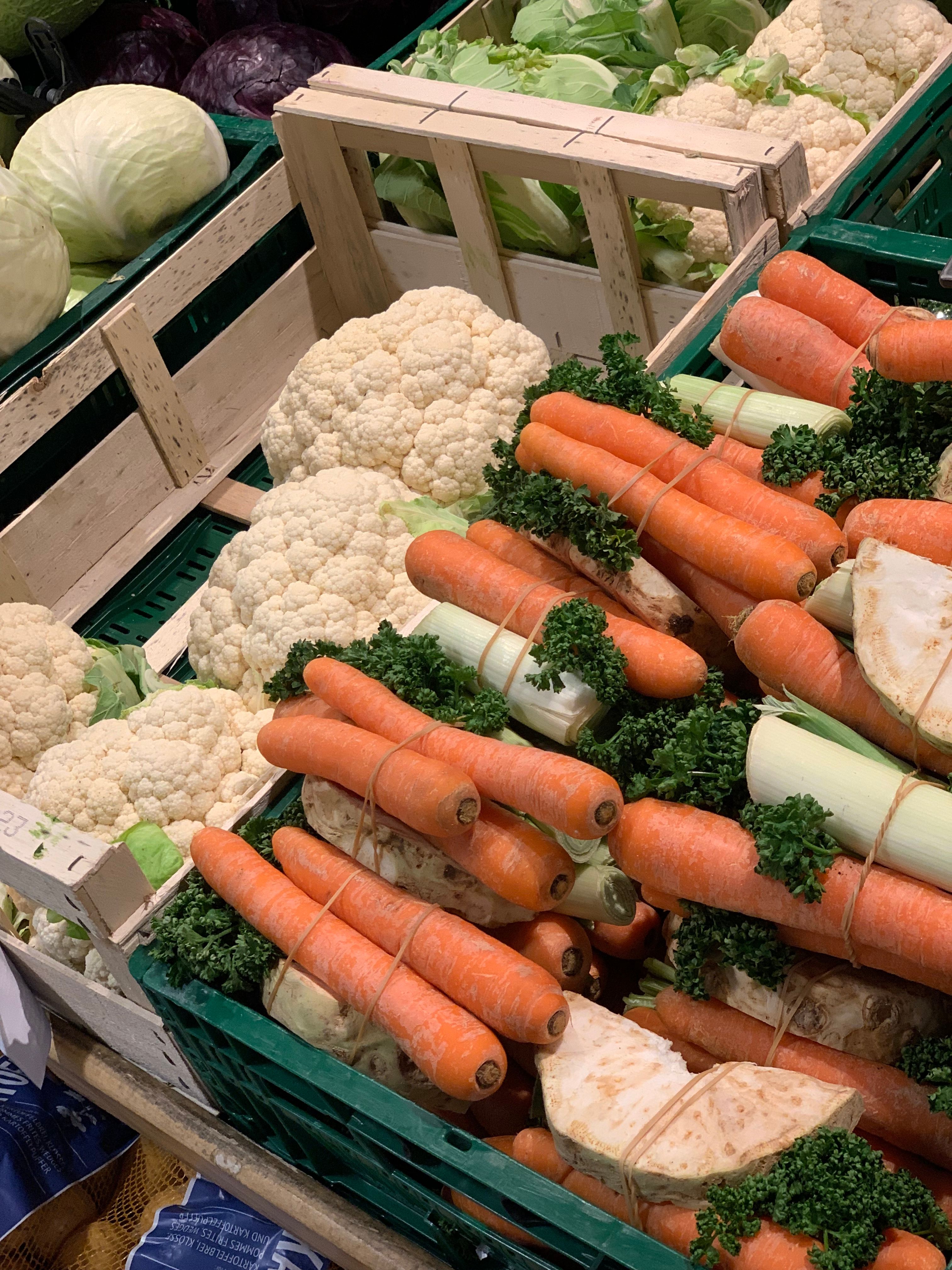
The renewed interest in cabbage, beans, and carrots is not a trend built on nostalgia alone. It is a response to real pressures in daily life, including higher grocery prices, tighter schedules, and a growing awareness that healthier eating does not need to depend on expensive specialty products. These ingredients meet modern needs unusually well because they are reliable, widely available, and capable of stretching across many meals.
Cabbage offers volume, texture, and a long refrigerator life that few leafy vegetables can match. Beans, whether dried or canned, bring protein, fiber, and staying power to soups, salads, stews, and spreads. Carrots contribute sweetness, color, and versatility, working just as well roasted and caramelized as they do shaved raw into slaws. Together, they form a practical trio that can support weeknight cooking without feeling repetitive.
There is also a nutritional logic behind their return. Public health guidance continues to favor diets rich in vegetables, legumes, and minimally processed foods. Beans are consistently associated with improved diet quality because they help people feel full while delivering iron, folate, potassium, and complex carbohydrates. Carrots supply beta-carotene, and cabbage provides vitamin C, vitamin K, and a range of plant compounds that have made cruciferous vegetables a frequent subject of nutrition research.
What makes this moment different is that cooks now see these foods not as compromises, but as assets. Restaurant chefs have elevated charred cabbage wedges, silky bean broths, and carrot-forward dishes with spices, yogurt, herbs, and seeds. Home cooks are following for a simple reason: these ingredients reward attention. They can be transformed by technique, and they prove that economical food can still feel deeply satisfying and current.
Cabbage is far more dynamic than its reputation suggests

Cabbage has long suffered from an image problem. For many people, it brings to mind overboiled side dishes or limp cafeteria vegetables. Yet when treated well, cabbage is one of the most adaptable ingredients in the produce aisle. It can be roasted until the edges crisp, sautéed until silky, fermented into tangy condiments, or sliced thin for fresh, crunchy salads that hold up far longer than lettuce.
Part of cabbage's strength is structural. Its tightly packed leaves make it durable in storage and forgiving in the kitchen. Green cabbage can carry strong flavors like mustard, garlic, bacon, sesame, dill, cumin, or vinegar without disappearing. Red cabbage adds color and a slight peppery bite, while Savoy cabbage has more delicate leaves that work beautifully in soups, braises, and quick skillet dishes. Napa cabbage, with its lighter texture, bridges the gap between salad green and cooking vegetable.
Cooking methods dramatically shape the result. High heat turns cabbage sweet and nutty because its natural sugars begin to brown. A hot sheet pan or cast-iron skillet can create crisp edges and a tender center in less than 20 minutes. Gentle braising produces a completely different effect, softening the leaves into rich, savory strands that pair well with beans, onions, sausage, or mushrooms. Even a quick sauté with olive oil, chile flakes, and lemon can turn half a head of cabbage into a complete side dish.
Its value extends beyond flavor. Cabbage is one of the easiest vegetables to buy with confidence because it lasts. In a time when food waste is a major household cost, that matters. One head can become slaw on day one, stir-fry on day three, soup on day five, and still retain quality. Few ingredients offer such range with so little financial risk, which is exactly why cabbage deserves its new standing.
Beans answer the question of how to eat well for less

Beans have become newly relevant because they solve several kitchen problems at once. They are inexpensive, shelf-stable, rich in nutrients, and capable of replacing or stretching meat in ways that still feel satisfying. In practical terms, they help households lower food costs while keeping meals filling and balanced. That combination has made them central to both budget cooking and health-conscious meal planning.
The nutritional case for beans is especially strong. They provide protein and fiber together, which is one reason they support fullness so effectively. A growing body of nutrition research has linked regular bean consumption with better heart health, improved blood sugar management, and overall higher diet quality. Chickpeas, black beans, lentils, kidney beans, cannellini beans, and butter beans all offer slightly different textures and nutrient profiles, but they share the same core advantage: they do a lot of work in a meal.
Their culinary range is wider than many people realize. Beans can be simmered into soups, folded into grain bowls, mashed into sandwich fillings, blended into dips, stewed with tomatoes and greens, or tossed with olive oil and herbs for a fast salad. A pot of white beans cooked with onion, garlic, and bay leaves can become dinner in several forms over a few days. One night it may be served in broth with toast. The next, it can be crushed onto roasted carrots or tucked beside seared cabbage.
Canned beans have also changed the conversation by making this ingredient nearly instant. When rinsed and warmed with aromatics, they can taste far fresher than their convenience reputation suggests. Dried beans remain valuable for cooks who want maximum control over texture and seasoning, but the modern case for beans does not require hours of soaking and simmering. It only requires seeing them for what they are: one of the most efficient, adaptable, and nourishing building blocks in the pantry.
Carrots have moved beyond the side dish
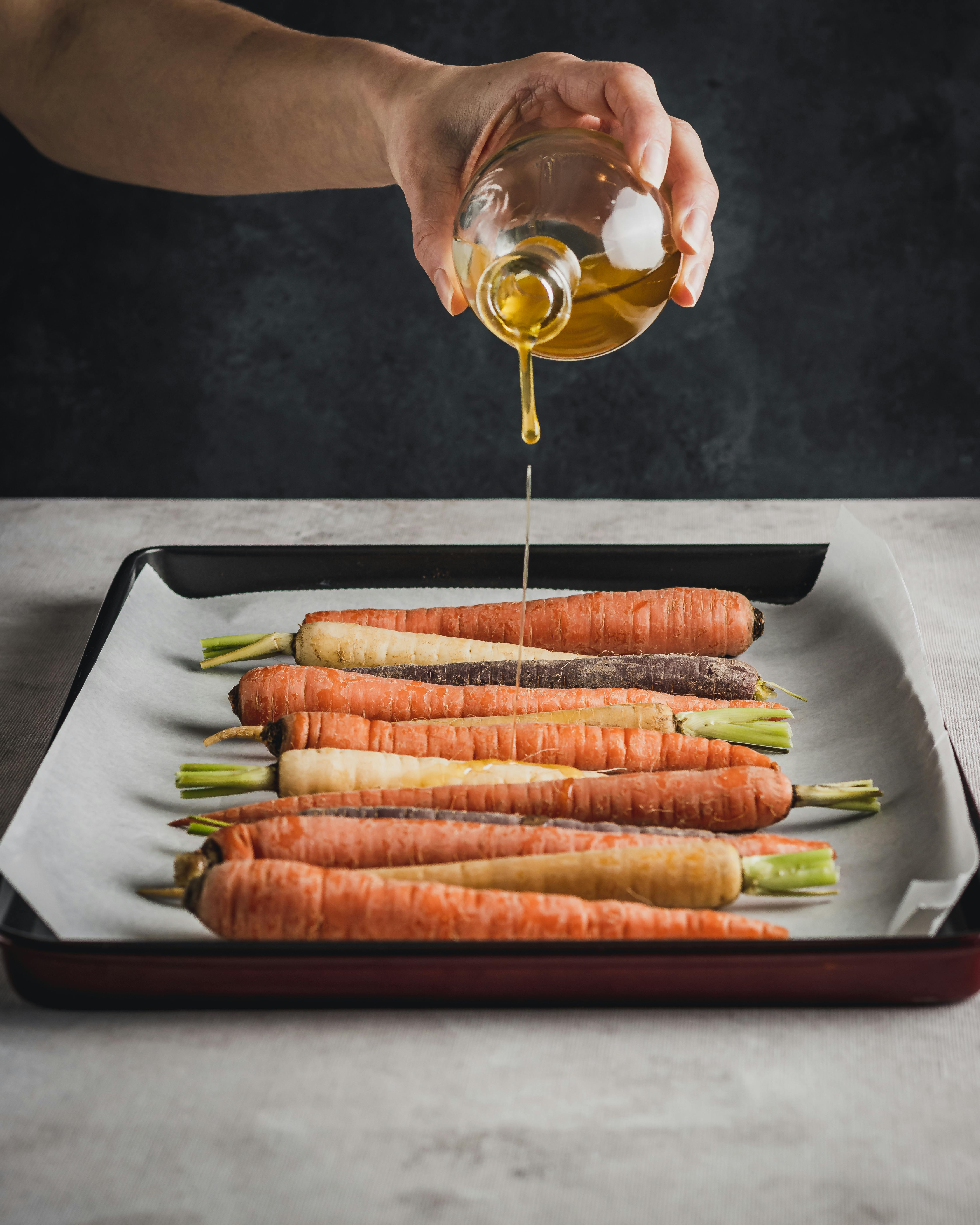
Carrots are often underestimated because they are so familiar. They are packed into lunch boxes, served glazed at holidays, and sliced into soups almost by reflex. But their true strength lies in the fact that they can shift roles easily. Carrots can be the sweet note, the earthy base, the crunchy garnish, or the main event, depending on how they are cut, seasoned, and cooked.
Their natural sugar is one reason they respond so well to heat. Roasting intensifies their sweetness and gives them deep, concentrated flavor, especially when paired with cumin, coriander, harissa, thyme, or miso. Blistered carrots finished with yogurt and herbs have become a common restaurant dish because they show how substantial the vegetable can be. At home, the same principle works with less effort: roast until browned, add acid and something creamy, and carrots suddenly feel complete rather than supplemental.
Raw carrots deserve equal respect. Shaved into ribbons, grated into salads, or cut into matchsticks, they bring freshness and crunch that can wake up heavy meals. Their mild sweetness pairs well with citrus, ginger, tahini, parsley, mint, and toasted nuts. They also bridge flavors across a plate. In a meal built around beans and cabbage, carrots can supply the bright middle ground between the earthy richness of legumes and the brassica sharpness of cabbage.
From a nutrition standpoint, carrots remain one of the most accessible sources of beta-carotene, which the body converts into vitamin A. They also contribute fiber and potassium, while being easy to store and use over time. That matters in ordinary cooking more than in theory. A bag of carrots is rarely wasted because it can move from snack to stock base to roast pan to soup pot. This flexibility is precisely why carrots now belong in the same conversation as more celebrated produce.
How to cook them better and make them worth repeating
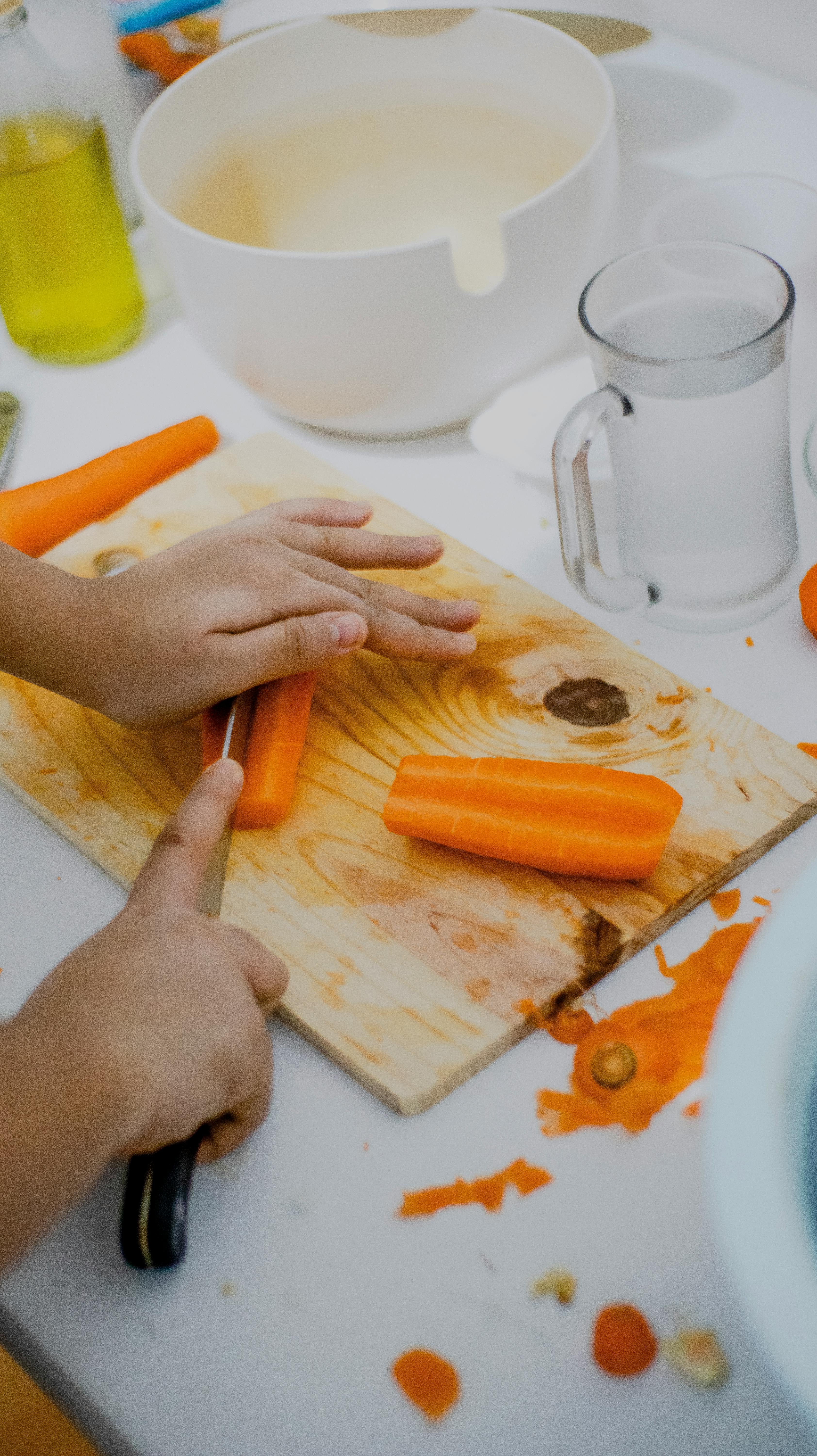
The difference between tolerating these ingredients and craving them usually comes down to technique. Cabbage needs either high heat for browning or enough moisture and time to soften properly. Beans need seasoning at every stage, not just at the end. Carrots need enough heat to develop flavor or enough acid and texture to shine raw. Once these basics are understood, the ingredients stop feeling plain and start becoming dependable favorites.
Seasoning is especially important. Beans love garlic, onion, bay, olive oil, black pepper, smoked paprika, rosemary, and citrus. Cabbage responds to butter, vinegar, mustard, chile, caraway, soy, and sesame. Carrots pair naturally with cumin, ginger, coriander, honey, yogurt, parsley, and dill. A cook does not need every one of these additions, but choosing two or three complementary flavors can completely change the character of the dish. This is why the same vegetables can move from rustic to bright to deeply savory without much extra cost.
Texture should guide the cooking. For cabbage, avoid overcrowding the pan if browning is the goal. For beans, save some cooking liquid to loosen and enrich the final dish, especially when mashing or stewing. For carrots, cut evenly so they roast at the same pace. Small changes like finishing beans with lemon, salting cabbage early to help it soften, or roasting carrots cut-side down for better caramelization can produce noticeably better results.
Most of all, repeatability matters. Good home cooking depends on ingredients that can be used often without becoming dull. Cabbage, beans, and carrots succeed because they adapt to the cook's mood, budget, and time. They can anchor soup, salad, stew, sheet-pan dinners, grain bowls, and simple lunches. The new case for cooking with them is clear: they are not fallback foods from another era. They are exactly the kind of ingredients modern kitchens need now.