A grocery run can feel routine, but the store is changing in ways many shoppers only notice after their habits have already shifted. From smaller splurges to smarter private-label picks, this year's biggest grocery trends are less flashy than they are practical. These quiet changes reveal how people are balancing price, convenience, health goals, and a growing desire to shop with more intention.
Private Labels Are Becoming the First Choice
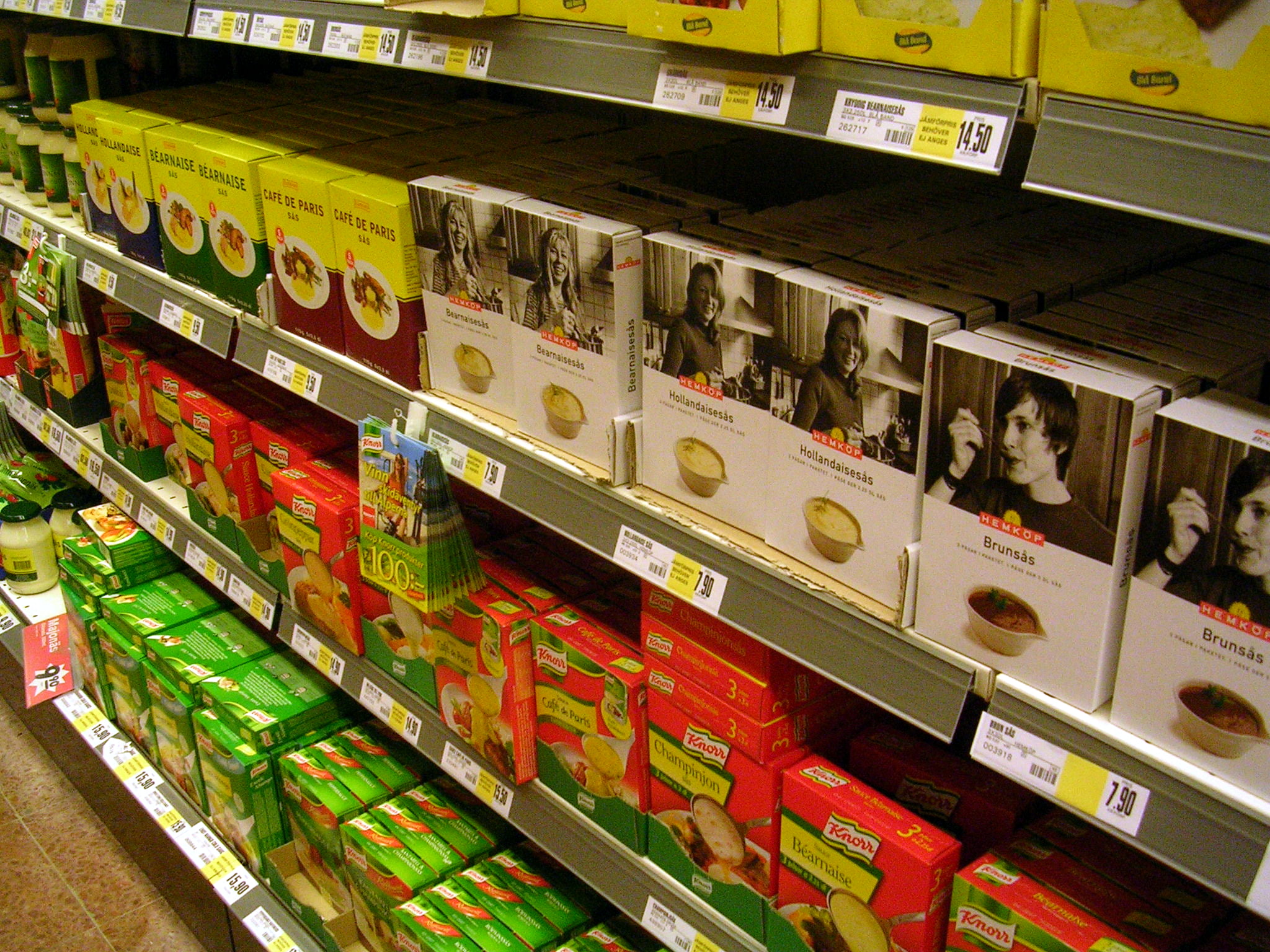
Store brands used to be the backup plan, the thing people grabbed when the name brand felt too expensive. This year, that logic is flipping. Many shoppers now start with private labels because the quality has improved, the packaging looks more polished, and the price difference still matters on a weekly bill.
Retailers have been investing heavily in their own lines, especially in pantry staples, dairy, snacks, frozen meals, and organic basics. Inflation trained customers to compare more carefully, and once they found products that tasted just as good, many never went back.
The result is a quieter loyalty shift. Instead of being brand-first, more shoppers are becoming value-first without feeling like they are settling.
Smaller, More Frequent Grocery Trips Are Replacing Big Stock-Ups

The once-a-week mega haul is losing ground to shorter, more targeted trips. For many households, it is easier to buy what they need for the next few days than to commit to a large cart full of ingredients that may not get used in time.
This pattern is tied to a few forces at once. Food prices remain uneven, schedules feel less predictable, and shoppers are trying harder to reduce waste. A smaller trip also makes it easier to pivot when dinner plans change or when fresh items look better later in the week.
Stores are responding with more grab-and-go meals, sharper in-and-out layouts, and promotions designed for immediate needs instead of pantry-loading events.
Protein Is Showing Up in Almost Every Aisle

Protein has moved far beyond the gym crowd. It is now one of the biggest organizing ideas in grocery shopping, shaping what people buy for breakfast, snacks, frozen meals, drinks, and even desserts.
Shoppers are reading labels with a simple question in mind: will this keep me full? That has helped fuel demand for Greek yogurt, cottage cheese, jerky, eggs, canned fish, protein bars, and higher-protein versions of everyday foods like pasta and cereal.
The appeal is part health goal and part budget strategy. When shoppers believe a food is more filling or more functional, they are often more willing to pay a bit extra for it and build meals around it.
Prepared Foods Are Competing With Restaurants

One of the clearest changes in the grocery business is how much better prepared food has become. Rotisserie chicken used to be the star, but now many stores offer sushi, grain bowls, fresh sandwiches, hot bars, family meals, and bakery items that feel closer to casual dining.
That matters because restaurant prices remain high, while many shoppers still want convenience. A prepared meal from the grocery store often lands in the sweet spot between cooking from scratch and ordering takeout.
This trend is also changing how people move through the store. A shopper may come in for milk and leave with dinner, dessert, and tomorrow's lunch, all from the perimeter.
Digital Tools Are Quietly Guiding More Purchases

Many shopping decisions now happen before a person even touches a cart. Retail apps, clipped digital coupons, loyalty accounts, recipe suggestions, and personalized discounts are shaping what ends up on the list and what gets left behind.
For budget-focused shoppers, these tools can produce real savings, especially when stores reserve their best deals for members. For retailers, they create a clearer picture of buying habits, from favorite brands to the time of day people shop.
The shift is subtle because it feels convenient rather than dramatic. But once shoppers get used to app-only deals, curbside ordering, or seeing past purchases saved automatically, the digital layer becomes part of the grocery routine.
Waste-Conscious Shopping Is Becoming More Practical
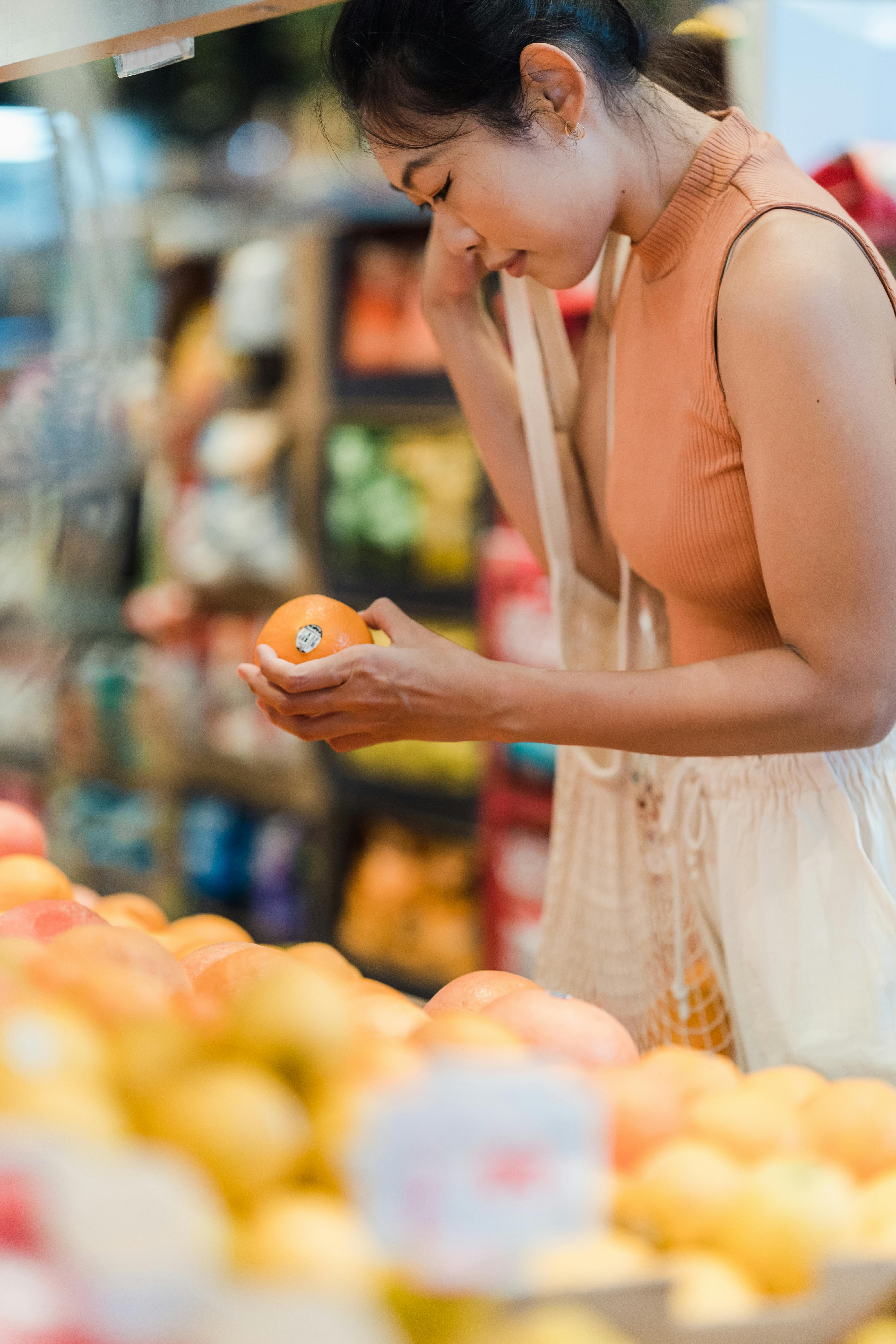
Sustainability talk can sound abstract, but at the grocery store it is becoming very concrete. More shoppers are making small choices that cut waste, such as buying only the produce they will use, picking imperfect fruits and vegetables, or choosing larger formats that reduce packaging per serving.
Retailers are helping by expanding frozen produce, meal planning prompts, markdown sections for short-dated items, and clearer date labeling. Those changes make it easier for people to save money while throwing away less food at home.
This is not always about perfection or ideology. Often it is simply about making groceries stretch further, which turns waste reduction into an everyday budgeting habit rather than a niche lifestyle statement.
Global Flavors Are Moving Into Everyday Staples
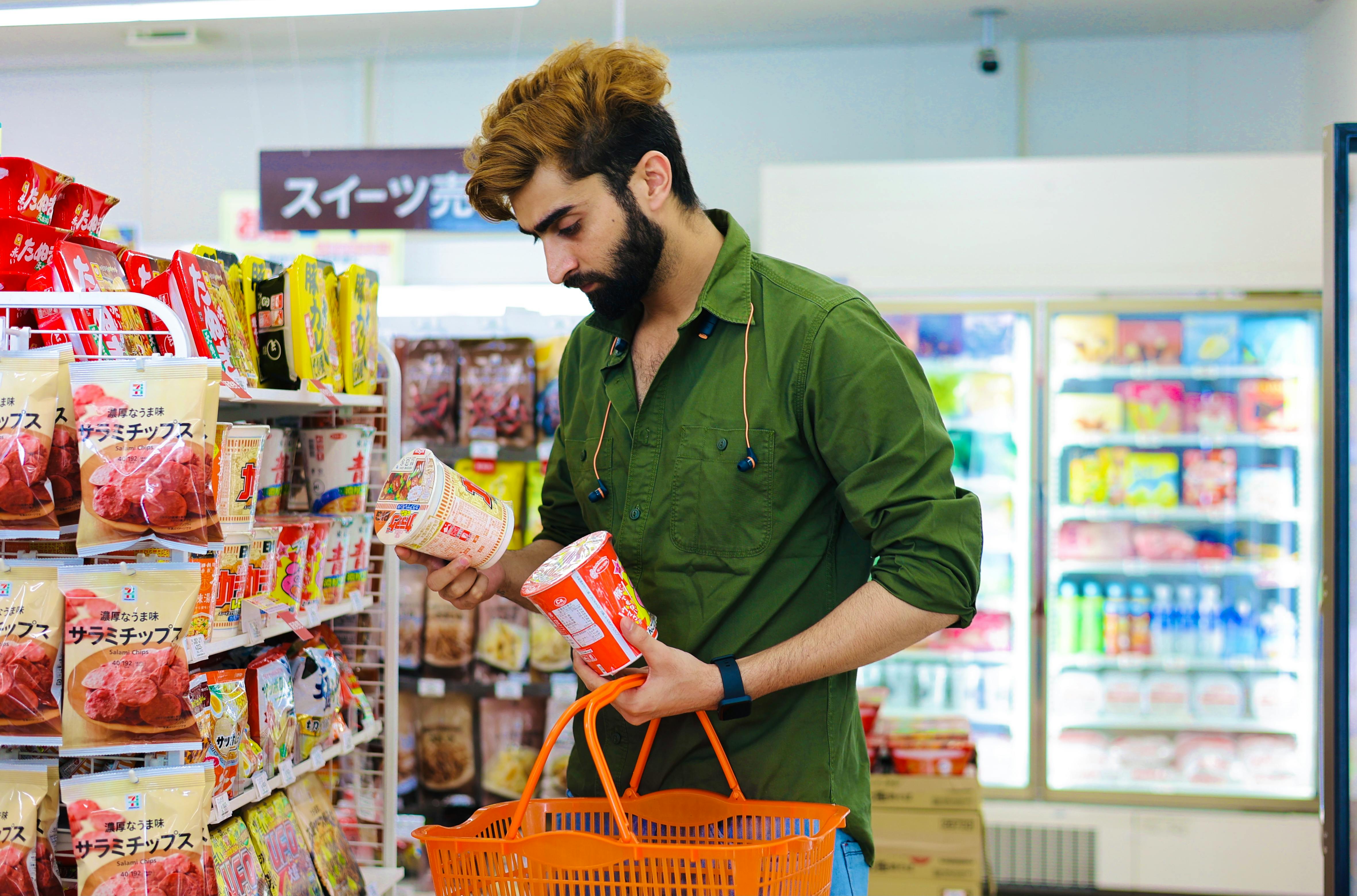
International grocery shopping used to feel like a special trip or a cooking project. Now global flavors are appearing in the most ordinary parts of the store, from sauces and snacks to frozen meals, condiments, broths, and ready-to-heat grains.
You can see the change in products inspired by Korean, Japanese, Indian, Mexican, Middle Eastern, and West African cooking, among many others. Shoppers want variety, but they also want approachable ways to get it, which is why simmer sauces, spice blends, dumplings, and noodle kits are doing well.
This trend reflects both curiosity and confidence. People are more comfortable trying something new when it fits easily into a weeknight meal instead of requiring a full pantry reset.